If you want central Austin access without giving up a residential feel, Tarrytown tends to stand out quickly. You get mature trees, a mix of classic and updated homes, and convenient access to Lake Austin amenities that shape daily life in a very specific way. For many buyers, the appeal is not just where Tarrytown sits on the map, but how it lives from one street to the next. Let’s dive in.
Why Tarrytown Feels Distinct
Tarrytown is a long-established neighborhood in Austin’s 78703 ZIP code and City Council District 10. According to the Tarrytown Alliance, the neighborhood lies between Lake Austin and MoPac, with Lake Austin Boulevard to the south and 35th Street to the north.
That geography helps explain its identity. Tarrytown feels residential first, with close proximity to downtown and the University of Texas rather than a dense commercial core. You are near central Austin destinations, but the street experience is shaped more by homes, trees, and neighborhood parks than by blocks of storefronts.
Tarrytown Architecture Has Range
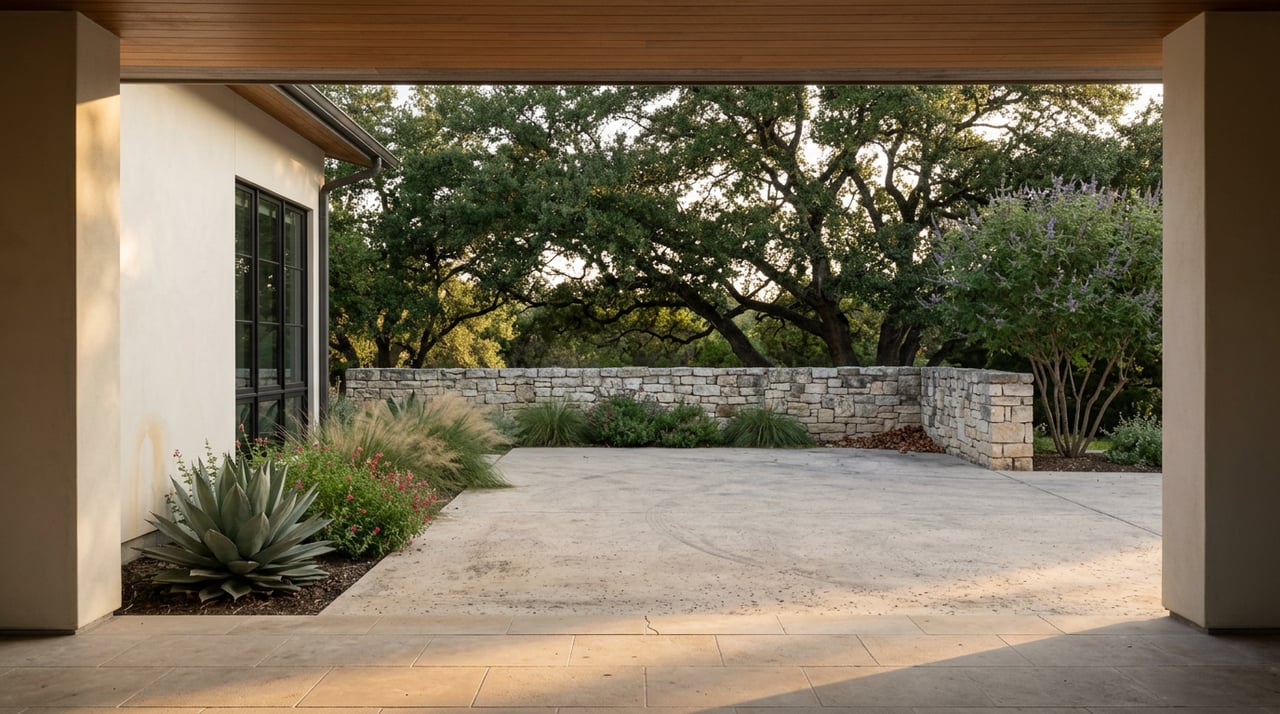
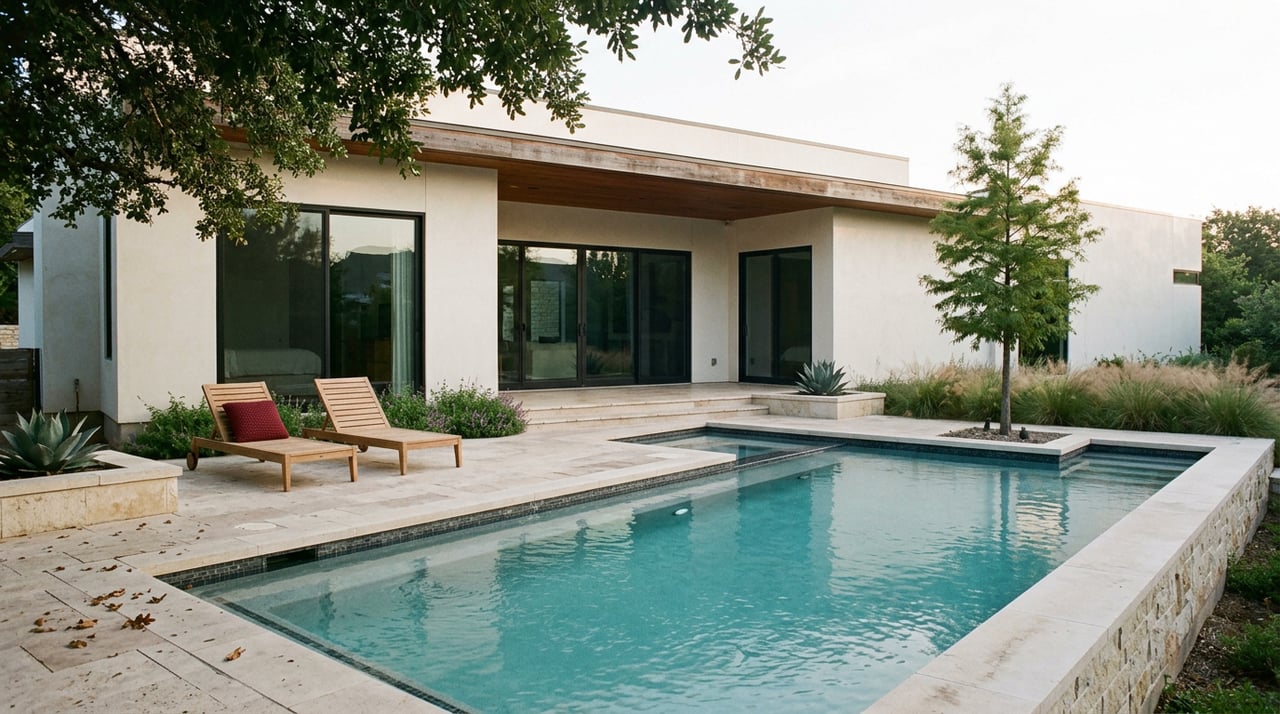
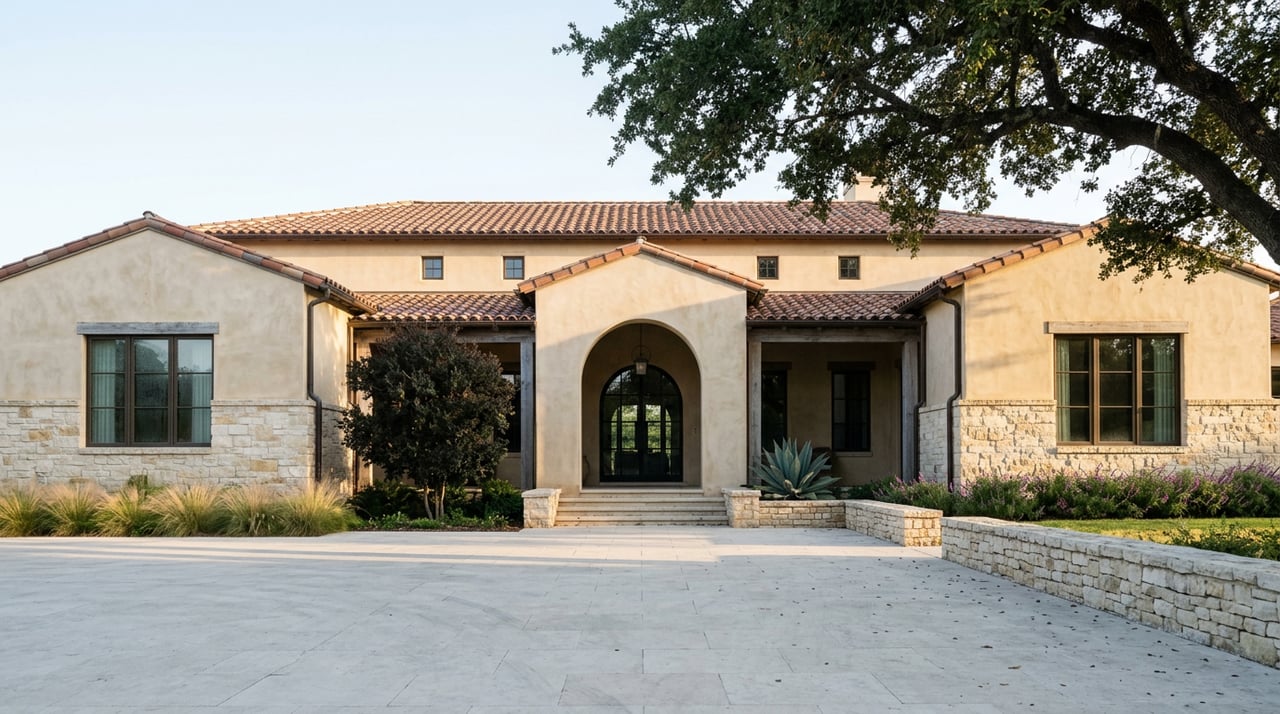
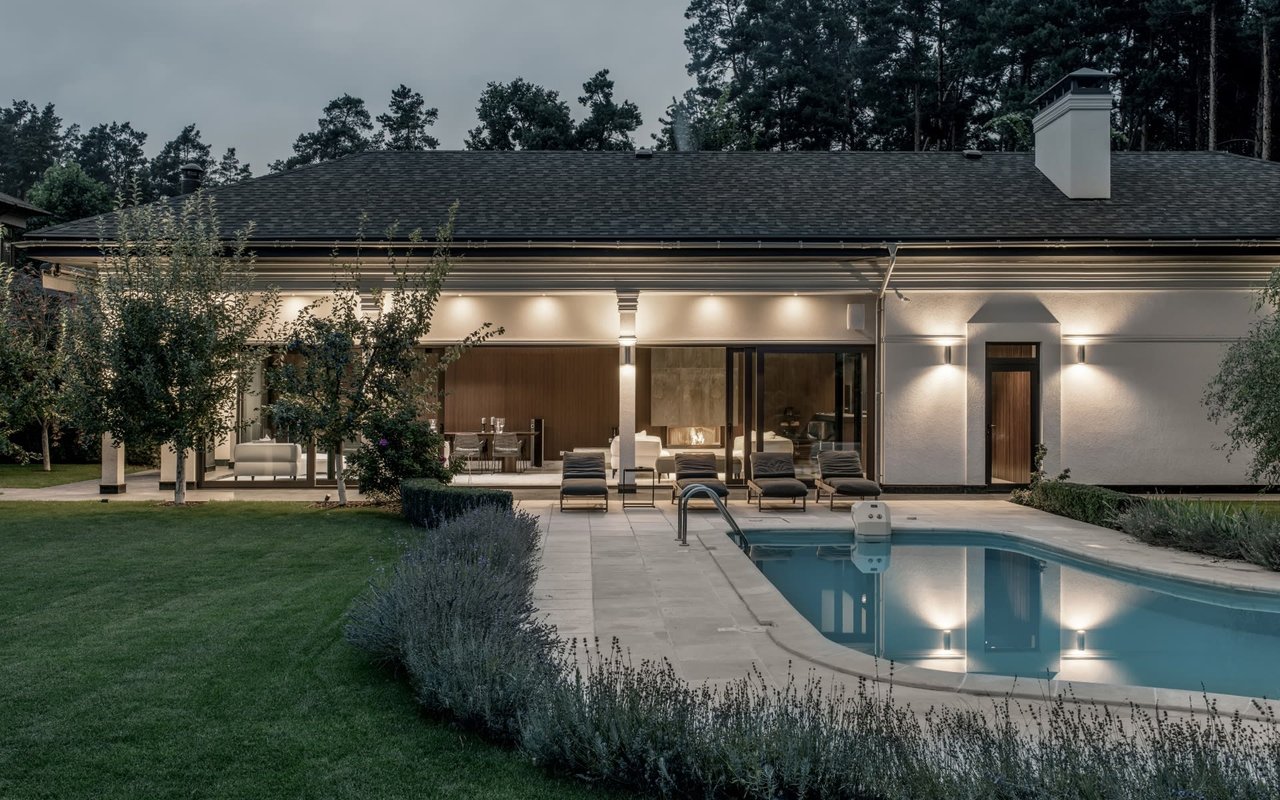
One of the biggest reasons buyers stay interested in Tarrytown is the variety of homes. The neighborhood includes historic older homes, estates, bungalows, and many properties that sit somewhere in between, based on the neighborhood association’s overview.
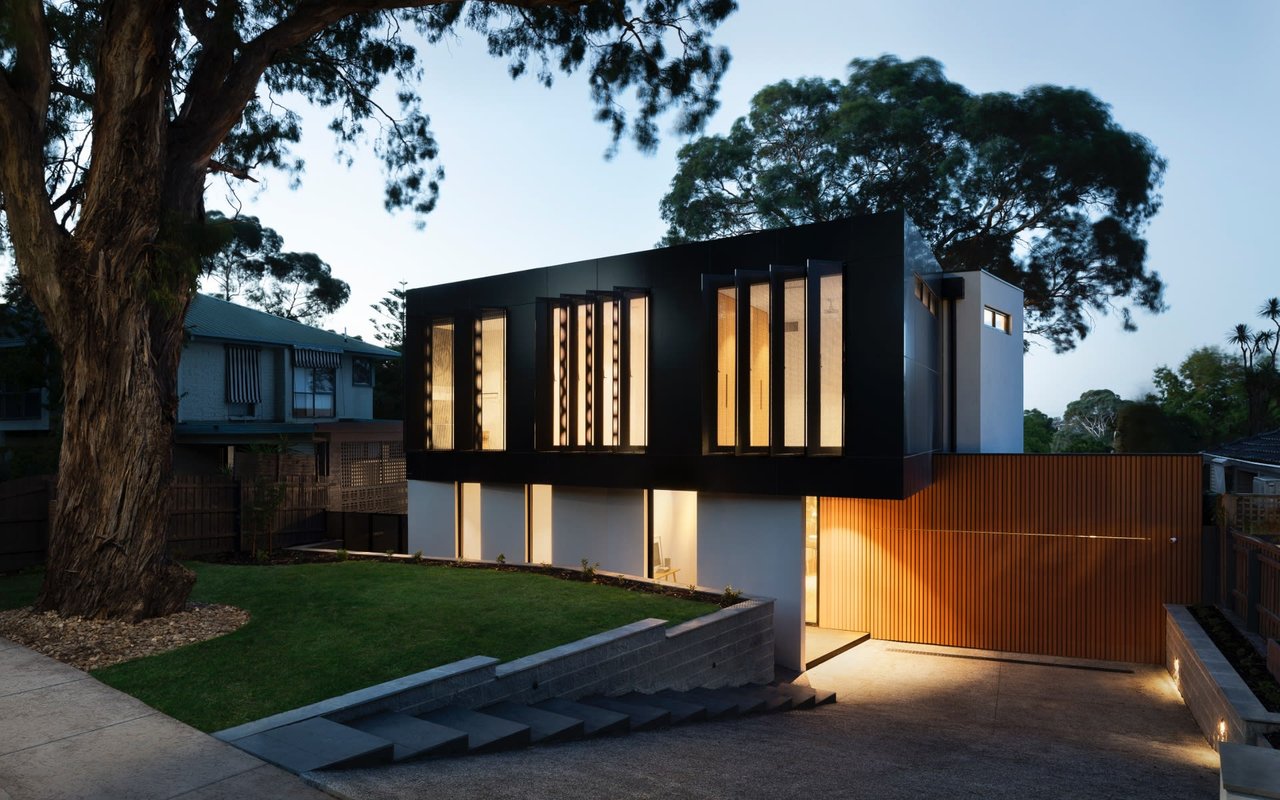
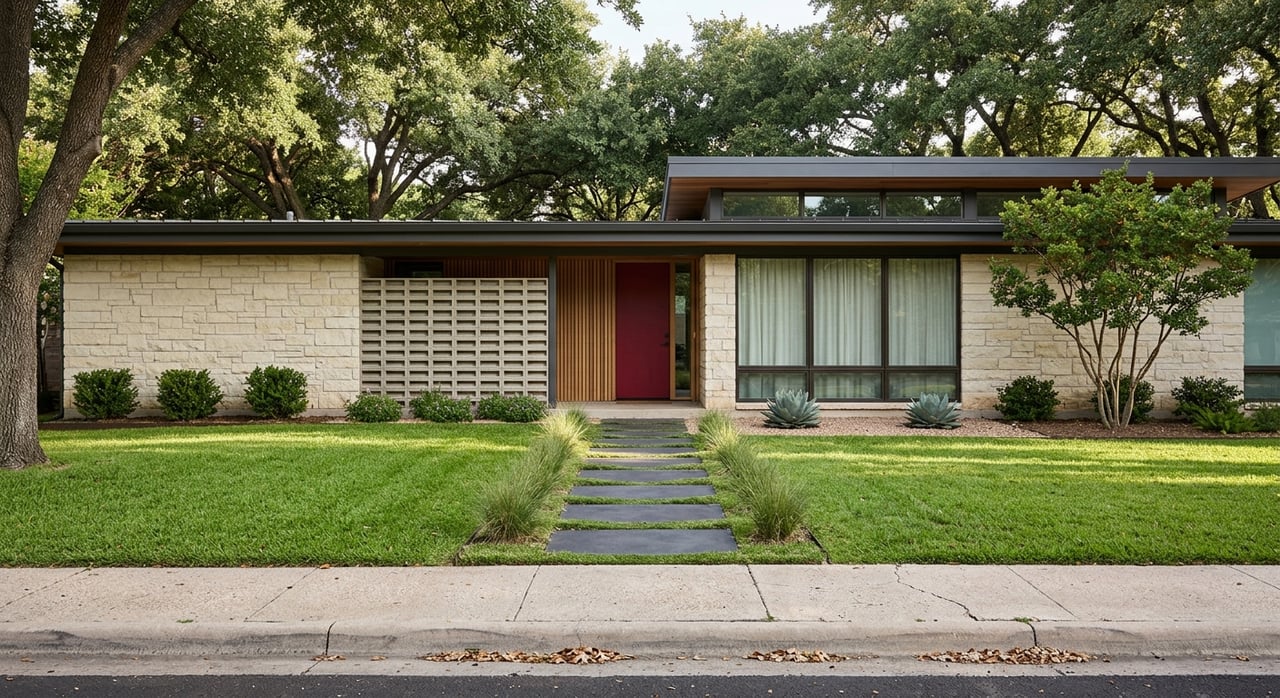
That mix gives the area visual depth. On one street, you may see an older home with traditional character, while nearby you find a ranch-era property, a thoughtful remodel, or a newly built custom residence. For buyers who want personality instead of a one-style subdivision feel, that variety can be a major advantage.
Older Homes and Newer Design
Tarrytown is a good example of how old Austin housing stock and newer architecture can coexist. The area supports preservation-minded updates as well as more contemporary design work, including projects highlighted by Architect Magazine that reimagined older homes for modern living.
That matters if you are comparing move-in-ready options with renovation potential. In Tarrytown, you can often find homes that reflect different eras of Austin design, which creates more paths depending on your budget, taste, and long-term plans.
Lot Sizes Often Add to the Appeal
In a central neighborhood, lot size can make a real difference. A city housing analysis from AIA Austin reports that Tarrytown’s median residential lot size is 9,344 square feet, compared with a citywide median of 7,976 square feet, based on the City of Austin document.
That does not mean every property is large, but it does support the broader impression many buyers have when they tour the area. Compared with denser urban-core neighborhoods, Tarrytown often feels more spacious, with room for larger yards, mature landscaping, and a more spread-out streetscape.
How the Street Pattern Changes
The same city analysis explains that older pre-1950 blocks often featured roughly 50-foot lots, smaller bungalow-style homes closer to the street, and side driveways with rear garages or alley access. Post-1950 blocks tended to include 65-foot-plus lots, larger ranch-style homes, and bigger front-yard setbacks.
That is useful when you are house hunting because Tarrytown does not read as one uniform housing product. Different sections and blocks may offer a different rhythm, scale, and lot layout, even within the same neighborhood.
Tree-Lined Streets Shape Daily Life
Tarrytown’s mature canopy is one of its most recognizable features. The Tarrytown Alliance highlights the area’s mature trees, well-tended lawns, and gardens, and those details play a major role in how the neighborhood feels.
For buyers, that translates into more than curb appeal. Tree cover can make streets feel calmer and more established, and it often contributes to the sense that Tarrytown has deep roots within Austin rather than feeling recently built out.
Lake Access Is a Real Lifestyle Feature
Tarrytown’s relationship to Lake Austin is a big part of its draw. Even if you are not shopping for a direct waterfront property, you can still benefit from nearby public access points and recreation.
The Austin Parks and Recreation directory identifies Walsh Boat Landing as a public concrete boat ramp on Lake Austin. That gives residents and visitors a practical way to get on the water without needing to live in a fully waterfront enclave.
Parks and Outdoor Spots Nearby
The area’s outdoor appeal goes beyond the boat ramp. The city’s park directory lists Tarrytown Neighborhood Park and Reed Neighborhood Park in the area, adding more options for casual recreation close to home.
Nearby destinations also expand the lifestyle picture. Mayfield Park & Preserve offers gardens, trails, and a classic old-Austin atmosphere, while Lions Municipal Golf Course remains one of the city’s long-standing public recreation assets. Laguna Gloria also adds a cultural layer nearby, combining art, landscape, and a Lake Austin setting.
What Walkability Looks Like Here
Tarrytown is best understood as neighborhood-walkable rather than urban-core walkable. That means you may be able to walk to some nearby amenities, parks, and local service spots, but the neighborhood is not defined by an every-errand-on-foot experience.
For many buyers, that balance works well. You get a quieter residential environment and convenient access to central Austin, with short bike rides or drives connecting you to downtown, UT, Lake Austin amenities, and nearby destinations.
What Buyers Should Know About Schools
If schools are part of your home search, address-level verification matters. Austin ISD states that assignments are determined by attendance areas and should be confirmed by address using the district’s attendance boundary resources.
Tarrytown is commonly associated with the Casis Elementary, O. Henry Middle, and Austin High pattern, but you should not assume a specific assignment based on neighborhood name alone. Before you write an offer, it is smart to verify the school path directly through AISD’s School Finder and current boundary information.
Who Tarrytown Often Fits Best
Tarrytown tends to attract buyers who want a close-in Austin location with established character. If you value architecture with variety, generally larger lots by central Austin standards, mature trees, and practical access to the lake and parks, the neighborhood checks many of those boxes.
It can also appeal if you want flexibility in your home search. Some buyers are looking for a classic property with original charm, while others want a remodeled residence or newer custom home in a highly established setting. Tarrytown offers enough range to support both approaches.
How to Evaluate Tarrytown as a Buyer
If you are seriously considering Tarrytown, focus on the details that vary most from block to block and property to property:
- Home style and era: Older homes, ranch-era properties, bungalows, and newer custom residences all exist here.
- Lot configuration: Lot size, setbacks, driveway placement, and garage access can differ meaningfully.
- Tree coverage: Mature trees are part of the appeal, but they also shape light, landscaping, and renovation plans.
- Lake access needs: Think about whether proximity to Walsh Boat Landing or nearby Lake Austin recreation matters to your lifestyle.
- School verification: Confirm attendance zones by address through AISD before making decisions.
A neighborhood with this much character usually rewards a more detailed, street-level review. The right fit often comes down to matching your priorities with the specific block, lot, and house rather than relying on a broad neighborhood label.
If you are thinking about buying or selling in Tarrytown, working with an advisor who understands Austin’s micro-markets can help you evaluate not just pricing, but also architecture, lot value, location nuance, and lifestyle fit. To plan your next move with a clear, process-driven strategy, connect with Meryl Hawk.
FAQs
What types of homes are common in Tarrytown, Austin?
- Tarrytown includes historic older homes, estates, bungalows, ranch-era houses, and newer custom or remodeled properties, according to the Tarrytown Alliance.
How large are lots in Tarrytown compared with Austin overall?
- A City of Austin housing analysis reports Tarrytown’s median residential lot size at 9,344 square feet, compared with a citywide median of 7,976 square feet.
How do residents access Lake Austin from Tarrytown?
- Buyers often look to nearby public access, especially Walsh Boat Landing, which the City of Austin lists as a public concrete boat ramp on Lake Austin.
Is Tarrytown a highly walkable Austin neighborhood?
- Tarrytown is better described as neighborhood-walkable, meaning you may walk to some nearby amenities and parks, but it is not a dense urban retail district.
How should buyers verify school assignments for a Tarrytown home?
- Austin ISD says school assignments should be confirmed by address through the district’s attendance boundary and School Finder resources before you rely on a presumed feeder pattern.