If you want classic Austin character without giving up access to trails, dining, and downtown, Travis Heights tends to get your attention fast. It feels established, close-in, and full of personality, but it also comes with real tradeoffs that buyers should understand before they fall for the charm. Here’s what it’s really like to live in Travis Heights, from the housing mix and outdoor access to daily mobility and price expectations. Let’s dive in.
Where Travis Heights Sits
When most buyers say Travis Heights, they are usually talking about the broader South River City area just south of Lady Bird Lake. According to Austin Transit Partnership’s 2025 neighborhood analysis, the area is bounded by Lady Bird Lake to the north, South Congress Avenue to the west, Oltorf Street to the south, and I-35 to the east.
That location is a big part of the appeal. You are close to downtown Austin, directly adjacent to South Congress, and near one of the city’s most used trail systems, while still being in a neighborhood that is largely residential.
A Neighborhood With Layers
One of the most important things to understand is that Travis Heights is not a uniform neighborhood. The area grew over time, and the Travis Heights-Fairview Park National Register district connects three adjoining historic subdivisions: Swisher’s Addition, Fairview Park, and Travis Heights.
In practical terms, that means you will see variation from block to block. Some streets reflect older core development, some have more modest homes on smaller parcels, and others include later infill that changes the feel of the streetscape.
Fairview Park, for example, began with larger lots and more picturesque siting. Later development introduced smaller lots and more modest house forms, which helps explain why the neighborhood can feel both cohesive and varied at the same time.
What the Homes Look Like
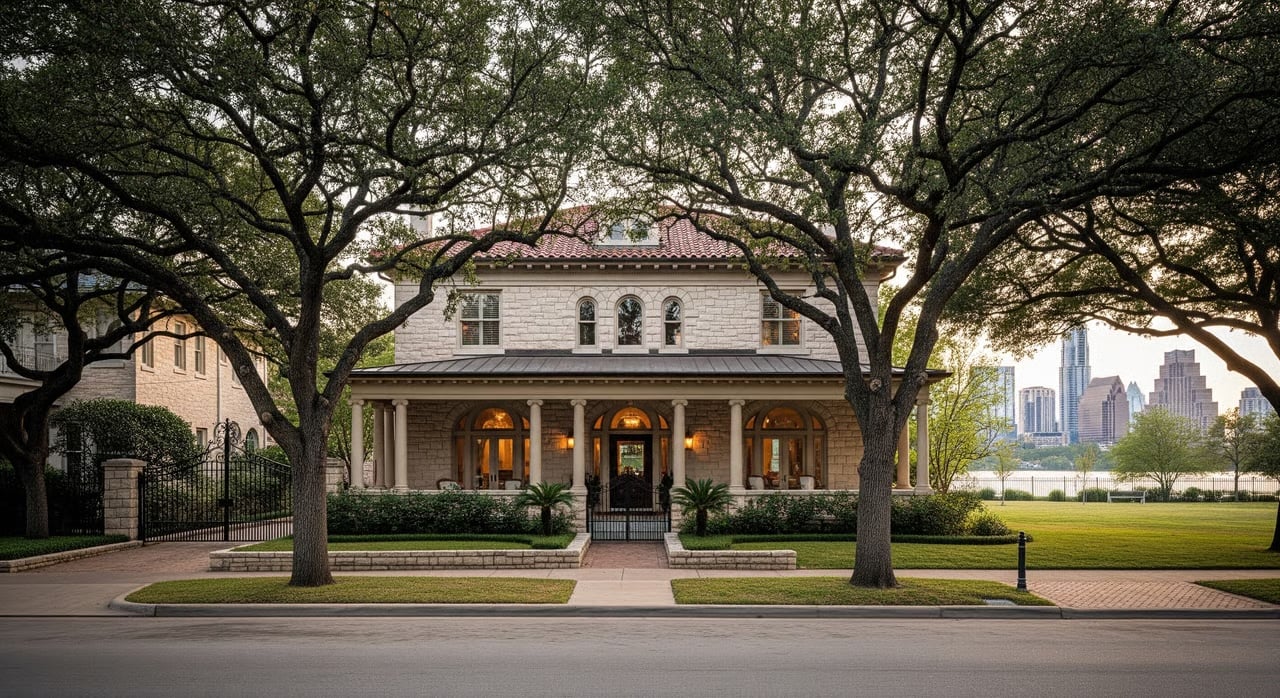
If you are hoping for architectural personality, Travis Heights usually delivers. The historic district nomination identifies Craftsman as the largest architectural classification in the district, with many homes dating from the mid-1910s through the 1930s.
You will also find strong representation from Period Revival styles that became prominent in the 1920s and 1930s. Tudor Revival is especially common, along with Colonial Revival and Spanish Revival, plus smaller numbers of Mission Revival, Italian Renaissance, Pueblo Revival, French Eclectic, and Moorish Revival homes.
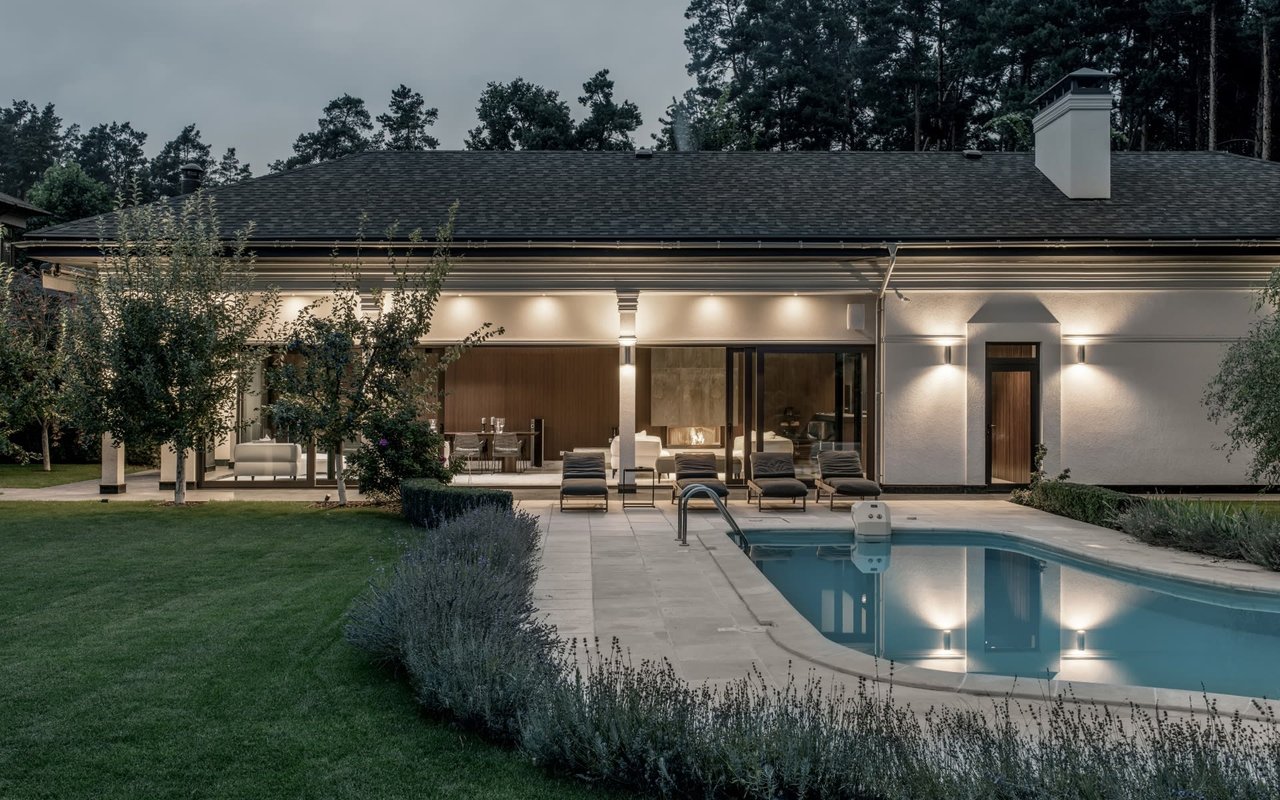
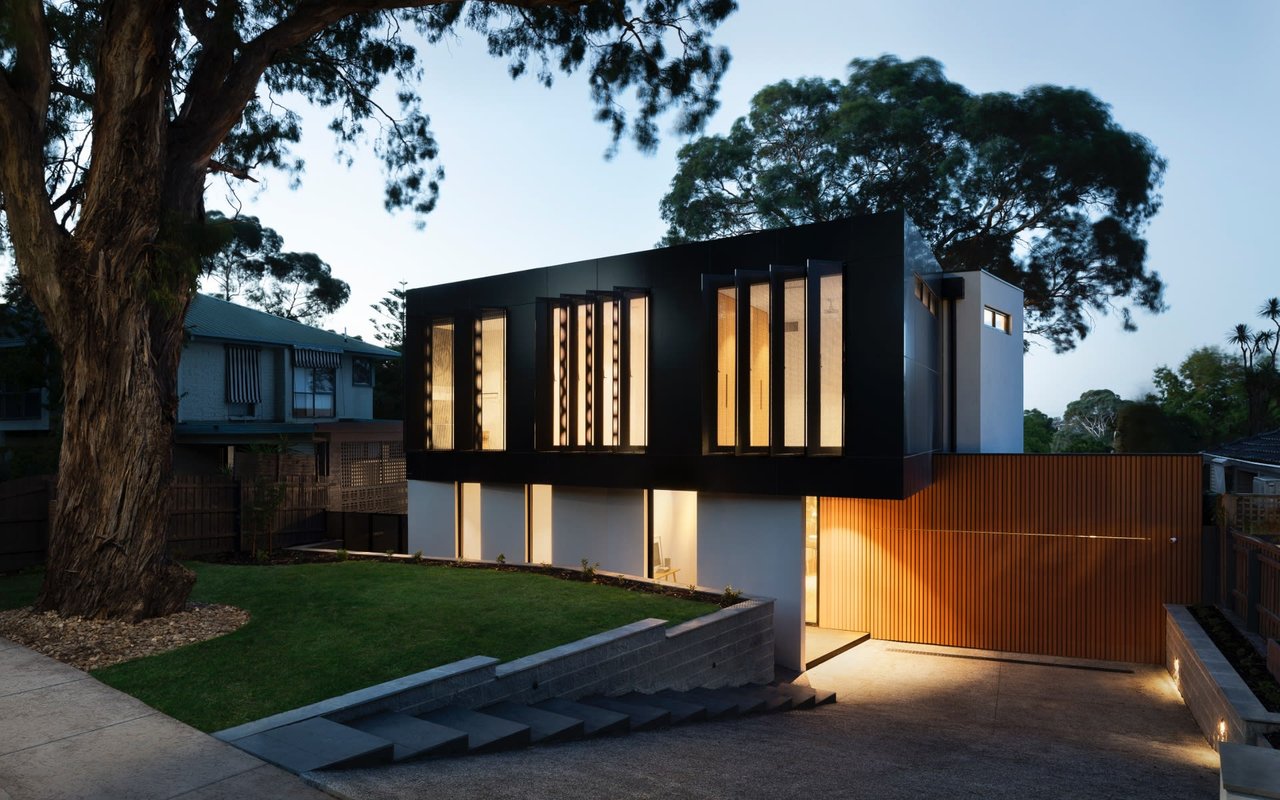
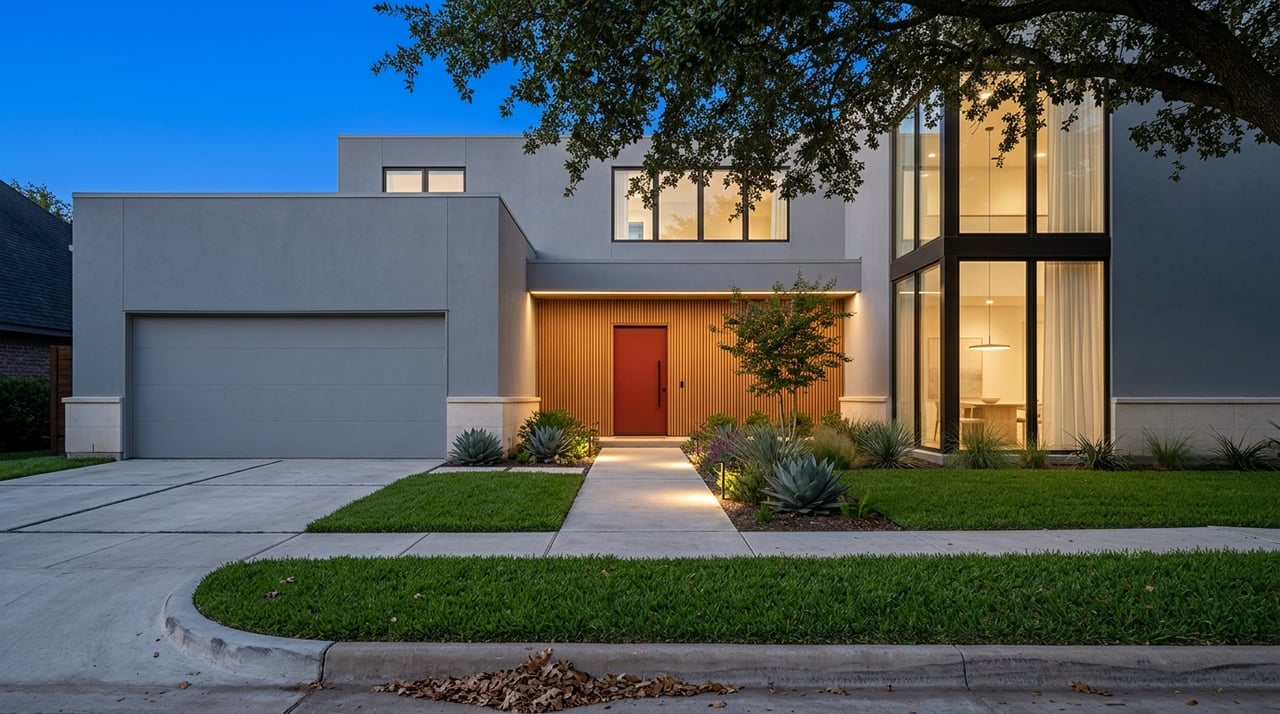
For today’s buyer, the takeaway is simple: this is typically a mix of older bungalows and cottages, revival-style homes, and newer infill. You are not shopping a neighborhood with one standard floor plan or one predictable look.
Character Comes With Considerations
Older homes often bring details that buyers love, but they can also bring added planning. In Travis Heights, some properties fall under historic review.
Austin’s Historic Preservation Office notes that historic landmarks and contributing properties in historic districts require a historic review application. The city’s Certificate of Appropriateness guidance also says exterior changes to a contributing structure generally require approval before permits are issued.
If you are considering a remodel, addition, or major exterior change, that matters. It does not mean improvements are off the table, but it can mean a longer process and more upfront due diligence before you buy.
Outdoor Access Is a Daily Perk
A big part of life in Travis Heights is how easy it is to spend time outside. Rather than relying on one giant park, the neighborhood benefits from a compact network of green spaces and trails.
Austin Parks and Recreation lists Big Stacy Neighborhood Park, Little Stacy Neighborhood Park, Blunn Creek Greenbelt, and Blunn Creek Nature Preserve in or immediately adjacent to the area. Blunn Creek also runs through the center of Big Stacy Park and Little Stacy Park before emptying into Lady Bird Lake.
That gives the neighborhood a greener, more tucked-in feel than some buyers expect from such a central location. Depending on where you live, it can be easy to build a walk, run, or casual outdoor routine into your day.
Blunn Creek Nature Preserve
Blunn Creek Nature Preserve offers about 1 mile of trail, along with rolling hills, creek crossings, and a volcanic scenic overlook. The city describes it as a mulched hiking trail area near St. Edward’s University, and notes that restoration work can occasionally create detours.
Nearby, the Blunn Creek Greenbelt is listed as a shared-use trail with partial ADA accessibility. For buyers who want nature access without leaving central Austin, that is a meaningful lifestyle benefit.
Access to Lady Bird Lake
The largest regional outdoor draw is the Ann and Roy Butler Hike-and-Bike Trail at Lady Bird Lake. Austin Parks and Recreation says the trail spans 10 miles, sees more than 2.6 million visits a year, and serves as an alternative transportation route through the urban core.
That access shapes everyday life in Travis Heights. You are not just near a scenic trail. You are near an active route that many Austinites use for exercise, recreation, and getting around the city.
South Congress Is Part of the Lifestyle
South Congress plays a major role in what living here feels like. The City of Austin describes the South Congress Business District, stretching from Live Oak to Riverside Drive, as a destination known for shopping, dining, live music, and people-watching.
Because South Congress forms the western boundary of the area, Travis Heights gives you immediate access to that corridor without placing every home directly on the commercial strip. For many buyers, that balance is a major selling point.
You can enjoy the energy of South Congress while still returning to streets that feel more residential. That mix of activity and separation is one reason the neighborhood continues to attract strong interest.
Getting Around Day to Day
Travis Heights works well for people who value proximity, but daily movement here is shaped by both convenience and terrain. Austin Transit Partnership reports that South River City has 39 miles of sidewalk, 8 miles of bike lanes, 4 miles of urban trail, and 19 CapMetro bus stops.
At the same time, the area is described as very hilly, and heavier car traffic tends to concentrate on major corridors like South Congress Avenue, Oltorf Street, and I-35. So while the neighborhood offers a lot of ways to get around, your exact experience will depend on your street, your route, and how comfortable you are with hills.
Transit Options
Transit is a real part of the mobility picture here. CapMetro’s Rapid Route 801 runs along North Lamar and South Congress and connects Tech Ridge to Southpark Meadows by way of UT and downtown.
For residents who want a high-frequency bus option into central Austin, that is a useful feature. Even if you still drive most days, having transit nearby can expand your options.
What Buyers Should Expect on Price
Travis Heights sits in Austin’s premium central-south market, and the pricing reflects that. Recent reported median sale prices vary by source and time window, with Redfin at $926,000 last month, Orchard at $907,900 over the last 30 days, and an MLS-based market page from Neuhaus Realty Group at $972,340 over 12 months.
Taken together, those figures suggest a neighborhood market around the upper-$900,000s, with some month-to-month movement depending on sample size and method. In other words, this is not an entry-level central Austin neighborhood for most buyers.
Active inventory also spans a wide range. Redfin reports 56 homes for sale in Travis Heights, with active examples on its neighborhood page ranging from about $995,000 to $2.985 million.
That wide spread matches what you see on the ground. Smaller updated homes and older cottages can still show up around the high-$900,000s and low-$1 millions, while larger renovated historic homes and newer custom properties often move into the mid-$1 millions and beyond.
Who Travis Heights Fits Best
Travis Heights tends to appeal most to buyers who want a close-in Austin lifestyle with strong neighborhood identity. If you value trail access, quick proximity to South Congress, and a housing stock with real architectural variety, this area can check a lot of boxes.
It can be especially compelling if you prefer established streets and homes with character over newer master-planned predictability. Buyers who want central-south Austin and are open to older-home ownership often see the value here quickly.
The Tradeoffs To Know Up Front
No neighborhood is perfect for everyone, and Travis Heights is no exception. Older-home maintenance is a real consideration, especially if you are buying a property that has not been fully updated.
Historic review can also affect renovation timelines on some homes. And while the close-in location is a major benefit, it also means more corridor traffic than you would typically see in farther-out suburban areas.
The key is going in with clear expectations. If you understand the age of the housing stock, possible review requirements, and the rhythm of nearby commercial corridors, you are much more likely to know whether the lifestyle is the right fit.
The Bottom Line
Living in Travis Heights means trading sameness for character and convenience. You get a layered neighborhood with early 20th-century roots, meaningful park and trail access, immediate proximity to South Congress, and a residential setting that still feels tied to the energy of central Austin.
For the right buyer, that combination is hard to replicate. If you want help evaluating whether Travis Heights fits your goals, price range, and day-to-day lifestyle, Meryl Hawk can help you navigate the options with a clear, process-driven approach.
FAQs
What is Travis Heights in Austin?
- Travis Heights is the name many buyers use for the broader South River City area south of Lady Bird Lake, generally bounded by Lady Bird Lake, South Congress Avenue, Oltorf Street, and I-35.
What types of homes are in Travis Heights?
- Travis Heights typically includes older bungalows and cottages, Craftsman homes, Period Revival styles such as Tudor Revival and Colonial Revival, and newer infill homes.
Are there historic restrictions in Travis Heights?
- Some properties may be subject to historic review, and exterior changes to contributing structures in historic districts generally require city approval before permits are issued.
What parks and trails are near Travis Heights?
- The area includes or borders Big Stacy Neighborhood Park, Little Stacy Neighborhood Park, Blunn Creek Greenbelt, Blunn Creek Nature Preserve, and easy access to the Ann and Roy Butler Hike-and-Bike Trail at Lady Bird Lake.
Is Travis Heights close to South Congress?
- Yes. South Congress forms the western boundary of the broader South River City area, giving many Travis Heights residents quick access to shopping, dining, live music, and other daily amenities.
What is the price range for homes in Travis Heights?
- Recent market data suggests a median sale price around the upper-$900,000s, with active listings ranging from roughly $995,000 to nearly $3 million depending on size, condition, and location.
Is Travis Heights good for commuting?
- Travis Heights offers proximity to downtown, sidewalks, bike lanes, urban trails, bus stops, and access to CapMetro Rapid Route 801, but daily travel can also be affected by hills and heavier traffic on major corridors.