Introduction: Why Lost Creek Deserves Your Attention in 2026
If you've spent any time researching West Austin real estate, you've probably noticed that Lost Creek keeps showing up — quietly, without a lot of fanfare, but persistently. And honestly, that's kind of the point. This isn't a neighborhood that sells itself through Instagram reels or glossy billboards. It sells itself the moment you drive through it for the first time and realize you've stumbled onto something genuinely special. Lost Creek is a private oasis located near the bustling city of Austin that, despite its proximity to restaurants, shopping, and employment opportunities, manages to maintain a laid-back atmosphere with the small-town charm that many homebuyers desire. In 2026, that combination of accessibility and tranquility is rarer than ever, which is exactly why savvy buyers are looking here with fresh urgency.
The market has shifted meaningfully since the peak frenzy of 2021 and 2022, and Lost Creek has not been immune to broader corrections. But corrections, as any experienced investor will tell you, create opportunity. What you're getting in Lost Creek right now is access to one of Austin's most established, most naturally beautiful, and most educationally prestigious zip codes — at price points that would have been unthinkable three years ago. Think about it this way: you're essentially buying a Mercedes at a Buick price, because the broader luxury market took a step back. That dynamic won't last forever, and the buyers who recognize it in 2026 will likely look very smart by 2028.
A Quick History of Lost Creek Austin
Origins and Development Timeline
The Lost Creek neighborhood is a 1,244-home subdivision at the intersection of Capital of Texas Highway and Lost Creek Boulevard, just south of Bee Caves Road and adjacent to the coveted Barton Creek and Barton Creek Greenbelt. The first homes were built in 1975 in Section 01 toward the end of the boulevard, with building continuing through the 1970s, 1980s, and 1990s. This timeline matters enormously for buyers today, because it tells you a lot about what you'll find when you start touring properties. You're not looking at cookie-cutter tract houses slapped up by a single builder over two years. You're looking at five decades of custom homebuilding, which means extraordinary variety — in style, condition, lot configuration, and pricing. Since there were many different builders involved in constructing custom homes in the neighborhood, the styles of homes vary considerably from each other. That diversity is a feature, not a bug. Every home in Lost Creek has its own personality, and that's what separates it from the sea of identical subdivision housing that dominates so much of the Austin metro.
How Lost Creek Became Part of the City of Austin
For most of its life, Lost Creek operated as an island of sorts — geographically inside Austin's sphere of influence, but administratively separate. Lost Creek and its approximately 1,200 homes were in a Municipal Utility District (MUD), but at the end of 2015 it became a part of the City of Austin. That transition had real-world consequences for property owners: city services, permitting processes, and utility structures all changed. For buyers considering Lost Creek today, this history is worth understanding because it explains some of the neighborhood's quirky infrastructure characteristics — the winding roads that were never designed for municipal traffic, the organic street layouts that predate city planning mandates, and the patchwork of voluntary HOA sections rather than a single governing body. Lost Creek has no mandatory HOA across the full neighborhood, though some sections have voluntary associations. If you're the kind of buyer who wants freedom from strict deed restrictions, that's actually a significant perk.
The Lost Creek Landscape: What Makes It Unique
Topography, Tree Canopy, and Hill Country Views
Pull up a satellite image of Lost Creek and the first thing you notice is green. Everywhere. The neighborhood sprawls across approximately 775 acres of West Austin hillside, and virtually every square foot of it is draped in mature live oak, cedar, and Texas hardwood. Lost Creek is characterized by its picturesque landscape. The neighborhood's rolling hills and knolls offer stunning views of the Texas Hill Country and sometimes even downtown Austin. The streets are lined with mature trees, creating a peaceful, shaded environment. That tree canopy isn't just pretty — it's a functional asset. It keeps homes cooler in Austin's brutal summers, provides privacy between neighbors, and creates the kind of visual identity that you simply can't manufacture in a new development. You can build a house anywhere, but you can't plant a 50-year-old live oak tree.
Proximity to Nature and Green Spaces
Lost Creek residents are close to Barton Creek Greenbelt, which is one of the gems in Austin. It provides 22 acres of hiking trails and a natural swimming hole. Boulder Park is another green space where residents can enjoy outdoor activities. The neighborhood is also named for a section of Barton Creek that marks its southern border, which means residents don't just live near nature — they live in it. While it's common to see residents out walking or jogging through the neighborhood, Lost Creek is also bordered by the Barton Creek Greenbelt. For anyone who values outdoor recreation, this geographic positioning is genuinely hard to replicate anywhere else in Travis County at comparable price points. You're literally steps away from some of the best trail running, rock climbing, and swimming that Austin has to offer.
Lost Creek Home Prices in 2026
Current Median Sale Price and Market Trends
Here's where things get interesting for buyers in 2026. The market has clearly corrected from its pandemic-era highs, and Lost Creek has seen price adjustments that create genuine entry points for well-qualified buyers. The median sale price for homes in Lost Creek, Austin over the last 12 months is $1,100,000, down 20% from the median home sale price over the previous 12 months. That's a substantial pullback by any measure. But context matters here: a 20% reduction from a pandemic peak still leaves you in premium territory, because the underlying assets — the land, the school district, the location — haven't changed at all. Homes range from $800K to $2.5M+ as of spring 2026, which means there's genuine range within the neighborhood for buyers at multiple budget levels. The entry point around $800K to $1M puts Eanes ISD access within reach of buyers who would otherwise be priced out entirely in Westlake Hills.
Price Per Square Foot Breakdown
The median home price in the neighborhood is around $1.7 million, and buyers should expect to pay an average of $546 per square foot. That per-square-foot figure is critical context for understanding value. When you compare Lost Creek's $546/sqft to brand-new construction in comparable Austin-area suburbs — where you might pay $400-450/sqft for a home without the established landscape, mature trees, or Eanes ISD access — you begin to understand why Lost Creek loyalists argue the neighborhood remains undervalued relative to what it actually offers. The premium you're paying per square foot is buying you something you genuinely cannot replicate: a 50-year-old neighborhood that has already proven itself.
How Lost Creek Compares to Neighboring Areas
To really understand Lost Creek's value proposition in 2026, you need to hold it up against its neighbors. Home prices in the broader Lost Creek area typically range from $1.2M to $5M+, featuring Mediterranean-inspired estates, elegant traditional homes, and architecturally significant custom builds. Westlake Hills, just to the north, routinely commands $2M-$4M for comparable square footage. Barton Creek, adjacent to the east, skews even higher on the luxury end. Lost Creek sits in a sweet spot: it shares the same school district, the same natural setting, and many of the same lifestyle amenities, but it typically comes in at a meaningful discount. It would be rare to find a home here for less than $1 million, says Realtor Nick Podrebarac, but that floor is considerably lower than what comparable buyers are paying just one neighborhood over. For the budget-conscious luxury buyer — and yes, that is a real category — Lost Creek is the obvious answer.
| Price Range | Home Type | Typical Features |
|---|---|---|
| $800K – $1.1M | Older ranch or townhome | 2,000–2,500 sqft, original or partial renovation |
| $1.1M – $1.8M | Updated traditional or contemporary | 2,500–3,500 sqft, remodeled kitchen/baths |
| $1.8M – $3M | Custom or fully renovated | 3,500–5,000 sqft, hilltop views, premium finishes |
| $3M+ | Estate-level properties | 5,000–8,000+ sqft, Barton Creek Blvd corridor |
Lot Sizes in Lost Creek: What You're Really Buying
Average Lot Dimensions Across the Neighborhood
One of the most consistent things buyers say after falling in love with Lost Creek is this: "I had no idea the lots were this big." Compared to the postage-stamp parcels you find in many Austin suburban neighborhoods today, Lost Creek's land is almost shockingly generous. Most Lost Creek homes were built between 1975 and 1995, with lot sizes averaging 0.25 to 0.5 acres under heavy tree canopy. That quarter-to-half-acre range is meaningful in practice: it's the difference between a backyard where you can actually live versus a strip of grass you mow on a Saturday. On a 0.4-acre lot in Lost Creek, you have room for a pool, a swing set, a dog run, raised garden beds, and still have mature oak trees shading the whole thing. It's a genuinely different quality of life than what the numbers might suggest at first glance.
Variety Within the Lots: Flat, Cliffside, and Greenbelt
The lots in Lost Creek are equally diverse. Some lots have views, some are on greenbelts, some have flat backyards, and some are built on cliffs. This variation creates very different living experiences within the same neighborhood, and it also creates very different pricing dynamics. A flat lot on a quiet cul-de-sac is ideal for families with young kids — easy for bikes, basketball goals, and impromptu neighborhood games. A cliffside lot perched above the 16th hole of the Westlake Country Club is an entirely different proposition: dramatic views, architectural drama, and a price tag to match. Greenbelt lots along Barton Creek's edge offer direct trail access and natural privacy screens, but they can also come with flood plain considerations that buyers need to understand before they fall too deep in love. The homes in Lost Creek are set at varying elevations, with some located on hilltops offering panoramic views, and others nestled into the hillside or slightly below street level. This natural variety adds unique character to the neighborhood.
Top Streets in Lost Creek You Need to Know
Lost Creek Boulevard
Lost Creek Boulevard is the neighborhood's main artery, and any serious buyer needs to know it well. It runs the full length of the community from Loop 360 inward, and the homes along it range from entry-level condos to substantial single-family residences. Active listings on Lost Creek Boulevard include properties like a 3-bed, 3-bath, 2,595 square foot home listed at $1,200,000. The boulevard itself is wide and well-shaded, making it one of the more walkable stretches in the neighborhood. The street's visibility and central position also mean it tends to hold value well even when the broader market softens — buyers who want a "safe" entry point in Lost Creek often gravitate here.
Barton Creek Boulevard
If Lost Creek Boulevard is the neighborhood's spine, Barton Creek Boulevard is its crown jewel. This is where the largest, most dramatic estates live — the properties that put Lost Creek on the map for high-net-worth relocators and tech executives alike. Homes on Barton Creek Boulevard include properties like a 6-bedroom, 8-bath, 8,772 square foot estate listed at $5,900,000. That's not a typo. Nearly 8,800 square feet of curated luxury, perched above one of Austin's finest country club golf courses, with Hill Country views that genuinely take your breath away. The corridor along Barton Creek Boulevard represents Lost Creek at its most ambitious: these are not homes, they're estates, and they command estate-level expectations from buyers and sellers alike.
Cypress Point and Cypress Point East
The Cypress Point corridor is where the neighborhood's mid-tier luxury market really shines. Listings along Cypress Point East include a 5-bedroom, 7-bath, 5,504 square foot home listed at $3,950,000, while North Cypress Point features a 3-bed, 3-bath, 2,014 square foot property at $1,199,000. That spread — from just under $1.2M to nearly $4M — tells you everything you need to know about how much variety lives within a single street cluster. The Cypress Point properties tend to sit on larger lots with more dramatic topography, making them particularly popular with buyers who want the hill country aesthetic at scale. One home on Cypress Point East is described as being located in the prestigious Westlake 78746 ZIP code, zoned to the highly acclaimed Eanes ISD ranked number one in Texas.
Olympic Overlook Drive and Ben Crenshaw Way
For buyers who want value without sacrificing location, Olympic Overlook Drive and Ben Crenshaw Way are two streets worth circling on your map immediately. Olympic Overlook Drive features a 4-bedroom, 3-bath, 2,582 square foot home listed at $1,150,000, which represents a competitive per-square-foot figure for Eanes ISD access. Ben Crenshaw Way (named, presumably, as a nod to the area's golf culture) features updated two-story homes like 1523 Ben Crenshaw Way, offering 2,343 square feet with 4 bedrooms and 2.5 bathrooms. These streets tend to attract the family buyer who has done their research, knows exactly what they want out of Lost Creek, and has no interest in overpaying for a name-recognition address when a quieter street offers the same schools and the same lifestyle at a better value.
Home Sizes, Styles, and Architecture
Square Footage Ranges and Bedroom Counts
The size of homes in Lost Creek ranges from 1,700 square feet to 6,000 square feet, with a couple reaching in excess of 8,000 square feet. The largest and most expensive properties are in the Estates Above Lost Creek neighborhood. The most common buyer in Lost Creek is typically shopping in the 2,500 to 3,800 square foot range — large enough for a growing family with dedicated office space (a non-negotiable post-pandemic requirement for most), but not so large that maintenance becomes a lifestyle unto itself. The homes in Lost Creek typically range in size from 2,000 to over 4,000 square feet, appealing to families and professionals alike. Three-to-five bedroom configurations dominate the inventory, which aligns perfectly with the neighborhood's primary demographic: dual-income professional families with school-aged children who have made the deliberate decision to prioritize school quality and outdoor space over urban proximity.
Architectural Diversity: Ranch, Tudor, Mid-Century, and Custom Builds
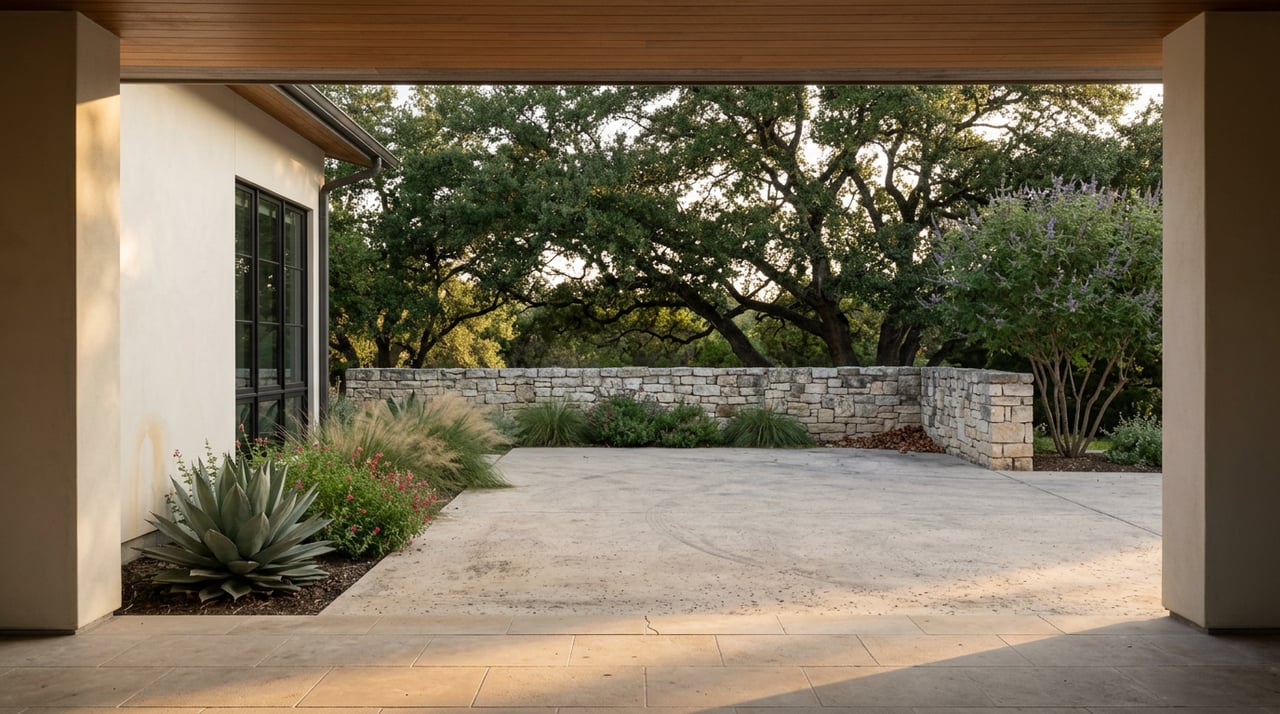
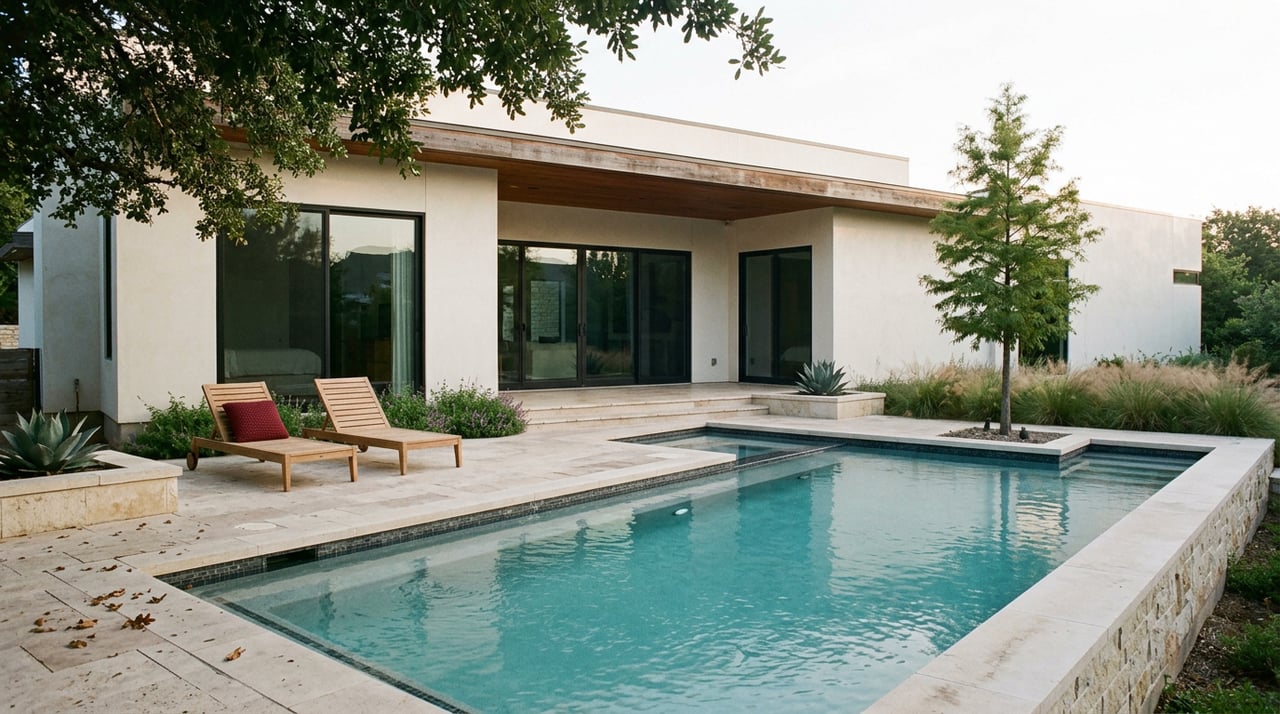
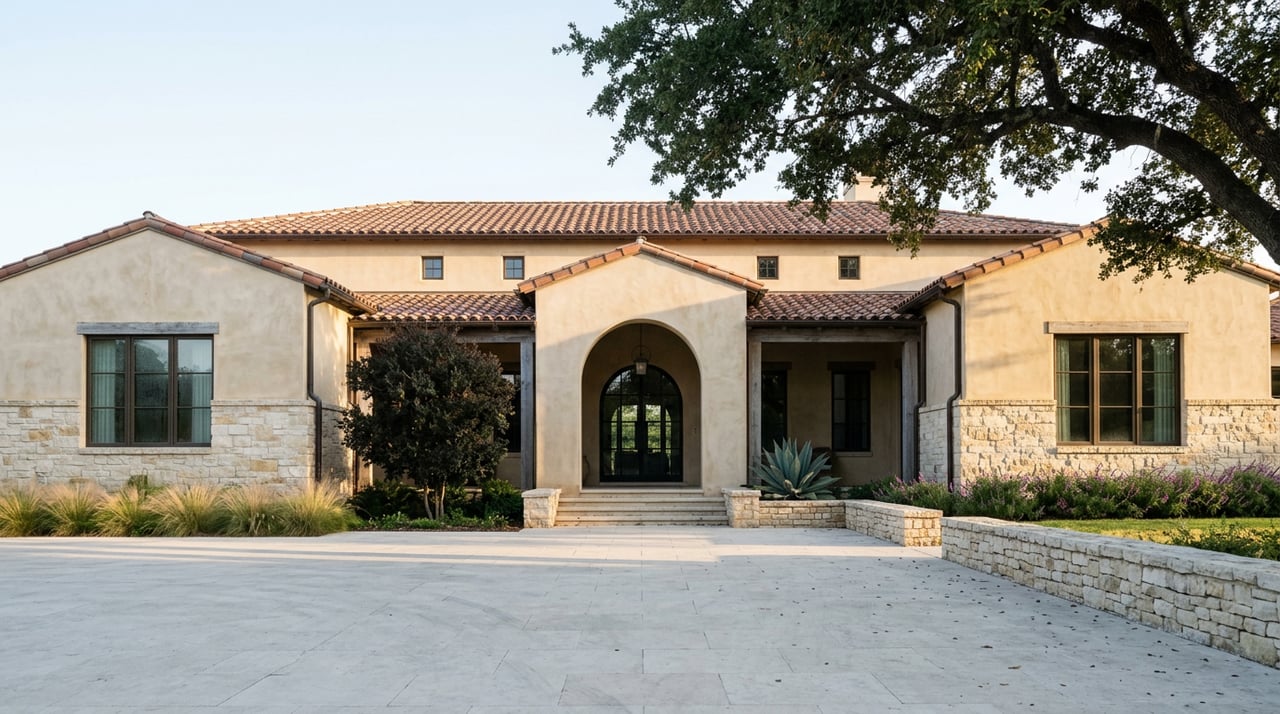
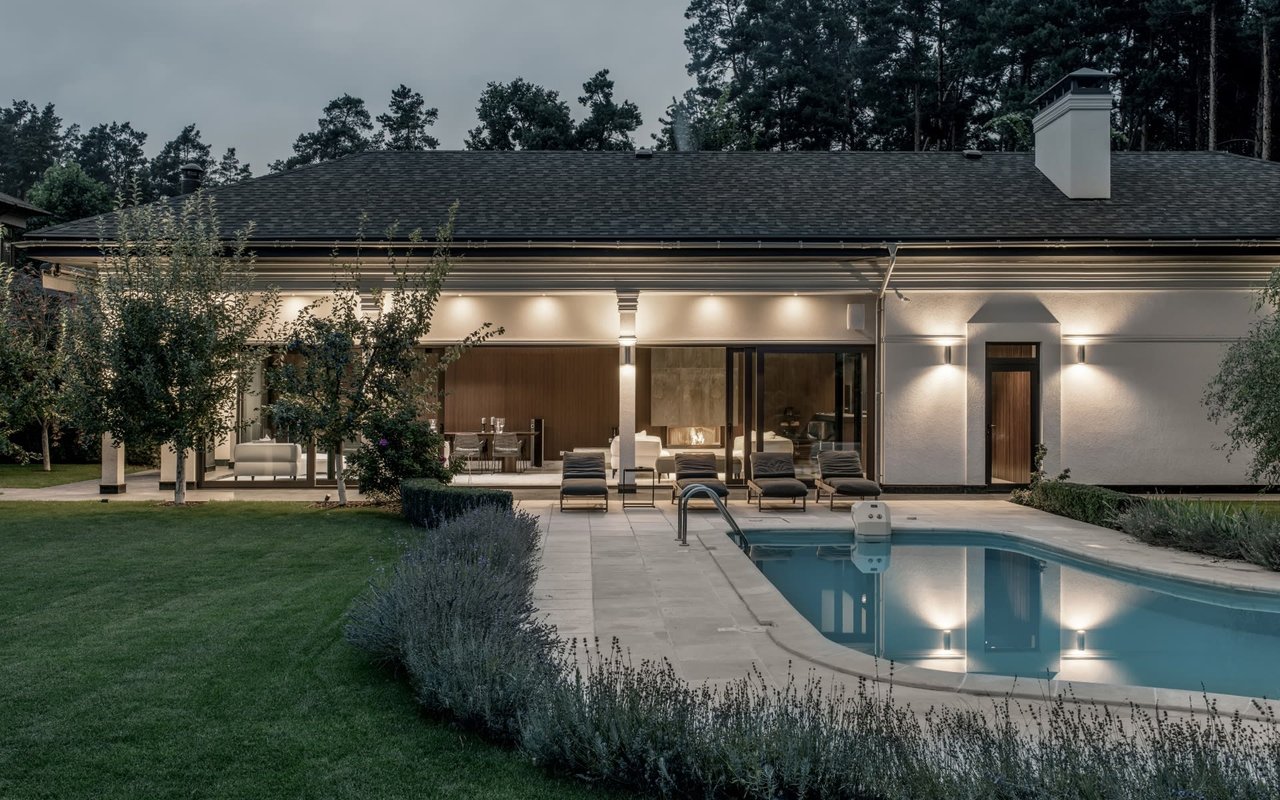
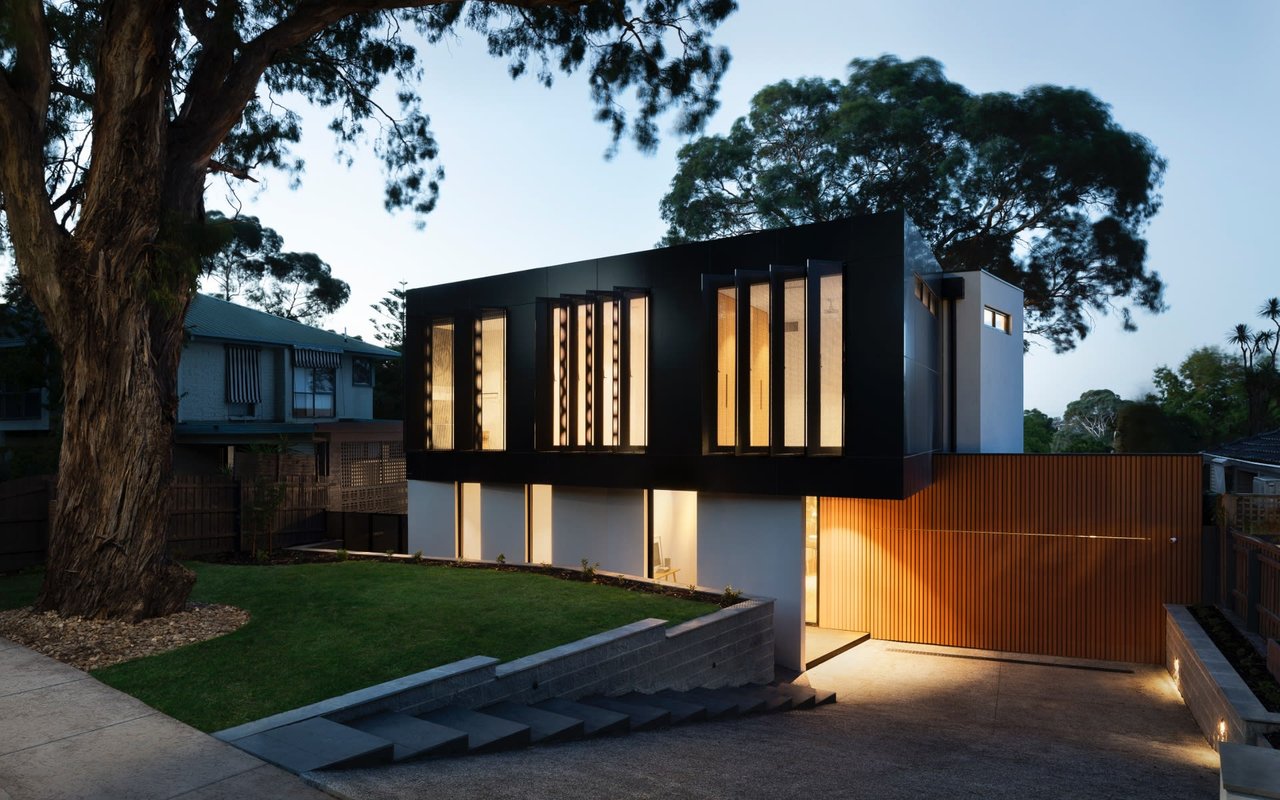
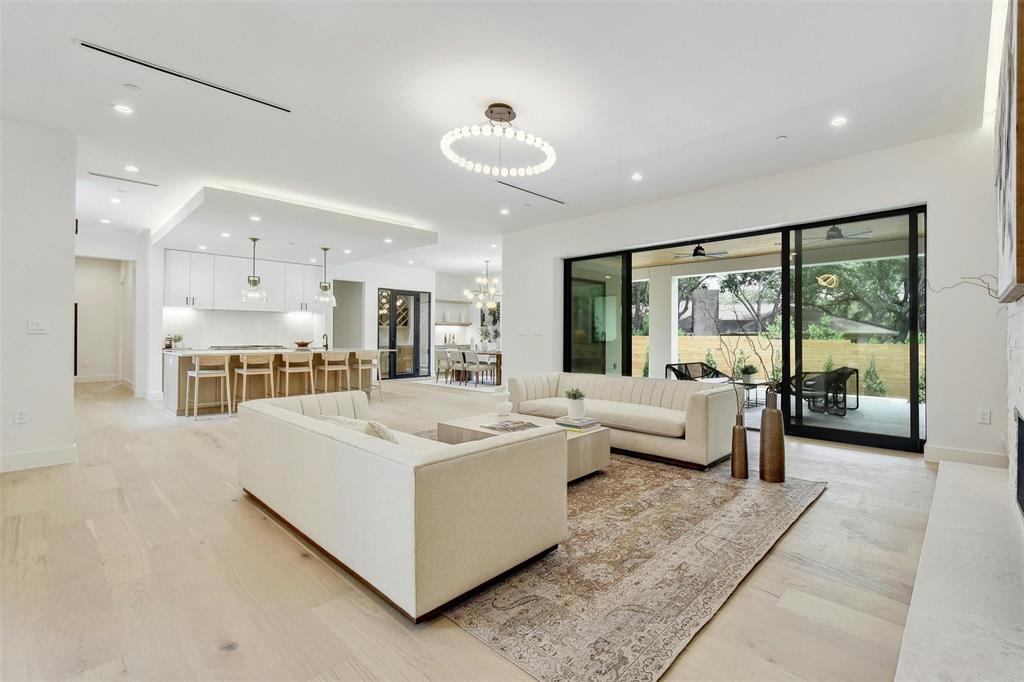
Homes in Lost Creek tend to reflect the upscale nature of the surroundings, and each house in the area has its own distinct personality. Low-slung ranch-styles stand next to towering Tudor-inspired homes, all blending seamlessly with the neighborhood's overall vibe. This is what five decades of custom building looks like: an architectural conversation rather than a monologue. You'll find mid-century modern gems with floor-to-ceiling glass and flat rooflines right next to classic Texas limestone ranches, and somehow they coexist beautifully because the landscape itself provides the unifying aesthetic. The mature trees and rolling terrain are the real architects of Lost Creek — everything built here has to respond to them, which creates a remarkable visual coherence despite the surface-level variety. Lost Creek boasts an eclectic mix of architecture, as many homes are custom-built. Styles range from traditional to modern, with unique design elements that reflect the tastes of their original owners. Homes typically feature 3 to 5 bedrooms, spacious yards, and lots adorned with mature landscaping.
Schools: The Eanes ISD Advantage
Let's be completely direct about something: Eanes ISD is the single most powerful driver of demand in Lost Creek real estate, and understanding this will help you understand every pricing dynamic in the neighborhood. Forest Trail Elementary School has an A+ Niche grade and a student-teacher ratio of 12:1. West Ridge Middle School has an A+ Niche grade, a student-teacher ratio of 12:1, and an average review score of 4.7. Westlake High School has an A+ Niche grade, a student-teacher ratio of 14:1, and an average review score of 4.2. That pipeline — from Forest Trail to West Ridge to Westlake High — is one of the most consistently excellent K-12 educational journeys available anywhere in Texas without paying private school tuition. And unlike private schooling, the Eanes ISD advantage is built into your property value, meaning it appreciates alongside your home rather than disappearing the moment you write the last tuition check.
What's especially striking when you look at the data is how Lost Creek stacks up against other Eanes ISD neighborhoods on a cost-per-school-access basis. Buyers in Westlake Hills and some Barton Creek sub-neighborhoods are paying a significant premium over Lost Creek for the exact same schools. Lost Creek is that answer about 80% of the time when buyers ask where they can access Eanes ISD schools without paying the full Westlake Hills price premium, according to West Austin Realtor Brandon Galia. That's not a small thing. The school district premium in Austin's western suburbs is real and documented, and Lost Creek buyers are essentially getting a discount on that premium relative to their neighbors to the north.
Lost Creek Country Club and Community Amenities
The Lost Creek Country Club boasts three swimming pools, 16 tennis courts, a championship golf course, and a state-of-the-art fitness facility, providing a resort-style lifestyle within the neighborhood. The club operates as a private membership community — not every Lost Creek homeowner automatically belongs, but the proximity and the option are significant lifestyle amenities regardless. The Lost Creek Country Club features a newly renovated 18-hole golf course, 16 tennis courts, a state-of-the-art fitness facility, a baby pool, a recreational pool, and a heated lap pool for serious swimmers. The club also has a restaurant and grill for dining after a day of golfing. For buyers who play golf, tennis, or simply want a resort-quality pool without the resort price tag (or the crowd), membership in Lost Creek Country Club transforms the neighborhood from "great place to live" into "perpetual vacation." And for those who don't join, just knowing that level of amenity exists within walking distance tends to influence how the neighborhood feels day-to-day.
Beyond the country club, Lost Creek is positioned within minutes of some of Austin's best commercial districts. The Barton Creek Square Mall offers major retail anchors and specialty retailers. Westlake Village Center handles daily errands. The Hill Country Galleria in Bee Cave adds dining, entertainment, and boutique shopping. Downtown Austin is only 10 minutes away from the neighborhood where residents can enjoy delicious restaurants, shops, exciting live music, festivals, and vibrant nightlife. The balance of natural seclusion and urban access is genuinely difficult to find in any major American metro, and it's the reason Lost Creek buyers tend to be long-term holders who rarely sell voluntarily.
What to Expect at Closing in Lost Creek in 2026
Buyer Closing Costs Breakdown
Closing on a Lost Creek home is not a moment to be surprised — and yet, many buyers are. At a $1.1M–$2M price point, closing costs can add up to a number that genuinely stings if you haven't planned for it. Let's break this down practically. Unless you are paying cash, your lender will charge origination and processing fees, typically 0.5% to 1% of the loan amount. Appraisal fees range from $500 to $1,000+ in the Austin metro. Credit report and underwriting fees usually total between $500 and $1,200. On a $1.5M purchase, that origination fee alone could run $7,500 to $15,000 before you've even gotten to title, escrow, or insurance. This is the line item that most buyers underestimate, because they've been looking at list prices for months and forget to factor in the cost of the transaction itself.
Texas Title Insurance Rules You Must Understand
Texas is genuinely unusual in how it handles title insurance, and Lost Creek buyers who come from other states often find this confusing. Texas is unique because title insurance rates are standardized by the Texas Department of Insurance. You cannot shop around for a "cheaper" rate, but you can negotiate who pays for it. The Owner's Title Policy is traditionally paid by the seller in Austin, though in highly competitive multiple-offer scenarios, buyers sometimes offer to cover this to make their bid stand out. In practical terms, this means your title insurance cost is determined by a state-set formula based on purchase price — nobody's giving you a deal or gouging you. What is negotiable is who's responsible for it. In a buyer's market (which spring 2026 is shaping up to be in some price brackets), you have leverage to push the seller to cover the owner's policy. Don't leave that concession on the table without at least asking.
Property Tax Escrow and Travis County Rates
Here's the closing cost item that surprises Lost Creek buyers most dramatically: property tax escrow. Lenders typically require you to put 3 to 6 months of property taxes into an escrow account at closing. In Austin (Travis County), where the 2025-2026 tax rates have seen a significant 16.9% revenue increase, this can be a massive upfront sum. Buyers must also pay the first full year of homeowner's insurance upfront at the closing table. Think about what this means on a $1.5M home. Texas property taxes in Travis County can run 1.8% to 2.2% of assessed value annually. On a $1.5M home, that's $27,000 to $33,000 per year — or $6,750 to $8,250 for a three-month escrow contribution at closing. When you add that to origination fees, appraisal, survey, and insurance, you're looking at $50,000–$80,000 in closing costs on a typical Lost Creek transaction, depending on loan structure. This is not optional information — it's essential math for anyone getting serious about buying here. Survey fees range from $500 to $800 if the seller doesn't have an acceptable existing survey. Recording fees for the county to put the deed in your name run $100 to $250.
Days on Market and Buyer Competition
On average, homes in Lost Creek, Austin sell after 49 days on the market compared to the national average of 53 days. That figure is telling in a nuanced way. Lost Creek isn't moving at the frenzied 7-day pace of the 2021 market, but it's also not sitting stale. The neighborhood is finding its equilibrium — homes that are priced correctly relative to the adjusted market are selling in five to seven weeks, which is actually a healthy pace that allows buyers time for proper due diligence without losing deals to cash buyers offering no-inspection waiver packages. The median sale price for homes in Lost Creek over the last 12 months is $1,100,000, down 12% from the median sale price over the previous 12 months. That price adjustment, combined with the normalization of days-on-market, suggests the neighborhood is in the late stages of a correction rather than in continued freefall — which is good news for buyers who want to buy into a stabilizing market rather than try to time an absolute bottom.
The demographic buying Lost Creek right now skews toward families in their mid-30s to mid-50s, often with existing Austin real estate they're stepping up from, or relocators from higher-cost markets (California, New York, Seattle) for whom $1.5M in West Austin still feels like a relative bargain. The average household income in Lost Creek is $226,000, and 87.6% of residents are college graduates, with 91.9% of residents owning rather than renting their home. This ownership-heavy, high-income community means low turnover, which means inventory stays tight even in a softening market. When a Lost Creek home hits the MLS, it tends to attract genuine interest quickly — even if the offers aren't as aggressive as they were in 2021.
Conclusion
Lost Creek in 2026 is a neighborhood at an inflection point — corrected enough to be accessible, established enough to be safe, and positioned well enough to reward long-term owners. The combination of generous lot sizes, architectural diversity, championship school district access, and a genuinely beautiful natural setting creates a value proposition that doesn't exist at this price point in many other parts of Austin. Whether you're buying a $900K condo on Lost Creek Boulevard or a $4M estate on Barton Creek Boulevard, you're getting the same schools, the same greenbelt access, and the same neighborhood identity. What you're paying for — in every bracket — is location that doesn't depreciate.
If you're serious about making a move here, go in with clear eyes about closing costs, understand the property tax math before you fall in love with a listing, and don't underestimate the value of working with an agent who has genuine transaction history in this specific corridor. Lost Creek rewards the prepared buyer and politely ignores everyone else.
FAQs
1. What is the average home price in Lost Creek Austin in 2026? The median sale price in Lost Creek over the past 12 months is approximately $1,100,000, with active listings ranging from around $800,000 for entry-level condos and townhomes up to $5.9 million or more for large estate properties on Barton Creek Boulevard. Price per square foot currently averages around $546.
2. Are lot sizes in Lost Creek large compared to other Austin neighborhoods? Yes, noticeably so. Most Lost Creek lots average between 0.25 and 0.5 acres, which is significantly larger than what you'll find in most Austin suburban neighborhoods built in the same era. Some greenbelt and cliffside lots extend well beyond that range, with certain estate properties sitting on multiple acres.
3. What schools serve Lost Creek Austin? Lost Creek is zoned to the Eanes Independent School District, widely considered one of the top public school districts in Texas. Elementary-age students typically attend Forest Trail Elementary, middle school students go to West Ridge Middle School, and high schoolers attend Westlake High School — all of which hold A+ ratings from Niche.
4. How much should I budget for closing costs on a Lost Creek home? Budget approximately 2.5% to 4% of the purchase price for buyer closing costs, depending on your loan type and structure. On a $1.5M purchase, that's $37,500 to $60,000 — and potentially higher when you factor in property tax escrow, which requires 3 to 6 months of taxes at closing in Travis County. Always ask your lender for a Loan Estimate early in the process.
5. Is Lost Creek a gated community? No, Lost Creek is not gated. However, its winding, tree-lined roads and numerous cul-de-sacs create a naturally low-traffic, private feel that many residents describe as more intimate than a formal gate would provide. There is no mandatory HOA across the neighborhood, though some sections have voluntary associations.