Trying to choose between Rollingwood and West Lake Hills? On paper, they can look surprisingly similar: both are small, established communities on Austin’s western side, and both sit firmly in the premium end of the market. But once you look at how each city feels day to day, the differences become much clearer. This guide will help you compare lifestyle, housing, lot character, access, and market conditions so you can decide which fit makes the most sense for you. Let’s dive in.
Rollingwood vs. West Lake Hills at a glance
If you want the short version, Rollingwood usually appeals to buyers who want a closer-in, more connected neighborhood feel, while West Lake Hills often appeals to buyers who want more privacy, wooded surroundings, and a more rural character.
That difference shows up in the cities’ scale as well. Rollingwood describes itself as a small, close-knit city with just over 1,500 residents. West Lake Hills is still small, but larger, with a population of 3,444 spread across about 4 square miles, with roughly 1,000 homes and 200 businesses.
Community feel in each city
Rollingwood feels compact and connected
Rollingwood sits on the west bank of Lady Bird Lake between Austin and West Lake Hills. The city emphasizes its walkable setting and notes that residents use the streets for exercise, biking, and dog walking. Its official planning documents also reinforce that residents value the city’s small-town feel.
That small scale shapes daily life. Rollingwood Park sits at the heart of the community, and the city also points to a growing commercial district with eateries, retail, and professional offices. If you want a neighborhood that feels close-knit and easy to navigate, Rollingwood stands out.
West Lake Hills feels wooded and more secluded
West Lake Hills presents a different kind of appeal. Official city materials emphasize preserving the rural environment and natural beauty of the area. The result is a setting that often feels more tucked away and shaped by the land itself.
The city’s master plan describes a diverse residential environment with homes on both smaller and larger lots, including heavily wooded and secluded homesites. If privacy, tree cover, and a quieter Hill Country feel are high on your list, West Lake Hills may be the stronger match.
Housing and lot character
Rollingwood is low-density and built out
Rollingwood’s housing pattern is relatively clear. The city is fully built out, and single-family residential use accounts for 69.4% of its land use. Residential zoning requires a minimum lot size of 15,000 square feet and a minimum dwelling size of 1,800 square feet.
The city’s comprehensive plan describes neighborhoods with wide streets, mature trees, and generous yards. It also notes that the installation of a sewer system in 2002 supported the construction of larger homes, which helps explain why buyers often see a mix of established homes, renovations, and rebuilds.
West Lake Hills offers more variation
West Lake Hills has a more varied housing landscape. According to the city’s master plan, some areas include single-family detached homes averaging no more than two units per acre on lots with a minimum size of four acres, while other areas have one-acre minimum lot sizes.
That does not mean every property sits on a large estate lot, but it does signal broader variation in homesite size, terrain, and privacy. In practical terms, West Lake Hills often gives you more topographic variety and a wider range of wooded settings.
Trees, terrain, and development style
Rollingwood balances larger homes with neighborhood character
Rollingwood residents have shown strong interest in protecting the tree canopy. That matters because the city’s development pattern combines low-density single-family housing with a desire to preserve the look and feel of established streets.
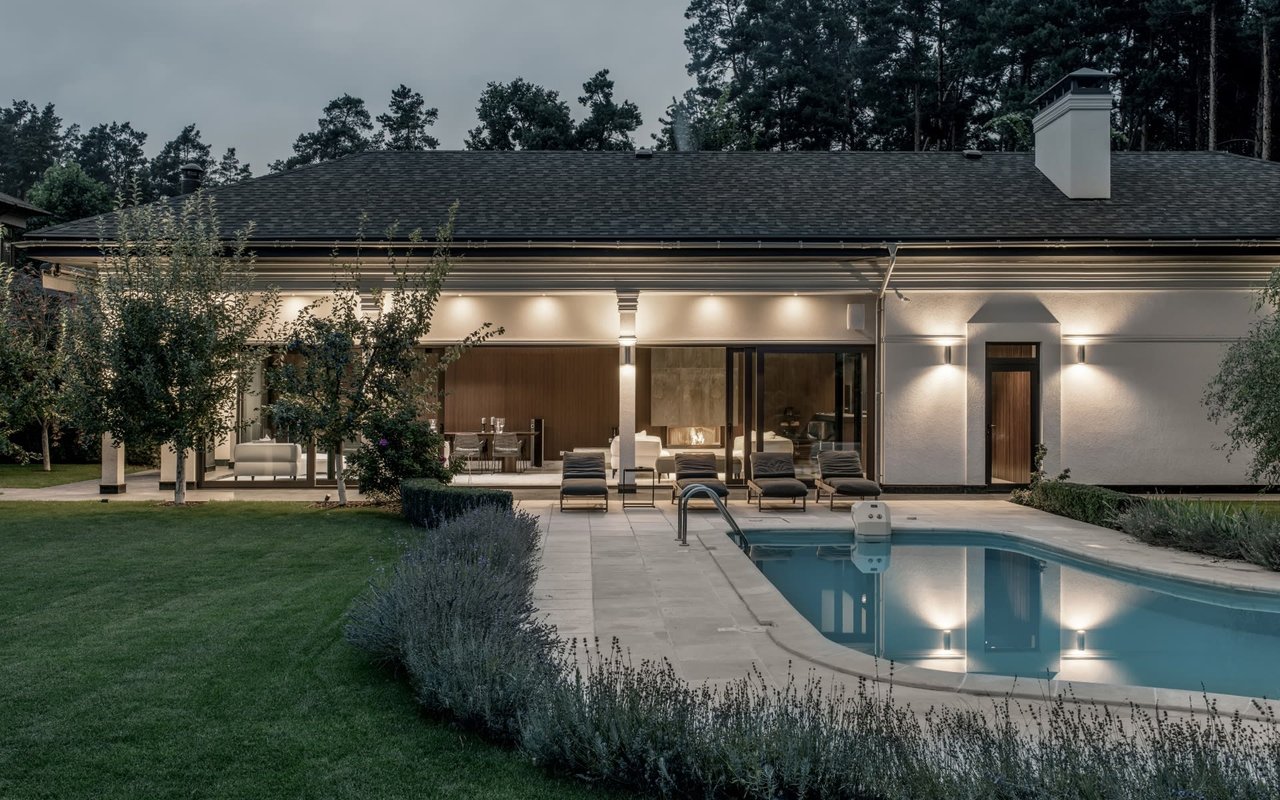
For you as a buyer, that can translate into a neighborhood where lot standards are clear and the overall streetscape feels cohesive. If you like a polished residential environment with mature landscaping and consistent neighborhood structure, Rollingwood offers that in a close-in setting.
West Lake Hills puts natural character front and center
West Lake Hills is even more explicit about vegetation and landscape preservation. The city states that its tree and vegetation rules are intended to promote a superior community environment, preserve scenic wooded character, and maintain rural character.
The master plan also calls for a 50-foot tree buffer along some roadways. That reinforces the city’s low-profile, landscape-first identity. If your ideal home setting includes wooded views and a stronger sense of separation from neighboring properties, West Lake Hills is often the more natural fit.
Access, commuting, and getting around
Rollingwood is unusually close-in
One of Rollingwood’s strongest advantages is location. The city sits beside Zilker Park and near the Lady Bird Lake corridor, and it promotes walkability, biking, and neighborhood street use for daily recreation.
Its planning documents also show ongoing interest in better pedestrian connections, bike links, and safer crossings. Traffic is still a concern in parts of the city, but the overall lifestyle leans more connected and close to central Austin amenities than many buyers expect.
West Lake Hills is more car-dependent
West Lake Hills offers a different transportation experience. The city’s master plan explains that steep, rocky terrain has led to winding, narrow roads, and that the city relies heavily on individual vehicles. It also notes that the perimeter location helps limit through-traffic but makes mass transit more difficult.
Major roads include Bee Cave Road, Westbank Drive, Westlake Drive, and Redbud Trail. If you prefer a more secluded drive-home experience and do not mind a more car-oriented routine, West Lake Hills may feel worth the tradeoff.
Outdoor lifestyle and recreation
Rollingwood centers activity around community spaces
Rollingwood Park is a major local asset. It includes ball fields, playgrounds, adult exercise equipment, trails, a pavilion, and a community garden.
That kind of amenity mix supports an active, neighborhood-centered lifestyle. Combined with the city’s proximity to Zilker Park and Lady Bird Lake, Rollingwood tends to appeal to buyers who want recreation built into everyday life.
West Lake Hills leans into natural surroundings
West Lake Hills offers outdoor access with a different flavor. The city’s identity is tied closely to wooded terrain, scenic preservation, and nearby natural assets such as the Wild Basin Wilderness Preserve on its northern boundary.
If you are drawn to a more natural residential setting and outdoor spaces that feel more terrain-driven than park-centered, West Lake Hills may align better with your priorities.
Market pricing and inventory
Current automated value estimates place both communities in a similar premium range, with Rollingwood at about $2,250,357 and West Lake Hills at about $2,028,011. At the same snapshot, Rollingwood showed 8 homes for sale and 1 new listing, while West Lake Hills showed 23 homes for sale and 3 new listings.
Those numbers matter, but the bigger point is inventory. Both cities tend to have thin monthly sales volume, which means price trends can swing quickly and broad averages may not tell the whole story. In these markets, lot quality, privacy, condition, and specific location within the city can matter as much as the city name itself.
Which city fits your lifestyle?
Choose Rollingwood if you want
- A closer-in location near central Austin
- A walkable, neighborhood-oriented setting
- Easy access to Zilker Park and the Lady Bird Lake area
- A compact city with a strong small-town identity
- A single-family environment with clear lot standards
Choose West Lake Hills if you want
- A more secluded, wooded setting
- Greater variation in lot size and terrain
- More privacy between homes
- A residential environment shaped by natural topography
- A stronger rural-Hill Country feel
The real decision point
For most buyers, this choice comes down to connection versus seclusion. Rollingwood tends to offer a tighter, more connected, close-in lifestyle. West Lake Hills tends to offer a more private, wooded, acreage-leaning experience.
Neither option is universally better. The right fit depends on how you want your home to feel when you pull into the driveway, how you want to move through your day, and what kind of setting you want around you.
If you want help comparing specific streets, lots, and homes in Rollingwood and West Lake Hills, Meryl Hawk can guide you through the details with a thoughtful, data-driven approach.
FAQs
What is the main lifestyle difference between Rollingwood and West Lake Hills?
- Rollingwood generally offers a more close-in, walkable, neighborhood-focused lifestyle, while West Lake Hills generally offers more wooded privacy and a more secluded residential setting.
How do lot sizes differ in Rollingwood and West Lake Hills?
- Rollingwood zoning requires a minimum lot size of 15,000 square feet, while West Lake Hills includes areas with one-acre minimum lots and others with minimum lots of four acres.
Is Rollingwood or West Lake Hills closer to central Austin?
- Rollingwood is the closer-in option, sitting between Austin and West Lake Hills on the west bank of Lady Bird Lake and next to Zilker Park.
Which city has more variation in terrain and homesites: Rollingwood or West Lake Hills?
- West Lake Hills has more variation in terrain and homesites, with winding roads, wooded lots, and a broader range of lot sizes and settings.
Are home prices similar in Rollingwood and West Lake Hills?
- Based on the cited snapshot, both cities fall in a similar premium price range, though actual value can vary significantly based on lot quality, privacy, condition, and location within each city.