What Luxury Buyers in Austin Want in 2026 — And How to Position Your Home to Win Them Over
The 2026 Austin Luxury Real Estate Landscape
Austin’s luxury real estate market in 2026 doesn’t behave like a traditional high-end housing scene anymore. It’s faster, more selective, and heavily influenced by global wealth migration, tech expansion, and lifestyle prioritization. Buyers aren’t just comparing homes within Austin—they’re comparing them to properties in Miami, Los Angeles, Scottsdale, and even international hubs like Lisbon or Dubai. That shift alone has raised expectations dramatically.
The luxury segment in Austin has become a kind of “quiet competition zone” where subtle details matter more than sheer size. Buyers are increasingly drawn to homes that feel intentional rather than excessive. A 10,000-square-foot property without thoughtful design or flow will lose to a smaller home that feels curated and emotionally resonant. This is a major mindset shift compared to even five years ago.
Another defining factor is the continued migration of high-income professionals, especially from the tech and finance sectors. These buyers bring with them expectations shaped by global exposure. They’ve seen ultra-modern smart homes in California and minimalist estates in Europe, and they expect Austin properties to meet or exceed those standards. As a result, luxury listings now need to compete on design intelligence, not just location or acreage.
At the same time, Austin’s identity still matters. The Hill Country aesthetic, privacy-focused estates, and indoor-outdoor living remain deeply desirable. But these features must now be integrated into a more refined, globally competitive design language. The homes that perform best in 2026 are those that balance Texas character with international sophistication.
What’s Driving Demand in the High-End Market
Several powerful forces are shaping luxury demand in Austin. The first is continued corporate expansion, especially in technology, AI, and semiconductor industries. These sectors are generating high-income executives who want proximity to innovation hubs but also demand residential calm. Austin offers both, which is why it remains a magnet for wealth migration.
The second driver is lifestyle decentralization. Wealthy buyers are no longer tied to a single “primary” city. Instead, they maintain multiple residences and choose Austin for its combination of space, tax advantages, and cultural vibrancy. This means homes must feel turnkey-ready, with minimal friction for part-time occupancy.
The third factor is emotional safety. Buyers increasingly prioritize privacy, security, and controlled environments. Gated access, discreet architecture, and landscape buffering are becoming as important as interior finishes. In many cases, emotional comfort outweighs architectural drama.
The New Profile of Luxury Buyers in Austin
The modern luxury buyer in Austin is younger than traditional high-net-worth demographics. Many are in their late 30s to early 50s, often self-made entrepreneurs or early executives from unicorn startups. They are design-aware, tech-fluent, and highly selective.
They also tend to be experience-driven rather than ownership-driven. Instead of asking “How big is it?”, they ask “How does it feel to live here daily?” That subtle shift changes everything—from floor plan design to lighting temperature to how outdoor spaces connect to interior living.
There’s also a noticeable increase in international buyers. These individuals often compare Austin properties to European villas or Asian penthouses. They expect refined finishes, architectural clarity, and a sense of permanence rather than trend-driven design choices.
Ultimately, this buyer group is less impressed by traditional luxury signals like chandeliers or marble overload. Instead, they gravitate toward restraint, craftsmanship, and emotional coherence in design.
Tech Wealth and Remote Executives Are Reshaping Demand
Austin’s identity as “Silicon Hills” is no longer a branding slogan—it’s a structural reality shaping how luxury homes are built, marketed, and purchased. The influx of tech wealth has fundamentally changed what high-end buyers expect, not just in terms of amenities but in how a home supports productivity, privacy, and digital life. In 2026, luxury homes are no longer just living spaces; they are hybrid environments where work, wellness, and entertainment coexist seamlessly.
One of the most important shifts is the expectation of invisible infrastructure. High-net-worth tech buyers don’t want visible clutter—no messy wiring, no awkward server rooms, no outdated AV setups. They expect integrated systems that feel almost invisible but perform at enterprise level. Lighting, climate, sound, and security must all be controllable through unified ecosystems that respond intelligently to user behavior.
Another major influence is the normalization of remote executive lifestyles. Many buyers are no longer commuting daily into offices, which changes how homes are used. A luxury property must now support long work sessions, virtual meetings with global teams, and high-performance focus environments without feeling like a corporate office. This has elevated demand for acoustic engineering, natural light optimization, and dedicated creative spaces that don’t feel like traditional “home offices.”
At the same time, tech wealth has introduced a global design sensibility. Many buyers have lived in San Francisco, Seattle, New York, or international tech hubs, and they bring those expectations with them. Austin homes must now compete with some of the most advanced residential designs in the world, particularly in areas like smart automation and sustainability integration.
Silicon Hills Influence on Property Expectations
The “Silicon Hills” identity has created a unique pressure on Austin luxury real estate. Unlike traditional markets where luxury is defined by legacy or historical prestige, Austin’s luxury identity is innovation-driven. Buyers expect homes to reflect forward-thinking design, not nostalgic opulence.
This means properties with outdated layouts or purely decorative luxury features tend to underperform. Instead, homes that showcase intelligent spatial planning, energy efficiency, and adaptive environments are gaining traction. Open-plan living still matters, but it must be balanced with privacy zones that support focus and retreat.
Tech buyers also pay close attention to infrastructure readiness. Fiber connectivity, backup power systems, and advanced security networks are no longer optional—they are baseline expectations. Homes that lack these features often require costly retrofitting, which reduces their appeal even if other aspects are strong.
Remote Work’s Impact on Home Design Preferences
Remote work has permanently altered what buyers want from luxury homes in Austin. The most obvious change is the rise of multi-functional spaces. Rooms are no longer defined by a single purpose; instead, they are expected to adapt throughout the day. A breakfast nook might double as a reading space, while a guest suite might function as a private studio.
Acoustic separation has also become a major selling point. Buyers now actively test how sound travels through a home during showings. Thin walls or poorly insulated spaces can immediately reduce perceived value, even in architecturally stunning properties.
Natural light optimization is another critical factor. Remote workers spend more time indoors, so lighting quality directly affects mood, productivity, and wellness. Homes that incorporate strategic window placement, skylights, and biophilic design elements tend to outperform in the luxury segment.
Ultimately, remote work hasn’t just changed how people use homes—it has redefined what makes a home valuable in the first place.
What “Luxury” Really Means to Buyers in 2026
Luxury in Austin’s 2026 real estate market is no longer a checklist of expensive finishes or square footage milestones. It has evolved into something more subjective, almost psychological. Buyers are less impressed by overt displays of wealth and far more interested in how a property supports their daily rhythm, mental clarity, and sense of identity. A home is no longer just a possession—it is a curated environment that either enhances or disrupts life quality.
One of the biggest shifts is the move from status-driven luxury to experience-driven luxury. In earlier markets, buyers might have been motivated by marble countertops, grand staircases, or oversized wine cellars. Those features still exist, but they no longer carry emotional weight on their own. Instead, buyers ask: does this home feel calming? Does it make work easier? Does it create moments worth remembering?
There is also a growing awareness of cognitive load. High-net-worth individuals are often overwhelmed by decision-making in their professional lives. When they walk into a home, they want simplicity, clarity, and emotional ease. Overdesigned interiors, chaotic layouts, or visually noisy environments are increasingly seen as liabilities rather than luxuries.
Another subtle but powerful change is the emphasis on “invisible luxury.” This includes things like perfect temperature regulation, silent ventilation systems, lighting that adapts to circadian rhythms, and materials that feel good to touch without demanding attention. These elements don’t scream wealth—they whisper comfort, which is far more persuasive to today’s buyers.
From Status Symbol to Lifestyle Asset
Luxury homes in Austin are now judged as lifestyle assets rather than trophies. This distinction matters more than it might seem at first glance. A status symbol is meant to be seen; a lifestyle asset is meant to be lived in. Buyers in 2026 are increasingly private about wealth expression, preferring homes that support their routines instead of broadcasting their success.
This shift has led to a decline in demand for overly dramatic architectural statements that sacrifice livability for visual impact. For example, a home with a breathtaking glass façade may still struggle if it overheats, lacks privacy, or creates glare issues. Meanwhile, a more understated home with exceptional flow and comfort may outperform it significantly in buyer perception.
Lifestyle assets also prioritize adaptability. Buyers want homes that can evolve with them over time. A space that functions as a home office today might become a nursery, gym, or creative studio later. This flexibility adds long-term value that static luxury features simply cannot match.
There is also an emotional component at play. Buyers are increasingly evaluating homes based on how they feel after spending just 10–15 minutes inside. If a property induces stress, confusion, or overstimulation, it is quickly deprioritized—even if it is objectively impressive on paper.
Emotional Value vs. Physical Features
In 2026, emotional value is often the deciding factor in luxury purchases. Physical features still matter, of course, but they function more like supporting actors than the main attraction. A home may have premium materials, but if it doesn’t “feel right,” buyers hesitate. This emotional calibration is subtle but extremely powerful.
Emotional value is created through a combination of spatial flow, natural light, material harmony, and sensory balance. For instance, a home that transitions smoothly from interior to exterior space creates a subconscious sense of freedom. Similarly, consistent material palettes reduce visual friction and make a space feel cohesive rather than fragmented.
Sound also plays a surprisingly important role. Quiet homes feel more expensive, even when buyers cannot immediately articulate why. The absence of noise—both external and internal—creates a sense of sanctuary that strongly influences perception of value.
Ultimately, buyers in Austin’s luxury segment are no longer asking, “What does this home have?” They are asking, “What does this home do to me?” That shift defines everything about how properties should be designed and marketed today.
Architectural Trends That Sell in Austin’s Luxury Segment
Architecture in Austin’s luxury market is undergoing a quiet but meaningful transformation. The most successful homes in 2026 are not necessarily the most visually dramatic; they are the most context-aware. This means they respond intelligently to climate, landscape, privacy needs, and modern lifestyle patterns. Buyers are increasingly rejecting designs that feel imported or disconnected from Austin’s natural environment.
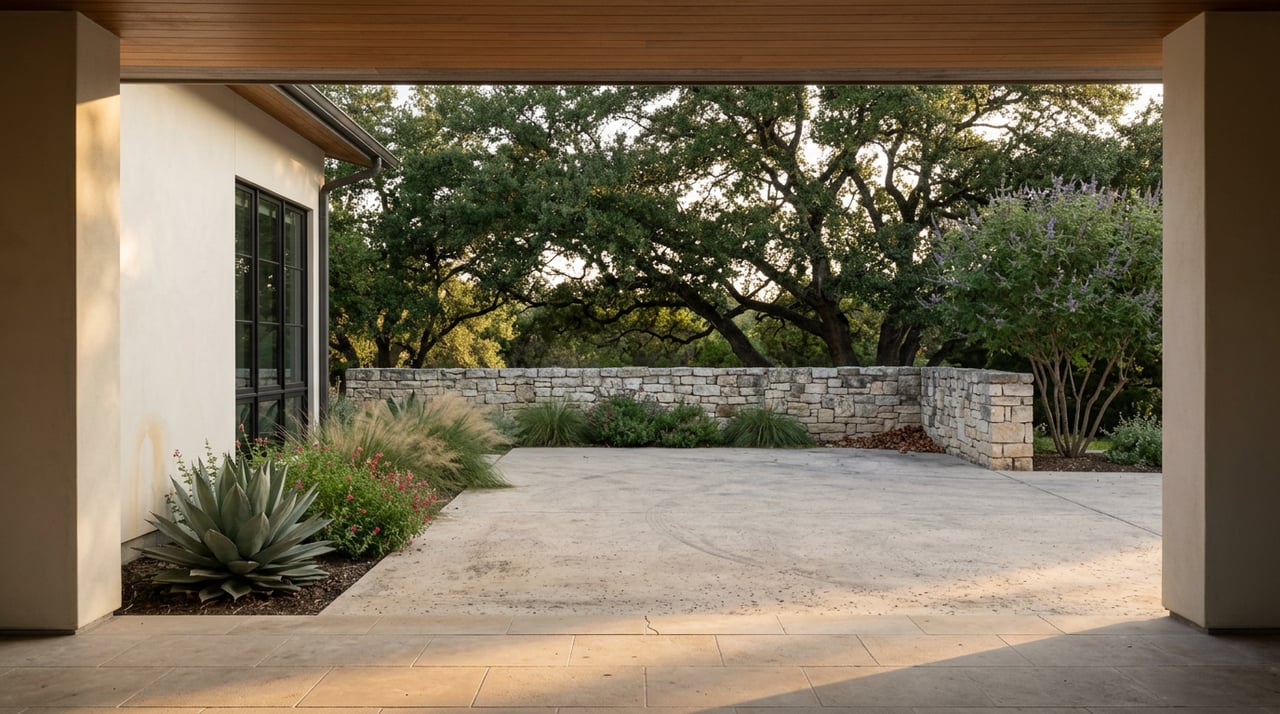
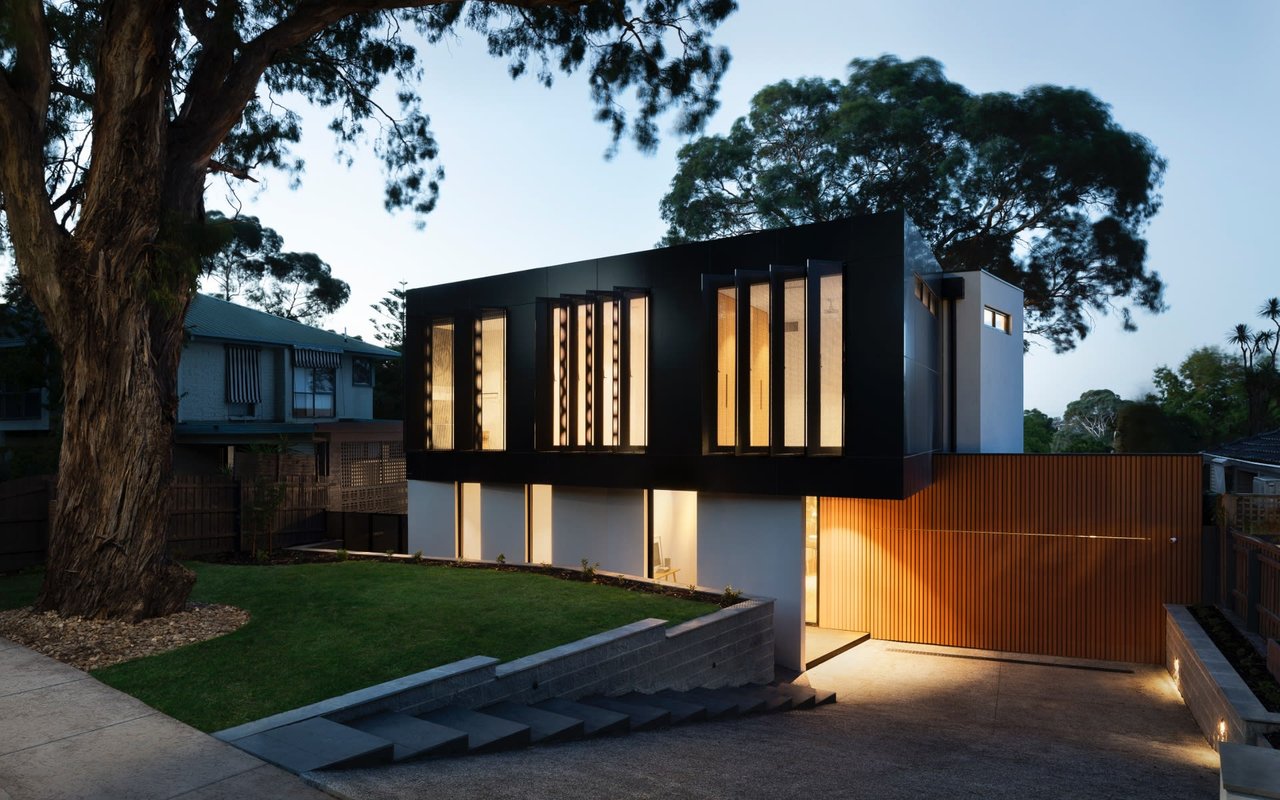
One dominant trend is the fusion of modern minimalism with Hill Country warmth. Clean lines, expansive glass, and geometric clarity are being softened with natural stone, wood textures, and earthy tones. This combination creates homes that feel both contemporary and grounded, which resonates strongly with buyers who want sophistication without sterility.
Another major architectural shift is the prioritization of flow over formality. Traditional room hierarchies are fading. Instead of rigidly defined spaces, homes are designed around movement and experience. Living areas blend into kitchens, kitchens extend into outdoor lounges, and private zones are subtly separated rather than heavily compartmentalized.
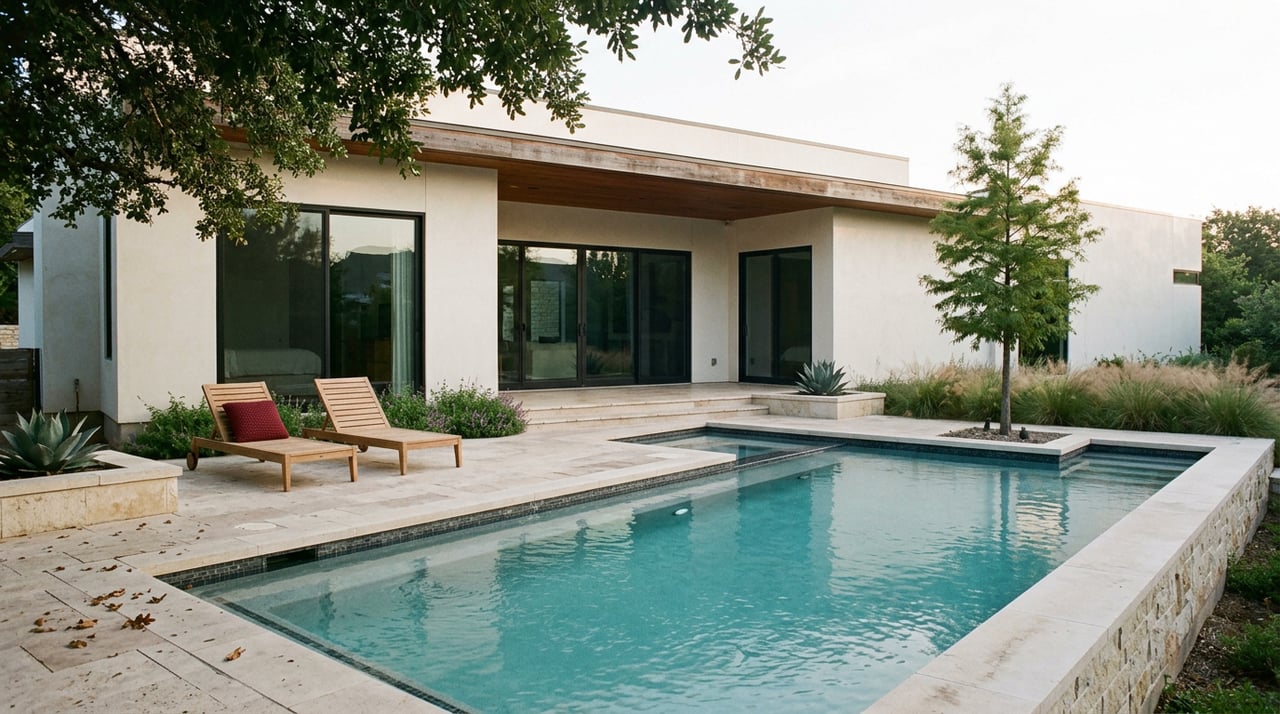
Outdoor integration has also become essential. In Austin’s climate, outdoor living is not a seasonal feature—it is a core lifestyle component. Buyers expect terraces, shaded lounges, resort-style pools, and outdoor kitchens that function as extensions of indoor living. If these spaces feel like afterthoughts, the home loses competitiveness quickly.
Modern Organic and Hill Country Fusion
The most sought-after architectural style in Austin luxury homes is what many designers now call “modern organic.” This approach combines sleek modernism with natural materials that reflect the surrounding landscape. It’s not about copying rustic design—it’s about integrating nature into a refined architectural language.
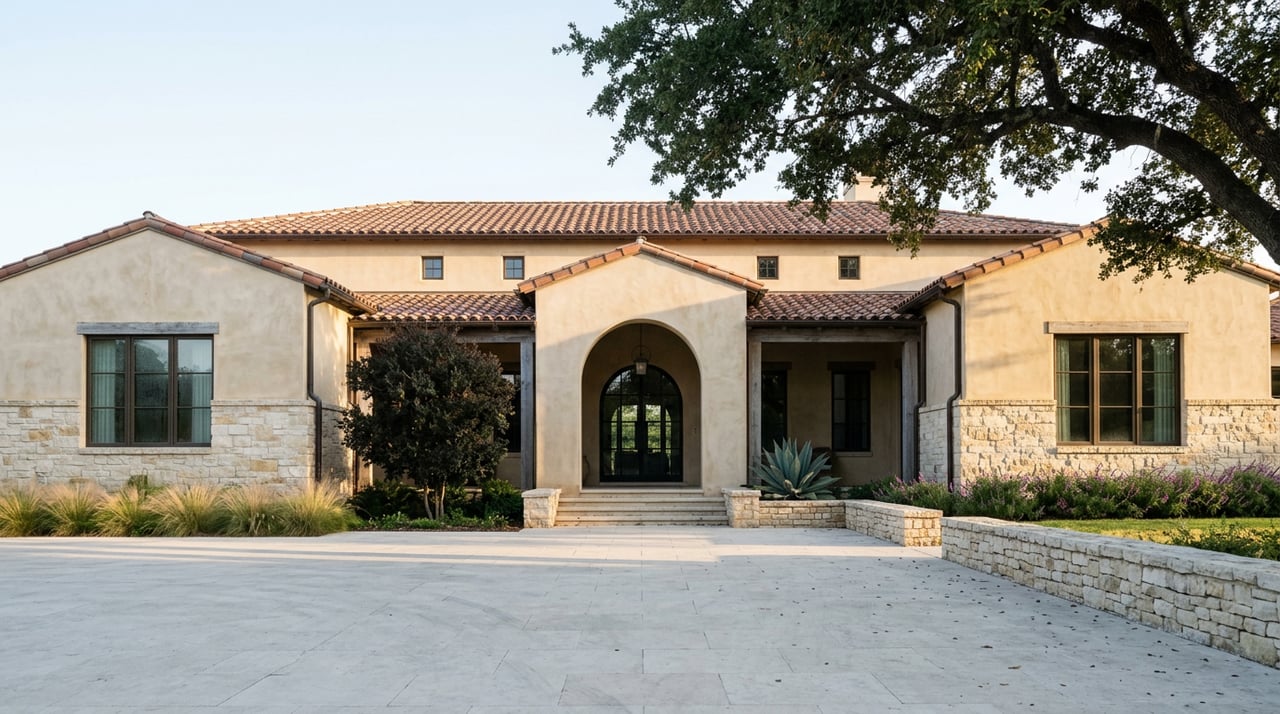
Hill Country influence plays a major role here. Native limestone, wide overhangs, and earth-toned palettes are being reinterpreted in more contemporary ways. Instead of heavy rustic aesthetics, designers are using these materials with restraint and precision, allowing them to enhance rather than dominate the structure.
This fusion also supports emotional comfort. Buyers often describe these homes as “calming” or “grounded,” which directly influences purchase decisions. In a high-stress, high-performance buyer demographic, emotional grounding is a major selling point.
Indoor-Outdoor Living as a Non-Negotiable
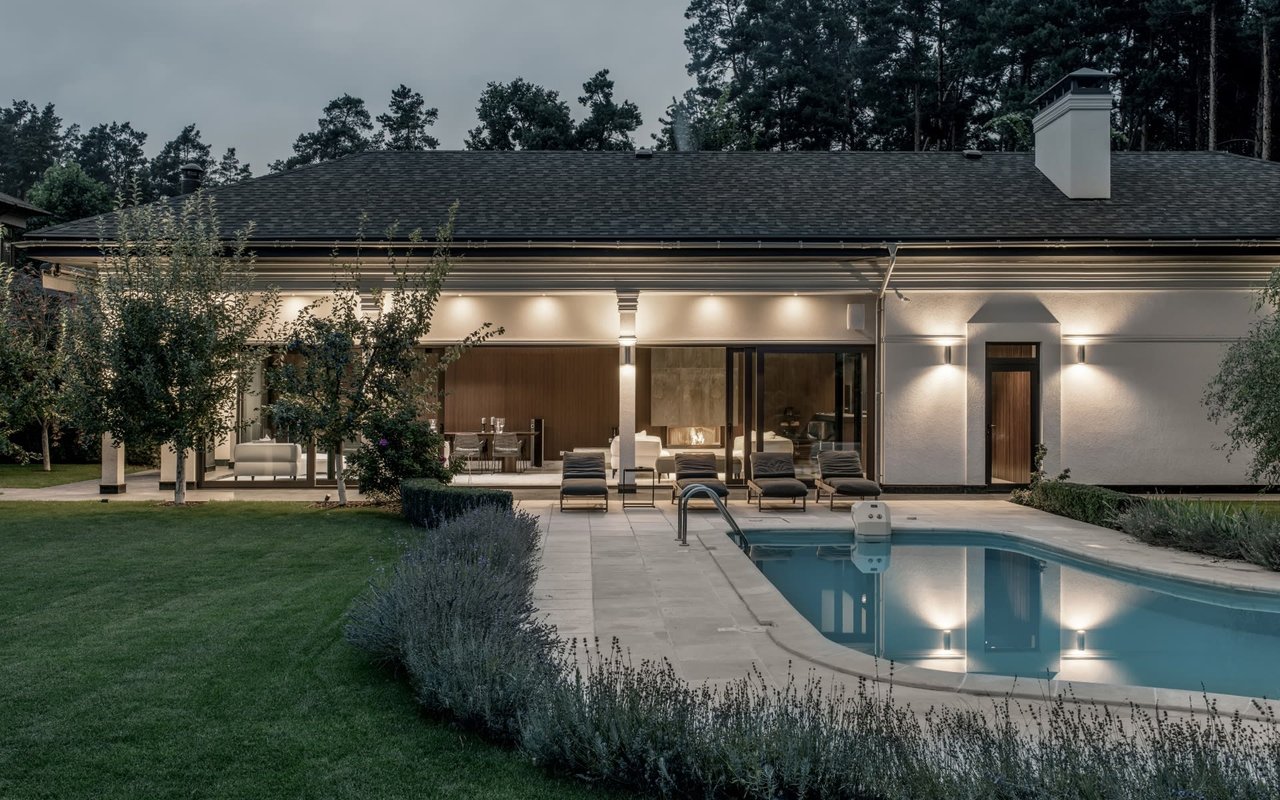
Indoor-outdoor integration is no longer a luxury feature—it is a baseline expectation. In Austin’s high-end market, a home without seamless outdoor transitions feels incomplete. Buyers expect sliding glass systems, covered outdoor rooms, and landscaping that feels intentional rather than decorative.
The key is continuity. Flooring materials, ceiling heights, and lighting design should flow naturally between indoor and outdoor zones. When done well, the boundary between inside and outside almost disappears, creating a sense of expanded living space.
Privacy also plays a major role. Outdoor areas must feel secluded without feeling enclosed. Strategic landscaping, elevation changes, and architectural screening are all used to create outdoor environments that feel both open and secure.
Homes that fail to deliver this level of integration often struggle in the luxury segment, even if their interiors are exceptional.
Smart Home Technology and AI Integration Expectations
Smart home technology has moved far beyond novelty status in Austin’s luxury market. In 2026, it is not a feature—it is infrastructure. Buyers expect homes to behave intelligently, adapting to their habits and preferences without requiring constant manual input. The idea of “smart” has evolved into something closer to “predictive living.”
The most important expectation is seamless integration. Systems for lighting, climate, security, entertainment, and shading must all communicate through a unified platform. Fragmented systems with separate apps or controls are seen as outdated and frustrating. Buyers want one ecosystem that anticipates needs rather than simply responding to commands.
Artificial intelligence is also playing a growing role. Homes are now expected to learn behavioral patterns—adjusting lighting based on time of day, optimizing temperature for sleep cycles, and even suggesting energy-saving adjustments. This kind of passive intelligence is becoming a defining feature of top-tier properties.
Another critical element is invisibility. The best smart home systems are those you don’t notice. Devices should blend into architecture, sensors should be discreet, and interfaces should feel intuitive rather than technical. The more visible the tech, the less luxurious the perception.
Automation Systems Buyers Now Expect
Automation in luxury homes has reached a point where certain systems are no longer optional. Lighting scenes that adjust automatically throughout the day, climate control that responds to occupancy, and motorized shading systems are now baseline expectations in Austin’s high-end listings.
Security systems have also become more advanced. Buyers expect real-time monitoring, facial recognition capabilities, and geo-fenced automation that activates when they leave or arrive home. These systems must operate quietly in the background without creating a sense of surveillance fatigue.
Entertainment systems are equally important. Whole-home audio, hidden speakers, and media rooms with cinematic calibration are expected in most luxury properties. However, the emphasis is on integration rather than spectacle.
Energy Intelligence and Sustainability Tech
Sustainability is no longer just a marketing angle—it is a financial and lifestyle priority. Buyers are increasingly interested in homes that optimize energy use intelligently. Solar integration, battery storage systems, and energy monitoring dashboards are becoming standard in premium listings.
What matters most is not just sustainability, but efficiency intelligence. Buyers want systems that actively reduce waste without compromising comfort. A home that manages its own energy consumption feels more modern, more responsible, and ultimately more valuable.
Water management systems are also gaining attention, particularly in Austin’s climate context. Smart irrigation, rainwater collection, and drought-resistant landscaping all contribute to perceived long-term value.
How to Position Your Luxury Home for Maximum Appeal
Positioning a luxury home in Austin’s 2026 market is less about listing features and more about crafting perception. Buyers are not just purchasing a structure—they are buying into a narrative about how their life will feel inside that space. The most successful listings are those that communicate identity, lifestyle, and emotional resonance from the very first interaction.
One of the most effective strategies is intentional storytelling through staging. Every room should suggest a lived experience, not just a function. A dining area should feel like it hosts meaningful conversations. A bedroom should suggest rest, not just sleep. A terrace should evoke long evenings, not just outdoor access.
Equally important is how the home is visually presented online. Photography, video, and even drone footage must work together to create a cohesive emotional journey. Buyers often decide whether to tour a property within seconds of viewing its digital presence, so first impressions are critical.
Pricing strategy also plays a psychological role. In the luxury segment, pricing is not just about market alignment—it signals positioning. A home priced too aggressively may be ignored, while one priced strategically can attract competitive interest that elevates final sale value.
Storytelling Through Staging and Branding
Staging in 2026 has evolved into a form of experiential branding. It is no longer about filling rooms with furniture—it is about constructing a lifestyle narrative. Every staging decision should reinforce the emotional identity of the home.
For example, a modern Hill Country estate might emphasize natural textures, warm lighting, and understated elegance to reinforce a sense of grounded luxury. Meanwhile, a downtown penthouse might lean into sleek minimalism and curated art pieces to signal cosmopolitan sophistication.
Branding extends beyond interiors. Even the way a property is described in listings matters. Words shape perception. A “chef’s kitchen” and a “culinary-grade cooking environment” evoke different emotional responses, even if they describe similar spaces.
Pricing Psychology and Market Positioning Strategy
Pricing luxury homes in Austin is as much psychology as it is economics. Buyers in this segment are highly informed, but they are also influenced by perception of scarcity and desirability. A well-positioned home can generate competitive momentum even in a balanced market.
Strategic pricing often involves positioning slightly below perceived value to encourage engagement, or aligning precisely with comparable scarcity to reinforce exclusivity. Overpricing, however, tends to be especially damaging in the luxury segment because it signals misalignment with market reality.
Market positioning also includes timing. Listing during periods of high buyer mobility or low inventory can significantly increase visibility and negotiation leverage. In Austin’s dynamic market, timing can be as important as design.
Final Buyer Decision Triggers in 2026
In the end, luxury buyers in Austin make decisions based on a combination of logic and emotion, but emotion usually wins. The final triggers often include a sense of immediate comfort, alignment with lifestyle identity, and confidence in long-term value.
A home that “feels right” within the first visit almost always has a competitive advantage. Buyers rarely articulate this feeling clearly, but it drives final decisions more than any feature list.
Other key triggers include privacy assurance, technological readiness, and emotional coherence across the property. When all these elements align, buyers move quickly, often competitively, to secure the home before others do.