Why Buyers Are Choosing Lost Creek Over Other Austin Luxury Neighborhoods in 2026
Introduction: The Neighborhood Buyers Keep Overlooking — Until They Don't
There is a moment that happens in almost every West Austin home search. The buyers arrive with a shortlist — Westlake Hills, Barton Creek, Tarrytown, maybe Rollingwood — and an agent who has seen a hundred versions of this same conversation. Then someone mentions Lost Creek. And the reaction is almost always the same: "Wait, I've never heard of that one." That's the thing about Lost Creek. It doesn't have the brand recognition of Westlake Hills or the resort-driven cachet of Barton Creek. It doesn't show up in lifestyle magazine spreads or get namechecked in tech-relocation articles. But the buyers who actually tour it, walk the streets on a Saturday morning, and see the mature live oaks arching over wide, quiet roads? They almost always put it at the top of the list.
In 2026, Lost Creek is having a moment that the broader Austin luxury market is only beginning to recognize. West Austin Realtor Brandon Galia, who has helped multiple families buy in this corridor, calls Lost Creek "the neighborhood buyers discover after they've already looked everywhere else." That framing is more accurate than it sounds. This isn't a neighborhood that sells itself through marketing. It sells itself through experience — through the way the hills fall away behind a backyard deck, through the sound of almost no traffic, through the realization that you're seven miles from downtown Austin and it somehow feels like thirty. In a luxury market where buyers are finally getting more room to breathe and evaluate, Lost Creek is the kind of neighborhood that rewards the patient, thorough search. And right now, a growing number of discerning buyers are landing here and never looking back.
What Makes Lost Creek Unique in West Austin's Luxury Landscape
A Private Oasis With City Proximity
The first thing that strikes people about Lost Creek is the contradiction at its heart. Lost Creek is a private oasis located near the bustling city of Austin. Despite its proximity to the city and all of its amenities, including restaurants, shopping, and employment opportunities, Lost Creek manages to maintain a laid-back atmosphere with the small-town charm that many homebuyers desire. That combination — urban access wrapped in a neighborhood that feels genuinely insulated from urban noise — is harder to pull off than it sounds, and most luxury neighborhoods in Austin don't quite manage it. Westlake Hills feels luxurious but increasingly developed. Barton Creek feels secluded but sometimes too far removed. Lost Creek threads the needle in a way that buyers with young families, remote workers, and retiring couples all respond to differently but positively.
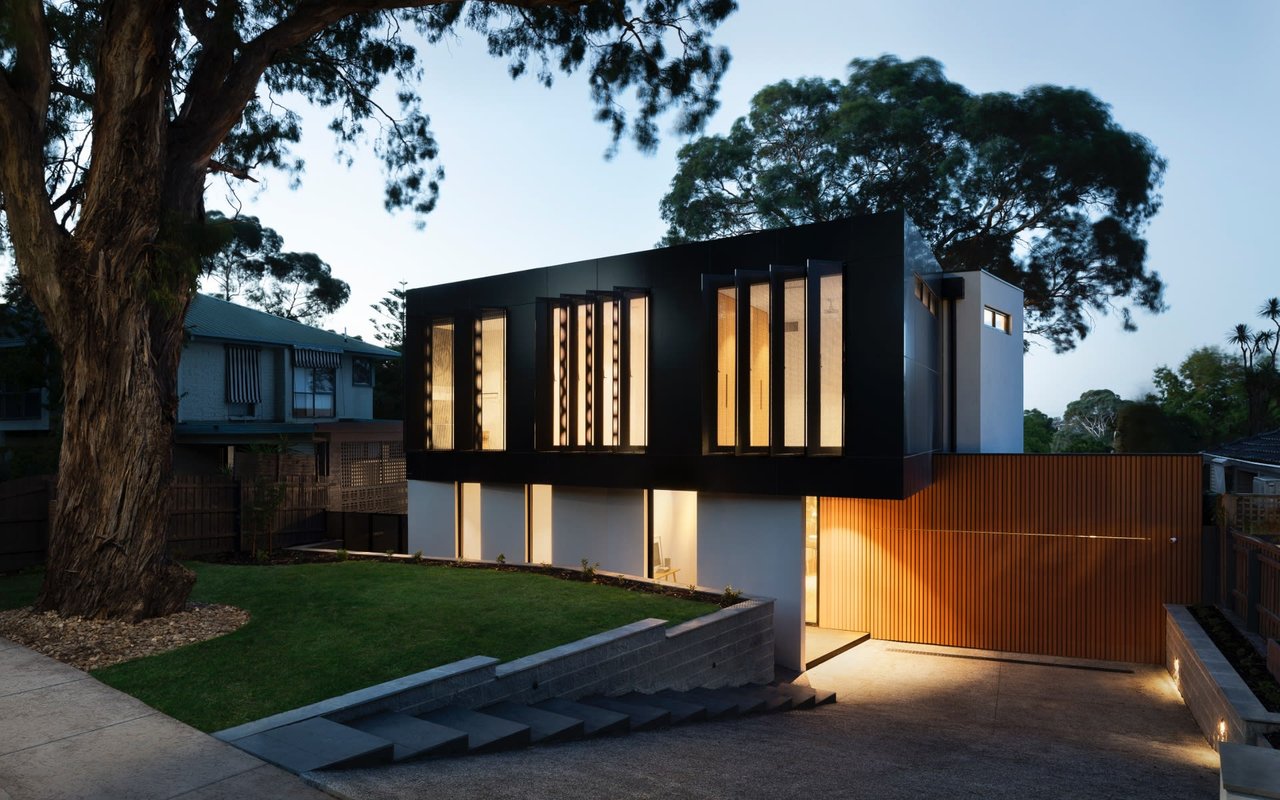
Located just west of Downtown Austin, the neighborhood is vibrant and continues to renew, with plenty of remodeling and updating in progress. There are homes with flat yards, as well as many cliff-side and hilltop homes with decks overlooking the views. Many homes back up to greenbelt, golf course, or have Hill Country views. That variety within a single neighborhood is genuinely rare. Most luxury communities in Austin offer one dominant housing typology — the gated golf home, the hillside estate, the lakefront property. Lost Creek gives you all of those flavors in one ZIP code, which means buyers with different spatial preferences and lifestyle priorities can all find something that fits without having to compromise on the school district, the commute corridor, or the community character.
Mature Homes, Mature Trees, Settled Charm
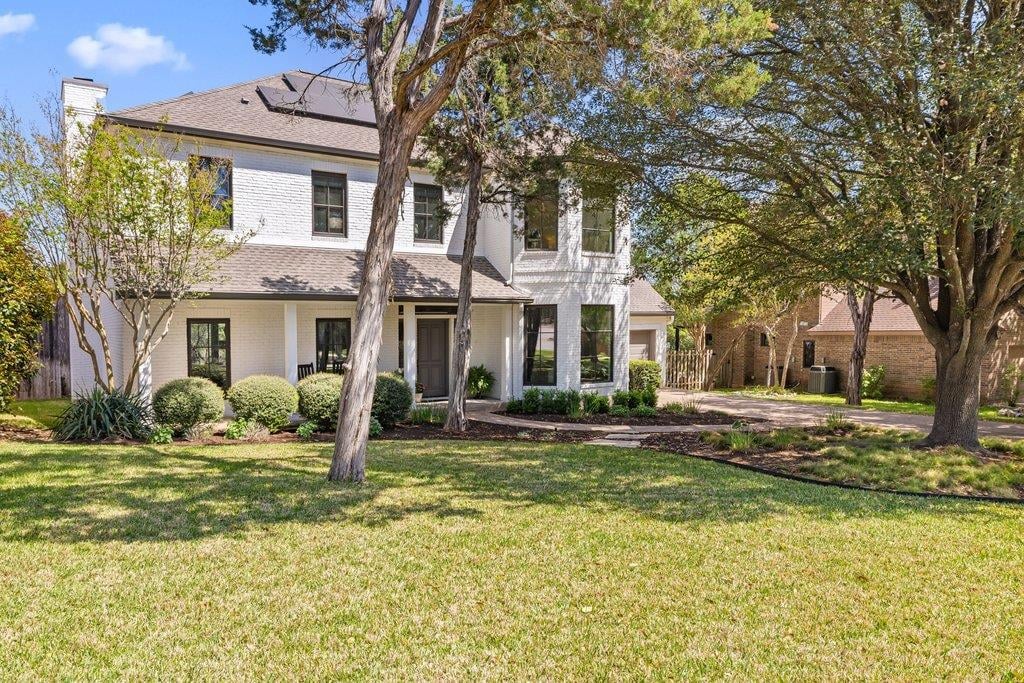
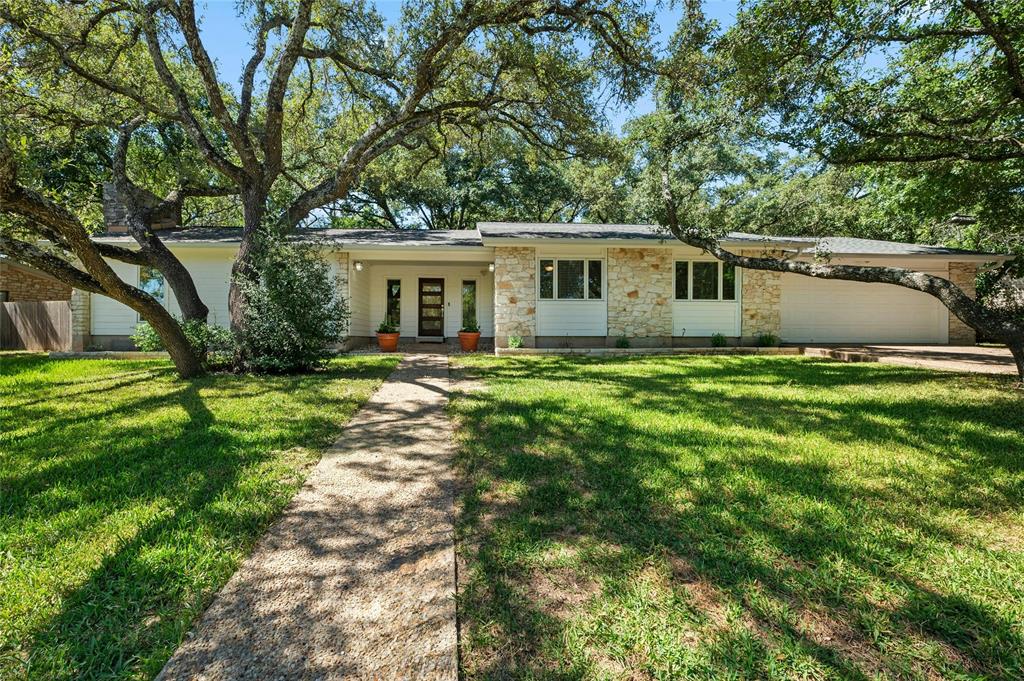
Lost Creek is a gorgeous, established, premier neighborhood in the Westlake and Austin Hill Country spanning approximately 775 acres. The majority of Lost Creek homes were built from the mid-1970s through the 1990s. This blend of ages creates a variety within Lost Creek that home buyers feel gives them a unique home. Lost Creek features a heavy sample of remodels and rehabs outfitting the inherent character of older homes with the style and luxury of the modern era. What this means in practical terms is that you're not buying in a neighborhood that still smells like fresh concrete and fresh landscaping. The canopy is established. The lots are defined. The infrastructure — roads, utilities, community character — is settled and predictable in a way that newer developments simply can't replicate. Think of it like a fine whiskey versus a craft beer: both can be excellent, but one has had decades to develop complexity that no shortcut can manufacture.
Lost Creek is an Austin neighborhood known for its blend of natural beauty and urban convenience. Flanked by nature preserves and country clubs, it offers residents a peaceful community with wide streets shaded by mature live oak trees. Those live oak canopies aren't decorative detail — they're a genuine quality-of-life asset that adds privacy to lots, reduces surface temperatures in Texas summers, and gives the neighborhood a visual character that no new development can replicate for decades. Buyers from California and the Northeast who are used to established tree canopies in historic neighborhoods respond viscerally to Lost Creek in a way they don't to newer West Austin communities with skeletal young plantings and exposed limestone lots.
The Price Advantage That Changes the Math
Entry Points vs. Westlake Hills, Barton Creek, and Tarrytown
Let's talk numbers, because in 2026 the numbers tell a very compelling story. Home prices in Lost Creek range from approximately $800K to $2.5M+ as of spring 2026. Your entry point in Lost Creek starts in the low $800Ks, compared to $1.5M+ in Westlake Hills proper. That price gap buys you something specific: a larger lot, a more established canopy, and significantly less construction noise. Now think about what that means for a family relocating from San Francisco or New York with a $1.5 million budget. In Westlake Hills proper, that budget gets you into the very bottom of the market — likely a teardown candidate or a heavily compromised property with little land. In Lost Creek, that same $1.5 million gets you a solid, updated home on a generous lot inside the same school district, with Greenbelt access and country club proximity built into the address.
The highest-priced Austin ZIP code in 2026 is 78746, covering Westlake and West Lake Hills, with a year-to-date median sale price of $2,394,287. Lost Creek, which shares the 78746 ZIP code, benefits from that overall prestige designation while offering significantly more attainable price points within it. Meanwhile, 78735 (Barton Creek) saw the largest year-over-year median price decline of any ZIP code in the metro — down 18.1% from $1,523,290 to $1,246,905. That's a significant softening in the competing luxury tier, and it reinforces why buyers who want upside stability, not just a low entry price, are increasingly gravitating toward Lost Creek's positioning inside the stronger 78746 ZIP corridor.
Neighborhood Comparison Table: Lost Creek vs. Competing Luxury Areas
| Neighborhood | Median Price (2026) | Entry Point | Eanes ISD | Days on Market | Greenbelt Access |
|---|---|---|---|---|---|
| Lost Creek | ~$1.1M–$1.5M | ~$800K | ✅ Yes | ~44 days | ✅ Direct |
| Westlake Hills | ~$2.4M | ~$1.5M+ | ✅ Yes | ~68 days | Partial |
| Barton Creek | ~$1.25M (78735) | ~$1.5M | Mixed | ~49–189 days | ✅ Direct |
| Tarrytown | ~$1.6M–$1.95M | ~$1.1M | Mixed | ~81 days | No |
| Rollingwood | ~$1.8M | ~$1.1M | ✅ Yes | Varies | Partial |
The table above makes the calculus almost uncomfortably clear. Lost Creek offers the fastest market velocity — Lost Creek averages just 44 days on market — combined with a lower entry point, confirmed Eanes ISD access, and direct Greenbelt adjacency. That combination is genuinely rare in the Austin luxury market, and buyers who have done the full comparative tour tend to recognize it quickly.
Eanes ISD — The School District That Drives Everything
Why Forest Trail, West Ridge, and Westlake High Matter
If you want to understand why luxury real estate in West Austin commands the prices it does, you need to understand Eanes ISD first. Everything else — the country clubs, the Hill Country views, the Greenbelt access — is secondary to the school conversation for the vast majority of luxury buyers with school-age children. The area is served by the highly rated Eanes Independent School District, including Forest Trails Elementary, Westridge Middle, and Westlake Hills High School, all earning A-plus Niche ratings. That's not marketing language. That's the kind of academic performance data that drives relocation decisions worth $1 million or more, and Lost Creek sits squarely within those attendance zones.
Families relocating from California, New York, and Seattle consistently cite Eanes ISD as their primary reason for targeting Barton Creek, Westlake Hills, or Rollingwood over neighborhoods further east or north. What often surprises those families is that Lost Creek belongs in that same conversation. The school zoning — Forest Trail Elementary, West Ridge Middle School, and Westlake High School within Eanes ISD — is identical to what Westlake Hills buyers are paying a massive premium to access. The classroom is the same. The teacher is the same. The graduation rate and college placement data is the same. The only difference is the price of admission to the neighborhood.
The School Premium and What Lost Creek Buyers Are Really Saving
Eanes ISD ranks #1 in Texas and top 10 nationally on Niche as of Q1 2026. Every campus rates 8/10 or higher on GreatSchools. This is the single biggest driver of property values in 78746. When you're buying in Lost Creek, you're buying into that same demand engine at a materially lower entry point. The school premium that Westlake Hills buyers pay — that $400,000 to $600,000 over comparable homes in Austin ISD neighborhoods — is absorbed and justified by the school assignment, not by any inherent difference in the real estate itself. Lost Creek is that answer about 80% of the time when buyers ask where they can get Eanes ISD quality without paying a $2 million price. That's not a promotional claim — it's a structural market reality that smart buyers in 2026 are exploiting before the pricing gap closes.
The Lifestyle Play: Country Club, Greenbelt, and Outdoor Living
Westlake Country Club and What It Offers
If the school district is the rational case for Lost Creek, the lifestyle amenities are the emotional one. And in luxury real estate, emotion closes deals. Westlake Country Club (formerly Lost Creek Country Club) offers homes in the $800K–$3M range in Eanes ISD, featuring a renovated course and top schools. Club membership adds a layer of resort-style daily living that transforms a neighborhood from a place you sleep into a community you actually live in. We're not talking about a modest amenity package here — with three swimming pools, 16 tennis courts, a championship golf course, and a state-of-the-art fitness facility, the Lost Creek Country Club has something for everyone to enjoy. That's a genuinely competitive amenity stack that holds its own against any private club in the Austin metro.
Membership to the country club features private golf, tennis, fitness, swimming, and social events. The club also has access to the entire ClubCorp network. That ClubCorp network access is a detail that frequent-traveling professionals and families with country club sensibilities genuinely appreciate — it means your Lost Creek membership isn't just a local amenity but a national lifestyle asset. For buyers coming from markets like Dallas, Atlanta, or Phoenix where country club living is considered standard in the luxury bracket, Lost Creek's club infrastructure signals that they don't have to give up that lifestyle to land in Austin's hill country.
Barton Creek Greenbelt Access — The Everyday Outdoors
Beyond the private club, Lost Creek is defined by its relationship with something entirely public and entirely spectacular: the Barton Creek Greenbelt. Barton Creek Greenbelt borders the Lost Creek neighborhood, providing 22 acres with hiking trails, a waterfall, and a natural swimming hole. But the true scale of that access is even larger. The City of Austin's Barton Creek Greenbelt offers more than 12 miles of recreation, including hiking, biking, and access to swimming areas, with a main trail that runs 7.5 miles and multiple access points. Because Lost Creek sits adjacent to Barton Creek Greenbelt land, that system becomes a major part of the neighborhood's everyday appeal.
Think about what it means to have that kind of trail access as a literal extension of your backyard. In most Austin luxury neighborhoods, outdoor recreation means driving to a park. In Lost Creek, it means walking out a gate in your fence and dropping into a limestone canyon with swimming holes and miles of trail. For buyers who came to Austin specifically because of the city's outdoor culture — and that demographic has only grown post-pandemic — that kind of embedded nature access isn't a bonus feature. It's the whole point. The neighborhood is bordered by Barton Creek, providing access to the Barton Creek Greenbelt and Wilderness Park, which feature hiking trails, waterfalls, and rock-climbing spots.
Why Lost Creek Beats the Alternatives Right Now
vs. Westlake Hills: Same Schools, Lower Price Tag
This is the comparison that converts the most buyers. Lost Creek was built out in the 1970s through 1990s. The neighborhood is mature. The trees are mature. The infrastructure is settled. You are not buying next to a lot that becomes a spec build in six months. Westlake Hills, meanwhile, is experiencing a significant wave of teardown-and-rebuild activity that is changing the character of previously quiet streets and introducing construction disruption that buyers with young children find particularly unwelcome. The school district is identical — both feed Forest Trail or Valley View, West Ridge, and Westlake High — but the day-to-day living environment is meaningfully different. West Lake Hills showed a median listing price of $2.60 million and $831 per square foot as of early 2026, a significant premium over what Lost Creek buyers are paying for the same district and comparable natural surroundings.
vs. Barton Creek: Closer In, Fewer Restrictions
Barton Creek has real appeal, and we're not here to dismiss it. But it comes with a set of constraints that Lost Creek buyers don't face. Compared to Barton Creek, Lost Creek offers a different country club experience and better proximity. You are ten minutes closer to downtown, fifteen minutes closer to South Lamar, and you skip the HOA structure that parts of Barton Creek require. For buyers who value daily access to Austin's restaurant and cultural scene, that commute differential compounds over a week, a month, a year. Much of Barton Creek sits within the Barton Springs Edwards Aquifer Contributing Zone, which imposes impervious cover restrictions that limit renovation and expansion possibilities — a constraint that Lost Creek buyers simply don't contend with in the same way. For buyers planning a renovation or future addition, that regulatory distinction can be worth tens of thousands of dollars in avoided complexity.
vs. Tarrytown: Space and Silence vs. Walkability
Tarrytown is the classic central Austin luxury neighborhood — urban, historic, walkable, and increasingly expensive for what you get in terms of lot size and privacy. Tarrytown offers the most accessible entry price of the four neighborhoods, with reconciled median sold prices ranging from $1.55M to $1.95M and price per square foot from $653 to $698. Average days on market runs 81 to 84 days. Lot sizes are smallest here, typically ranging from 0.15 to 0.4 acres. Lost Creek buyers are trading Tarrytown's walkability for dramatically more land, dramatically more privacy, and significantly better school district clarity — because Tarrytown has a school district boundary that runs through the neighborhood, and homes on the Eanes ISD side command an estimated $150,000 to $250,000 premium over comparable homes just one or two streets away in Austin ISD. Lost Creek has no such ambiguity. The school district assignment is clear, consistent, and uniformly Eanes.
2026 Market Dynamics Favoring Lost Creek Buyers
Median Prices, Days on Market, and What the Data Shows
The 2026 Austin luxury market is what analysts are calling a "two-speed" environment. In the Austin-Round Rock-San Marcos MSA, February 2026 inventory reached 6.5 months, while Travis County posted 6.6 months of inventory and pending sales up 14.4% year over year, giving buyers more room to evaluate options even as strong homes in prime locations continue to attract demand. That more balanced market is actually good news for Lost Creek buyers specifically, because it creates the conditions where a neighborhood with genuine fundamentals — great schools, lifestyle amenities, established infrastructure, competitive pricing — tends to separate itself from neighborhoods that were only riding the momentum of a frothy market.
On average, homes in Lost Creek, Austin sell after 45 days on the market compared to the national average of 53 days, and the Keenan Group's live market data places it even faster at 44 days average DOM. That absorption rate is meaningful. It tells you that demand is real and sustained, not manufactured. The average household income in Lost Creek is $225,665, which is above the national average. College graduates make up 87.6% of residents. A majority of residents in Lost Creek are homeowners, with 91.9% owning their home. That demographic stability — high-income, highly educated, owner-dominated — is the kind of market data that long-term value investors look for when they're trying to identify neighborhoods that will hold and appreciate rather than fluctuate with interest rate cycles. Lost Creek's resident profile is a feature, not an accident.
The "Hidden Gem" Narrative and How Long It Lasts
There is always a window in real estate where the smarter money moves before the narrative catches up. Lost Creek is living inside that window right now in 2026. Lost Creek doesn't have the brand recognition of Westlake Hills or the historic cache of Tarrytown. That happens more than you'd think. But brand recognition is a lagging indicator, not a leading one. The fundamentals — school district, greenbelt access, country club lifestyle, mature character, and pricing relative to comparable neighborhoods — were all true three years ago and remain true today. What's different now is that the broader market has corrected enough to make the comparative value case impossible to ignore.
Scarcity matters. Neighborhoods with limited inventory and strict zoning tend to hold value better over time. Lost Creek checks that box in a way that very few Austin neighborhoods do. With only about 300 homes found in the neighborhood, Lost Creek is a close-knit community. That's not just a lifestyle observation — it's a supply constraint that structurally supports property values over time. When you buy into a neighborhood with only 300 homes, you're not buying into a commodity market. You're buying into a scarce asset class with durable demand and a community character that's almost impossible to replicate at scale. The buyers who understand that in 2026 are making a very smart bet.
Conclusion
Lost Creek in 2026 is the Austin luxury neighborhood that keeps rewarding buyers who do their homework rather than their Zillow browsing. It offers Eanes ISD's top-ranked schools without Westlake Hills' top-tier price tag. It provides Greenbelt access and country club living without Barton Creek's aquifer restrictions and extended days on market. It delivers maturity, character, and established community in a market where too many "luxury" options are still young, noisy, and unproven. The price gap relative to its neighbors isn't a signal of weakness — it's a signal of timing. The buyers moving into Lost Creek right now are getting ahead of a narrative that is only beginning to find its audience. And in real estate, the people who move before the story becomes obvious tend to be the ones who look smartest a decade later.
FAQs
1. What are the home prices in Lost Creek, Austin in 2026? Lost Creek home prices currently range from approximately $800,000 on the lower end to $2.5 million and above for larger estate properties. The median sale price over the last 12 months has been around $1.1 million, making it one of the most accessible entry points into the Eanes ISD school district territory in West Austin.
2. Is Lost Creek zoned to Eanes ISD? Yes, Lost Creek is fully zoned to Eanes ISD, feeding into Forest Trail Elementary, West Ridge Middle School, and Westlake High School. Unlike some neighboring areas such as Tarrytown or parts of Barton Creek, Lost Creek has no ambiguous school boundary — the zoning is consistent throughout the neighborhood.
3. How does Lost Creek compare to Westlake Hills for luxury buyers? Both neighborhoods share Eanes ISD school access, but Lost Creek offers significantly lower entry prices — starting in the low $800Ks versus $1.5 million or more in Westlake Hills proper. Lost Creek also features a more established, mature neighborhood character with less of the teardown-and-rebuild construction activity that is currently affecting parts of Westlake Hills.
4. What outdoor amenities does Lost Creek offer? Lost Creek borders the Barton Creek Greenbelt, providing direct access to more than 12 miles of hiking, biking, and swimming trails. Within the neighborhood itself, residents also have access to the Westlake Country Club (formerly Lost Creek Country Club), which includes an 18-hole championship golf course, tennis courts, swimming pools, and a fitness center.
5. Is Lost Creek a good long-term real estate investment? The fundamentals point strongly in that direction. With only around 300 homes, it's a scarce inventory market. It sits inside the 78746 ZIP code — the highest-priced ZIP code in Austin — and benefits from Eanes ISD's sustained demand premium. The 44-day average days on market confirms active, real demand, and the highly educated, high-income owner-dominated demographic creates the kind of stable community profile that supports long-term appreciation.