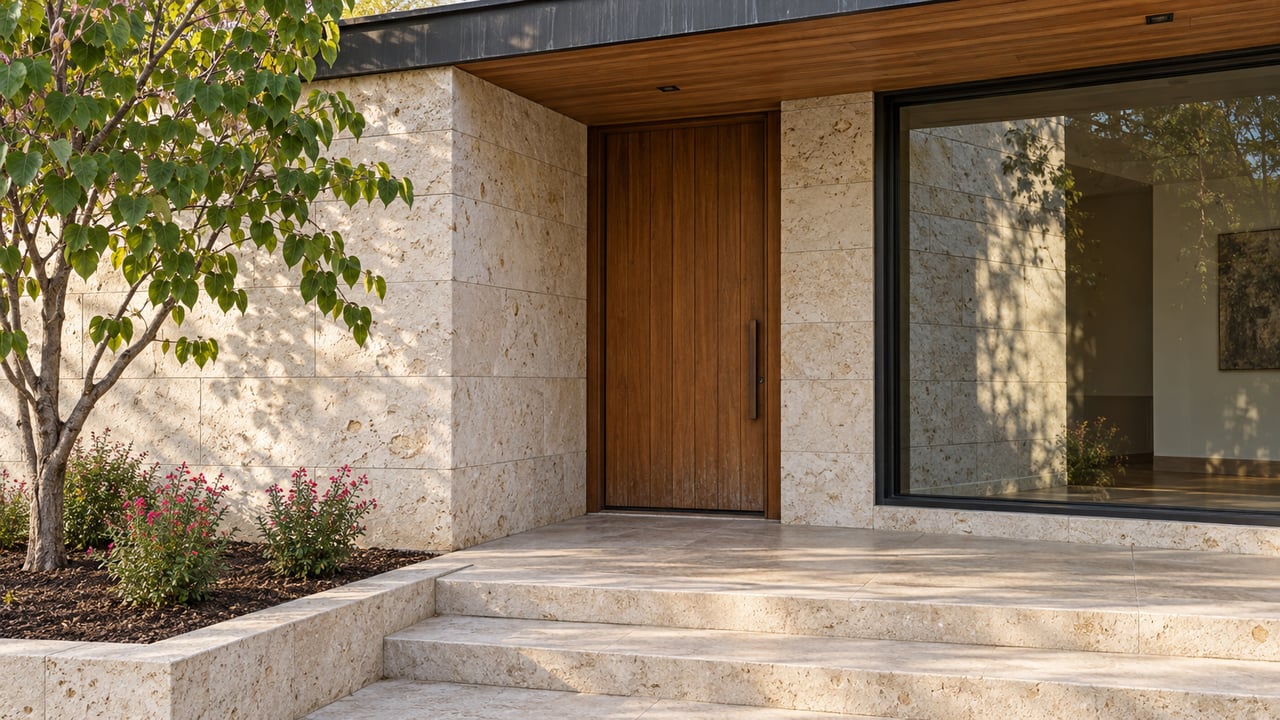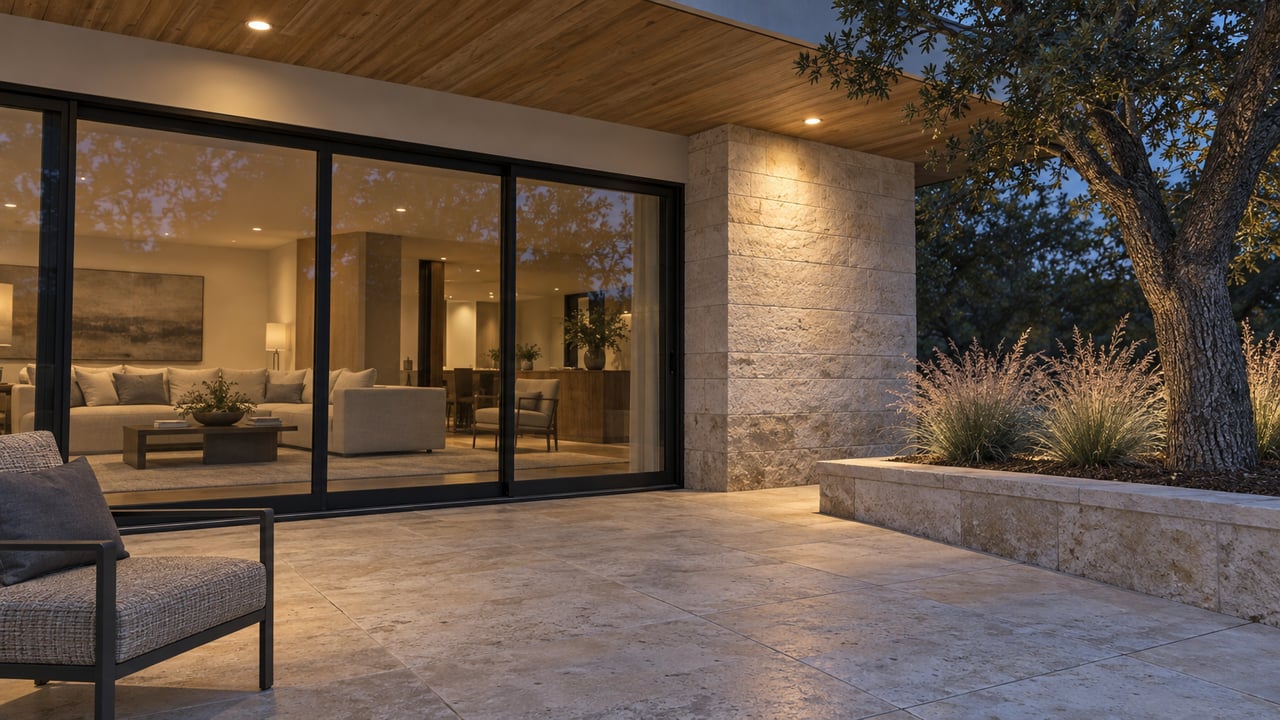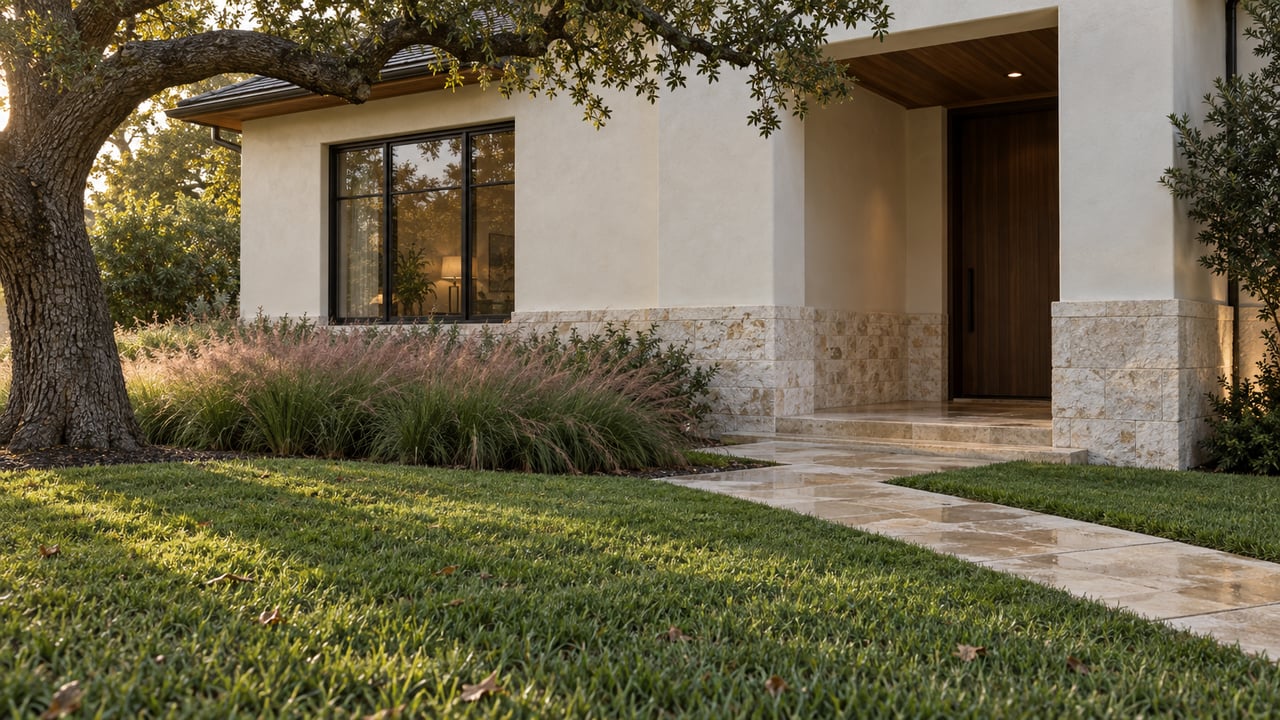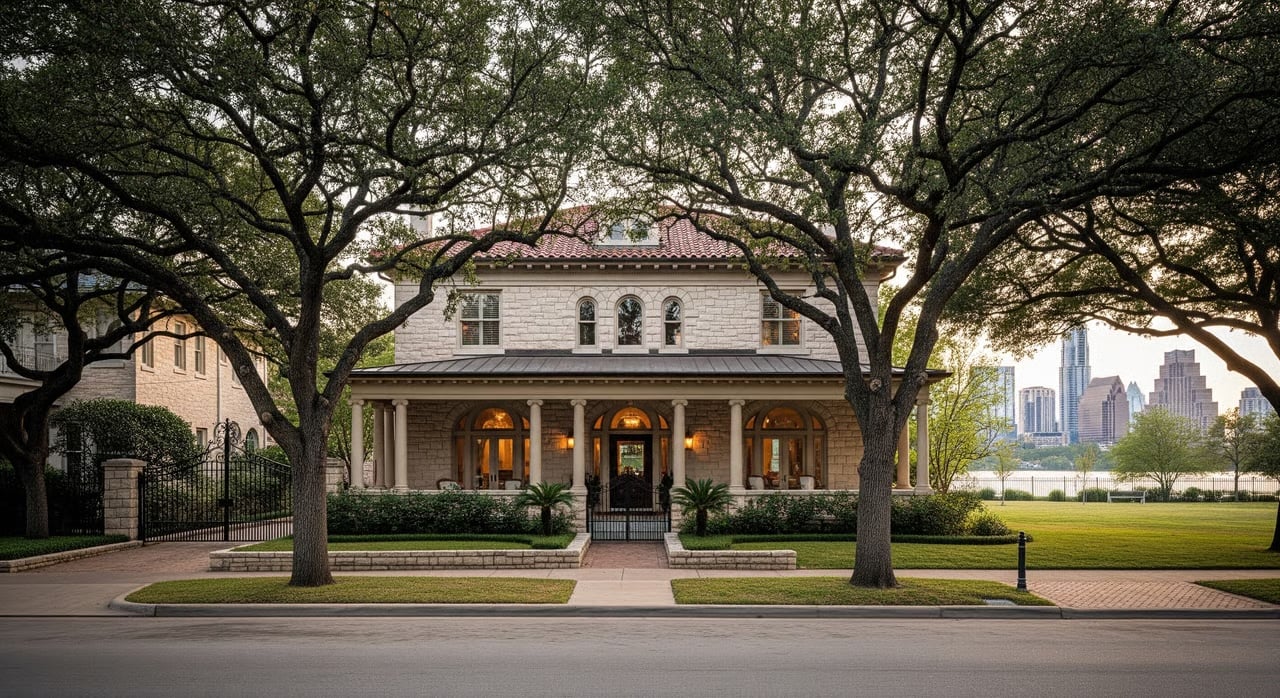
You can fall in love with a view in Dripping Springs in five minutes. What takes longer is figuring out whether that beautiful piece of land, or that brand-new home, is actually the right fit for your budget, timeline, and goals. If you are deciding between raw land, a custom homesite, or a production-style new build, this guide will help you understand the tradeoffs and ask the right questions before you make an offer. Let’s dive in.
Why Dripping Springs Requires More Planning
Dripping Springs is growing fast, and that growth affects how you buy. The city has said it has been managing rapid growth for years and expects more of it, especially in residential land uses and subdivisions in the city and ETJ.
That pace matters because it can affect lot availability, utility access, and permit timing. Census estimates put Dripping Springs at 10,165 residents in 2024, up from 4,650 in 2020, while Hays County grew to 292,029 residents in 2024 from 241,067 in 2020.
For you as a buyer, this means the decision is not just about the house plan or the view. In Dripping Springs, the utility path and permit path can shape your budget and move-in timeline just as much as the property itself.
Land vs New Construction Basics
If you are comparing options, the big picture is fairly simple. Raw land and custom homesites usually give you more control, more privacy, and sometimes more space. Production or semi-custom new construction usually offers more predictability, a clearer process, and fewer site-related unknowns.
That does not mean one path is better for everyone. It means the right choice depends on how much customization you want, how flexible your timeline is, and how comfortable you are managing extra diligence.
Raw Land and Custom Homesites
Buying raw land can be appealing if you want to choose your own design, builder, and construction timeline. In the Dripping Springs area, that often appeals to buyers who want acreage, privacy, or a more tailored home that does not fit a standard community plan.
A good example is Ranches At Dripping Springs, where the developer says the project includes 389 acres with 26 tracts ranging from 12 to 18 acres. The project also states that buyers can choose a preferred builder and set their own construction timeline, which gives you meaningful design flexibility.
The tradeoff is that flexibility usually comes with more homework. You may need to confirm platting, access, utilities, drainage, floodplain issues, septic feasibility, and permitting steps before you can build with confidence.
Production and Semi-Custom New Construction
If you want a more defined path, a production or semi-custom community may make more sense. In these communities, much of the planning, infrastructure, and amenity package is already in place, which can reduce uncertainty.
Caliterra is a useful example in Dripping Springs. Public materials show homesites from 60' x 130' up to 125' x 200', plus custom lots of 1 acre or more, along with both under-construction homes and buildable custom lots.
That range gives buyers different levels of choice. You may find a home already underway for a faster move, or a lot that gives you more room to personalize while still benefiting from a structured community setting.
Start With Jurisdiction First
One of the most important early questions is where the property sits from a regulatory standpoint. Is it inside Dripping Springs city limits, in the ETJ, or in unincorporated Hays County?
That answer affects permitting and review. Hays County notes that development requirements can vary based on the property’s location, and the city’s residential builder packet makes clear that some ETJ development-agreement areas, including Caliterra, are still subject to city permitting.
This is why you should never assume that being outside city limits automatically means a simpler process. In Dripping Springs, location on a map and jurisdiction for permitting are not always the same thing.
Platting Can Affect Timing
When you buy raw land, platting is one of the first things to confirm. Hays County says a raw tract may require a plat application, while a property already in a platted subdivision may not.
That matters because the plat establishes boundaries and can also outline access and utility information. If the tract is not already platted, that step may become part of your purchase process, which can affect both timing and cost.
Hays County also encourages pre-application meetings, and it notes that plat review timelines depend on the scope of the project and how quickly applicants respond to comments. In practical terms, that means even a strong property can take longer to move forward if the paperwork is incomplete or unresolved.
Utilities Are Often the Deciding Factor
In Dripping Springs, utilities can be the difference between land that looks attractive and land that is truly buildable for your plans. This is often the single biggest factor separating a straightforward purchase from a more complex one.
The City of Dripping Springs says it manages wastewater infrastructure for properties inside city limits and select development-agreement subdivisions. However, the city also states that its wastewater facility is currently at full capacity and cannot accept new wastewater service connections.
If sewer is not available, septic may become the path forward. Hays County requires an OSSF septic permit for development in the unincorporated area regardless of lot size or acreage, and that process begins with administrative review before technical review.
If the property may rely on a private well, you should also confirm feasibility early. Hays Trinity Groundwater Conservation District’s homepage currently shows an emergency drought stage and says no new permits for production or non-exempt well construction will be accepted until conditions improve.
Water service restrictions can matter too. Dripping Springs Water Supply Corporation’s public site currently shows Stage 4 watering restrictions and a capital contribution fee of $8,614 effective January 1, 2025.
Floodplain and Drainage Cannot Be Afterthoughts
Beautiful Hill Country land can come with drainage complexity. Before you buy, you want to know whether floodplain, drainage flow, driveway placement, and impervious cover have already been addressed or whether those items still need analysis and approvals.
Hays County requires a floodplain permit for all development inside or outside the floodplain. That is a strong reminder that floodplain and drainage review are not niche issues in this market. They are part of the normal diligence process.
If you are building in the city, the site plan requirements also reflect how important these details are. The city’s residential builder packet requires a scaled site plan showing lot dimensions, setbacks, easements, utilities, driveway location, impervious cover, and drainage flow before a permit is issued.
Why Custom Builds Take Longer
A custom home can be deeply rewarding, but it is rarely the fastest route. Even before permit issuance, the city requires a 911 address and a detailed site plan, and any septic or floodplain items must already be underway.
The city’s builder packet also outlines review timing. It states the city has up to 5 business days to accept an application, up to 3 business days after payment to begin plan review, 10 business days for first-round comments or approval, and 5 more days for additional comments.
Those timelines may sound manageable on paper, but they are just one piece of the overall process. Survey work, engineering, utility decisions, resubmittals, and builder coordination can all add time, which is why custom projects usually require more patience than buying a finished home.
When a Production Community Makes Sense
If your priority is a clearer budget and a faster path to move-in, a production or semi-custom community may be the better fit. Much of the site development work is already planned, and the builder process is usually more standardized.
In Caliterra, for example, public materials highlight trails, parks, a pool complex, a dog park, and event spaces. For buyers, that often means the surrounding infrastructure and amenity planning are already established rather than being built one parcel at a time.
This approach can be especially helpful if you want to reduce uncertainty around site work and permitting. You still need to understand what is included in the price and which builder is responsible for the home, but the path is often easier to forecast.
When a Custom Homesite Makes Sense
A custom homesite may be the better choice if you value privacy, acreage, and design control more than speed. It can also be a strong fit if you already know the type of home you want and are comfortable with a longer planning process.
This route can give you room to create something that fits your lifestyle more precisely. At the same time, it usually asks more of you up front, including diligence on utilities, access, platting, drainage, and feasibility.
If you are also thinking ahead to resale, documentation matters. A tract with a recorded plat, clear access and utility documentation, and no unresolved septic or floodplain issues is generally easier to market and finance than raw land that still needs entitlements and site work.
Questions to Answer Before You Make an Offer
Before you commit to land or new construction in Dripping Springs, get clear answers to these points:
- Is the property in city limits, the ETJ, or unincorporated Hays County?
- Is sewer available, or will the property require septic?
- Is the land already platted, and does the plat show access and utilities?
- Are floodplain, drainage, driveway, and utility questions already resolved?
- If it is new construction, which builder is responsible for the home?
- What is included in the purchase price, and what could become an extra cost later?
These questions can protect both your time and your budget. They also help you compare options more accurately, since two properties with similar list prices may have very different total costs once site work and approvals are considered.
The Smartest Way to Compare Your Options
The best decision usually comes down to matching the property type to your priorities. If you want maximum control and room to create a more tailored home, land or a custom homesite may be worth the extra effort. If you want a more defined process and fewer unknowns, production or semi-custom new construction may give you more peace of mind.
In Dripping Springs, this is not a market where you want to guess your way through the details. A process-driven review of jurisdiction, utilities, platting, and permitting can save you from expensive surprises and help you move forward with confidence.
If you are weighing land, a custom homesite, or new construction in Dripping Springs, working with a local, detail-oriented advisor can make the process much more manageable. To talk through your goals and build a smart plan, Meryl Hawk is here to help.
FAQs
What should you verify before buying land in Dripping Springs?
- You should confirm jurisdiction, platting status, utility access, sewer or septic needs, floodplain and drainage issues, and whether any permits or reviews will be required before building.
How does ETJ property work in Dripping Springs?
- Property in the ETJ is not always simpler to develop, because some ETJ development-agreement areas are still subject to City of Dripping Springs permitting requirements.
Is sewer service always available for new construction in Dripping Springs?
- No. The City of Dripping Springs says its wastewater facility is currently at full capacity and cannot accept new wastewater service connections.
When does a septic permit matter for Hays County property?
- In unincorporated Hays County, an OSSF septic permit is required for development outside sewered areas regardless of lot size or acreage.
Why can buying raw land in Dripping Springs take longer?
- Raw land may require added diligence and approvals such as platting, septic review, floodplain review, drainage analysis, utility planning, and permit coordination before you can build.
What is the advantage of a production or semi-custom community in Dripping Springs?
- This type of community often offers more predictability because infrastructure, amenities, and parts of the builder process are already planned, which can reduce site-development uncertainty.