Staging vs. Selling As-Is in 2026: What Austin Luxury Sellers Are Actually Netting More Money Doing
Austin Luxury Real Estate Market Snapshot in 2026
Austin’s luxury housing market in 2026 is no longer behaving like the runaway seller’s market it was a few years ago. The momentum has shifted into something more nuanced—still strong, still competitive, but far more sensitive to presentation, pricing precision, and buyer psychology. High-end buyers in Austin today are not just purchasing square footage or location; they are buying perceived lifestyle alignment. That subtle shift is exactly why the staging versus selling as-is debate has become such a financially consequential decision.
Luxury homes in neighborhoods like Westlake Hills, Tarrytown, Barton Creek, and parts of Lake Austin are spending more time on the market than they did during the 2020–2022 surge. While well-positioned homes still move quickly, buyers are now more selective, largely due to stabilized inventory levels and fluctuating mortgage conditions in the broader economy. Even affluent buyers—often less rate-sensitive—are factoring opportunity cost into decisions more aggressively than before. That means presentation has quietly become a financial lever rather than just a cosmetic one.
At the same time, Austin continues to attract wealth migration from coastal cities, particularly California and New York, which sustains baseline demand in the luxury tier. These buyers arrive with high expectations shaped by polished, design-forward listings in competitive metro markets. As a result, homes that feel “move-in ready” or emotionally compelling tend to outperform homes that feel like projects, even if the underlying structure and location are identical.
What’s interesting in 2026 is that the market is not uniformly rewarding staging or penalizing as-is sales. Instead, it is rewarding strategic positioning. A $3M home in impeccable condition may not need full staging to command top dollar, while a similar property with dated interiors may lose far more than the cost of staging if left untouched. The Austin luxury market is essentially pricing in psychology now as much as physical attributes, which makes this decision less about tradition and more about calculated net return.
What “Staging” Really Means in Luxury Real Estate
Staging in the luxury segment is often misunderstood as simply placing furniture in an empty home, but in 2026 Austin real estate, it has evolved into a more sophisticated marketing discipline. It blends interior design psychology, architectural enhancement, and lifestyle branding. The goal is no longer just to “decorate” a home but to create an aspirational narrative that helps buyers emotionally commit before they even run the numbers.
In luxury listings, staging is frequently tailored to target demographics. A Lake Austin waterfront property might be staged to emphasize indoor-outdoor living with minimalist, resort-style furnishings, while a Tarrytown estate might lean into timeless elegance and architectural heritage. Professional stagers now collaborate closely with agents and photographers to ensure that every visual frame supports a cohesive story. This level of detail matters because luxury buyers are not just comparing homes—they are comparing experiences.
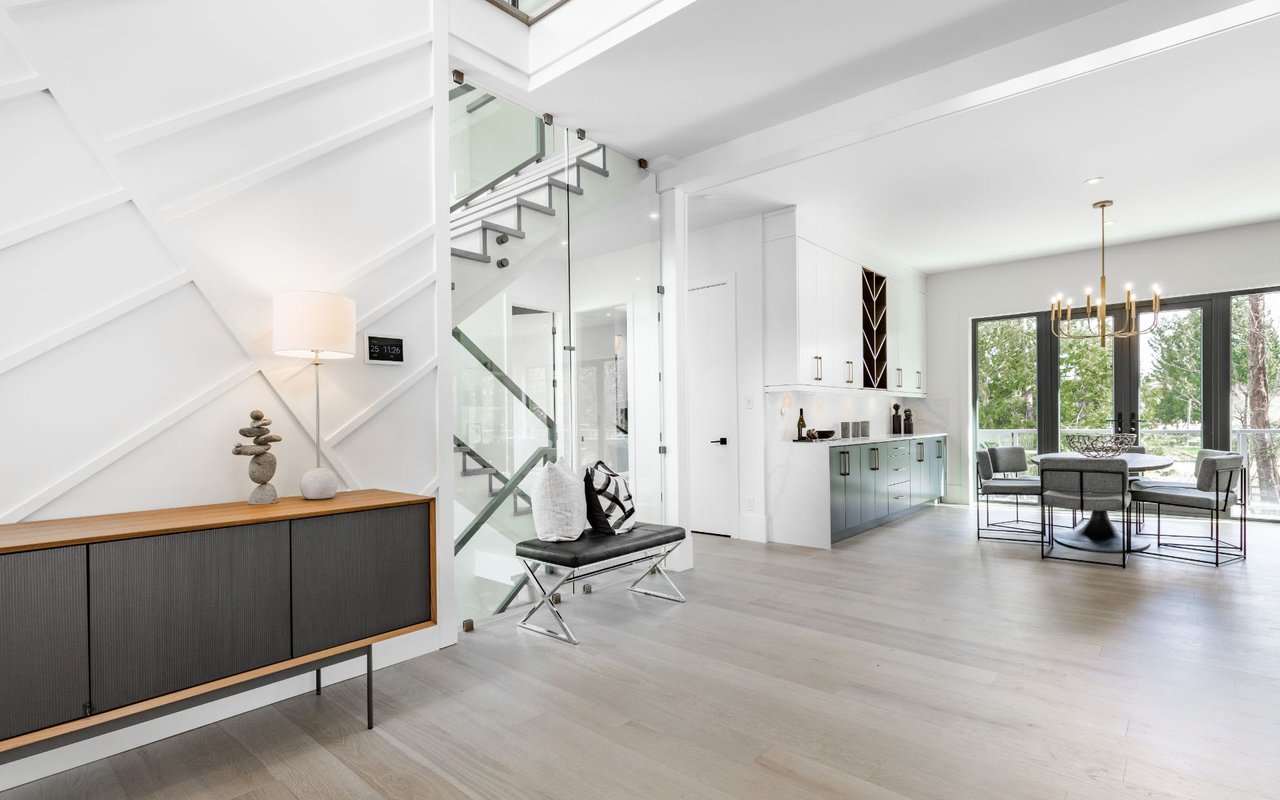
There is also a growing awareness that empty luxury homes often underperform in online listings. High ceilings, expansive rooms, and custom layouts can feel disconnected or even smaller without visual anchors. Staging corrects that perception bias by giving scale, warmth, and flow to spaces that might otherwise feel abstract. In an era where most buyers form first impressions online, this digital-first staging impact cannot be ignored.
Physical Staging vs. Virtual Staging in High-End Homes
Physical staging remains the gold standard in Austin’s luxury market because it delivers sensory realism that virtual staging cannot fully replicate. Walking through a physically staged home allows buyers to experience scale, texture, and flow in a way that influences emotional decision-making. This is particularly important in properties above $2M, where buyers expect tactile confirmation of value.
Virtual staging, however, has become increasingly sophisticated in 2026. High-resolution rendering tools can now simulate lighting, material finishes, and furniture placement with impressive realism. It is often used for pre-listing marketing or properties that are still occupied. While cost-effective, it carries risk if buyers feel misled upon physical inspection. In luxury transactions, that credibility gap can undermine trust quickly.
Many Austin agents now use a hybrid approach—virtually staging for online marketing impact while physically staging key areas such as living rooms, kitchens, and primary suites. This balances cost efficiency with in-person authenticity. The decision ultimately depends on property condition, target buyer profile, and pricing tier, but physical staging still tends to yield stronger net returns in high-end Austin neighborhoods where emotional buying is a dominant factor.
What Selling As-Is Actually Means for Luxury Sellers
Selling a luxury home “as-is” in Austin in 2026 is often misunderstood as a distress signal, but in practice it is more of a strategic positioning choice. It simply means the seller is not investing in repairs, renovations, cosmetic upgrades, or staging before listing. The property is marketed in its current condition, with full transparency about its state, and buyers are expected to factor in any needed improvements themselves. In the luxury tier, this approach can sometimes work surprisingly well—but only under specific market and property conditions.
For high-end sellers, going as-is is usually driven by one of three motivations: speed, liquidity preference, or risk avoidance. Some sellers are relocating quickly and do not want the delay of pre-sale preparation. Others prefer to avoid upfront capital expenditures, especially if they believe the market will still support their price expectations. There is also a subset of sellers who assume that luxury buyers will “see past” cosmetic issues and focus instead on location, lot size, or architectural uniqueness.
However, the key trade-off in the Austin luxury market is perception. As-is listings often trigger a mental discount in buyers’ minds, even when the property is structurally sound. A dated kitchen or worn flooring in a $3M home can disproportionately affect perceived value because buyers expect a turnkey experience at that price point. In other words, as-is does not just mean “no upgrades,” it often translates into “negotiation leverage for the buyer.”
That leverage shows up in final sale outcomes. Buyers may request price reductions, repair credits, or concessions that exceed what staging or light improvements would have cost in the first place. This is why as-is selling is not inherently cheaper—it simply shifts costs into negotiation dynamics. In Austin’s luxury segment, where emotional appeal strongly influences offers, that shift can materially impact net proceeds.
The Psychology of Luxury Home Buyers in Austin
Luxury buyers in Austin are not purely rational investors—they are emotional decision-makers who rationalize their choices afterward. This distinction is critical when comparing staging versus selling as-is. At price points above $1.5M and especially above $3M, buyers are evaluating how a home feels as much as what it offers technically. They are imagining lifestyle upgrades, social positioning, and long-term satisfaction, not just square footage efficiency.
Psychologically, staging works because it reduces cognitive friction. When a home is staged effectively, buyers do not have to interpret space—they immediately understand how rooms function and how their lives would fit inside them. This “mental shortcut” is powerful in luxury real estate because it accelerates emotional attachment. The faster a buyer feels at home, the less likely they are to overanalyze flaws or compare alternatives aggressively.
As-is listings, on the other hand, introduce cognitive load. Buyers must mentally renovate the space, estimate costs, and reconcile imperfections with the asking price. Even experienced investors are not immune to this effect. In Austin, where many luxury buyers are relocating professionals or entrepreneurs rather than institutional investors, this mental burden often leads to conservative offers.
There is also a status-driven layer to buyer psychology. In neighborhoods like Westlake or Barton Creek, buyers expect homes to signal prestige immediately upon entry. If a property feels dated or unfinished, it can subconsciously signal poor value—even if the structure is exceptional. That perception gap can quietly suppress bidding competition.
In essence, staging aligns with how luxury buyers want to believe they make decisions: quickly, confidently, and emotionally justified. As-is selling forces a more analytical mindset, which tends to lower perceived urgency and soften price aggression.
Cost Breakdown of Staging a Luxury Home in Austin
Staging costs in Austin’s luxury segment vary significantly depending on property size, design complexity, and duration on market, but in 2026, most sellers can expect to invest anywhere from $8,000 to $40,000+ for a full professional staging package. For larger estates above 4,000 square feet, particularly in waterfront or gated communities, costs can exceed $60,000 when custom furniture, art, and extended rental periods are included.
The cost structure typically includes consultation, furniture rental, installation, styling, and monthly maintenance fees. High-end staging firms in Austin often work on 30–60 day minimum contracts, with additional charges if the property does not sell quickly. There may also be premiums for rush staging or specialized design themes tailored to target buyer demographics.
While these numbers may appear substantial, they should be evaluated against potential price uplift. In many Austin luxury cases, staged homes sell for 3%–8% more than comparable unstaged properties. On a $2.5M home, even a conservative 4% increase translates to $100,000—far exceeding staging costs. This is why staging is often framed not as an expense but as a return-generating investment.
There is also a time component to consider. Staged homes frequently spend fewer days on market, which reduces carrying costs such as taxes, insurance, and mortgage interest. In high-value properties, even a 30-day reduction in market time can translate into thousands of dollars saved.
The key financial insight is that staging costs are predictable and capped, while the upside is variable but often significantly larger. This asymmetry is what makes staging such a powerful lever in competitive luxury markets like Austin.
Cost Breakdown of Selling As-Is (Repairs, Credits, and Concessions)
Selling as-is might appear cost-free on the surface, but in luxury real estate, costs simply shift rather than disappear. Instead of upfront staging expenses, sellers often absorb value loss through price reductions, buyer credits, or repair concessions negotiated during escrow. These indirect costs can be harder to predict but frequently exceed staging budgets.
In Austin’s luxury market, buyers commonly request credits for outdated systems, cosmetic wear, or deferred maintenance. Even minor issues—such as aging HVAC units or roof concerns—can result in tens of thousands of dollars in concessions. On higher-end estates, inspection negotiations can escalate quickly because buyers expect near-perfect condition at premium price points.
Price reductions are another hidden cost. As-is listings often need to be priced more aggressively from the start to attract attention, especially in competitive submarkets. If the initial pricing is too optimistic, the property may sit longer, eventually requiring price drops that erode perceived value and bargaining position.
There is also an opportunity cost associated with extended time on market. Each additional month carries holding expenses, including utilities, taxes, insurance, and financing costs. For luxury homes, these carrying costs can be substantial, particularly if properties are non-primary residences or part of investment portfolios.
When all factors are combined, the “savings” from avoiding staging can be offset—or even surpassed—by concessions and price compression. This is why experienced Austin agents often calculate net proceeds rather than focusing on upfront expenses alone.
ROI Comparison — Staging vs Selling As-Is
When comparing staging versus selling as-is in Austin’s 2026 luxury market, the most meaningful metric is net return on investment rather than gross sale price. Staging introduces a known cost but often increases both final sale price and speed of transaction. Selling as-is avoids upfront expenditure but can introduce variability in final proceeds due to negotiation dynamics and buyer perception discounts.
On average, staged luxury homes in Austin tend to achieve a 3%–8% price premium compared to similar as-is listings. While this range fluctuates based on property condition and location, it is consistent enough to be considered a structural trend rather than an anomaly. In contrast, as-is homes may save staging costs but frequently concede 2%–6% in negotiations, particularly after inspection periods.
When modeled financially, staging often produces higher net outcomes despite its upfront cost. For example, a $3M property that sells 5% higher due to staging generates an additional $150,000 in revenue. Even after subtracting $25,000–$40,000 in staging expenses, the seller still nets significantly more.
However, ROI is not universal. Homes that are already recently renovated or architecturally distinctive may not benefit as strongly from staging. In those cases, as-is selling can be competitively viable, especially if demand is high in the micro-market.
The key takeaway is that staging is not about guaranteeing higher prices—it is about increasing probability of optimal pricing outcomes. As-is selling shifts that probability curve downward while reducing upfront certainty.
Time-to-Sale Differences Between Both Strategies
Time on market is one of the most underestimated financial variables in luxury real estate. In Austin’s 2026 market, staged homes consistently sell faster than as-is listings, often by a margin of 20%–40% fewer days on market. This difference is not just cosmetic—it directly impacts carrying costs, buyer interest momentum, and negotiation leverage.
Staged homes attract more online engagement because they perform better visually in listing photos and virtual tours. Higher engagement leads to more showings, which increases the likelihood of competitive offers. This creates a feedback loop where perceived desirability accelerates actual market performance.
As-is homes, by contrast, often require more explanation and justification during showings. Buyers may schedule visits out of curiosity but hesitate when confronted with visible updates or deferred maintenance. That hesitation slows decision-making and reduces urgency, extending market timelines.
In luxury segments, time itself carries signaling weight. A home that sits too long can be perceived as overpriced or problematic, even if neither is true. This perception can further reduce buyer aggression, compounding the time disadvantage of as-is listings.
Case Studies from Austin Luxury Neighborhoods
Westlake Hills Example
In Westlake Hills, two comparable homes listed within months of each other demonstrated the staging impact clearly. The staged property, priced at $3.2M, received multiple offers within three weeks and ultimately sold above asking. The as-is property, priced similarly, remained on market for over 60 days and closed after a price reduction and repair credit negotiation. The final net difference exceeded $120,000 in favor of the staged home.
Tarrytown Example
In Tarrytown, a mid-century modern luxury home highlighted the importance of presentation alignment. The staged version emphasized architectural flow and modern design cues, attracting relocation buyers from California. The as-is version struggled with perceived renovation needs, resulting in fewer showings and a lower final sale price despite similar underlying condition.
How Interest Rates in 2026 Are Shaping Seller Strategy
Interest rates in 2026 continue to influence luxury buyer behavior indirectly. While high-net-worth buyers are less rate-sensitive, financing still affects market liquidity. Higher borrowing costs reduce the pool of marginal buyers, increasing the importance of strong presentation to capture available demand.
Inventory Levels and Competitive Pressure in Austin
Austin’s luxury inventory remains moderate but more balanced than previous years. This balance means differentiation matters more than ever, making staging increasingly relevant in competitive submarkets.
When Staging Clearly Wins for Sellers
Staging tends to outperform when homes are vacant, outdated, or highly price-sensitive relative to competing listings. It is especially effective in emotional purchase categories like waterfront properties and architecturally distinctive homes.
When Selling As-Is Actually Makes More Financial Sense
As-is can be advantageous when properties are already renovated, when demand is extremely tight, or when sellers prioritize speed over optimization. It can also work for unique properties that attract niche buyers less influenced by aesthetics.
Hybrid Strategies: Light Staging + Seller Credits
Many Austin sellers now adopt hybrid strategies, combining partial staging with selective buyer credits. This approach reduces upfront costs while still improving presentation enough to avoid major perception penalties.
Realtor Strategies in the Austin Luxury Segment
Top agents in Austin increasingly treat staging as a marketing investment rather than an optional upgrade. They often recommend staging selectively based on ROI modeling, rather than applying it universally.
Final Decision Framework for Luxury Sellers
The decision between staging and selling as-is ultimately depends on three variables: property condition, target buyer profile, and urgency. When emotional appeal drives value, staging tends to win. When speed or uniqueness dominates, as-is may be sufficient.
Conclusion
The Austin luxury market in 2026 does not reward one-size-fits-all strategies. It rewards precision. Staging generally improves both price and speed by aligning with buyer psychology, while selling as-is preserves liquidity but often sacrifices negotiation position. The real outcome difference comes down to whether a property is competing on logic or emotion—and in luxury real estate, emotion often has the final vote.