The $2M+ Austin Luxury Market in 2026: What You're Really Dealing With
Before you swing a single sledgehammer or sign a single contractor agreement, let's get real about what the Austin luxury market is doing right now — because the numbers paint a picture that should fundamentally shape every renovation decision you make. The context here isn't just helpful background; it's the foundation that determines whether your $150,000 kitchen renovation gets you a $200,000 return or leaves you eating a $50,000 loss. The Austin luxury real estate market showed meaningful signs of stabilization in March 2026, with the median sold price rising to $1,395,000, up 1.8% from the same month last year, while the median time to sell dropped sharply to just 24 days — a 22.6% improvement year over year. That's encouraging, but it masks a more nuanced story at the $2M+ price point specifically.
In 2026, Austin's luxury market offers a wide range of outcomes depending on location, lot size, views, condition, and property type. At approximately $2M, buyers are entering Austin's luxury market with access to a range of properties, though trade-offs are common — buyers at this level are typically balancing location versus size versus condition. That word condition is doing a lot of heavy lifting in that sentence. When a $2M+ buyer walks into your home, they're not just buying square footage — they're buying a statement about who they are and how they live. Every dated fixture, every tired bathroom tile, and every cramped outdoor space whispers to them that maybe this home isn't quite worth the premium you're asking. Think of it like a luxury hotel that still has carpet from 2004: technically functional, but it fundamentally breaks the illusion. Your job as a seller is to make sure that illusion is flawless.
The average price per square foot for Austin luxury homes sold in March 2026 was $473, down 1.4% from the same period last year, with the luxury segment having run up sharply from roughly $350 per square foot in 2019 to over $500 at the 2022 peak and gradually normalizing since. What this tells you as a homeowner preparing to sell is that you are working in a market where the tide has pulled back from its highs but has absolutely not receded to shore. Buyers have more options and more patience than they did in 2021, which means that a home that looks like it belongs at $1.6M will be negotiated down to $1.6M regardless of what you list it for. The good news? Smart, targeted renovations specifically calibrated to the $2M+ buyer's expectations can meaningfully close that gap.
Why $2M Buyers Think Differently Than Everyone Else
Here's the thing that separates high-end renovation strategy from everything else you've read about home improvement ROI: the psychology of the buyer changes dramatically as prices climb. A $400,000 buyer is fundamentally practical. They're thinking about monthly payments, square footage, and whether the roof needs replacing. A $2M buyer already knows they can afford the house — what they're evaluating is whether the experience of living in it justifies the price relative to everything else they could buy. According to the Austin Board of Realtors, homes with premium upgrades sell 15-20% faster and at higher price points than standard listings. Speed matters here too, because a luxury home that lingers on the market accumulates a stigma that price reductions alone can't fully erase. At the $2M+ level, the renovation question isn't "will this get us more money?" It's "will this prevent us from leaving money on the table?"
Renovations That Actually Move the Needle on Price
Kitchen Transformations: The Crown Jewel of Luxury ROI
If you're selling a $2M+ home in Austin in 2026 and your kitchen still looks like it was designed in 2009, you have a serious problem — and no amount of strategic staging is going to paper over it. The kitchen is not just where people cook; at this price point, it's where deals are won or lost during buyer showings. It's the room that buyers photograph and send to their friends with the caption "look what we're thinking of buying." That's the level of emotional weight you're dealing with, and it demands an investment that matches it. Kitchens commanded the highest median renovation spend at $24,000 nationally, up from $22,000 in 2024, with renovators increasingly focusing on functionality over aesthetics — prioritizing built-in cabinet storage, new sinks or countertops, and expanded kitchen features like beverage stations or walk-in pantries. But on a $2M Austin property, that national median is your floor, not your ceiling.
Zone-Based Kitchen Design and Statement Islands
The traditional kitchen work triangle, developed for single-cook kitchens in a previous era, has given way to zone-based planning that organizes the kitchen around dedicated stations for prep, cooking, cleanup, beverages, and social gathering — an approach that works for how modern households actually use their kitchens, with multiple people and multiple activities happening at once. This is exactly the kind of renovation intelligence that separates a kitchen remodel that gets buyers excited from one that merely checks a box. An oversized statement island with waterfall-edge quartzite, a dedicated coffee and beverage bar, and a clearly defined social zone adjacent to the cooking area — these are the features that $2M buyers have seen on Instagram and on every design platform they've browsed. When your kitchen reflects what they've been dreaming about, the emotional calculus tilts heavily in your favor.
Appliances and Finishes That Speak the Right Language
Luxury-grade kitchen remodels recoup between 60-80% of costs in resale value in the Austin market. At the $2M price point, that math works out beautifully. Spend $80,000 to $120,000 on a comprehensive kitchen transformation — think Sub-Zero or Wolf appliances, custom walnut or oak cabinetry, natural stone countertops, a professional-grade range, and proper task lighting — and you're looking at recovering $50,000 to $96,000 in increased sale price while also dramatically reducing your days on market. The finishes are the secret language that luxury buyers speak fluently. Wide-plank hardwood floors flowing into the kitchen, custom-built millwork on every vertical surface, and an integrated refrigerator panel that makes the appliance disappear into the cabinetry: these details tell the buyer that the person who built this kitchen was obsessive about quality, and that obsessiveness presumably extended to everything else in the house.
Primary Bathroom Overhauls: Spa-Grade or Don't Bother
If the kitchen is where luxury deals are won, the primary bathroom is where they're lost. Nothing collapses a buyer's confidence in a $2M home faster than a primary suite bathroom that looks like it belongs in a $600,000 house. Buyers at this level have seen spa retreats in boutique hotels, and they're mentally benchmarking your bathroom against those experiences every time they step through the door. The good news is that a well-executed primary bathroom renovation has outsized return potential relative to what you spend. Primary bathroom upgrades increase home value by 10-15% in the Austin luxury market, which on a $2M home means a potential value increase of $200,000 to $300,000 from a renovation that might cost $80,000 to $120,000. That's not a renovation — that's arbitrage.
Smart Features and Materials That Luxury Buyers Expect
The most compelling luxury bathroom renovations in 2026 incorporate spa-style features including steam showers, soaking tubs, heated floors, and circadian lighting systems that shift throughout the day — all integrated with acoustic design through thoughtful material selection and natural light maximized through window placement. These aren't optional nice-to-haves for the $2M buyer; they're baseline expectations. A primary bathroom without a large walk-in shower with a digital rain system, without heated floors, and without custom vanity millwork in a $2M listing is like a luxury car without a premium sound system: technically functional, but it signals that something important is missing. Well-executed bathroom remodeling in the Austin area can recoup between 60% and 72% of its cost at resale, and that figure climbs higher when the renovation is specifically calibrated to the luxury buyer profile rather than the mass-market median.
Outdoor Living: Austin's Secret ROI Weapon
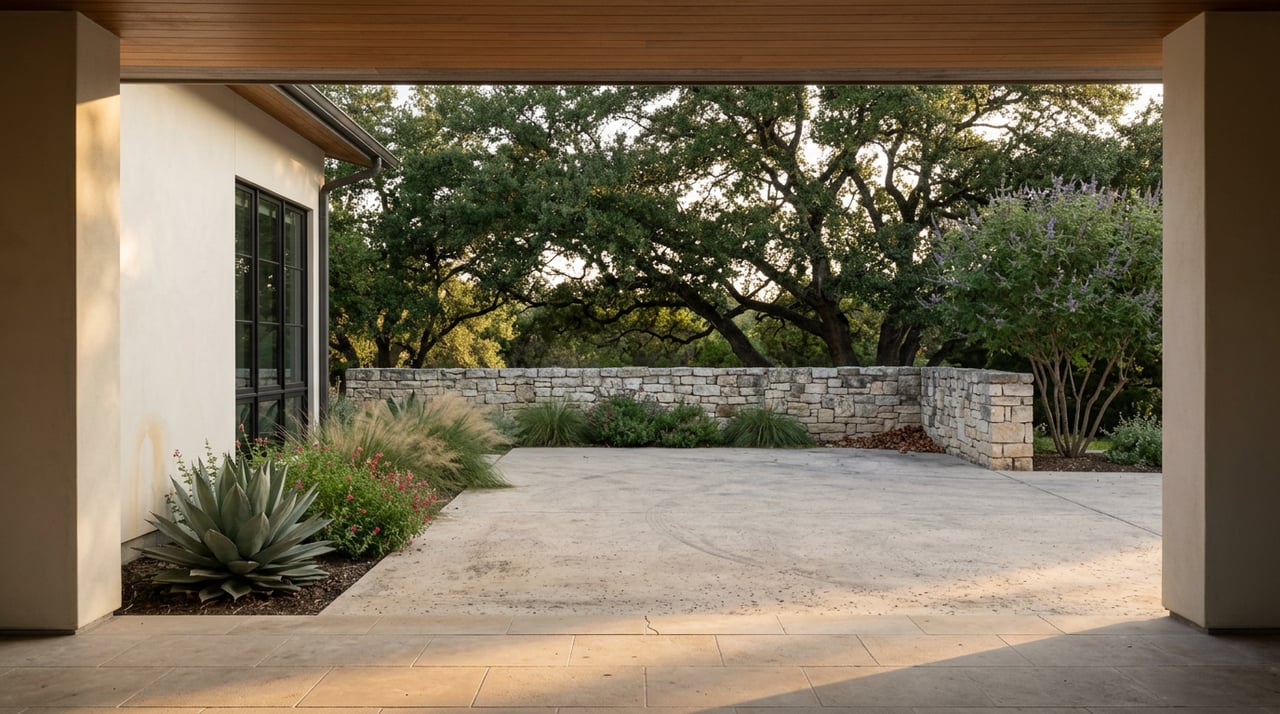
Here's where Austin diverges most dramatically from national renovation ROI data, and where the biggest opportunity lies for the $2M seller who's paying attention. The rest of the country treats outdoor living as a nice seasonal bonus. Austin treats it as a fundamental part of the home itself, and that distinction completely transforms the renovation math. Outdoor living spaces are worth significantly more in Austin than national averages suggest, given that covered patios, outdoor kitchens, and well-designed deck spaces are not luxury add-ons in Central Texas — they're expected. A $15,000 to $25,000 covered patio addition can easily return 80-100% because buyers from out of state specifically look for these features. Now scale that logic up to the $2M buyer, and the numbers get even more compelling.
Covered Patios, Outdoor Kitchens, and Pool Strategies
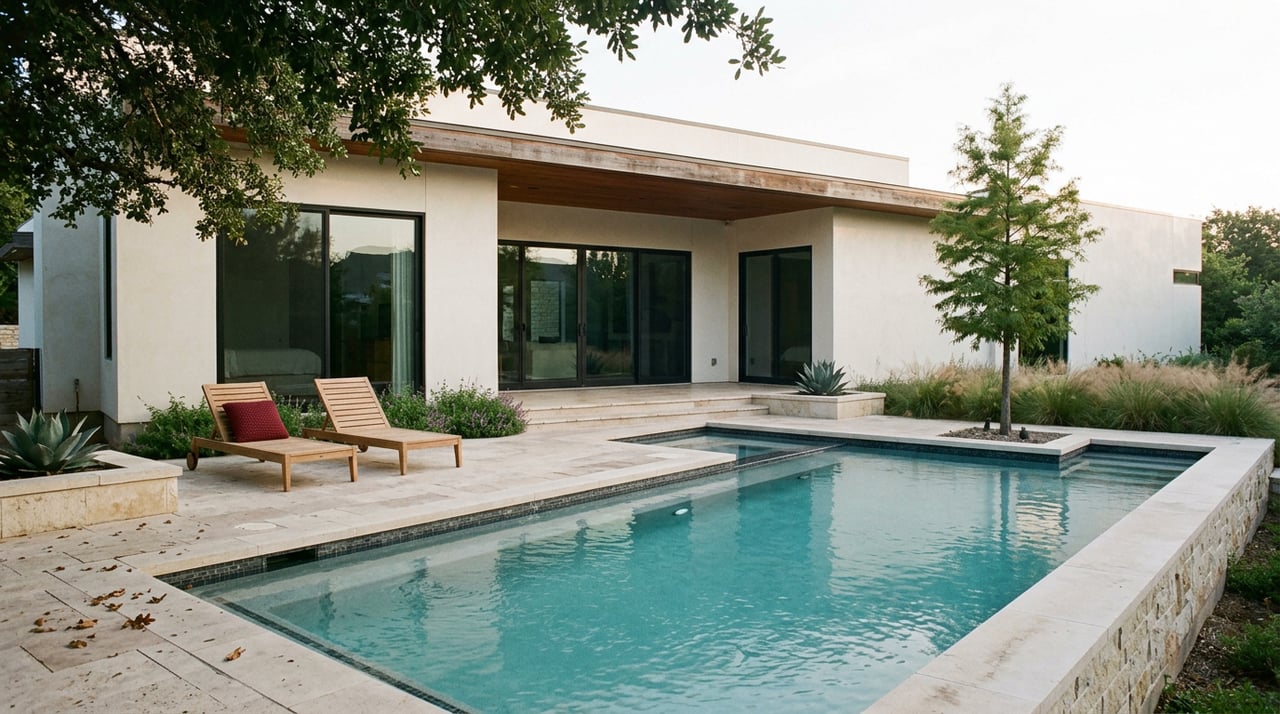
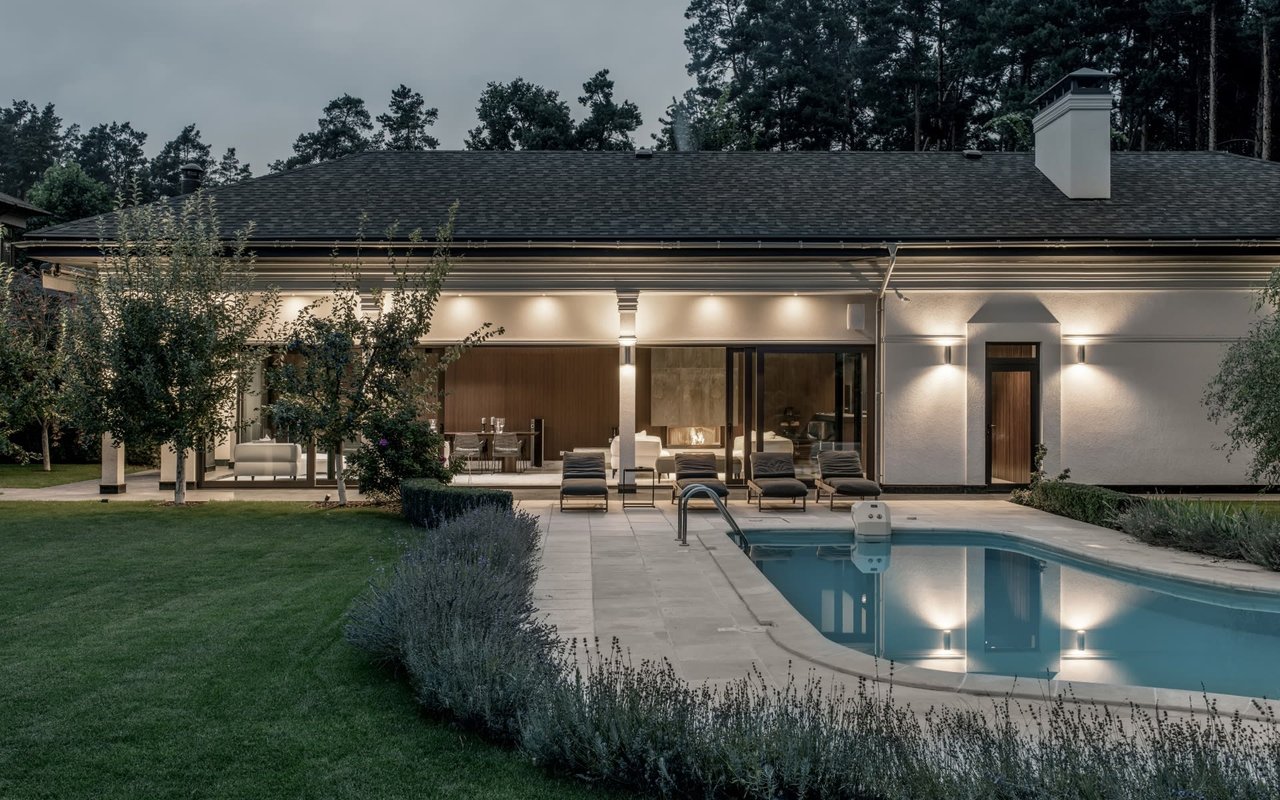
Think of your outdoor space as a second living room that happens to have a sky for a ceiling — because that's exactly how Austin buyers in the $2M range think about it. A covered patio with retractable screens or louvered roof systems, connected to a fully equipped outdoor kitchen with a built-in grill, kegerator, under-counter refrigeration, and stone countertops creates a space that photographs beautifully and lives even better. Outdoor kitchen installations in Austin yield a 75% ROI, making them one of the smartest upgrades for the local market. And when you pair that outdoor kitchen with a resort-style pool featuring infinity edges, smart temperature controls, and integrated lighting — the kind of features that make a backyard feel like a private resort rather than a suburban lawn — you've created a home that buyers will genuinely struggle to walk away from.
On the pool question specifically, the data from Austin's luxury segment is revealing: 45.4% of luxury homes that sold in February 2026 included a pool, which means pools are now essentially table stakes in the upper luxury market. If your $2M home doesn't have one, you're competing against comparable properties that do, and that's a negotiating disadvantage you can't strategy your way out of. A pool installation at the $2M price point is less of an optional upgrade and more of a market parity play — you're not gaining an advantage, but you're preventing a serious one from working against you.
Smart Home Integration: Invisible Technology, Visible Premium
There is a right way and a wrong way to deploy smart home technology in a luxury renovation, and the difference is more important than most sellers realize. The wrong way is to bolt visible smart devices onto an otherwise conventional home — a smart thermostat here, a video doorbell there, a speaker mounted in the corner of the living room. That approach doesn't convey luxury; it conveys an afterthought. The right way is to integrate technology so deeply into the architecture that the systems are invisible until you need them, and then they work with frictionless, hotel-level precision. Smart home technology can boost sale prices by 3-5% in the Austin luxury market, with integrated systems for lighting, climate control, security, and entertainment delivering meaningful value when properly installed.
In 2026, the most sophisticated smart home systems are the ones that are invisible — built into the architecture rather than added on top of it. For a $2M home, that means a Lutron lighting system with circadian programming that responds to time of day, a whole-home audio system with in-ceiling speakers that disappear into the architecture, motorized window treatments that adjust automatically with the sun's position, and a Control4 or Savant system that ties everything together under one interface. These aren't gadgets; they're infrastructure. And they tell the discerning buyer that the previous owner understood what luxury actually means — not conspicuous display, but effortless function.
Curb Appeal and First Impressions That Close Deals
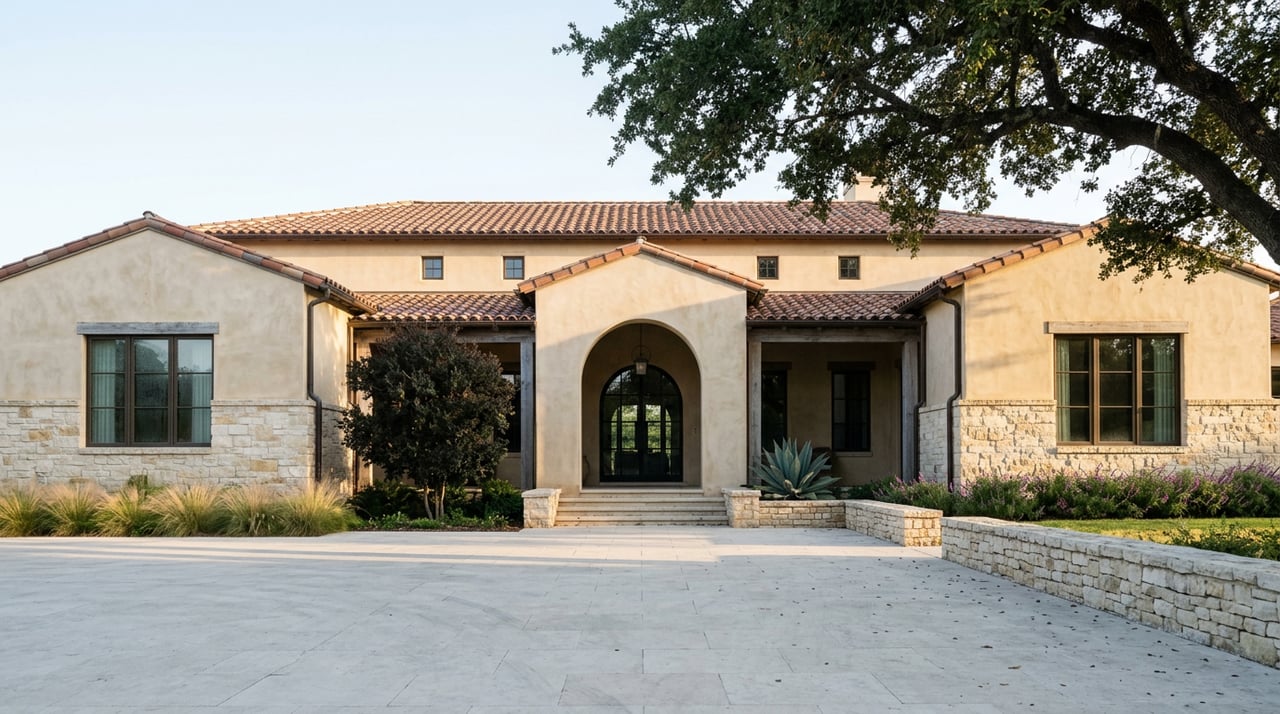
Never underestimate the first 30 seconds of a buyer's experience. Before they've seen the kitchen or the primary suite, before they've tested the smart lighting or imagined themselves in the outdoor kitchen — they've already formed a gut-level impression of your home based on what they saw pulling into the driveway. At $2M, a buyer expects that the exterior presentation matches the price, full stop. This means an impeccable landscape design with mature specimen trees, professionally manicured beds, and potentially uplighting that makes the home look like it belongs in an architectural magazine. A fresh interior repaint in neutral tones along with fixtures and curb appeal improvements represent some of the highest-impact, lowest-cost improvements available to Austin sellers in 2026. The same principle applies at even greater scale on a $2M property — a $15,000 to $25,000 exterior refresh including fresh paint, upgraded entry doors, new garage doors, and professional landscaping can make a home look like it's worth considerably more than you spent to improve it.
What the Data Says: ROI Comparison Table
Here's how the most impactful renovations stack up against each other for a $2M+ Austin home in 2026, based on current market data and local contractor intelligence:
| Renovation | Estimated Cost | Estimated ROI | Value Impact on $2M Home |
|---|---|---|---|
| Kitchen Transformation (luxury grade) | $80,000–$120,000 | 60–80% | +$50,000–$96,000 |
| Primary Bathroom (spa-grade) | $80,000–$120,000 | 60–72% | +$48,000–$86,000 |
| Outdoor Kitchen + Covered Patio | $40,000–$80,000 | 75–100% | +$30,000–$80,000 |
| Pool Installation | $80,000–$150,000 | 50–70% | +$40,000–$105,000 |
| Smart Home Integration | $30,000–$60,000 | 60–75% | +$18,000–$45,000 |
| Exterior Refresh + Landscaping | $15,000–$30,000 | 80–100% | +$12,000–$30,000 |
| Interior Repaint (neutral tones) | $8,000–$15,000 | 100–150%+ | +$15,000–$30,000 |
| Garage Conversion | $20,000–$50,000 | Negative | Hurts sale price |
Renovations That Won't Recover Their Cost
Over-Personalized Spaces That Alienate Buyers
Spending money on renovations is easy. Spending money on the right renovations is an art form, and nowhere does the difference become more costly than in the category of over-personalization. The built-in wine cellar that holds 2,000 bottles. The home theater with 12 custom leather recliners bolted to a tiered platform. The all-black kitchen with matte obsidian finishes. These are renovations that the owner loves passionately and that significantly narrowed the pool of potential buyers who can love them back. At $2M, your buyer pool is already small by definition — you simply cannot afford to shrink it further with polarizing design decisions. Over-personalized renovations including built-in wine cellars, custom meditation rooms with waterfall walls, and all-black bathrooms are things the seller loves but that represent significant risk in the Austin market, where buyers at the luxury level are paying a premium for homes that speak to their vision, not someone else's.
The meditation room is a perfect metaphor for this entire category. You spent $40,000 creating a serene, bamboo-paneled space with a recessed water feature and heated stone floors, and it genuinely brings you joy every morning. But when a buyer walks through, all they see is a room they'd have to tear out and rebuild as something useful — and they mentally subtract $60,000 from their offer to account for the hassle and cost. You paid $40,000 to lose $60,000 in negotiating position. That's the over-personalization tax, and it's ruthless.
Garage Conversions: Austin's Biggest Renovation Mistake
This one deserves its own section because it remains consistently one of the most expensive renovation mistakes Austin sellers make, and it's especially devastating at the $2M price point. Converting the garage is a particularly damaging move in Austin where garages are genuinely used for cars, storage, and escaping the heat, and converted garages on MLS listings almost always hurt the sale because most buyers view a converted garage as an expensive problem to reverse, not additional living space. At the $2M level, buyers have specific expectations about what a home at that price provides — and a proper two- or three-car garage is high on that list. Replacing a garage with a bonus room or "flex space" doesn't just neutralize the benefit; it creates a negative signal that tells buyers the home has been compromised to accommodate someone else's specific lifestyle needs.
Think of it this way: when a $2M buyer sees a converted garage, they don't see the value you added. They see a restoration project with a $30,000 to $50,000 price tag, and they'll negotiate accordingly — or they'll simply move on to the next listing where someone was thoughtful enough not to make this mistake.
Over-Improving for the Neighborhood Ceiling
Even at the $2M price point, there is a neighborhood comp ceiling that acts as an invisible price cap on your renovation ROI, and smart sellers understand this limit before they start writing checks. If the best-in-class comparable sale in your specific Austin neighborhood or ZIP code tops out at $2.3M, spending $400,000 on renovations to justify a $2.5M ask is a mathematical exercise in wishful thinking. Over-improving for the neighborhood is one of the most common renovation pitfalls — appraisers value function first, then aesthetics, and luxury finishes that exceed neighborhood comparables do not translate proportionally into appraised value, regardless of their quality or cost. This doesn't mean you shouldn't renovate; it means you should renovate with surgical precision, targeting the improvements that bring your home up to the level of the best comparable sales rather than trying to redefine what that level is.
The Permit Problem No One Talks About
Here's a renovation reality that catches Austin luxury sellers off guard every single selling season, and it costs them real money: permits and timing. Major renovations in Austin require permits, and the permit process takes time that many sellers dramatically underestimate. Sellers who are planning to list in prime spring selling season and whose renovations require permits should be starting that process immediately — missing the ideal listing window because of permit timelines can mean real money left on the table in a seasonal market like Austin. Austin's City of Austin permitting office has historically been one of the slower permitting municipalities in Texas, and while there have been improvements — including an AI pre-check tool launched in 2026 for standard residential plans — the timeline reality is that structural or system-level permits can take two to four months from application to approval to final inspection.
The practical implication for the $2M seller is this: if you're thinking about a major kitchen renovation, a bathroom structural overhaul, or any work that touches your electrical, plumbing, or HVAC systems, you need to begin the planning and permitting process at least six months before your target listing date. Spring is the most active season for Austin luxury sales — March consistently ranks as one of the strongest sales months of the year for the luxury segment, with the month-over-month surge in sales volume being consistent with spring seasonal patterns where pent-up demand from January and February buyers closes in March. Missing that window because you started your kitchen renovation in January instead of August puts you competing against a smaller, less motivated buyer pool. That's a self-inflicted wound that no amount of renovation quality can fully compensate for.
How to Think About Budget Allocation on a $2M Home
The framework that consistently produces the best outcomes for luxury sellers in Austin is what renovation professionals call renovation concentric circles. You start at the center — the issues that will kill a deal if left unaddressed — and work your way outward toward enhancements that add aspirational value. The biggest cost overruns come from mid-project changes when design decisions are incomplete before construction starts; a structured preconstruction process that includes design review, trade input, and detailed pricing protects homeowners and converts rough ideas into defined scope and realistic pricing before work begins. At the $2M level, where contractors and materials are priced at premium rates, a poorly scoped renovation can spiral from a $150,000 project to a $220,000 one faster than you'd believe possible.
The practical budget allocation framework for a $2M Austin home targeting maximum sale price in 2026 looks something like this: allocate roughly 40% of your renovation budget to the kitchen and primary bathroom as your highest-ROI spaces. Direct another 25-30% to outdoor living, which is uniquely powerful in the Austin market as discussed. Invest 10-15% in smart home infrastructure, which is inexpensive relative to its perceived value at this price point. Reserve 10% for exterior and curb appeal work, because first impressions remain disproportionately influential on buyer psychology. And hold back a contingency buffer of at least 15-20%, because in Austin's 2026 construction environment — where Austin contractors are busy and materials aren't getting cheaper — cost overruns are the rule rather than the exception.
The Lipstick Renovation That Protects Value at Scale
Even if you're not doing a major overhaul, there's a high-ROI, lower-cost renovation strategy that works beautifully as a standalone approach for $2M homes that are already in good structural shape but simply look tired. A "lipstick renovation" costing between $5,000 to $10,000 at the entry level can add $15,000 to $30,000 to the sale price — not by adding value so much as preventing value destruction. A house that shows well sells faster and closer to asking, while a house that shows tired sits and gets lowballed. At the $2M scale, multiply those numbers accordingly. A comprehensive cosmetic refresh — new interior paint in sophisticated neutral tones, updated plumbing fixtures throughout, new cabinet hardware, professional landscaping, power washing, and a deep clean — can cost $25,000 to $50,000 and protect $75,000 to $150,000 in sale price that would otherwise be negotiated away by buyers using visible wear and dated finishes as ammunition.
Think of it as renovation insurance. You're not betting that improvements will add value; you're ensuring that the value already inherent in your home at its price point doesn't get discounted away during negotiations because buyers couldn't see past cosmetic fatigue to the bones underneath.
Conclusion
Selling a $2M+ Austin home in 2026 is not simply a matter of pricing it right and hoping for the best. It's a strategic exercise that demands a clear-eyed understanding of what the current luxury buyer actually values, what the Austin market specifically rewards (outdoor living, smart integration, spa-grade primary suites), and what will quietly drain your ROI without ever adding a dollar to your sale price (garage conversions, over-personalized spaces, renovations that exceed your neighborhood's comp ceiling). The $2M buyer is sophisticated, well-informed, and patient — and they have alternatives. Your job is to make those alternatives irrelevant by presenting a home that makes walking away feel like a genuine loss.
In Austin's current competitive environment, home presentation isn't optional — it's essential. Buyers are particularly responsive to updated kitchens, modern bathrooms, energy-efficient features, and well-maintained outdoor spaces, while over-personalized renovations and luxury upgrades that don't match the neighborhood profile consistently fail to pay off. Apply that wisdom at the $2M scale, stay disciplined about where you spend, start your permitting process earlier than you think you need to, and you'll be in a position to capture the full value this extraordinary market still has to offer.
FAQs
1. How much should I budget for pre-sale renovations on a $2M Austin home in 2026? A practical range for pre-sale renovation spending on a $2M Austin property is $100,000 to $250,000, with the sweet spot depending on the current condition of the home. Homes that are structurally sound but cosmetically dated can achieve significant results at the lower end of that range by focusing on kitchen and bathroom refreshes, outdoor living upgrades, and a comprehensive cosmetic overhaul. Homes with fundamentally dated kitchens, bathrooms, and systems may need to invest at the higher end to reach the condition expectations of today's discerning $2M buyer.
2. Does adding a pool actually help sell a $2M Austin home? Yes — but it's more of a market parity play than a pure value add at this price point. Because nearly half of all Austin luxury homes that sell include a pool, a $2M listing without one is competing at a disadvantage against otherwise comparable properties that have one. A pool won't dramatically outperform the market on its own, but the absence of one gives buyers a powerful negotiating chip that you'd rather not hand them.
3. What smart home features do $2M Austin buyers actually care about in 2026? The features that resonate most at this price point are the ones that are completely invisible until needed — integrated Lutron lighting systems, whole-home audio with in-ceiling speakers, motorized window treatments, and a unified smart home platform like Control4 or Savant. Buyers at $2M are unimpressed by visible smart devices bolted onto conventional infrastructure. They want technology woven seamlessly into the architecture, operating with effortless, hotel-grade precision.
4. How does the Austin outdoor living ROI compare to national averages? Significantly higher. While national outdoor living ROI data typically ranges from 40-60%, Austin's year-round usable climate means that covered patios, outdoor kitchens, and resort-style pools deliver returns in the 75-100% range for the local market. This is one of the most important ways that national renovation ROI data misleads Austin sellers — the outdoor premium here is real, measurable, and considerably larger than anywhere with a conventional four-season climate.
5. Should I renovate before listing or sell as-is and let the buyer customize? At the $2M price point, selling as-is almost always costs more in lost sale price than strategic renovations would have cost to execute. Buyers who see a $2M home in dated condition don't mentally add back the renovation cost at market rate; they discount aggressively for the hassle, uncertainty, and time of doing it themselves. A well-renovated $2M home will consistently outperform an as-is equivalent, often by margins that dwarf the renovation investment — particularly in the kitchen, primary bathroom, and outdoor living categories that $2M buyers weight most heavily.