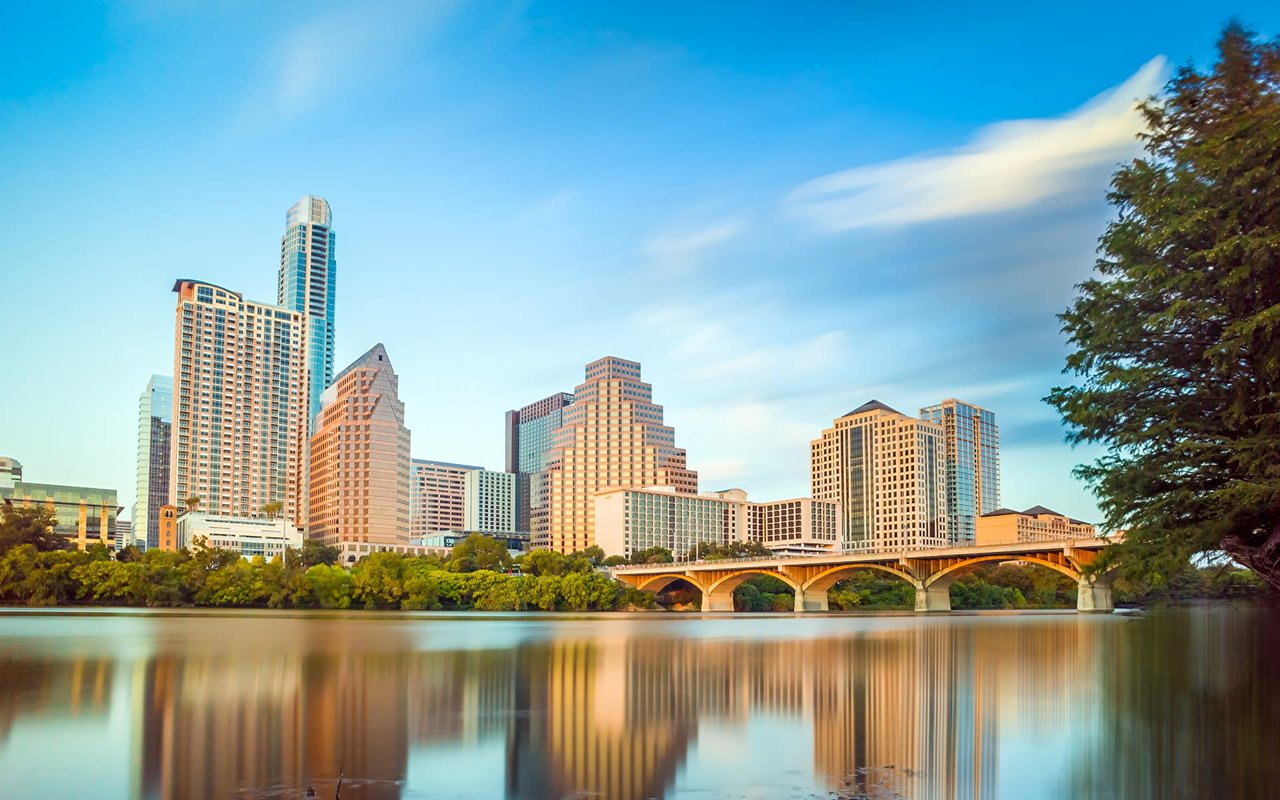
Austin, Texas—the Live Music Capital of the World, the tech hub of the South, the taco paradise. You've probably heard all about South Congress, downtown's Sixth Street, and the trendy Domain. But what about the neighborhoods that don't make it onto every tourist map or real estate brochure? What about those tucked-away pockets of Austin that locals whisper about like well-guarded secrets?
Welcome to the hidden neighborhoods of Austin, where the city's true character reveals itself in quiet streets, local coffee shops, and community gardens. These are the places where you can still find that old Austin charm before the tech boom transformed everything. Ready to explore beyond the usual suspects?
Why Explore Lesser-Known Neighborhoods?
Why venture off the beaten path when there's so much buzz about the popular areas? Simple: authenticity. Hidden neighborhoods offer something the mainstream spots can't—a genuine sense of community, affordable living options, and the chance to experience Austin without the crowds.
Think of it like this: everyone knows about the Mona Lisa, but what about the other masterpieces hanging in the Louvre? These lesser-known neighborhoods are Austin's hidden masterpieces, waiting for you to discover their unique stories, architectural gems, and local flavor. Plus, you might just find your dream home at a price that doesn't require winning the lottery.
East Austin's Emerging Enclaves
East Austin has been getting a lot of attention lately, but within this rapidly developing area lie neighborhoods that still fly under the radar. Let's dive into a couple of these hidden treasures.
Govalle
Tucked between the Colorado River and Highway 183, Govalle is one of those neighborhoods that makes you wonder why more people aren't talking about it. This historically working-class area has maintained its authentic character while slowly embracing new development.
What's special about Govalle? The neighborhood features a mix of modest bungalows and newer constructions, creating an interesting architectural tapestry. The area boasts easy access to the Colorado River Trail system, perfect for morning runs or sunset bike rides. Local spots like neighborhood taquerias serve up authentic Mexican food that'll make you forget about those overpriced downtown fusion restaurants.
The community here is tight-knit, with residents who've lived here for generations mixing with newcomers attracted by the area's potential. It's gentrifying, sure, but at a pace that hasn't completely erased its original identity—yet.
Montopolis
South of Govalle lies Montopolis, another East Austin neighborhood that deserves more attention. Named after an early settler's ambitious (and ultimately failed) attempt to create a rival city to Austin, Montopolis has a fascinating history.
Today, this area offers surprisingly affordable housing compared to central Austin, with a strong Latino community that brings incredible cultural richness to the neighborhood. You'll find family-owned businesses, authentic cuisine, and community events that showcase the area's heritage.
Montopolis also provides excellent access to the airport and downtown, making it practical for commuters. The neighborhood parks, including Montopolis Recreation Center, serve as community hubs where families gather and connections form. It's the kind of place where people still know their neighbors' names.
South Austin's Secret Spots
South Austin gets plenty of love, but even within this popular area, some neighborhoods remain relatively unknown to outsiders.
Bouldin Creek
Wait, isn't Bouldin Creek already famous? Well, yes and no. While the main drags get attention, the residential streets of Bouldin Creek maintain a peaceful, almost secretive quality. This neighborhood sits just south of downtown, bordered by South Congress to the east.
The tree-lined streets feature charming older homes with personality—think colorful paint jobs, quirky yard art, and front porches made for lazy afternoons. Unlike some gentrified areas that feel sterile, Bouldin Creek has retained its bohemian spirit. Small local businesses thrive here, from vintage shops to neighborhood cafes where the barista remembers your order.
The proximity to downtown means you can walk or bike to work, yet return to a quiet residential street where chickens might be pecking around in a neighbor's yard. It's urban living with a neighborhood feel, and that's increasingly rare in modern Austin.
Dawson
Just west of Bouldin Creek lies Dawson, an even quieter neighborhood that many Austinites overlook. This small area maintains a decidedly low-key vibe while offering similar proximity to downtown.
Dawson's streets are lined with modest homes, many from the mid-20th century, creating a consistent neighborhood aesthetic. The area lacks the commercial development of nearby South Congress, which some might see as a drawback but others recognize as its greatest asset. It's residential, peaceful, and affordable—relatively speaking, of course, since we are talking about Austin.
The neighborhood attracts young families and creative professionals who want to live near the action without being in the thick of it. Community members look out for each other, and the slower pace of life here feels almost radical in a city that's grown so rapidly.
North Austin's Quiet Corners
North Austin often gets dismissed as less interesting than its southern counterpart, but that reputation is completely undeserved. Several hidden neighborhoods up north offer fantastic living experiences.
Crestview
Crestview is having a moment, but it's still not on everyone's radar. Located just north of Highway 183 and west of I-35, this neighborhood combines convenience with character.
The area features a mix of original mid-century homes and new development, creating an interesting generational blend. Crestview Station, a mixed-use development, has brought new restaurants, shops, and a MetroRail station to the neighborhood, improving connectivity to downtown without destroying the area's residential feel.
Local businesses dominate here—you'll find neighborhood pubs, family-owned restaurants, and community-focused shops rather than big chains. The Crestview neighborhood association actively works to maintain the area's character while welcoming thoughtful development. Parks and green spaces provide gathering spots for the community, and the overall vibe is friendly and welcoming.
Wooten
Even more under-the-radar than Crestview, Wooten sits nearby and offers similar advantages with even less attention from the masses. This small neighborhood features tree-covered streets and a strong sense of community.
Wooten's homes range from original mid-century construction to newer builds, with prices that—while not cheap—remain more reasonable than central Austin. The neighborhood's central location means you can reach most parts of Austin within 15-20 minutes, yet it maintains a suburban feel.
Community events bring neighbors together regularly, and the area's parks and schools serve as focal points for family life. It's the kind of neighborhood where kids can ride bikes on quiet streets and adults can walk to neighborhood happy hours at local spots.
West Austin's Tucked-Away Treasures
West Austin has a reputation for being expensive and exclusive, but even here, you'll find neighborhoods that don't get as much attention as they deserve.
Tarrytown
Okay, Tarrytown isn't exactly unknown, but it's often overlooked in favor of flashier West Austin neighborhoods. This established area features beautiful tree-lined streets and classic homes ranging from charming bungalows to impressive estates.
What makes Tarrytown special is its walkability and community feel despite being in a more affluent part of town. The neighborhood centers around a commercial area with local restaurants, shops, and services. Residents can walk to get their morning coffee, pick up groceries, or grab dinner without getting in the car.
The area's parks, including Reed Park and Tarrytown Park, serve as community gathering spaces. Schools in the area are highly rated, attracting families who stay long-term, contributing to neighborhood stability. Tarrytown feels established and mature in the best possible way—it's not trying to be trendy; it just is what it is.
Rollingwood
Technically its own municipality within Austin's metro area, Rollingwood is tiny and often forgotten. This independent city of less than 1,500 residents sits near Zilker Park but maintains its own identity.
Rollingwood's homes sit on large, wooded lots, creating a suburban feel just minutes from downtown. The community is tight-knit, with residents taking pride in their neighborhood's independence and character. While property values are high, the area offers a lifestyle that's increasingly rare in Austin—space, privacy, and community all in one package.
The neighborhood's proximity to Zilker Park, Barton Creek, and the Greenbelt means outdoor recreation is always nearby. Yet Rollingwood itself remains peaceful and residential, a hidden oasis in the midst of urban growth.
Central Austin's Overlooked Areas
Central Austin contains some of the city's most desirable real estate, but even here, certain neighborhoods don't get the recognition they deserve.
Old Enfield
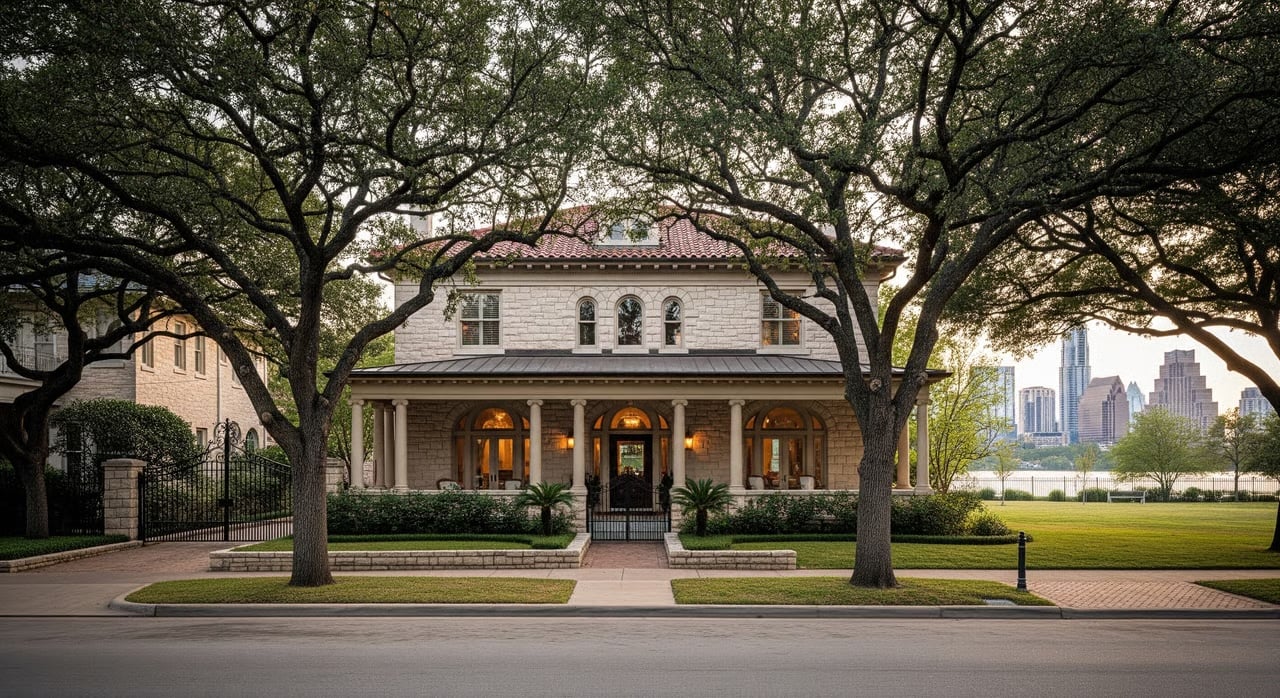
Old Enfield lies just west of downtown, but many people overlook it in favor of trendier adjacent neighborhoods. This historic area features some of Austin's most beautiful homes, many built in the early 20th century with architectural styles ranging from Tudor Revival to Spanish Colonial.
The tree canopy here is incredible—massive live oaks shade the streets, creating a green tunnel effect that feels worlds away from the concrete and glass of downtown, just minutes away. The neighborhood has a sophisticated, established feel without being stuffy. Residents tend to be long-term homeowners who value the area's history and character.
Proximity to downtown, Shoal Creek Trail, and neighborhood amenities makes Old Enfield incredibly practical despite its quiet residential nature. It's the kind of neighborhood where you can enjoy urban convenience while living on a beautiful, peaceful street.
Pemberton Heights
Adjacent to Old Enfield, Pemberton Heights shares many of the same qualities but remains even more under-the-radar. This neighborhood was developed in the 1930s and features homes with significant architectural character.
Pemberton Heights sits atop one of Austin's hills, providing some homes with stunning views. The winding streets discourage cut-through traffic, maintaining the area's peaceful quality. Like Old Enfield, the neighborhood benefits from mature landscaping and a strong tree canopy.
The area attracts homeowners who appreciate architectural history and aren't looking for the newest, shiniest development. There's a timeless quality to Pemberton Heights that appeals to those who value substance over trends.
What Makes These Neighborhoods Special?
So what do all these hidden neighborhoods have in common? What makes them worth seeking out?
Unique Architecture and Character
Unlike newer developments where every house looks like a slight variation of the same design, these neighborhoods feature diverse architectural styles that tell the story of Austin's growth over decades. You'll find everything from bungalows to mid-century modern homes, Spanish Colonial revivals to contemporary builds that respectfully fit into the neighborhood fabric.
This architectural diversity creates visual interest and neighborhood character. Walking these streets feels like exploring living history, with each block offering something different to discover.
Local Businesses and Community Vibe
Hidden neighborhoods tend to support local businesses rather than chains. You'll find neighborhood coffee shops, family-owned restaurants, independent bookstores, and other businesses that contribute to the area's unique identity.
Coffee Shops and Eateries
These neighborhoods are home to the kinds of places where the staff knows regulars by name. Small coffee shops serve as community living rooms where neighbors run into each other. Local restaurants focus on quality rather than Instagram-worthy presentations, though the food often looks pretty amazing anyway.
These establishments create gathering spaces that strengthen community bonds. They're not just businesses; they're neighborhood institutions that bring people together.
Parks and Green Spaces
Hidden neighborhoods often feature neighborhood parks that serve as community hubs. These aren't necessarily the famous parks that attract visitors from across the city—they're local green spaces where neighbors meet for pickup soccer games, birthday parties, and community events.
These parks might not have fancy amenities, but they provide what matters most: space for the community to gather. Kids play together, adults chat on benches, and dogs make friends at informal off-leash gatherings. It's community building at its most organic.
How to Discover These Hidden Neighborhoods
Want to explore these areas yourself? Start by simply driving or biking through them. Unlike tourist attractions that require admission fees or reservations, neighborhoods are free to explore. Park your car and walk around, noticing the details—the architecture, the landscaping, the local businesses.
Visit during different times of day to get a feel for the neighborhood's rhythm. A Saturday morning might reveal busy coffee shops and families heading to parks, while a weekday afternoon shows a different, quieter side. Talk to people you meet—dog walkers, parents at parks, customers at local shops. Austinites are generally friendly and happy to share what they love about their neighborhood.
Check out neighborhood association websites and social media pages to learn about community events. Attending a neighborhood meeting, festival, or market gives you insight into the community's character and priorities.
Living in Austin's Hidden Neighborhoods
Real Estate Opportunities
Hidden neighborhoods often offer better value than their famous counterparts. While no Austin neighborhood is truly "cheap" anymore, these areas typically provide more house for your money or at least a better quality of life for the price.
Because they're less hyped, properties in these neighborhoods may stay on the market slightly longer, giving buyers more negotiating power. You might find original features and character that new construction can't replicate, often at prices below what you'd pay for a generic new build in a trendy area.
For investors, these neighborhoods represent potential. As Austin continues growing, today's hidden neighborhoods often become tomorrow's hot spots. Buying early means establishing roots in a community before prices skyrocket.
Community and Lifestyle
Perhaps the biggest advantage of hidden neighborhoods is the lifestyle they offer. These areas tend to have stronger community bonds because they attract people who choose them intentionally rather than just following trends.
You're more likely to know your neighbors, to participate in community events, and to feel like you're part of something. In a city that's grown as rapidly as Austin, maintaining that sense of community becomes increasingly valuable.
The pace of life in these neighborhoods often feels more sustainable than in Austin's hotspots. You can walk to local spots without fighting crowds, enjoy your yard without constant construction noise, and feel like you have space to breathe.
Conclusion
Austin's hidden neighborhoods offer something increasingly rare in this booming city: authenticity, community, and character that hasn't been polished away by rapid development. From Govalle's emerging identity in East Austin to Pemberton Heights' established elegance in Central Austin, these neighborhoods provide diverse options for anyone seeking a more genuine Austin experience.
Whether you're considering a move to Austin, already live here and want to explore beyond your usual stomping grounds, or simply appreciate learning about the places that make a city unique, these hidden neighborhoods deserve your attention. They represent Austin's past, present, and future—areas that maintain connection to the city's roots while adapting to its evolution.
So next time someone asks you about Austin, skip the usual recommendations. Tell them about these hidden gems instead. Better yet, explore them yourself. You might just find your new favorite corner of the city, or even the place you'll call home. After all, the best discoveries are the ones you make yourself, away from the crowds and the hype, in neighborhoods that reveal their charms slowly to those who take the time to look.
FAQs
1. Are these hidden neighborhoods safe to visit and explore?
Yes, the neighborhoods mentioned in this article are generally safe to visit and explore. Like any urban area, use common sense—visit during daylight hours if you're unfamiliar with the area, stay aware of your surroundings, and respect private property. These are residential neighborhoods, so you're visiting people's homes, not tourist attractions. Most residents appreciate respectful visitors who are genuinely interested in their community.
2. How affordable are homes in these hidden Austin neighborhoods compared to popular areas?
Affordability varies significantly by neighborhood, but hidden areas generally offer better value than Austin's most popular neighborhoods. For example, Montopolis and Govalle typically have lower price points than central Austin locations, while areas like Pemberton Heights are expensive but may offer more house for your money than equivalent properties in Zilker or Travis Heights. That said, "affordable" is relative—Austin's real estate market has appreciated significantly, and even hidden neighborhoods have seen substantial price increases in recent years.
3. Do these neighborhoods have good access to downtown Austin and major employers?
Most of the neighborhoods mentioned offer reasonable access to downtown and major employment centers. East Austin neighborhoods like Govalle and Montopolis are within 15-20 minutes of downtown, while central neighborhoods like Old Enfield are even closer. North Austin areas like Crestview benefit from MetroRail access. However, Austin's traffic can be challenging during rush hours, so consider commute times during the hours you'd actually be traveling, not just off-peak distances.
4. What's the best way to determine if a hidden neighborhood is right for me?
The best approach is to visit multiple times at different days and times. Spend a Saturday morning getting coffee at a local shop, come back on a weekday evening to see rush hour traffic, and walk around on a Sunday afternoon to observe neighborhood activity. Talk to residents you encounter, check out local businesses, and attend a community event if possible. Read neighborhood association newsletters and social media to understand community priorities and concerns. Trust your gut—you'll know when a neighborhood feels right.
5. Are these neighborhoods likely to change significantly in the coming years?
Austin's rapid growth means all neighborhoods are experiencing some level of change. East Austin areas like Govalle and Montopolis are actively gentrifying and will likely see substantial transformation. More established neighborhoods like Tarrytown and Pemberton Heights tend to change more slowly due to protective zoning and strong neighborhood associations. However, no Austin neighborhood is immune to development pressure. If neighborhood character matters to you, look for areas with active neighborhood associations and residents committed to thoughtful, community-centered development rather than unbridled growth.