Are you thinking about trading your spacious Austin home for something smaller and more manageable? You're not alone. Downsizing has become increasingly popular among Austin homeowners, whether they're empty nesters, retirees looking to simplify, or professionals seeking a more minimalist lifestyle. But here's the thing—downsizing doesn't mean you have to settle for less money when selling your current home. In fact, with the right strategy, you can maximize your home's value and walk away with a substantial profit that sets you up perfectly for your next chapter.
Austin's real estate market remains one of the most dynamic in the country, and that means opportunity for savvy sellers. But getting top dollar for your home requires more than just sticking a "For Sale" sign in the yard. You need a comprehensive approach that touches everything from property preparation to pricing strategy. Let's walk through exactly how you can squeeze every last dollar out of your current home while making the transition to downsized living as smooth as possible.
Why Austin Homeowners Are Choosing to Downsize
The Rising Cost of Homeownership
Let's talk about the elephant in the room—maintaining a large home in Austin isn't cheap. Property taxes in Travis County have climbed steadily over the years, and if you've owned your home for a while, you've probably noticed your tax bill growing substantially. Then there's insurance, which has skyrocketed across Texas. Add in utilities for heating and cooling all that square footage, routine maintenance, and the occasional major repair, and suddenly that big beautiful home starts feeling like a money pit.
Downsizing allows you to redirect those funds toward things you actually enjoy—travel, hobbies, investments, or simply building a more comfortable financial cushion. When you sell a larger home in a desirable Austin neighborhood, you can often purchase a smaller property for significantly less, freeing up equity that's been locked away in your house.
Lifestyle Changes and Empty Nesting
Remember when you needed all those bedrooms for the kids? Now they're off building their own lives, and you're left rattling around in a house that's way bigger than you need. Empty nesting is one of the primary drivers of downsizing in Austin, particularly in established neighborhoods like Tarrytown, Westlake, and Northwest Hills.
But it's not just about the kids leaving. Many Austin residents are reassessing their priorities. Maybe you're tired of spending weekends on yard work when you'd rather be hiking the Greenbelt or enjoying live music on South Congress. Perhaps you're ready to travel more and want a home that's easier to lock up and leave. Whatever your reason, downsizing can align your living situation with your actual lifestyle rather than the lifestyle you had ten years ago.
Taking Advantage of Austin's Strong Real Estate Market
Here's where things get exciting. Austin's real estate market, while it's cooled from its pandemic peak, remains incredibly strong compared to national averages. Home values in desirable neighborhoods have appreciated significantly over the past decade. If you've owned your home for several years, you're likely sitting on substantial equity.
This appreciation creates a unique opportunity. You can sell your larger home for a premium price while purchasing a smaller property that, while also valuable, requires less overall investment. The difference? That's money you can use however you see fit—retirement savings, investments, or even purchasing your downsized home outright with no mortgage.
Understanding Austin's Current Real Estate Market
Market Trends You Need to Know
Austin's real estate market has its own personality, and understanding it is crucial to timing your sale right. While we've moved past the absolute frenzy of 2021-2022 when homes sold in days for well over asking price, the market remains seller-friendly in many areas, particularly for well-maintained homes in established neighborhoods.
Inventory levels have normalized somewhat, meaning there's less competition than during the pandemic boom, but demand remains steady. Interest rates have fluctuated, which impacts buyer purchasing power, but Austin continues to attract new residents drawn by the city's thriving job market, cultural amenities, and overall quality of life.
One trend that's particularly relevant for downsizers? Single-story homes and properties with main-floor living are in high demand. If your current home fits this description, you've got a built-in advantage. Baby boomers and aging millennials alike are actively seeking homes that don't require climbing stairs, which means you might have multiple buyer demographics competing for your property.
What Buyers Are Looking For in 2024-2025
Today's Austin buyers have gotten picky—and that's actually good news if you prepare correctly. They're looking for homes that are move-in ready, updated, and energy-efficient. Open floor plans continue to dominate wish lists, as do outdoor living spaces that take advantage of Austin's fantastic weather.
Smart home features are no longer just nice-to-haves; they're increasingly expected. Buyers want programmable thermostats, security systems, and efficient HVAC systems. They're also remarkably focused on location—proximity to amenities, walkability, and neighborhood character all factor heavily into their decisions.
Understanding what buyers want allows you to position your home accordingly. You're not just selling a house; you're selling a lifestyle, a location, and a vision of what the buyer's life could look like in your property.
Preparing Your Home for Maximum Sale Value
First Impressions Matter: Curb Appeal Upgrades
You never get a second chance to make a first impression, right? That's especially true in real estate. Before potential buyers even step through your front door, they've already formed an opinion based on what they see from the street. And in today's market, where most buyers start their search online, those listing photos of your home's exterior can make or break their interest.
Start with the basics. Your lawn should be immaculate—lush, green, and neatly edged. Austin's climate can be tough on grass, so consider professional lawn service in the weeks leading up to listing. Trim overgrown bushes, add fresh mulch to flower beds, and plant seasonal flowers for pops of color. These relatively inexpensive touches create an immediate impression of a well-maintained property.
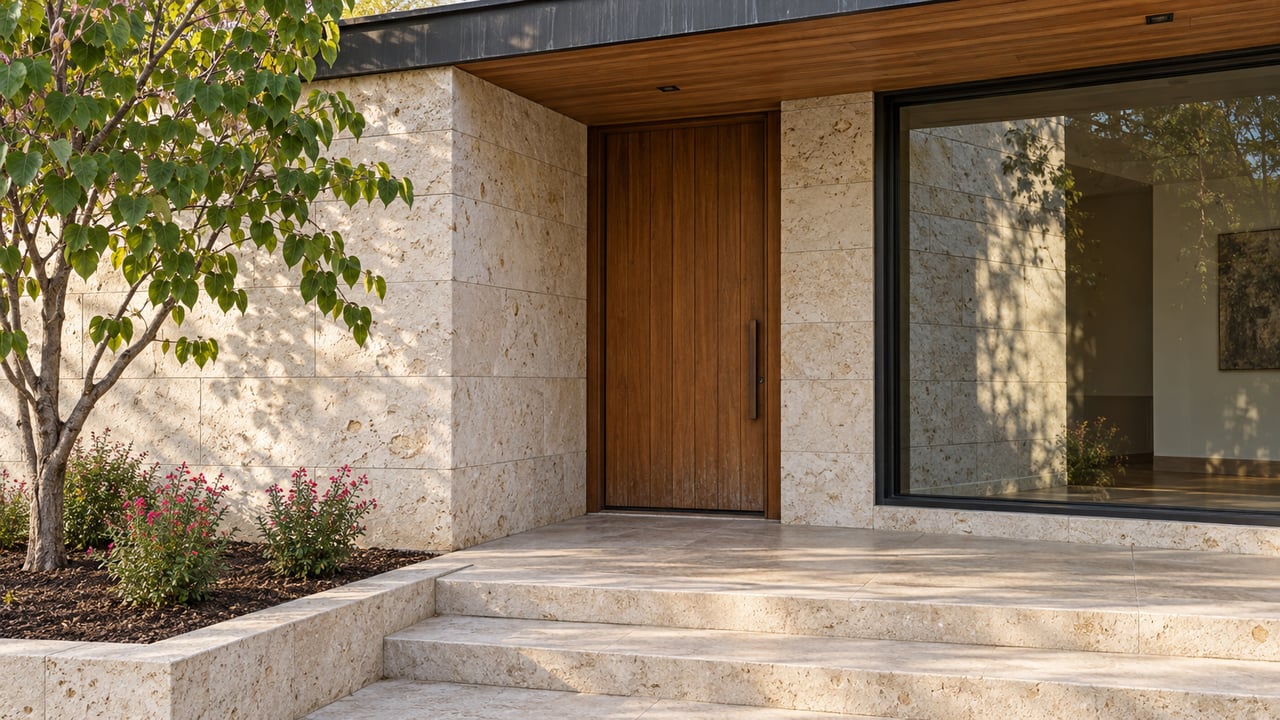
Don't overlook your front door and entryway. A fresh coat of paint on the door (consider a trendy color that complements your home's exterior), new hardware, and an attractive welcome mat can transform your entrance. Clean or replace your mailbox, ensure house numbers are clearly visible, and consider adding landscape lighting to showcase your home's best features even during evening showings.
Interior Updates That Deliver ROI
Not all home improvements are created equal when it comes to return on investment. You don't want to over-improve for your neighborhood, but strategic updates can significantly boost your sale price and help your home sell faster.
Kitchen and Bathroom Renovations
Let's be honest—kitchens and bathrooms sell homes. But here's the good news: you don't necessarily need to do a complete gut renovation to see results. Sometimes strategic updates deliver almost as much impact at a fraction of the cost.
In the kitchen, consider refinishing or painting cabinets rather than replacing them entirely. New hardware, updated lighting fixtures, and modern faucets can make the space feel fresh. If your countertops are dated, replacement might be worth the investment—quartz and granite remain popular choices among Austin buyers. And if you've got old appliances? Stainless steel replacements will make the entire kitchen look updated.
Bathrooms follow similar logic. Re-grouting tile, replacing outdated fixtures, updating lighting, and installing a new vanity can transform a dated bathroom without breaking the bank. If your bathroom has a colored tub from the 1980s, refinishing it in white or replacing it entirely might be worth considering.
Fresh Paint and Flooring
Never underestimate the power of fresh paint. It's one of the highest-ROI improvements you can make. Stick with neutral colors—grays, warm whites, and soft beiges appeal to the broadest range of buyers and make spaces feel larger and brighter. Neutrals also allow buyers to envision their own furniture and style in the space.
Flooring is another critical element. If you have carpet, especially in main living areas, consider replacing it with hardwood, luxury vinyl plank, or tile. Austin buyers strongly prefer hard surface flooring, particularly with concerns about allergens and ease of maintenance. If you already have hardwood floors, professional refinishing can make them look brand new and adds tremendous perceived value.
Decluttering and Depersonalizing Your Space
This step is harder than it sounds, especially if you've lived in your home for years. But it's absolutely essential. Buyers need to envision themselves in your space, and that's difficult when every surface displays your family photos, collections, and personal items.
Start by removing at least half of your belongings from every room. Yes, half. Rent a storage unit if necessary. Clear countertops, thin out closets (buyers will absolutely open them), and remove most wall decorations. The goal is to showcase the home's features—the beautiful fireplace, the abundant natural light, the spacious closets—not your stuff.
Think of this as your first step toward downsizing anyway. Sorting through possessions now makes your eventual move easier and helps you identify what truly deserves a place in your next, smaller home.
Pricing Your Home Strategically
Getting a Professional Home Appraisal
Emotion and real estate don't mix well, especially when it comes to pricing. You might have wonderful memories in your home, and you know exactly how much you've invested in improvements over the years, but the market doesn't care about any of that. The market only cares about comparable sales and current demand.
A professional appraisal provides an objective assessment of your home's value based on recent sales of similar properties in your area. While you'll likely get a free comparative market analysis from your real estate agent, investing in an independent appraisal can give you additional confidence in your pricing strategy and can be useful during negotiations.
Competitive Market Analysis
Your real estate agent should provide a comprehensive competitive market analysis (CMA) that looks at recently sold homes, currently listed homes, and properties that were listed but didn't sell. This analysis considers homes similar to yours in size, age, condition, and location.
Pay particular attention to days on market for comparable properties. In Austin's varied neighborhoods, market conditions can differ significantly. A home in Westlake Hills might move quickly at a premium price, while a similar-sized home in a different area might require different pricing strategy.
The key is finding that sweet spot where you're pricing competitively enough to attract serious buyers quickly, but not leaving money on the table. In many Austin neighborhoods, properly priced homes still receive multiple offers, which can drive the final sale price above asking.
Avoiding Common Pricing Mistakes
The biggest mistake sellers make? Overpricing. It's understandable—you want to maximize your profit, and maybe you've heard about that neighbor who got way more than asking price. But overpricing typically backfires. Your home gets the most attention in the first two weeks on the market. If it's priced too high, serious buyers will skip right past it, and you'll end up sitting on the market, which makes buyers wonder what's wrong with the property.
Another mistake is pricing based on how much you need for your next home rather than what your current home is actually worth. The market doesn't care about your financial needs. Price should be determined by market conditions and comparable sales, period.
Finally, don't let your ego get attached to the price. If you're not getting showings or offers, the market is telling you something. Be prepared to adjust your strategy based on feedback and market response.
Marketing Your Austin Home Effectively
Professional Photography and Virtual Tours
In today's digital-first real estate market, professional photography isn't optional—it's essential. The vast majority of buyers start their home search online, and they're scrolling through dozens or even hundreds of listings. If your photos don't immediately grab their attention, they'll simply move on to the next property.
Professional real estate photographers understand lighting, angles, and composition in ways that smartphone cameras can't replicate. They know how to make rooms look spacious, highlight your home's best features, and create images that make buyers want to schedule a showing immediately.
Virtual tours and video walkthroughs have become increasingly important as well. These tools allow out-of-town buyers (remember, Austin attracts relocations from across the country) to get a genuine feel for your property before they even visit in person. Drone footage can showcase your lot, neighborhood, and Austin's beautiful landscape in ways that ground-level photos simply cannot.
Leveraging Social Media and Online Listings
Your home should be everywhere potential buyers are looking—and today, that means social media. A good listing agent will market your property across multiple platforms: the MLS (obviously), Zillow, Realtor.com, and the agent's own social media channels.
Facebook, Instagram, and even TikTok have become powerful real estate marketing tools. Targeted ads can reach specific demographics—like California residents searching for Austin properties or empty nesters looking to downsize. Story-telling content that highlights your neighborhood's amenities, local favorites, and lifestyle benefits can attract buyers who are purchasing not just a home, but an entire Austin experience.
Don't underestimate the power of the written description either. A compelling listing description that highlights unique features, recent updates, and neighborhood perks can be the difference between a buyer scheduling a showing or moving on to the next property.
Targeting the Right Buyer Demographics
Who's your ideal buyer? Understanding this helps shape your entire marketing approach. If you're in a family-friendly neighborhood with top-rated schools, your marketing should emphasize those features and target families with children. If you're in a hip urban neighborhood near downtown, highlighting walkability, nightlife, and proximity to Austin's cultural amenities makes more sense.
Austin's diverse buyer pool includes young professionals relocating from expensive coastal cities, growing families trading up, retirees seeking an active lifestyle, and yes, other downsizers. Understanding which demographics are most likely to be interested in your specific property allows your agent to craft targeted marketing that speaks directly to those buyers' desires and needs.
Working with the Right Real Estate Professional
What to Look for in an Austin Real Estate Agent
Not all real estate agents are created equal, and in a market as competitive as Austin, having the right representation can literally mean tens of thousands of dollars difference in your final sale price. So what should you look for?
Experience matters, particularly experience in your specific neighborhood. An agent who regularly works in your area understands the nuances of your local market—what sells quickly, what buyers expect, and how to price competitively. They have relationships with other local agents, which can be invaluable when it comes to getting advance notice of potential buyers.
Look for an agent with a strong marketing presence. Check out their social media, their website, and their previous listings. Do they invest in professional photography? Do they create compelling listing descriptions? Are their past clients leaving positive reviews?
Communication style is crucial too. You want an agent who's responsive, who explains things clearly, and who you feel comfortable working with. This is a significant financial transaction and potentially an emotional process—you need someone who's not only competent but also someone you trust and feel good working with.
Understanding Commission Structures
Traditional real estate commissions typically run 5-6% of the sale price, split between the listing agent and the buyer's agent. On an Austin home selling for $600,000, that's $30,000-$36,000 in commissions. That's not insignificant, so understanding what you're paying for is important.
A good agent earns their commission through marketing expertise, negotiation skills, market knowledge, and managing the complex process from listing to closing. They're handling pricing strategy, professional photography, marketing across multiple platforms, scheduling and managing showings, negotiating offers, coordinating inspections and appraisals, and solving the inevitable issues that arise during the transaction process.
That said, commission structures are negotiable, particularly if you're selling a higher-priced home or working with an agent who's also helping you purchase your next property. Don't be afraid to have this conversation, but also recognize that the cheapest option isn't always the best option. An experienced agent who gets you $20,000 more on your sale price is worth their commission even if it's higher than a discount broker's fee.
Alternative Selling Options
While working with a traditional agent is the route most sellers take, it's worth knowing your alternatives. Some Austin homeowners explore iBuyers—companies that make instant offers on homes and handle the entire transaction digitally. The convenience is appealing, but these offers are typically below market value.
For-sale-by-owner (FSBO) is another option, potentially saving on commission but requiring significant time, expertise, and effort on your part. You'll handle all marketing, showings, negotiations, and transaction coordination. For most sellers, especially those already busy planning a move and downsizing their belongings, the time and stress saved by working with an agent outweighs the commission cost.
Flat-fee MLS services offer a middle ground—you pay a set fee to list your home on the MLS but handle most other aspects yourself. This can work for sellers with real estate experience and time to manage the process, but it's not ideal for everyone.
Timing Your Sale for Maximum Profit
Best Seasons to Sell in Austin
Timing matters in real estate, and Austin has its own seasonal patterns. Traditionally, spring has been the hottest selling season. The weather's beautiful, families want to move before the next school year, and buyers who've been searching through winter are ready to act. Homes listed in March through May typically see more competition from buyers and can command premium prices.
Summer remains active, though the Texas heat can slow things slightly. Fall brings another wave of motivated buyers, particularly those who want to close before the holidays. Winter is generally the slowest season, with fewer buyers actively searching and many people focused on holidays rather than house hunting.
That said, Austin's strong market means well-priced, well-presented homes can sell successfully any time of year. If your situation requires selling during a slower season, don't panic—you can still achieve great results with the right pricing and marketing strategy.
Economic Factors to Consider
Beyond seasonality, broader economic factors influence real estate markets. Interest rates significantly impact buyer affordability and demand. When rates are low, buyers can afford higher home prices, which can drive up sale prices. When rates rise, buyer purchasing power decreases, which can slow the market.
Austin's local economy is another consideration. The city's diverse economy—tech, healthcare, education, government—has historically provided stability, but keeping an eye on major employer announcements, development projects, and economic trends can help you time your sale strategically.
Property tax assessments and rates also factor in. If Travis County has just announced significant tax increases, buyers might be more hesitant, or they might negotiate harder on price. Understanding these external factors helps you set realistic expectations and adjust your strategy accordingly.
Negotiation Strategies That Work
Handling Multiple Offers
In Austin's competitive market, receiving multiple offers isn't unusual, especially if your home is priced well and shows beautifully. This is obviously a good problem to have, but it requires careful strategy to maximize your outcome.
First, don't automatically accept the highest offer. Look at the complete picture: down payment size, financing type (cash offers are stronger than FHA loans), contingencies, proposed closing date, and earnest money deposit. An offer that's $5,000 higher but includes an inspection contingency and financing contingency might be riskier than a slightly lower all-cash offer with no contingencies.
Your agent can request "highest and best" offers, asking all interested buyers to submit their absolute best offer by a specific deadline. This strategy can drive prices up but should be used carefully—mishandling a multiple offer situation can backfire and cause buyers to walk away frustrated.
Consider the human element too. Sometimes a buyer's personal letter about why they love your home can be persuasive, though you should never make decisions based on protected class characteristics. Focus on the financial and contractual strength of offers while being aware that smooth transactions often come from buyers who are genuinely excited about your property.
Understanding Contingencies
Contingencies are conditions that must be met for the sale to proceed. Common contingencies include financing (buyer must secure a loan), inspection (property must meet certain standards), appraisal (home must appraise at or above the sale price), and sale of buyer's current home.
Each contingency represents a potential exit point for the buyer and uncertainty for you. As a seller, you generally want fewer contingencies, though some are standard and unavoidable. The key is understanding which ones are reasonable and which might be red flags.
Inspection contingencies are nearly universal and generally reasonable—buyers want to ensure they're not purchasing a home with major hidden problems. However, you can negotiate the terms, such as limiting the buyer's remedy to major structural or system issues rather than every minor cosmetic item.
Financing contingencies are also standard unless you're dealing with a cash buyer. But you can request proof of pre-approval and set reasonable timelines for loan approval. A buyer who's been pre-approved by a reputable lender is much more likely to successfully close than someone just starting the financing process.
When to Accept, Counter, or Walk Away
Every offer requires a decision: accept, counter, or reject. Accepting is straightforward—you agree to the terms as written. But most offers warrant at least some negotiation through counteroffers.
Common items to counter include price, closing date, contingencies, and what stays with the home (appliances, fixtures, etc.). Your agent will help you craft counteroffers that move negotiations forward without insulting the buyer or causing them to walk away.
Sometimes walking away is the right choice. If a buyer is making unreasonable demands, trying to renegotiate after inspection for minor items, or showing signs they may not be able to actually close, protecting yourself by ending negotiations might be wise. Austin's market typically provides other opportunities, so don't feel pressured to accept a problematic deal just because it's on the table.
Trust your agent's advice, but also trust your gut. If something feels off about an offer or a buyer, that instinct is worth listening to.
Minimizing Costs During the Selling Process
Understanding Closing Costs
Selling a home isn't free—various costs will come out of your proceeds at closing. Understanding these helps you set realistic expectations about your net profit.
Typical seller closing costs include real estate commissions (usually the largest expense), title insurance, escrow fees, prorated property taxes, HOA fees if applicable, and transfer taxes. In Texas, sellers customarily pay for the owner's title policy, while buyers typically pay for their lender's policy.
You might also face costs for required repairs discovered during inspection, though you can sometimes negotiate these with the buyer. HOA estoppel fees, survey costs, and home warranty policies (if you choose to offer one) add to your expenses.
Plan for closing costs to run 1-3% of the sale price beyond the real estate commission. On a $600,000 home, that might be another $6,000-$18,000. Your closing disclosure will detail these costs before closing, so there shouldn't be surprises, but building these into your financial planning from the start helps you understand your true net proceeds.
Tax Implications of Selling Your Home
Here's some good news: many sellers owe no capital gains tax on their home sale. The IRS allows individuals to exclude up to $250,000 in capital gains ($500,000 for married couples filing jointly) if you've owned and lived in the home as your primary residence for at least two of the past five years.
Let's say you purchased your Austin home for $300,000 fifteen years ago and you're selling it for $650,000. That's a $350,000 gain. If you're married and meet the residency requirements, you can exclude the entire gain from taxes—$350,000 is under the $500,000 threshold. That's significant tax savings.
However, there are nuances. If you've taken depreciation deductions (such as for a home office), those might be "recaptured" and taxed. Any improvements you made to the home can be added to your cost basis, potentially reducing your taxable gain. And if you've owned the property for less than two years or don't meet the primary residence requirement, different rules apply.
Consult with a tax professional about your specific situation. The potential tax implications can influence your decisions about when to sell, how much to invest in improvements, and what to do with the proceeds.
Avoiding Unnecessary Repairs
Not every repair or improvement is worth making before listing your home. Some actually won't return their cost, while others are essential. How do you tell the difference?
Major system failures (roof, HVAC, foundation) typically need addressing before listing. Buyers and their lenders will catch these during inspection and appraisal, and they can kill deals or lead to significant price reductions. Handling these proactively, getting quotes, and either fixing them or pricing accordingly gives you more control.
Cosmetic issues are judgment calls. That outdated bathroom might be worth updating, or it might be fine to leave for buyers to customize to their taste. Your agent can provide guidance based on local buyer expectations and comparable sales.
Minor repairs—leaky faucets, cracked caulking, squeaky doors—are worth handling because they're cheap and signal to buyers that the home has been well-maintained. But don't go overboard. That theoretical $50,000 pool you think would be amazing? You'll never recoup that cost and might actually limit your buyer pool to only those who want a pool.
Planning Your Downsizing Move
Finding Your Next Austin Home
While maximizing the sale of your current home is important, don't forget you also need somewhere to go. Many downsizers struggle with this transition—emotionally and logistically.
Start exploring what's available in your price range and desired location well before listing your current home. This helps you understand what's realistic and might influence how much you need to net from your current sale. Austin offers diverse downsizing options: condos downtown for lock-and-leave convenience, smaller single-story homes in established neighborhoods, active adult communities, and new construction in developing areas.
Consider what matters most in your next chapter. Proximity to healthcare? Walkability to restaurants and entertainment? Access to outdoor activities? Low maintenance? One floor living? Being clear about your priorities helps focus your search and ensures your downsized home actually improves your quality of life rather than feeling like a compromise.
Timing the Sale and Purchase
Timing the sale of your current home and the purchase of your next home is one of the most challenging aspects of downsizing. Ideally, the transactions would close simultaneously, but that's difficult to orchestrate.
Some sellers choose to make their sale contingent on finding suitable replacement property, but this makes your property less attractive to buyers who want certainty. Alternatively, you might include a rent-back agreement allowing you to remain in your sold home for a period while you finalize your purchase of the next property.
Another approach is to sell first, move temporarily into short-term housing (an extended-stay rental, staying with family, or storage plus temporary accommodation), then purchase your next home without the pressure of overlapping mortgages or rushed decisions. This is stressful but gives you maximum flexibility and negotiating power as a cash buyer for your next property.
What to Do If You Need to Sell First
If you absolutely need the proceeds from your current home to purchase your next one, you've got to be strategic. This is where proper planning and working with an experienced agent becomes crucial.
Consider getting pre-approved for a bridge loan, which provides short-term financing based on the equity in your current home. This allows you to purchase your next home before your current one sells, avoiding the stress of temporary housing and giving you time to properly market your current property without desperation.
Another option is working with a real estate agent who can help you find a seller willing to do an extended closing. If you find your perfect downsized home but won't have proceeds available for 60-90 days, some sellers (particularly those who aren't in a rush) might be willing to accommodate a delayed closing.
The key is being upfront about your situation and building sufficient time into your planning. Don't wait until you find your dream downsized home to start the process of listing your current property—by then it might be too late.
Conclusion
Downsizing in Austin doesn't mean settling for less—it means strategically moving into your next life chapter while maximizing the financial benefit of your current home. Austin's strong real estate market provides tremendous opportunity for sellers who approach the process intelligently and with proper preparation.
From understanding market conditions to preparing your home, pricing strategically, marketing effectively, negotiating wisely, and timing your transition properly, each step contributes to achieving the highest possible sale price. Remember, the goal isn't just to sell your house—it's to position yourself for a better, more manageable lifestyle while securing the financial resources to enjoy it fully.
The journey from your current home to your downsized Austin property might feel overwhelming at times, but with the right team, strategy, and preparation, it can also be exciting and rewarding. You're not just selling a house; you're unlocking equity, simplifying your life, and creating new possibilities for how you'll spend your time and money. That's worth doing right.
FAQs
1. How long does it typically take to sell a home in Austin?
The timeline varies based on location, price, and condition, but well-priced homes in desirable Austin neighborhoods often sell within 30-45 days. Homes priced aggressively or in less sought-after areas might take 60-90 days or longer. The first two weeks on market are typically the most active period, so proper preparation before listing is crucial.
2. Should I make major renovations before selling, or sell as-is?
It depends on your home's condition and market expectations in your neighborhood. Minor updates like fresh paint, updated fixtures, and good landscaping almost always pay off. Major renovations like kitchen remodels can be worth it if your home is significantly outdated compared to comparable properties, but you rarely recoup 100% of major renovation costs. Consult with a local agent who can provide specific guidance based on your property.
3. Can I downsize and still stay in my current Austin neighborhood?
Absolutely! Many Austin neighborhoods offer diverse housing options, from larger family homes to smaller condos and townhomes. Areas like Tarrytown, Allandale, and Hyde Park have everything from 3,000+ square foot homes to compact bungalows and condos. This allows you to downsize without leaving the community, friends, and amenities you love.
4. What happens if I receive multiple offers on my home?
Multiple offers give you leverage but require careful evaluation. Review each offer's complete terms—price, financing, contingencies, closing timeline, and earnest money. Your agent can request "highest and best" offers or negotiate individually with multiple buyers. The strongest offer isn't always the highest price; cash offers with fewer contingencies often provide more certainty of closing.
5. How much should I expect to net from my home sale after all costs?
Net proceeds depend on your sale price, remaining mortgage balance, and closing costs. Typical closing costs including real estate commissions run 6-9% of the sale price. For example, on a $600,000 sale with a $200,000 mortgage balance and 8% in total costs ($48,000), you'd net approximately $352,000. Your agent and closing attorney can provide detailed estimates once you have an accepted offer.