Looking for a place that feels connected to Austin but still gives you room to breathe? Bee Cave stands out for exactly that reason. You get a Hill Country setting, everyday convenience, and a range of home styles that can fit very different lifestyles. If you are wondering what it is really like to live here, this guide will walk you through the feel of the area, housing options, daily life, and a few practical trade-offs. Let’s dive in.
Why Bee Cave Feels Different
Bee Cave is a small city in western Travis County that serves as a gateway between Austin and the Hill Country. The city is positioned between SH 71, Ranch Road 620, and Bee Caves Road, which helps explain why it feels both accessible and tucked into a more scenic setting.
That mix of convenience and natural character is a big part of Bee Cave’s appeal. The city highlights a balance of residential neighborhoods, retail and office uses, and outdoor recreation, which gives the area a more complete live-work-play feel than a bedroom community alone.
Bee Cave also leans into its setting in visible ways. It is designated as a Scenic City and an International Dark Sky Community, which supports the area’s reputation for preserved views, mature trees, and a more natural nighttime environment.
Bee Cave at a Glance
For many buyers, Bee Cave offers a higher-priced market with a lifestyle focus. Census estimates for 2025 put the population at 8,464, with a median household income of $111,172, a median owner-occupied home value of $776,400, and a mean commute time of 22.1 minutes.
Those numbers do not tell the whole story, but they do help frame expectations. In general, you can expect a market where location, outdoor amenities, and housing variety play a major role in value.
Home Styles in Bee Cave
One of the most helpful ways to understand Bee Cave is through the city’s own planning framework. Bee Cave 2037 organizes residential areas into urban, suburban, and rural neighborhood types.
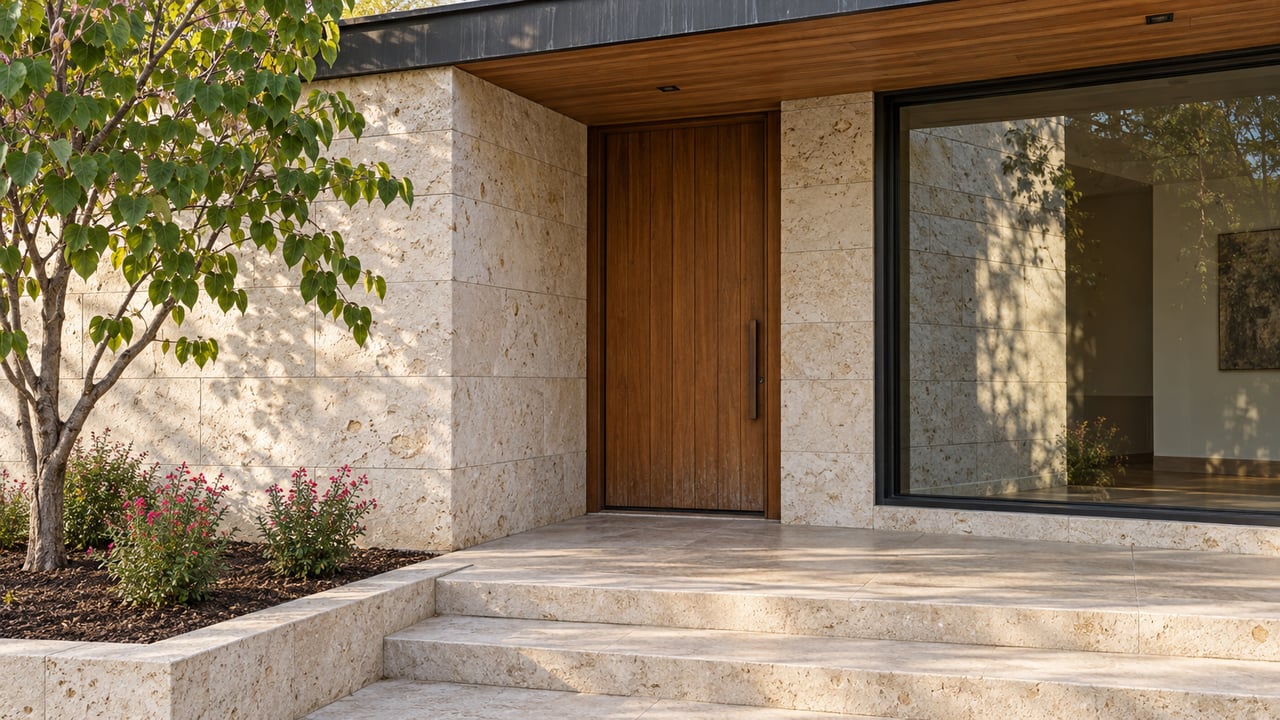
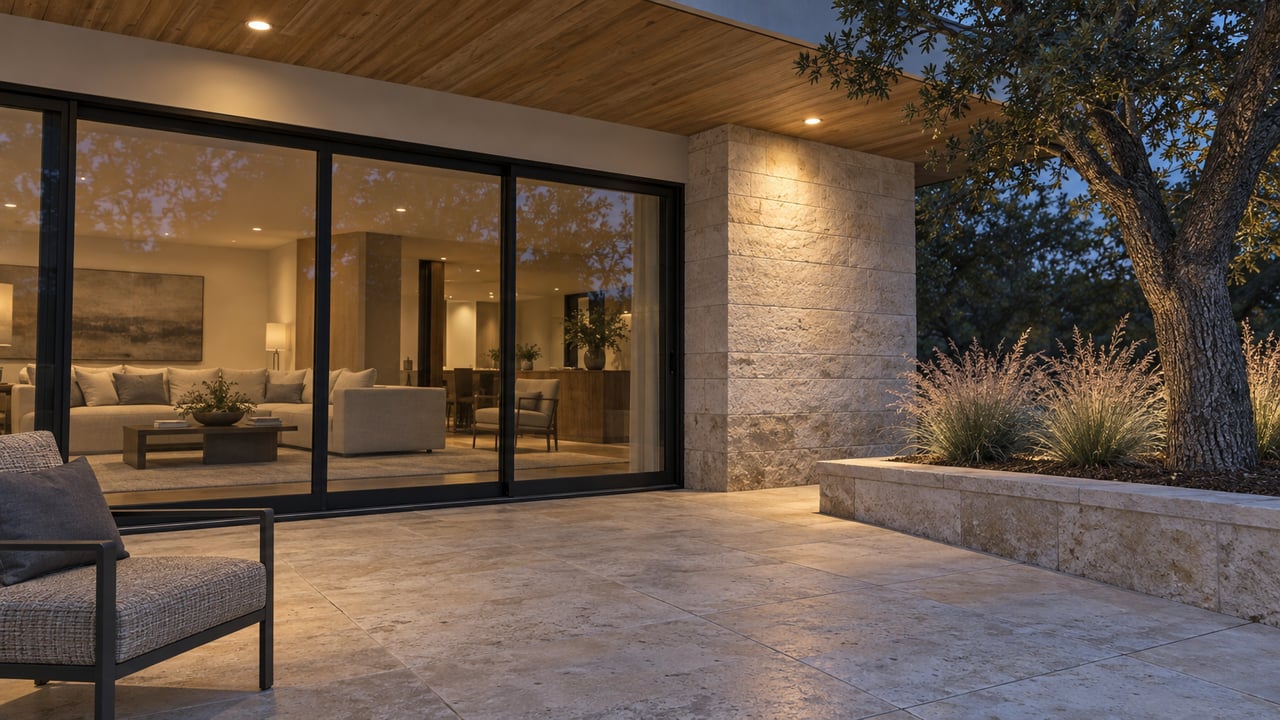
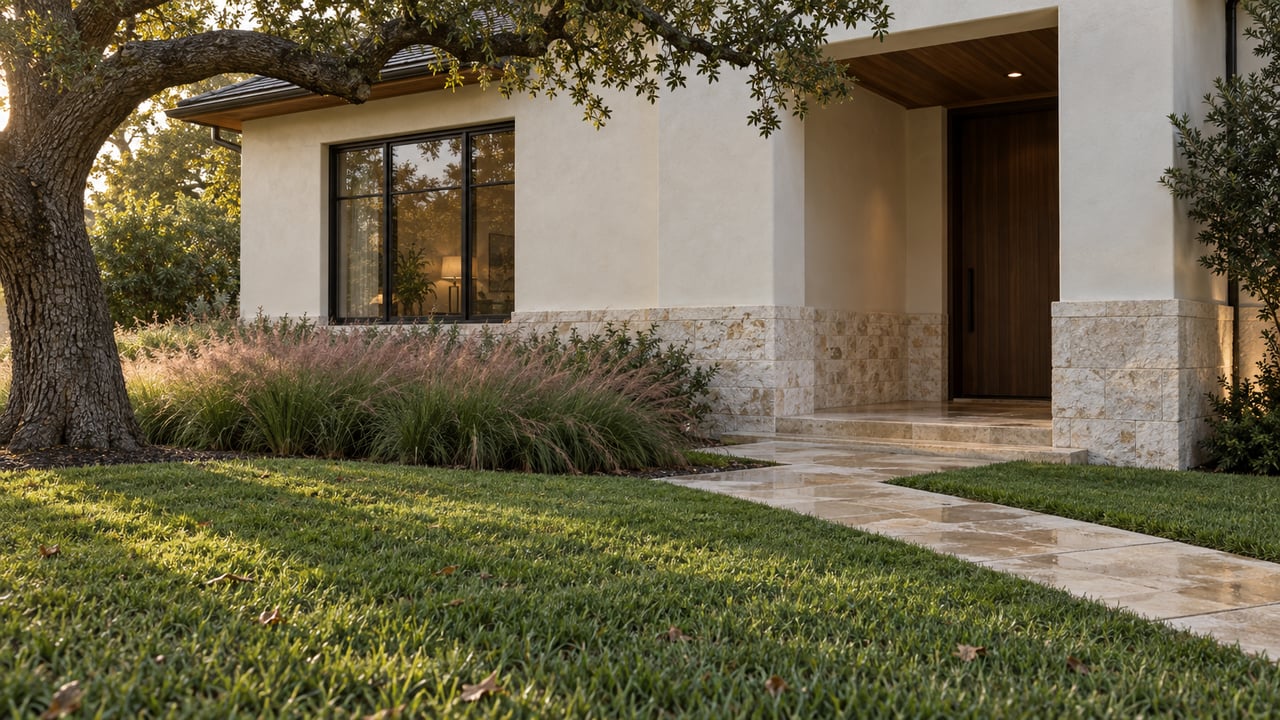
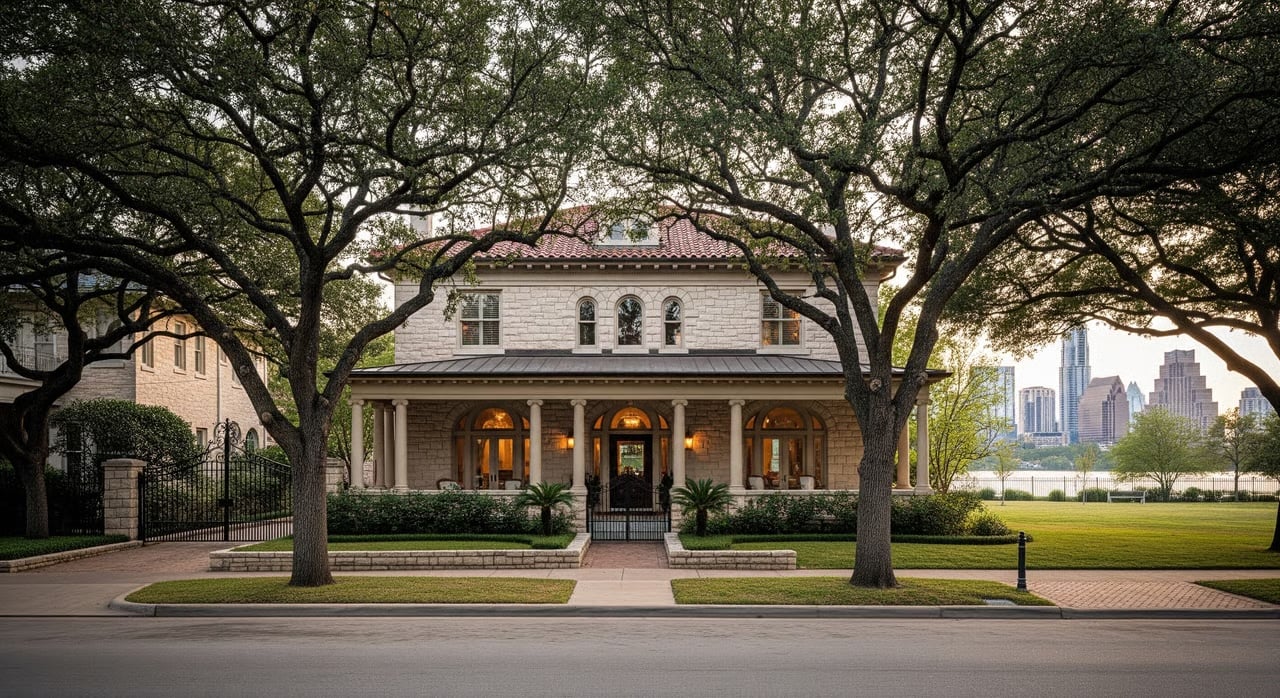
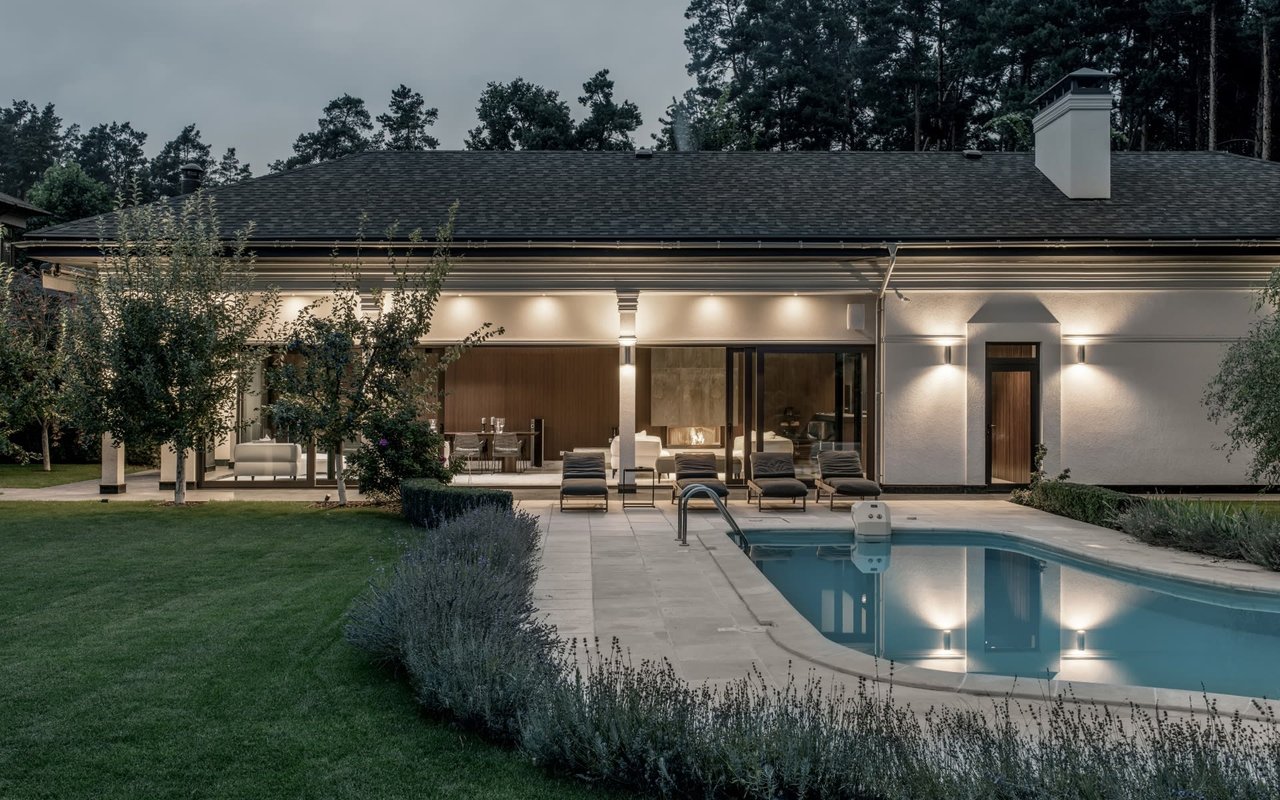
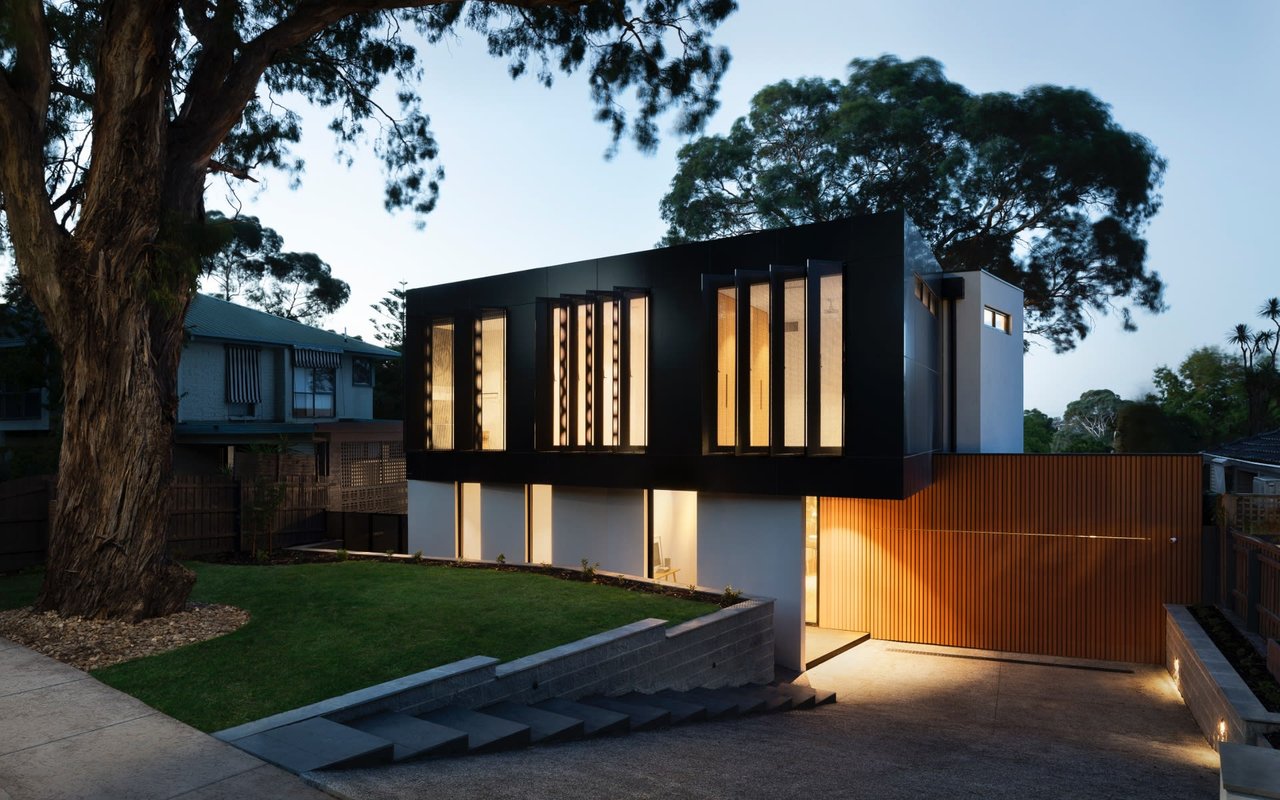
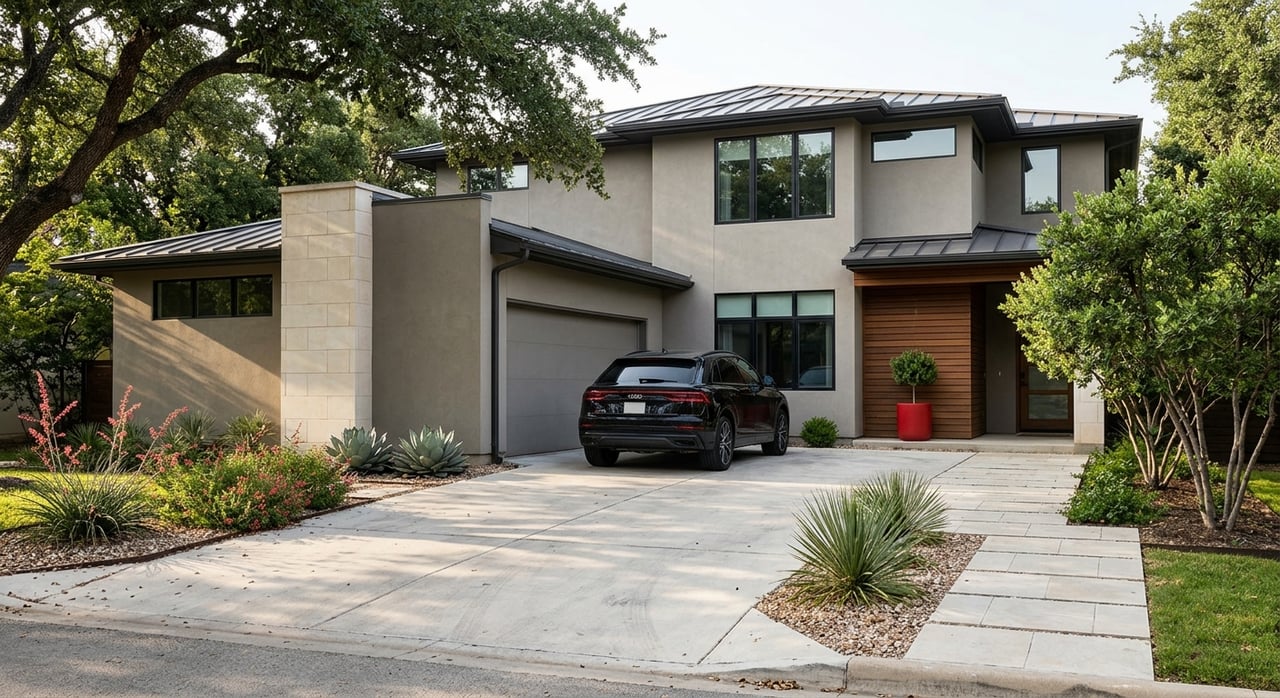
That matters because Bee Cave is not one single look or one single type of buyer. You can find low-maintenance options near shopping and services, established neighborhoods with more traditional suburban layouts, and larger-lot settings that feel more private and Hill Country in character.
Urban Neighborhood Options
If you want a lock-and-leave lifestyle, the city’s urban neighborhoods are the clearest fit. These areas may include smaller lots and housing types such as single-family detached and attached homes, patio homes, town homes, zero-lot-line homes, condominiums, and multifamily buildings.
The city points to examples such as Ladera, The Grove, Cottages at Spillman Ranch, Wildwood, Canyonside, and Paseo at Bee Cave Apartments. These areas can appeal to buyers who want easier upkeep and quick access to shopping, dining, parks, and civic amenities.
Suburban Neighborhood Options
Bee Cave’s suburban neighborhoods are lower-density and more transitional in character. The city identifies the Uplands, areas of Spanish Oaks, Lake Pointe, Falconhead, Falconhead West, and Bella Colinas as suburban examples.
These areas are often associated with neighborhood amenities such as parks, open space, pools, multi-use trails, sidewalks, and connected streets. If you are looking for a balance of space, neighborhood structure, and daily convenience, this category often fits the bill.
Rural Neighborhood Options
On the more private end of the spectrum, Bee Cave’s rural neighborhoods support single-family detached homes on multi-acre lots. These areas often use trails instead of sidewalks and tend to feel more open and estate-like.
Examples include the Homestead, portions of Spanish Oaks, Meadow Fox, Spring Creek Estates, and Bee Cave West. For buyers who value privacy, larger homesites, and a stronger Hill Country feel, these locations can be especially appealing.
Neighborhood Variety Across Bee Cave
Bee Cave’s neighborhood map reinforces how much variety exists within a relatively small city. Interior neighborhoods include Falconhead, Falconhead West, The Grove, Homestead, Ladera, Meadow Fox, Uplands, Wildwood in Bee Cave, Canyonside, Lakes Edge, Cottages at Spillman Ridge, Signal Hill, Creeks Edge, East Village, and Twin Acres.
The city also notes nearby or outside-city areas such as Lake Pointe and Spanish Oaks, along with around-Bee-Cave communities like Belvedere, Sweetwater Ranch, Rocky Creek, West Cypress Hills, and Provence. For you as a buyer, the takeaway is simple: Bee Cave can offer very different living experiences depending on where you focus.
Daily Life in Bee Cave
Bee Cave’s day-to-day convenience is one of its strongest selling points. The city describes a thriving retail, dining, and events scene, and much of that activity is centered around the Hill Country Galleria.
Visit Austin describes the Hill Country Galleria as a 152-acre shopping center with retail stores, restaurants, and entertainment. The Bee Cave Public Library is also located inside Bee Cave City Hall in the Hill Country Galleria mixed-use development, which makes this area more than a shopping destination. It functions as part of the city’s practical and civic center.
Shopping and Errands
If you like having errands close at hand, Bee Cave scores well here. The Galleria gives residents a central spot for shopping, dining, entertainment, and some civic uses, which can reduce the need for longer drives for basic day-to-day needs.
That convenience is especially attractive if you want a more manageable lifestyle without giving up access to services. Buyers often appreciate that Bee Cave can feel polished and practical at the same time.
Parks and Trails
Outdoor access is woven into daily life in Bee Cave. The Bee Cave Hike and Bike Trail runs 1.5 miles and connects Falconhead Boulevard to Central Park and then onward to the Galleria shopping center.
Bee Cave Central Park spans 50 acres and includes pavilions, playscapes, and restrooms. The park system also includes Bee Cave Sculpture Park, a 7-acre site with sculptures, a spring-fed pond, native plants, and free wireless, along with the Bee Cave Dog Park and the Bee Cave/Falconhead West Primitive Park.
For many buyers, these amenities help define the local lifestyle. You are not just buying a house here. You are buying access to trails, open space, and places that support time outdoors.
Schools in Bee Cave
For school-related planning, Lake Travis Independent School District is part of the basic Bee Cave conversation. LTISD includes Bee Cave Elementary School, Bee Cave Middle School, and Lake Travis High School among its schools.
As always, attendance zones should be confirmed by address before you make a purchase decision. Still, the district’s presence is an important part of the area’s practical context for many buyers.
Commuting and Traffic Reality
Bee Cave is usually best understood as a car-first location. Most trips feed quickly onto SH 71, and the city’s mobility plan notes that congestion is most pronounced at major intersections with RR 620 and FM 2244.
The plan also notes that school drop-off and pick-up traffic adds to peak-period congestion. In June 2025, the city said it transferred traffic signal timing responsibilities on state-highway intersections to TxDOT, which shows traffic management remains an active issue in the area.
That does not mean commuting is unworkable. It means you should match your home search to your routine, especially if school schedules or frequent drives into Austin are part of your week.
Regional transit options are more limited than in central Austin. CapMetro notes that CARTS serves rural communities outside its service area, and Park & Ride options can offer a backup for some regional trips, but Bee Cave is not a transit-centered market.
Who Bee Cave May Suit Best
Bee Cave often works well for buyers who want a blend of convenience and space. If you want shopping, dining, and parks close by, the town-center side of Bee Cave may feel like a strong fit.
If you prefer larger lots, golf-course surroundings, or a more private Hill Country setting, the suburban and rural edges may be more your speed. The city’s own planning framework supports this contrast, which is one reason Bee Cave appeals to such a broad mix of buyers.
Final Takeaway on Living in Bee Cave
Bee Cave offers a lifestyle that is hard to reduce to one label. It can feel polished yet relaxed, convenient yet scenic, and connected yet more spacious than many parts of greater Austin.
If you are weighing a move here, the key is understanding which part of Bee Cave matches your goals. Some buyers want low-maintenance living near the Galleria, while others want a larger homesite and more privacy. With the right neighborhood strategy, you can narrow in on the version of Bee Cave that fits you best.
If you are ready to explore Bee Cave with a local, process-driven approach, Meryl Hawk can help you compare neighborhoods, refine your search, and move forward with confidence.
FAQs
What is living in Bee Cave like for homebuyers?
- Bee Cave offers a mix of Hill Country scenery, daily convenience, parks, trails, and a range of housing types from low-maintenance homes to larger estate-style properties.
What types of homes can you find in Bee Cave?
- Bee Cave includes urban, suburban, and rural neighborhood types, with options such as patio homes, town homes, condominiums, single-family homes, and multi-acre estate properties.
What is the Hill Country Galleria’s role in Bee Cave?
- The Hill Country Galleria is a major center for shopping, dining, entertainment, and civic activity, and it also includes Bee Cave City Hall and the Bee Cave Public Library.
Are there parks and trails in Bee Cave?
- Yes. Bee Cave has the 1.5-mile Hike and Bike Trail, Bee Cave Central Park, Bee Cave Sculpture Park, the Dog Park, and the Bee Cave/Falconhead West Primitive Park.
What school district serves Bee Cave?
- Lake Travis Independent School District serves Bee Cave, and schools in the district include Bee Cave Elementary School, Bee Cave Middle School, and Lake Travis High School.
Is Bee Cave a good fit if you commute?
- Bee Cave can work well for commuters, but it is largely car-first, and traffic is most noticeable around SH 71, RR 620, FM 2244, and school peak times.