Barton Creek vs. West Lake Hills: Which Austin Luxury Neighborhood Should You Buy In for 2026? Two of Austin's Finest — But Completely Different Animals
If you've been shopping Austin's luxury real estate market long enough, you already know the feeling. You pull up listings in Barton Creek and West Lake Hills, the numbers look vaguely similar on the surface, and then the deeper you dig, the more you realize these two neighborhoods are practically speaking different real estate languages. Think of it like comparing a five-star resort to a private hilltop estate — both are undeniably luxurious, both sit within the same general orbit of West Austin, and yet the experience of living in each one could not be more distinct. Choosing between them isn't just a financial decision. It's a lifestyle decision, a school district decision, and in 2026 specifically, a market timing decision that carries real weight.
The stakes are high here. We're talking about purchases in the $2 million to $5 million-plus range, in a market where the wrong read on the data can cost you hundreds of thousands of dollars — either in overpaying, in missed negotiating leverage, or in buying into a neighborhood whose trajectory doesn't match your long-term goals. So let's cut through the noise and look at exactly what each neighborhood offers in 2026, what the current market data actually shows, and which buyer profile belongs where.
Understanding the Neighborhoods at a Glance
Before we dive into price-per-square-foot comparisons and school district zoning maps, it helps to understand the core DNA of each neighborhood — because that identity shapes everything from how homes are priced to how quickly they sell.
Barton Creek: The Resort-Lifestyle Enclave
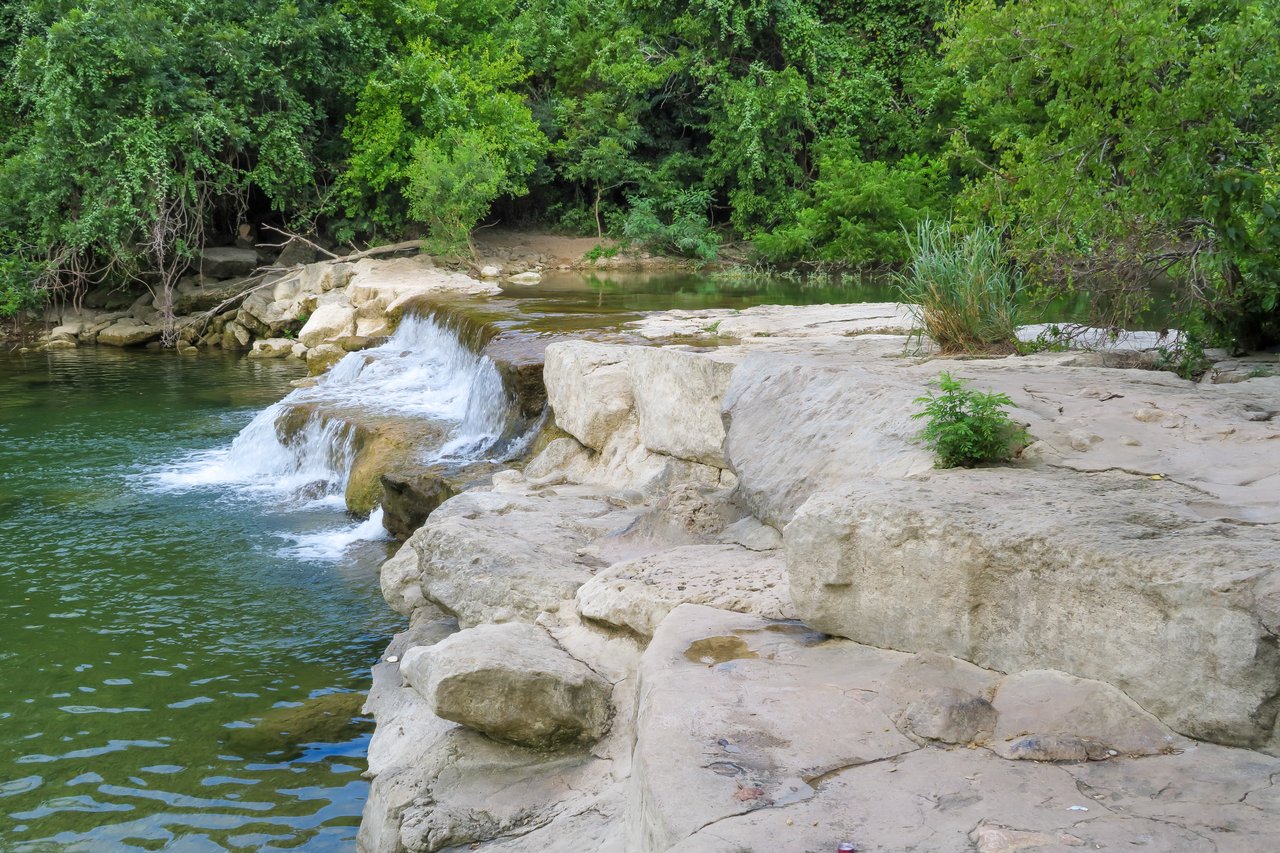
Barton Creek is built around a concept. That concept is resort living in the Texas Hill Country, and it has been executed on a grand scale. Barton Creek centers around a 2,500-acre master-planned community with gated subcommunities, golf infrastructure, and a more internally structured feel. The Omni Barton Creek Resort & Spa anchors the community's identity with four championship golf courses, a full-service spa, nine dining outlets, pools, and event space across sprawling wooded acreage just outside downtown Austin. If you've ever wanted your daily life to feel like a permanent vacation in the best possible way, Barton Creek was essentially engineered with that fantasy in mind. Nature access adds another layer to this appeal — the adjacent Barton Creek Greenbelt adds more than 12 miles of trails, swimming holes, limestone cliffs, and a limited-light natural setting that genuinely sets the community apart from anything you'll find in closer-in Austin neighborhoods.
The community itself isn't monolithic, and that's an important nuance. Barton Creek is composed of various sub-neighborhoods, each with its own character and price point — including ultra-luxury enclaves like The Preserve at Barton Creek, where estates can command prices of $5M to $7M or more, as well as areas like Amarra, Escala, and the broader Barton Creek community where the median price sits between $2.1M and $2.6M. Demographically, Barton Creek has about 3,440 residents across 4.9 square miles and a median age of 59, which gives you a sense of the established, settled ownership profile that defines this community. This is not a neighborhood of young tech workers flipping starter homes. This is where Austin's wealth parks itself for the long haul.
West Lake Hills: The Classic Estate Address
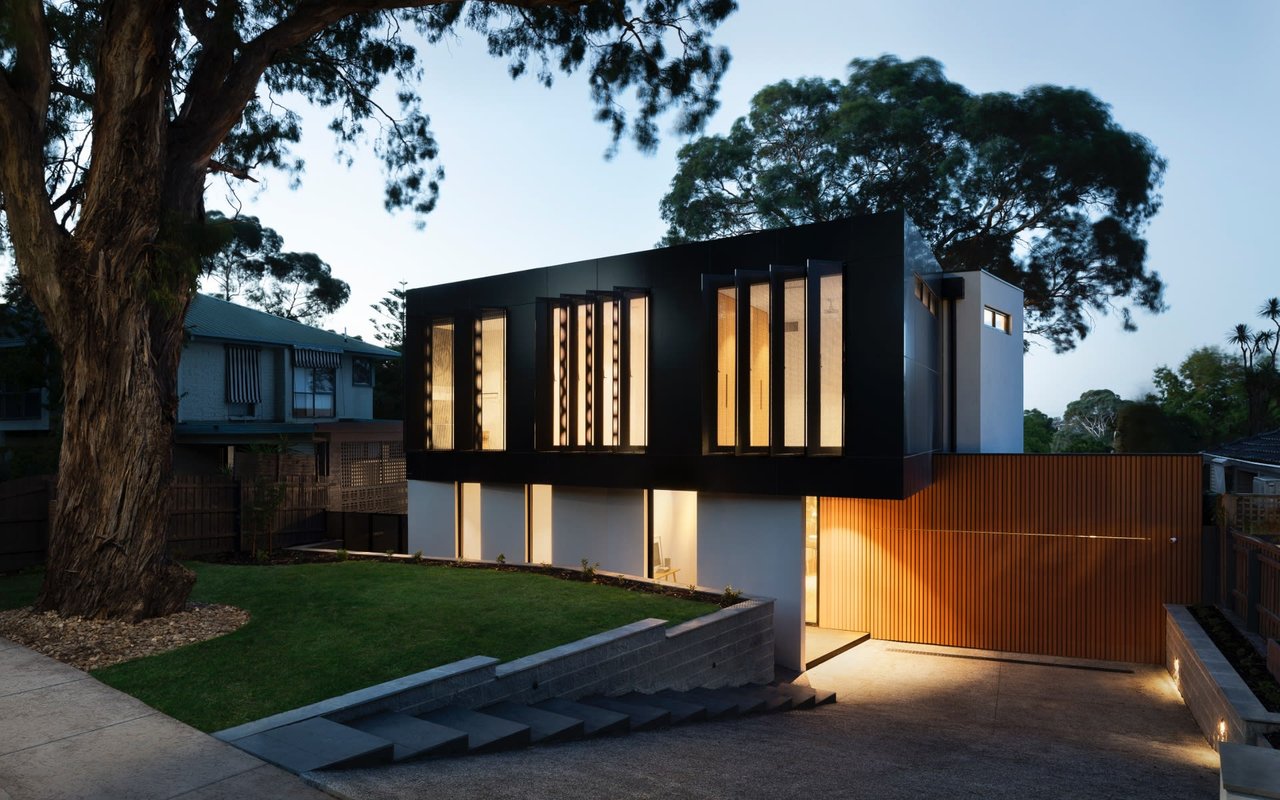
West Lake Hills operates on a completely different premise. Where Barton Creek leans into its resort infrastructure and planned community character, West Lake Hills leans into something more understated and arguably more timeless — raw prestige. West Lake Hills feels more like a classic West Austin residential address. The identity here is tied to homesites, topography, views, and a sense of separation, even though you remain close to downtown. This is an incorporated city in its own right — not a neighborhood within Austin — with its own governance, tax structure, and fiercely guarded sense of identity.
West Lake Hills is compact in scale, with about 3,285 residents across 3.6 square miles. That density figure tells you something important: this is a low-volume, high-exclusivity market where supply is genuinely constrained. The city describes itself as six miles west of downtown Austin, and that proximity to the urban core is one of its defining competitive advantages. Census data shows a shorter mean commute time of 16.6 minutes versus 21.7 minutes in Barton Creek, a difference that might sound modest until you're sitting in Austin traffic at 8 AM on a Tuesday wondering why you moved so far out. That five-minute daily difference adds up in a city with some of the most infuriating traffic patterns in Texas.
The 2026 Market Data — What the Numbers Actually Tell You
Now let's talk money. Because in luxury real estate, feelings matter, but data matters more.
Price Per Square Foot: The Metric That Changes Everything
The headline median prices for these two neighborhoods are relatively close, which is part of what makes the comparison so tricky for buyers relying on Zillow and Redfin alone. As of March 2026, Barton Creek showed a median listing price of $2.35 million at $621 per square foot, while West Lake Hills showed a median listing price of $2.60 million at $831 per square foot. But here's where it gets interesting — and where many buyers get blindsided. The price-per-square-foot gap between these two neighborhoods is not incidental. It reflects a fundamental difference in what you're buying. Barton Creek generally offers a lower price per square foot ($553–$668) compared to West Lake Hills ($756+), while delivering a resort-style lifestyle centered on the Omni Barton Creek. What that means in practical terms is that your dollar goes further in Barton Creek when measured in raw square footage and lot size — but West Lake Hills commands its premium for reasons that have everything to do with location, school district uniformity, and downtown proximity.
The highest-priced Austin ZIP code in 2026 is 78746, covering Westlake and West Lake Hills, with a year-to-date median sale price of $2,394,287. Even more telling is West Lake Hills' recent appreciation trajectory: the median sale price in 78746 rose from $2,193,816 in 2025 to $2,394,287 in YTD 2026, a 9.1 percent year-over-year increase. That's not a blip — that's a neighborhood firing on all cylinders while much of the Austin market is cooling. Barton Creek, by contrast, has had a rougher recent run: the steepest year-over-year median price decline in the dataset is 78735, the Barton Creek and southwest Austin ZIP code, where the median fell 18.1 percent. That number deserves context, though — it partly reflects the broader ZIP code's mix of properties and doesn't fully capture the performance of Barton Creek's top-tier gated sections specifically.
Days on Market and Negotiation Leverage
Here's where things get strategically interesting for buyers. West Lake Hills showed a median 99 days on market, while Barton Creek was moving faster at a median 49 days on market in the March 2026 snapshot. Other data sources paint a slightly different picture — Barton Creek clocks in at 189 days on market in some analyses — reflecting the wide variance in sub-community dynamics within the broader area. The consistent takeaway, however, is that both markets offer meaningful negotiation room compared to tighter Austin submarkets like Rollingwood and Tarrytown. As one Austin real estate expert put it plainly: right now, a well-positioned buyer can walk away from a Barton Creek closing having saved $200,000 or more below list price — and that kind of leverage doesn't survive a rate drop.
Schools, Schools, Schools: The Make-or-Break Factor
If you have school-age children, or even if you're simply thinking about resale value down the road, the school district conversation is not optional. In West Austin luxury real estate, it might be the single most important factor driving pricing.
Eanes ISD and Why It Drives Premium Pricing
Westlake High School ranks 19th nationally, and the combination of hilltop views and proximity to downtown creates demand that doesn't disappear in a downturn. Eanes Independent School District is the engine behind that ranking, and it is widely considered one of the top public school districts in the state of Texas. For families relocating from out of state, the idea of accessing elite public education without private school tuition is an enormous draw, and it's baked directly into the prices you'll see in neighborhoods that fall entirely within Eanes ISD boundaries. The school district premium is real, measurable, and persistent across market cycles.
Barton Creek's Split School District Problem
Here's one of the most important things any prospective Barton Creek buyer needs to understand going into 2026: the school district situation is complicated. Unlike West Lake Hills, which is located entirely within the top-rated Eanes ISD, Barton Creek is split between Eanes ISD and Austin ISD. This split is not evenly distributed — it varies by specific sub-community and sometimes by individual street. The financial consequence of a split school boundary is substantial — homes on the Eanes ISD side command an estimated $150,000 to $250,000 premium over comparable homes just one or two streets away. This is arguably the most underreported price driver in Austin luxury real estate, and buyers who rely on neighborhood-level search results rather than address-specific verification regularly miss it. If you're buying in Barton Creek and the school district matters to you, you need to verify the zoning at the specific address level — not the neighborhood level — before you fall in love with a property.
Lifestyle and Amenities: Golf Carts vs. Hilltop Terraces
Beyond the spreadsheet, where do you actually want to live your life? This is the question that separates Barton Creek buyers from West Lake Hills buyers more cleanly than almost any financial metric.
What Barton Creek Offers Beyond the Gate
The amenity package at Barton Creek is genuinely hard to replicate. Barton Creek can be especially attractive if you want golf access, a lock-and-leave option, or a luxury setting that blends residential living with hospitality-driven convenience. You're not just buying a home here — you're buying access to a lifestyle ecosystem. Four championship golf courses, spa facilities, multiple dining options, and proximity to the greenbelt create a daily experience that feels curated in a way that purely residential neighborhoods simply don't offer. For buyers who travel frequently, the lock-and-leave aspect of a gated community with resort-level services is a genuine differentiator. You can leave for three weeks and come back to a property that's been looked after in a way that a standalone estate simply can't match. Environmental regulations on the Edwards Aquifer Recharge Zone and the Save Our Springs Ordinance physically limit new development, creating supply scarcity that protects existing property values regardless of broader market conditions.
What West Lake Hills Offers Beyond the Gate
West Lake Hills doesn't compete with Barton Creek on amenities because it doesn't try to. The pitch here is different — and for the right buyer, more compelling. West Lake Hills points to its pastoral environment, metropolitan access, local shopping and dining, civic facilities, and seasonal community events, all within a setting defined by privacy and natural terrain. You're in a place that feels like the Texas Hill Country but with a downtown Austin commute time that most people in Buda or Cedar Park would envy. The privacy here is organic rather than gate-enforced — it comes from the topography itself, from the density of the native foliage, from the winding roads that make the neighborhood feel more secluded than it actually is geographically. For buyers who want genuine estate-living character without the resort-community feel of Barton Creek, West Lake Hills hits a note that is genuinely difficult to find anywhere else in Austin.
Total Cost of Ownership — The Number That Surprises Everyone
Luxury buyers who have successfully purchased in other markets often experience genuine sticker shock when they discover the true annual cost of ownership in Austin's top-tier neighborhoods. The purchase price is just the opening bid.
HOA Fees, MUD Charges, and Environmental Covenants
The full annual ownership cost in Barton Creek includes property taxes, HOA fees, and in some cases MUD (Municipal Utility District) charges — and the total number at higher price points surprises many first-time luxury buyers in this market. Travis County appraisals on $2 million-plus homes can generate significant annual tax obligations, and the Texas homestead exemption, while available, is worth pursuing proactively on higher-value properties. HOA fees in Barton Creek's various sub-communities vary considerably, and buyers comparing two properties at similar list prices in different sections of Barton Creek may find that the annual carrying costs differ by thousands of dollars annually. That's a detail that national listing platforms almost never surface.
The Save Our Springs Ordinance and What It Means for Buyers
One of the most material facts about Barton Creek that catches buyers off guard relates not to pricing but to what you can do with the land after you purchase it. A critical factor that many buyers overlook is Barton Creek's location over the Barton Springs Edwards Aquifer recharge zone. This subjects properties to the City of Austin's Save Our Springs (SOS) Ordinance, which places strict limits on impervious cover. These regulations can significantly impact plans for home expansions, pool installations, or new construction. If you're buying in Barton Creek with plans to expand the footprint, add a pool, or undertake significant landscaping, you need to run those plans through the lens of these environmental covenants before you get emotionally attached to a particular property. It's not a deal-breaker for most buyers, but discovering it after contract can be an expensive and frustrating surprise.
West Lake Hills, by contrast, is an independent incorporated city with its own regulatory structure. Like other incorporated independent cities separate from Austin, West Lake Hills has its own tax structure consisting of the city rate plus Travis County and Eanes ISD levies. The regulatory environment here is generally considered more predictable and less restrictive for high-value estate buyers, which is one reason the neighborhood continues to attract a profile of buyer who intends to make significant improvements to their property over time.
Appreciation Outlook: Which Neighborhood Wins Long-Term?
The long-term appreciation question is where the 2026 market context becomes especially important. Austin is not the same market it was in 2021 or 2022, and the luxury tier is not immune to that broader recalibration. But within that recalibration, these two neighborhoods are telling very different stories.
West Lake Hills is the clear short-term winner based on current data. The median sale price in 78746 rose 9.1 percent year-over-year into 2026, outperforming virtually every other ZIP code in the metro. The combination of Eanes ISD, downtown proximity, and constrained supply creates a demand profile that has proven remarkably resilient across market cycles. When Austin corrects, West Lake Hills tends to correct less. When Austin recovers, West Lake Hills tends to lead. That's a pattern that has repeated itself over multiple cycles, and the 2025–2026 data is consistent with that historical behavior.
Barton Creek presents a more nuanced picture for long-term buyers. Based on current absorption rates and the 3.1% annual appreciation trend, Barton Creek's $2M–$3.5M tier is on a trajectory to retest 2022 peak values within the next 18–24 months — faster than the broader Austin market recovery timeline. That means buyers entering Barton Creek today, in a period of relative softness, may be buying at a strategically favorable point in the cycle. The environmental supply constraints that limit new development create a pricing floor that isn't going anywhere — this is a fundamentally different supply dynamic than neighborhoods like Westlake Hills or Lake Austin corridors, where development pressure can dilute pricing over time.
Side-by-Side Comparison: Barton Creek vs. West Lake Hills
| Feature | Barton Creek | West Lake Hills |
|---|---|---|
| Median Listing Price (Mar 2026) | ~$2.35M | ~$2.60M |
| Price Per Sq Ft | $553–$802 | $756–$831+ |
| Median Days on Market | 49–189 (varies by sub-community) | 99 |
| School District | Split: Eanes ISD + Austin ISD | 100% Eanes ISD |
| Commute to Downtown | ~21.7 min avg | ~16.6 min avg |
| Lifestyle Character | Resort/golf/gated community | Private estate/hill country |
| YoY Price Trend (ZIP) | -18.1% (broader ZIP) | +9.1% |
| New Development Restrictions | High (SOS Ordinance / Aquifer) | Moderate (independent city) |
| Lot Sizes | 0.5 to several acres | Varies, hilltop homesites |
| HOA/MUD Fees | Yes — varies by sub-community | Typically city tax only |
So Which One Should You Buy In?
Here's the real answer: it depends entirely on which version of luxury living you're actually buying. And that's not a dodge — it's the most useful framing for making this decision well.
If your priority is maximum lifestyle amenity, golf access, Hill Country seclusion, and buying at a point in the cycle where negotiation leverage is real and meaningful, Barton Creek is a compelling case in 2026. The price-per-square-foot value relative to West Lake Hills is genuine — you get more home, more land, and more resort infrastructure for your dollar. Just go in with clear eyes about the school district zoning (verify by address, not by neighborhood), the environmental covenants, and the HOA cost stack. Buyers who do their homework here can find exceptional value in a market that is showing early signs of recovery momentum.
If your priority is the best schools in Texas with zero ambiguity, a shorter commute that doesn't require planning your life around Austin traffic, long-term price resilience, and the quiet confidence of owning in a neighborhood that has never really gone out of fashion among Austin's most established families, West Lake Hills is the answer. You will pay a higher price per square foot, the homes sell faster (limiting your negotiation window), and the inventory is genuinely constrained. But those are features, not bugs — they reflect a market that simply doesn't give buyers many second chances. When the right home comes available in West Lake Hills, you need to be ready to move.
For the family relocating to Austin for the long haul with kids enrolled in school, West Lake Hills is almost certainly the right call. For the established buyer looking for a lock-and-leave estate with resort amenities and Hill Country character, Barton Creek offers something that is genuinely irreplaceable in the Austin market. Both neighborhoods deserve serious consideration — they just deserve consideration for different reasons, by different buyers, at different stages of life.
Conclusion
Barton Creek and West Lake Hills represent two of the finest luxury addresses in Austin — and in Texas, frankly. But they're optimized for different lives, different priorities, and different visions of what luxury actually means on a daily basis. In 2026, West Lake Hills has the clearer short-term appreciation story, the more uniform school district, and the closer proximity to downtown. Barton Creek has the lifestyle infrastructure, the potential for cycle-timed value buying, and a resort-scale amenity package that nothing else in Austin can match. Neither neighborhood is a wrong answer. The wrong answer is buying in one when your life is actually built for the other. Do your due diligence, verify school districts by specific address, understand the full cost-of-ownership stack before you close, and buy with a clear vision of how you intend to live.
FAQs
1. Is West Lake Hills the same as Westlake in Austin? People use the terms interchangeably, but technically West Lake Hills is its own incorporated city, while "Westlake" is sometimes used loosely to describe the broader area including 78746 ZIP code neighborhoods. For real estate and school district purposes, always verify the specific city and address rather than relying on the informal "Westlake" label.
2. Does Barton Creek fall entirely within Eanes ISD? No — this is one of the most critical things to verify before buying. Barton Creek is split between Eanes ISD and Austin ISD depending on the specific sub-community and even individual street. Homes in Eanes ISD sections command a premium of $150,000 to $250,000 over comparable properties in Austin ISD sections. Always verify by the exact address.
3. What is the Save Our Springs Ordinance, and how does it affect Barton Creek buyers? The SOS Ordinance governs development on the Barton Springs Edwards Aquifer recharge zone, which underlies much of Barton Creek. It limits impervious cover — meaning pool additions, home expansions, and certain landscaping projects may be restricted or require special permits. Buyers with renovation plans should review these regulations before going under contract.
4. Which neighborhood is better for buyers who want strong long-term appreciation? Based on 2025–2026 data, West Lake Hills (ZIP 78746) has shown stronger recent appreciation at +9.1% year-over-year. Barton Creek's top-tier gated sections are projected to recover toward 2022 peak values within 18–24 months, which may represent a buying opportunity for patient, cycle-aware investors.
5. Are there new luxury developments coming to either neighborhood in 2026? West Lake Hills has very limited new construction due to its built-out character — any new inventory is rare and commands significant attention. In the broader Barton Creek corridor, The Overlook at Westlake (48 homes priced $2.85M–$5M in Eanes ISD) is one of the most notable new construction opportunities, with move-ins expected in late 2026. New construction in Eanes ISD at this scale is genuinely unusual.