If you are searching for a West Austin neighborhood with history, walkable pockets, and a distinctly local rhythm, Clarksville stands out fast. This is not a place built around big-box convenience or a packed retail strip. It is a neighborhood where you can move from coffee to a park stroll to dinner with ease, while still feeling connected to Austin’s deeper story. Let’s dive in.
Why Clarksville Feels Different
Clarksville is one of Austin’s oldest neighborhoods and a historic Black freedom community west of downtown. That history still matters today because it gives the area a sense of identity that feels rooted, not manufactured. For many buyers, that mix of location and character is a big part of the appeal.
The neighborhood sits on the western edge of Old West Austin. According to the Old West Austin neighborhood plan, Clarksville is known for neighborhood-oriented shops, pedestrian-friendly streets, parks, and greenspace. In practical terms, that means your day here can feel both active and relaxed.
Clarksville also offers a built-in sense of place. The City of Austin identifies the Hezikiah Haskell House as the oldest registered structure in Clarksville, and it is recognized as a city, state, and National Register landmark. Details like that help explain why the neighborhood feels layered and memorable.
Start the Day With Coffee or Brunch
A day in Clarksville often begins small and local. The commercial core is not huge, but that is part of the charm. Instead of endless options, you get a curated feel with places that help shape the neighborhood’s everyday rhythm.
Josephine House is one of the best-known stops in the area. Set in a little blue cottage, it offers breakfast, lunch, brunch, happy hour, dinner, patio seating, and lawn seating. It captures the kind of casual-but-polished atmosphere many people picture when they think about central Austin living.
Pecan Square Café is another neighborhood anchor. Located in the heart of Clarksville, it serves lunch, dinner, and weekend brunch. If you want a place that fits both a relaxed midday meal and an evening outing, it is part of what gives the neighborhood flexibility.
Galaxy Cafe on West Lynn adds an all-day option with a local feel. For buyers exploring the area, spots like this matter because they show what daily life actually looks like, not just what appears on a map. Convenience here tends to feel personal and neighborhood-scaled.
Browse Shops and Local Boutiques
After coffee or brunch, Clarksville makes it easy to slow down and browse. Retail here is more boutique than broad, which suits the area well. You are not coming for a major shopping district. You are coming for places that feel edited, independent, and easy to enjoy on foot.
Westside Market is one of the clearest examples of that style. Produced by ByGeorge, it brings together fashion, food, books, florals, and music in one marketplace setting. It adds energy without making the neighborhood feel overbuilt.
ByGeorge also contributes to the area’s independent retail identity. As a fashion and lifestyle boutique, it reflects the polished but approachable style that many people associate with this part of Austin. For some buyers, these kinds of businesses are more than amenities. They are clues about how a neighborhood lives day to day.
Just outside the neighborhood core, the West Sixth corridor expands your options for shopping and dining. That nearby access matters if you want a quieter residential setting without giving up variety. Clarksville works well for people who want neighborhood charm with quick access to more activity.
Make Time for Parks and Outdoor Space
One reason Clarksville feels so livable is its relationship to greenspace. The parks here are more neighborhood-scale than destination-scale, which matches the walkable character of the area. You can step outside for fresh air without turning it into a full production.
The City of Austin lists West Austin Neighborhood Park at 1317 W 10th, Clarksville Splash Pad at 1811 W 11th, and West Austin Pool at 1317 W 10th. These are the kinds of amenities that support a simple, enjoyable routine. They are close enough to become part of everyday life rather than occasional outings.
If you want a larger outdoor experience, Zilker Metropolitan Park is nearby at the Barton Creek and Lady Bird Lake junction. The park includes more than 350 acres, Barton Springs, and access to the Ann and Roy Butler Hike-and-Bike Trail. The city describes that 10-mile loop as one of Austin’s most recognized recreation areas.
This combination is part of what makes Clarksville so appealing. You get a neighborhood feel at home, but larger Austin landmarks are still within easy reach. For many buyers, that balance is hard to beat.
End the Day With Dinner Close to Home
Clarksville transitions well from daytime to evening. That is important because some neighborhoods shine in the morning but quiet down too much at night. Here, the mix of restaurants gives the area a more complete lifestyle arc.
Cipollina has served Clarksville since 1999, which speaks to staying power in a fast-changing city. Jeffrey’s has been in the neighborhood since 1975 and remains one of the long-established dining names tied to the area. Bar Peached also adds to the mix, with a large patio in the historic neighborhood.
What this means for you is simple: Clarksville supports a full day without asking you to travel far. You can start with coffee, browse a few shops, fit in outdoor time, and end with dinner nearby. That sequence sounds small, but it often shapes how connected you feel to where you live.
What Homes in Clarksville Look Like
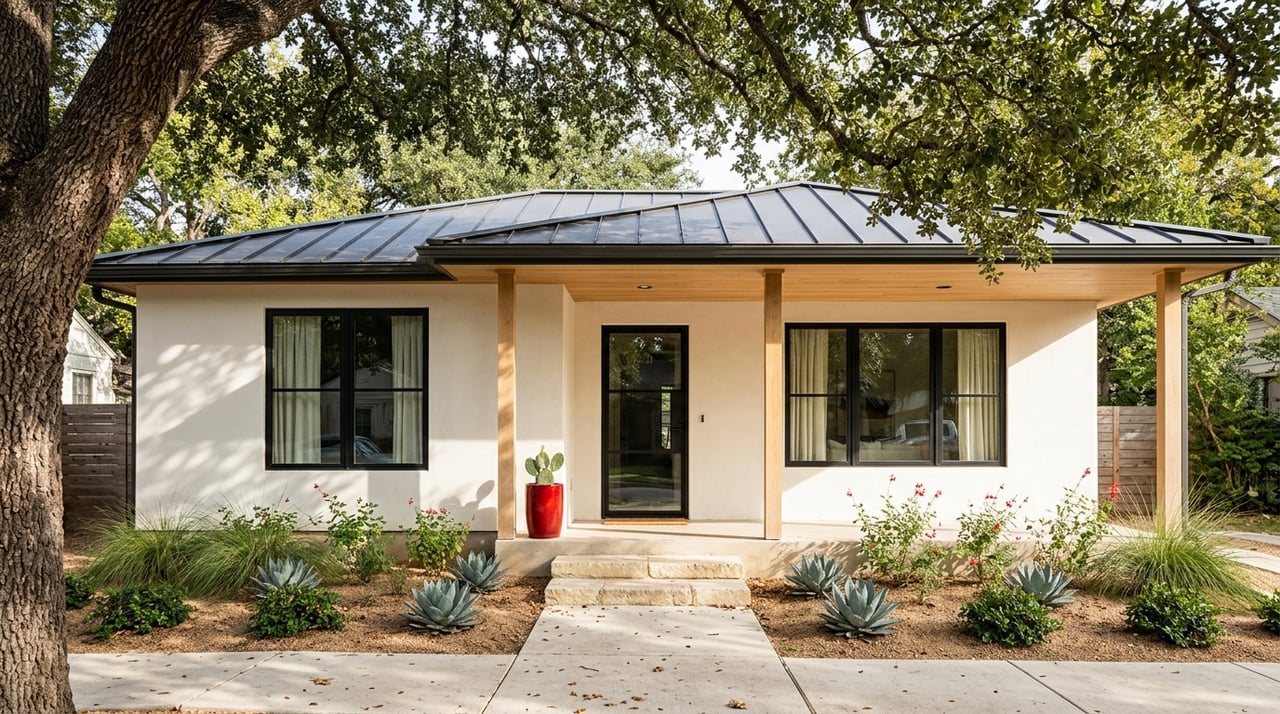
Clarksville’s housing stock reflects its age and evolution. Historic commission files describe early-20th-century homes such as a 1912 gable-roofed cottage and a 1912 front-gabled bungalow, along with a circa 1948 Minimal Traditional cottage. A district review also notes that nearby historic-age buildings are usually one story with simpler massing.
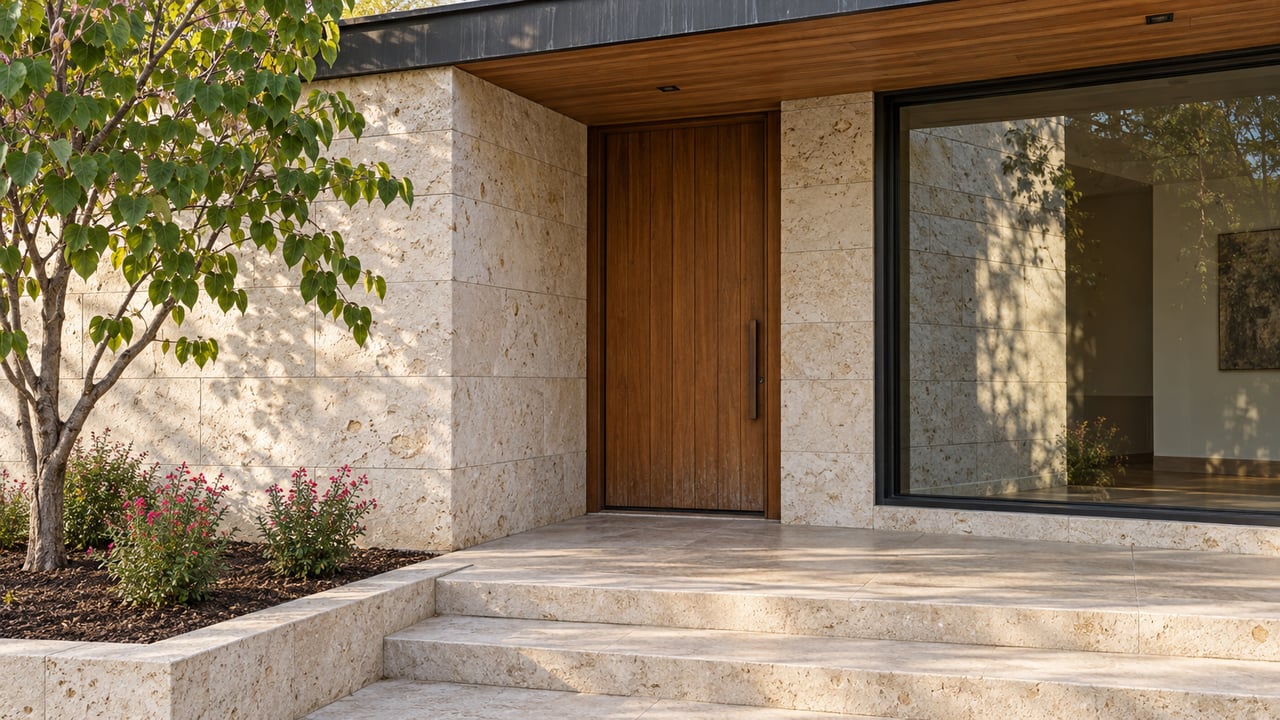
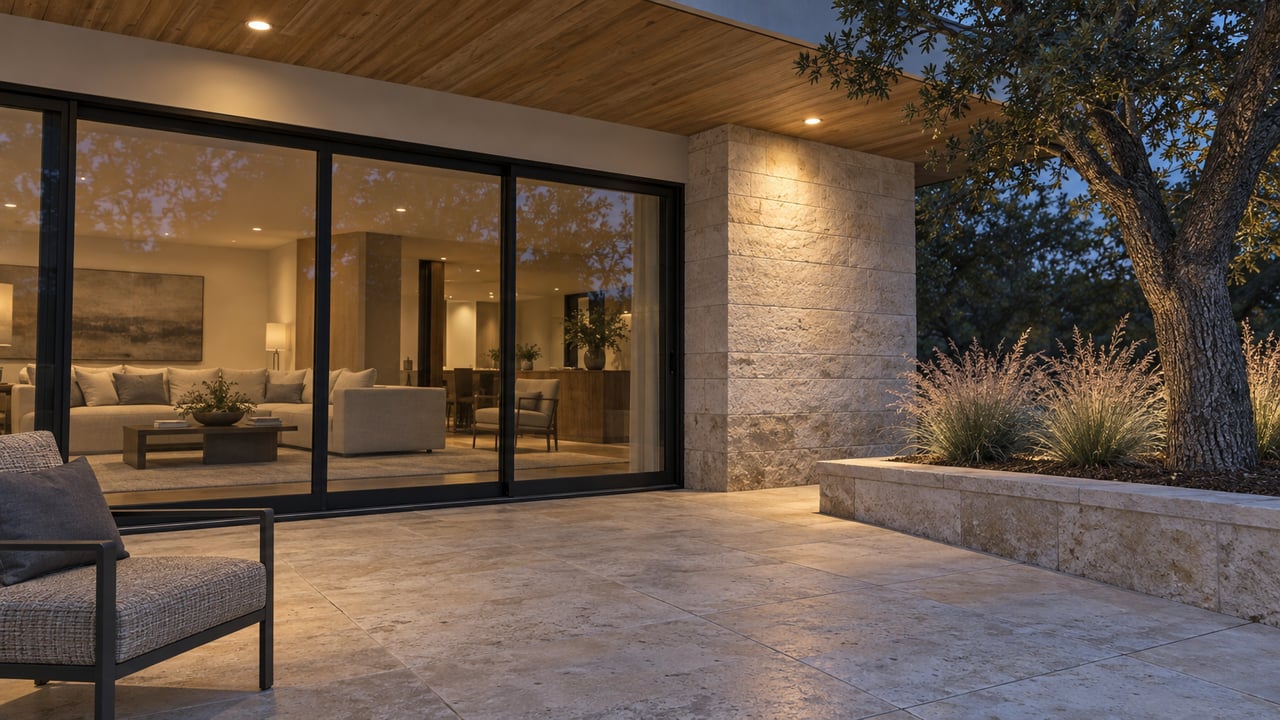
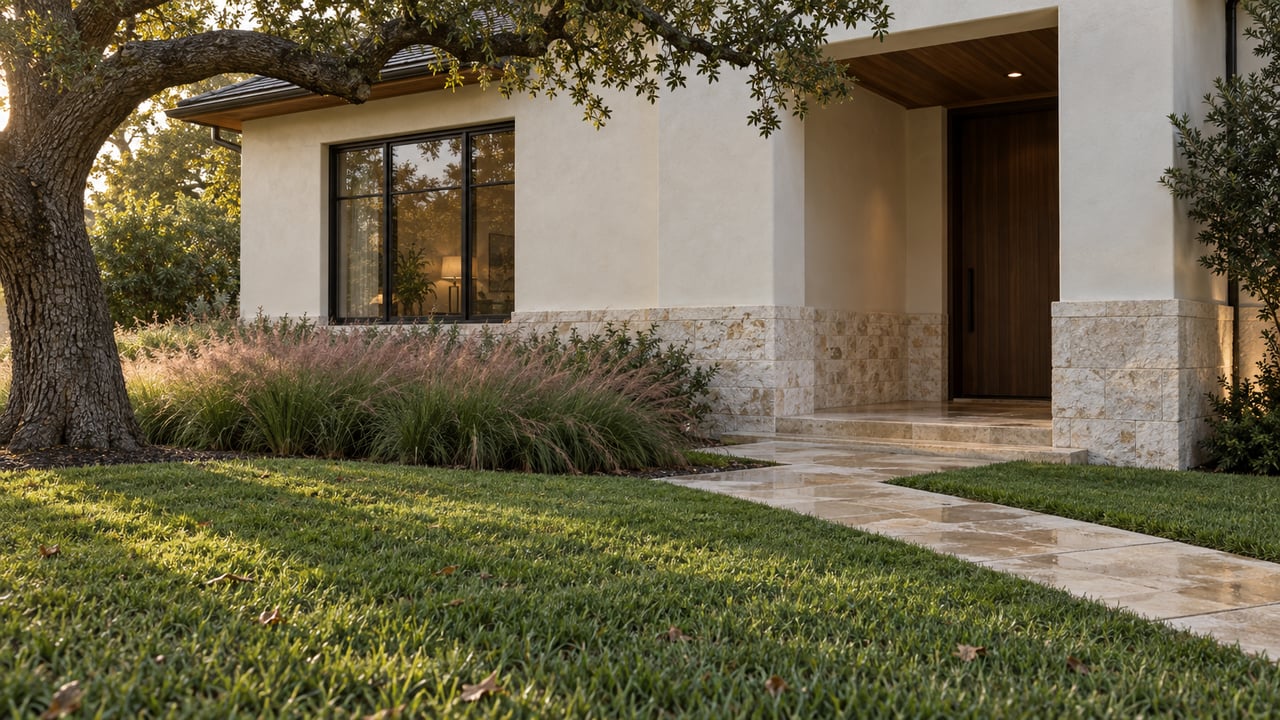
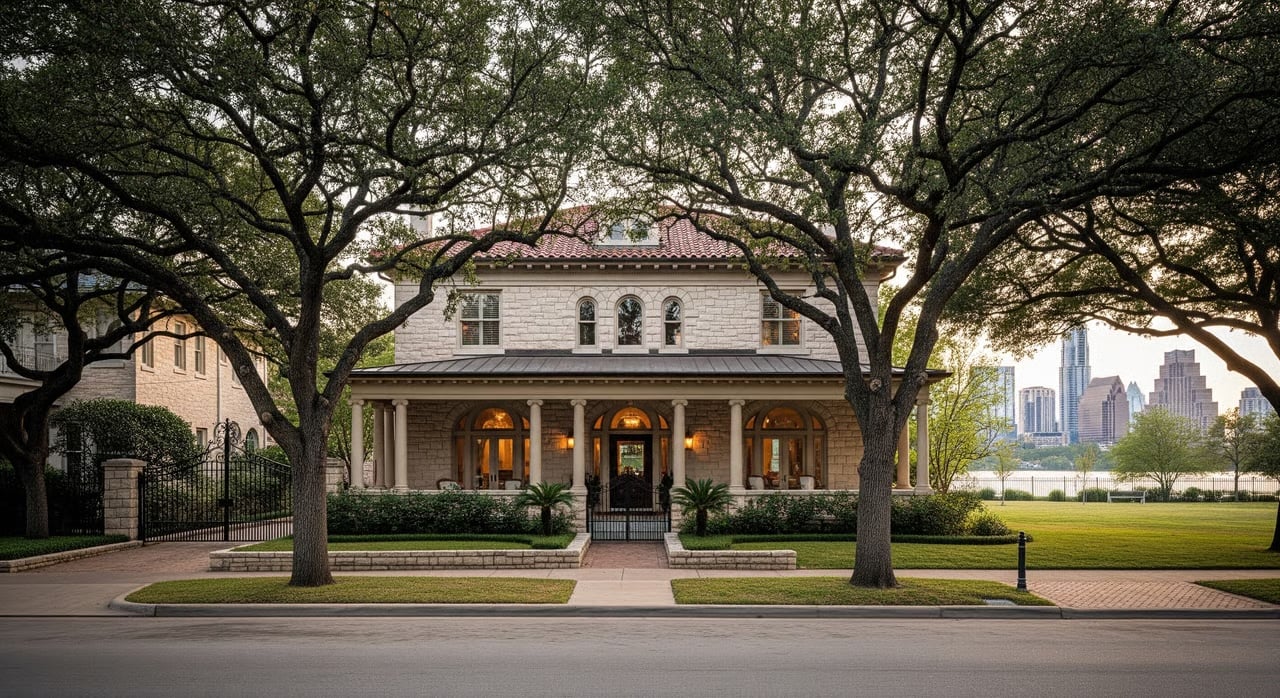
That older foundation still influences the neighborhood today. If you are drawn to cottages, bungalows, and homes with a sense of scale tied to historic Austin, Clarksville offers that visual texture. At the same time, the market also includes updated and newer housing options.
The current mix can range from smaller condos and townhomes to highly renovated single-family homes with seven-figure price tags. Research examples within roughly a mile of Clarksville included a $245,000 one-bedroom condo, a $1.449 million renovated home with an ADU, a $1.549 million modern townhome with a rooftop deck, and a $2.995 million four-bedroom single-family home. The exact mix changes quickly, but the broader takeaway is that Clarksville spans multiple entry points.
A reported February 2026 median sale price of $760,000 offers some directional context, though that figure came from only one sale in the trailing three-month snapshot. In a neighborhood with limited inventory and a wide range of home types, single data points can be useful but should be read carefully. This is where local, property-level guidance becomes especially valuable.
Who Clarksville Often Appeals To
Clarksville tends to attract buyers who care about more than square footage alone. Many are drawn to the combination of central location, neighborhood character, and a lifestyle that feels walkable and locally connected. The appeal often comes from how the pieces fit together.
For some buyers, the biggest draw is being able to enjoy a cottage-lined street and neighborhood-scale businesses while staying close to downtown Austin. For others, it is the housing variety, with options that may include condos, townhomes, and renovated single-family homes. And for many, the neighborhood’s history gives it added depth that newer areas cannot replicate.
If you are comparing central Austin neighborhoods, Clarksville is worth a closer look because it offers a distinct experience. It feels smaller in scale, but not limited. It feels historic, but still current.
Why Clarksville Matters in a Home Search
A neighborhood guide should do more than list restaurants and prices. It should help you picture how life might actually feel there. In Clarksville, the answer often comes back to rhythm: local coffee, a walkable errand, nearby greenspace, and dinner close to home.
That rhythm will not be the right fit for everyone, and that is exactly why neighborhood-level guidance matters. If you value history, a neighborhood-scaled commercial core, and quick access to both parks and central Austin destinations, Clarksville deserves a place on your shortlist. If you want help comparing it to nearby West Austin options, a tailored approach can save you time and sharpen your search.
Whether you are exploring your first condo, planning a move-up purchase, or looking for a distinctive central Austin home, working with a local advisor can help you read beyond the headlines and focus on the right fit. If you want a clear, polished, and data-informed view of neighborhoods like Clarksville, Meryl Hawk can help you navigate the process with confidence.
FAQs
What is Clarksville in Austin known for?
- Clarksville is known for being one of Austin’s oldest neighborhoods, a historic Black freedom community, and an area with neighborhood-oriented shops, pedestrian-friendly streets, parks, and greenspace.
What kinds of restaurants and cafes are in Clarksville?
- Clarksville includes local favorites such as Josephine House, Pecan Square Café, Galaxy Cafe, Cipollina, Jeffrey’s, and Bar Peached, giving the neighborhood options for coffee, brunch, lunch, and dinner.
What outdoor amenities are near Clarksville?
- Clarksville has neighborhood-scale outdoor spots including West Austin Neighborhood Park, Clarksville Splash Pad, and West Austin Pool, with nearby access to Zilker Metropolitan Park and the Ann and Roy Butler Hike-and-Bike Trail.
What types of homes can you find in Clarksville?
- Clarksville offers a mix that can include older cottages and bungalows, condos, townhomes, renovated homes, and higher-end single-family properties, depending on current inventory.
Is Clarksville a walkable Austin neighborhood?
- Clarksville is described in the Old West Austin neighborhood plan as having pedestrian-friendly streets, and its mix of shops, dining, parks, and greenspace supports a walkable neighborhood feel.