Why First Impressions Matter in Real Estate
You never get a second chance to make a first impression. In the world of real estate, this couldn't be more true. When potential buyers walk through your door or scroll through online listings, they're making snap judgments within seconds. Will they fall in love with your home, or will they keep scrolling?
Home staging isn't about deception or creating an unrealistic fantasy. It's about showcasing your property's best features and helping buyers envision themselves living there. Austin's competitive real estate market demands homes that stand out, and staging is your ticket to capturing hearts and closing deals faster.
Understanding the Austin Real Estate Market
What Makes Austin Unique?
Austin isn't just another city. It's a cultural melting pot where tech innovators meet music lovers, where breakfast tacos are a way of life, and where "Keep Austin Weird" is more than a slogan. The real estate market reflects this diversity. Buyers here aren't just looking for four walls and a roof. They want a lifestyle that matches their values.
The Austin market moves fast. Homes that are properly staged often receive multiple offers and sell above asking price. Why? Because buyers here appreciate authenticity mixed with polish. They want spaces that feel both welcoming and aspirational.
Buyer Expectations in Austin
Austin buyers are savvy. Many are relocating from other major cities, bringing high expectations and strong purchasing power. They've seen countless homes online before setting foot in yours. They're looking for move-in ready properties that blend modern amenities with character.
They also value outdoor living spaces, open floor plans, and energy-efficient features. Understanding these preferences helps you stage strategically, highlighting exactly what Austin buyers want to see.
The Psychology Behind Home Staging
Emotional Connection vs. Logical Decision
Buying a home is emotional. Sure, buyers have their checklists and budget spreadsheets, but the decision ultimately comes down to feeling. Does this place feel like home? Can they picture Sunday morning coffee on that patio? Do they imagine their kids playing in that backyard?
Staging taps into these emotions. It creates scenarios and atmospheres that trigger positive feelings. When buyers emotionally connect with a space, they're more likely to overlook minor flaws and make competitive offers.
Creating a Lifestyle, Not Just a Space
Think of staging as storytelling. You're not just showing empty rooms. You're illustrating possibilities. That cozy reading nook by the window tells buyers they can unwind with a book here. The set dining table suggests memorable dinner parties with friends. The outdoor seating area whispers promises of warm Texas evenings under the stars.
This lifestyle approach helps buyers see beyond the physical structure. They start imagining their future, and that's exactly where you want them.
Decluttering: The Foundation of Great Staging
Less Is More
Before you add anything, you need to subtract. Clutter is staging's biggest enemy. It makes rooms feel smaller, distracts buyers from architectural features, and suggests the home lacks adequate storage.
Walk through your home with honest eyes. Remove excess furniture, clear countertops, and pack away collections. Your goal is to create breathing room that allows each space to shine. Remember, you're not living here anymore—you're selling.
Personal Items Need to Go
Family photos, quirky collections, and personal memorabilia might make your house feel like home to you, but they prevent buyers from seeing themselves there. Pack away personal items and create a neutral canvas. This doesn't mean making your home sterile. It means making it universally appealing.
Think of it like this: your home should feel like an upscale hotel—beautifully appointed but ready for anyone to move right in.
Maximizing Curb Appeal
First Impressions Start Outside
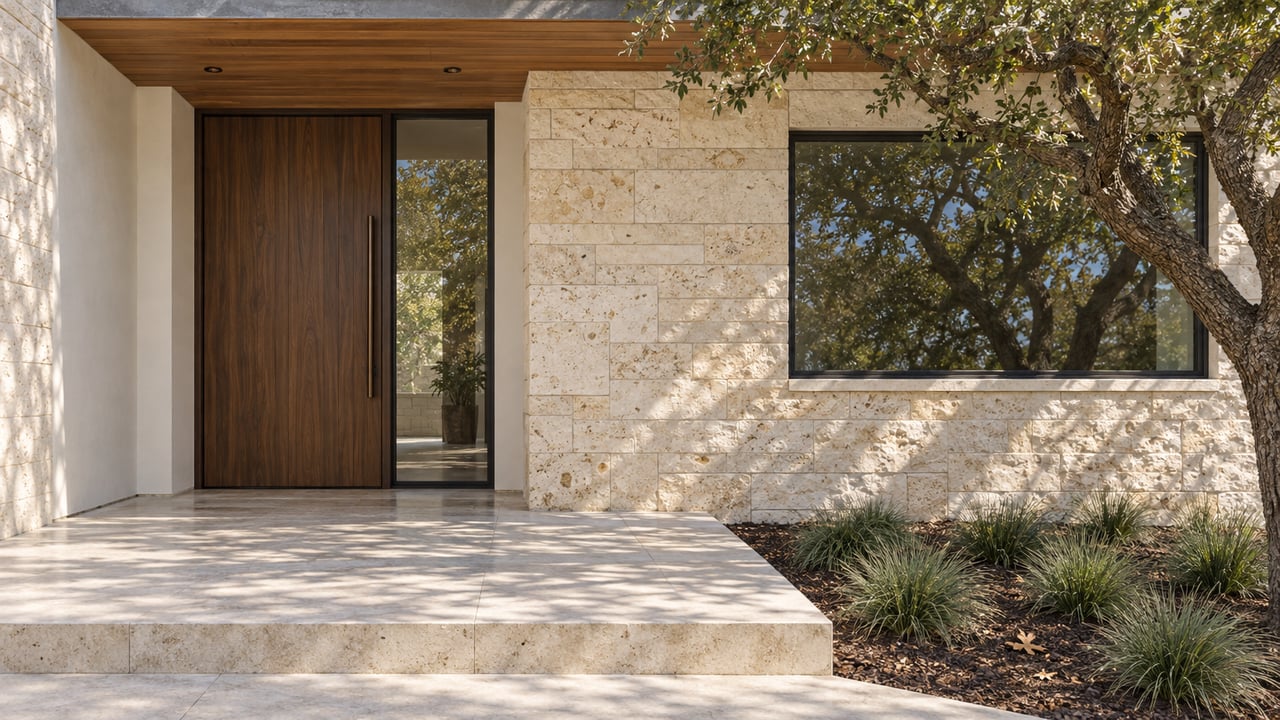
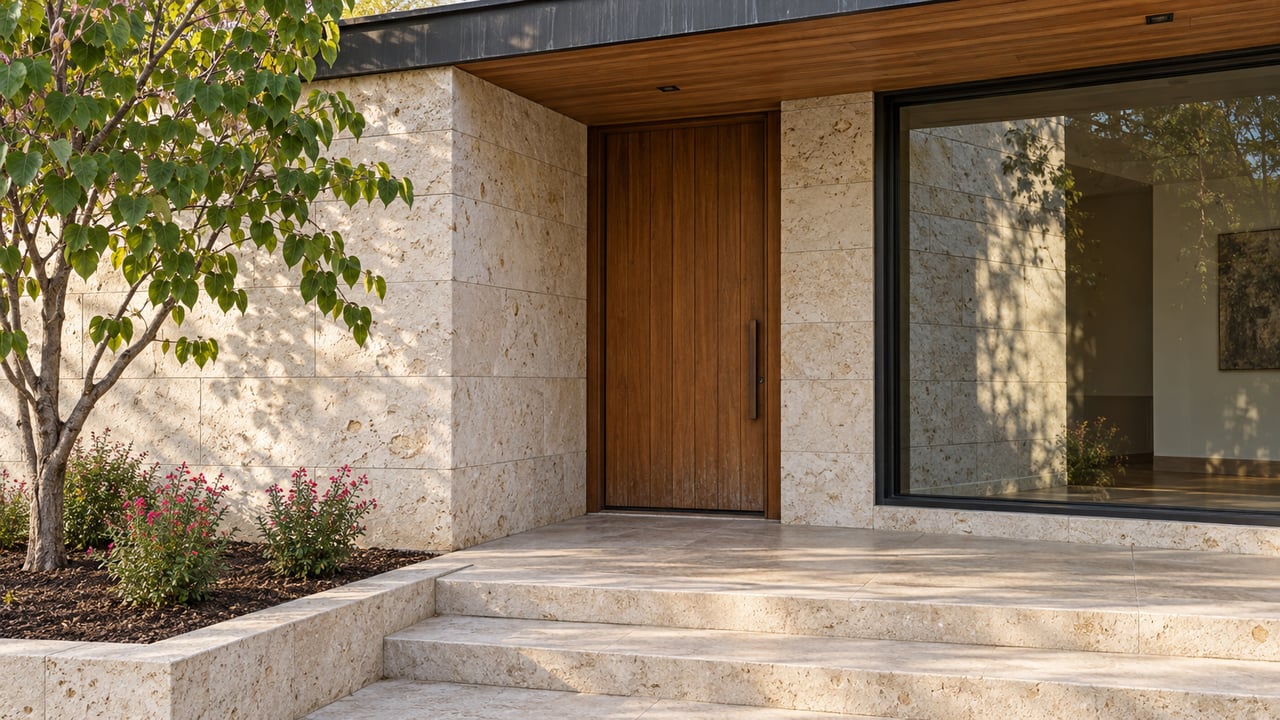
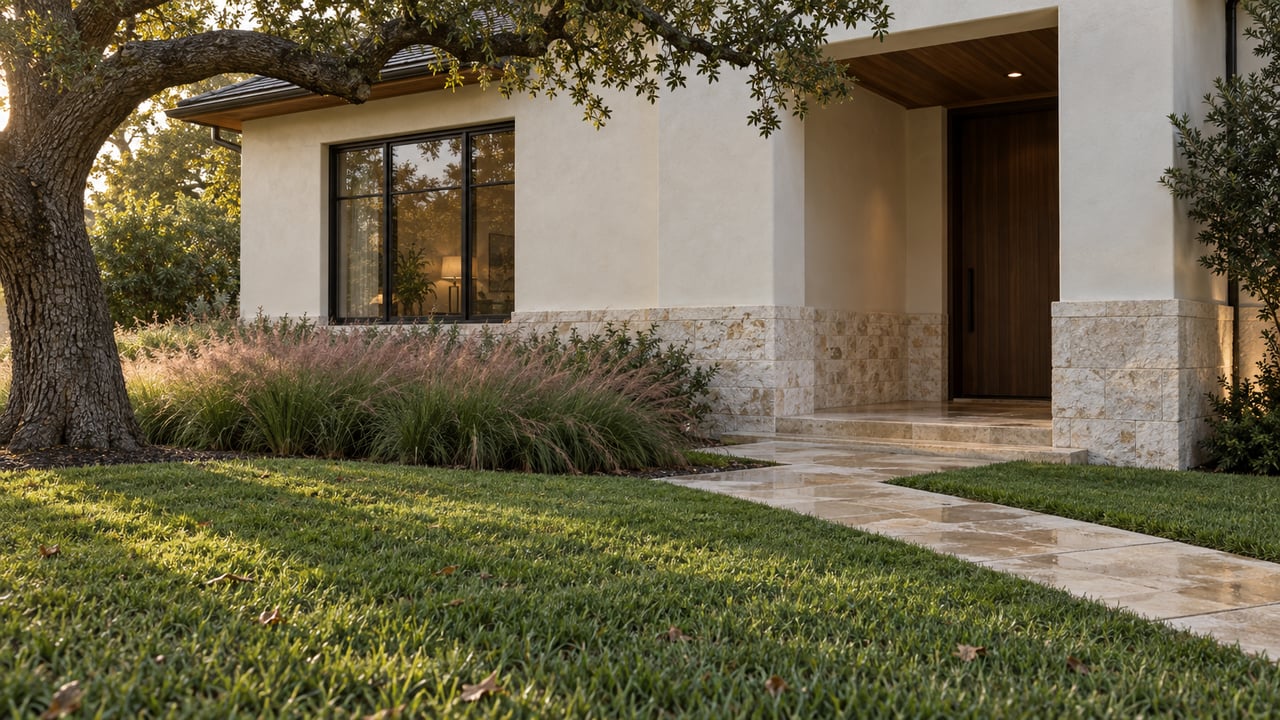
Before buyers even open your front door, they're judging your home. Curb appeal matters enormously. A well-maintained exterior signals that the entire property has been cared for. Conversely, peeling paint or an overgrown lawn raises red flags.
In Austin's sunny climate, landscaping makes a huge difference. Ensure your lawn is mowed, edges are trimmed, and flower beds are weeded. Add fresh mulch to give gardens a polished look. Consider adding potted plants flanking the entrance for a welcoming touch.
Simple Fixes That Make Big Impacts
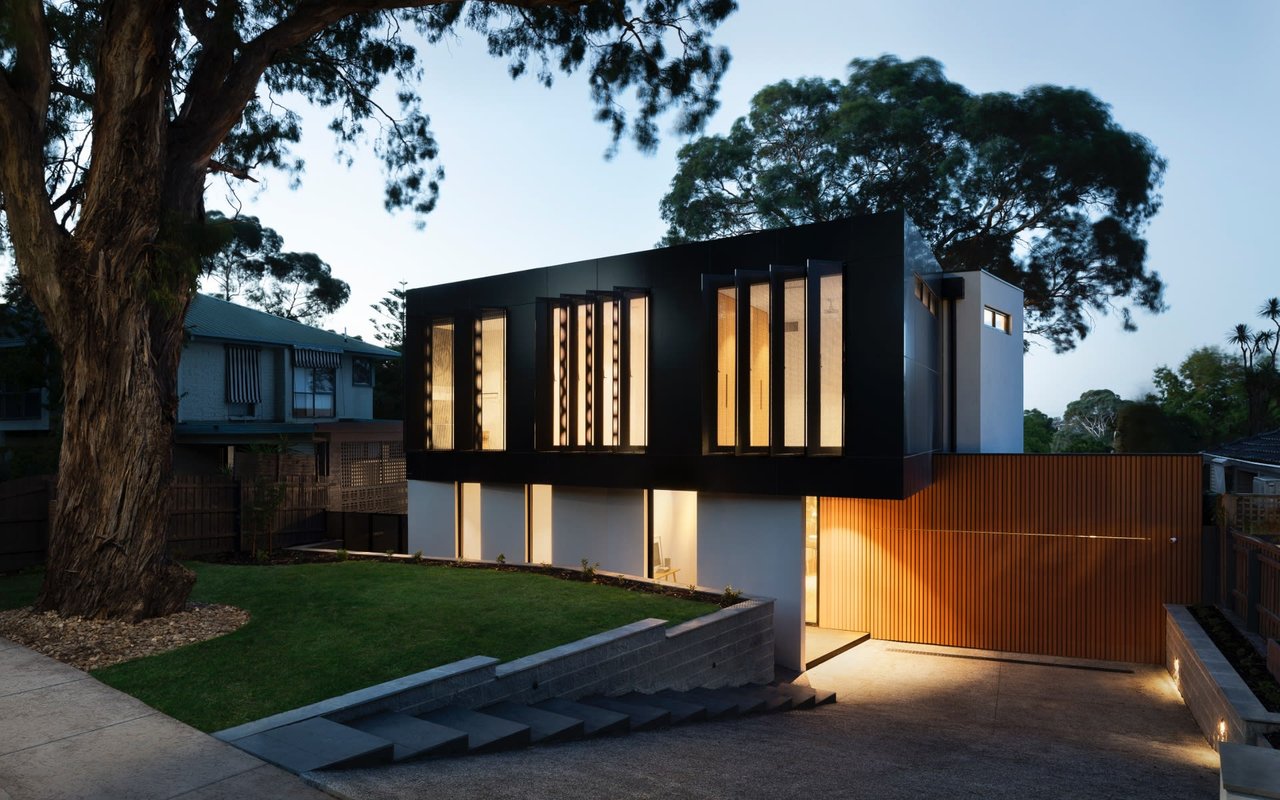
You don't need a complete exterior renovation. Focus on high-impact, low-cost improvements. Paint or polish your front door. Replace outdated hardware. Power wash siding, driveways, and walkways. Ensure house numbers are visible and attractive. Add outdoor lighting to create warmth and security.
These small investments pay enormous dividends. Buyers who are impressed by your exterior are primed to love what's inside.
Lighting: The Secret Weapon
Natural Light Is Your Best Friend
Austin's abundant sunshine is a selling point. Maximize it. Open all curtains and blinds during showings. Clean windows inside and out until they sparkle. Consider removing heavy drapes that block light in favor of sheer curtains or attractive blinds.
Natural light makes spaces feel larger, more inviting, and healthier. It's one of the most sought-after features in any home. Don't let your windows hide this asset.
Strategic Artificial Lighting
Not every room has perfect natural light, and showings don't always happen at golden hour. Layer your lighting with ambient, task, and accent sources. Replace dim bulbs with brighter ones. Add floor lamps to dark corners. Use table lamps to create cozy atmospheres.
Consider the color temperature too. Warm white bulbs (2700-3000K) create inviting spaces in living areas and bedrooms, while brighter daylight bulbs work well in kitchens and bathrooms. Proper lighting can transform a space from dreary to dreamy.
Neutral Palettes with Pops of Color
Why Neutral Works
Neutral doesn't mean boring. It means versatile. Beige, gray, white, and taupe backgrounds allow buyers to envision their own furniture and style. Bold accent walls or unconventional colors can alienate potential buyers who can't see past them.
If your walls are currently bright purple or neon green, invest in repainting with neutral tones. This is one of the highest-return staging investments you can make. Neutral backgrounds also photograph beautifully, making your online listings more appealing.
Adding Character Without Overwhelming
Once you've established neutral foundations, bring in personality through accessories. Throw pillows, artwork, rugs, and decorative objects in coordinated colors add visual interest without commitment. Choose colors that complement Austin's aesthetic—think warm earth tones, sage greens, and soft blues that echo the Texas landscape.
The key is balance. You want enough visual interest to make spaces feel designed but not so much that it overwhelms or distracts from the home's features.
Furniture Placement and Flow
Creating Conversation Areas
Furniture shouldn't just line the walls. Arrange pieces to create intimate conversation groupings that suggest how spaces can be used. In living rooms, angle furniture slightly toward each other. Pull sofas away from walls. Create clear pathways that guide traffic flow.
Each furniture arrangement should have a focal point—a fireplace, a window with a view, or an entertainment center. This gives the eye somewhere to land and helps buyers understand the room's purpose.
Making Rooms Feel Spacious
Paradoxically, sometimes you need to remove furniture to make a room feel larger. If your living room is crammed with a sectional, two recliners, and multiple side tables, scale back. Choose appropriately sized pieces that fit the room's proportions.
Leave space between furniture and walls. Create clear walkways at least three feet wide. The goal is to showcase square footage, not prove how much stuff you can fit into a space.
Staging Key Rooms That Sell Homes
The Living Room
The living room sets the tone for your entire home. It should feel welcoming and comfortable without being cluttered. Start with a clean, neutral sofa as your anchor. Add coordinating chairs if space allows. Include a coffee table with a few carefully chosen accessories—perhaps a beautiful coffee table book, a small plant, and a decorative tray.
Ensure there's adequate lighting and that windows are showcased. Add texture through throws and pillows. If you have a fireplace, make it a focal point with a mirror or artwork above the mantel.
The Kitchen
Kitchens sell homes. Period. Clear all countertops except for a few attractive items—maybe a knife block, a bowl of fresh fruit, or a plant. Buyers want to see counter space, not your appliance collection.
Clean until everything shines. Organize pantries and cabinets neatly—buyers will look inside. Consider updating cabinet hardware if it's dated. Place fresh flowers or herbs in a vase on the counter for a welcoming touch. If your kitchen opens to a dining area, set the table to suggest the lifestyle possibility of entertaining.
The Primary Bedroom
Your primary bedroom should feel like a luxury hotel suite. Invest in quality bedding in neutral colors. Make the bed impeccably with layers—a fitted sheet, flat sheet, duvet or comforter, and decorative pillows. Clear nightstands except for a lamp, an alarm clock, and perhaps a small plant or book.
Remove clothes from view. Half-empty closets suggest ample storage space. Consider adding a cozy reading chair if space permits. The goal is to create a serene retreat that buyers can imagine unwinding in after long days.
Bathrooms That Sparkle
Bathrooms must be spotless. Deep clean grout, polish fixtures, and replace any worn caulking. Put away all personal toiletries. Display fresh, fluffy towels in coordinating colors. Add a small plant or decorative soap dispenser for visual appeal.
Consider minor updates like a new shower curtain, updated lighting fixtures, or a fresh coat of paint. These small investments can make bathrooms feel fresh and updated without major renovation costs.
Austin-Specific Staging Touches
Embracing Indoor-Outdoor Living
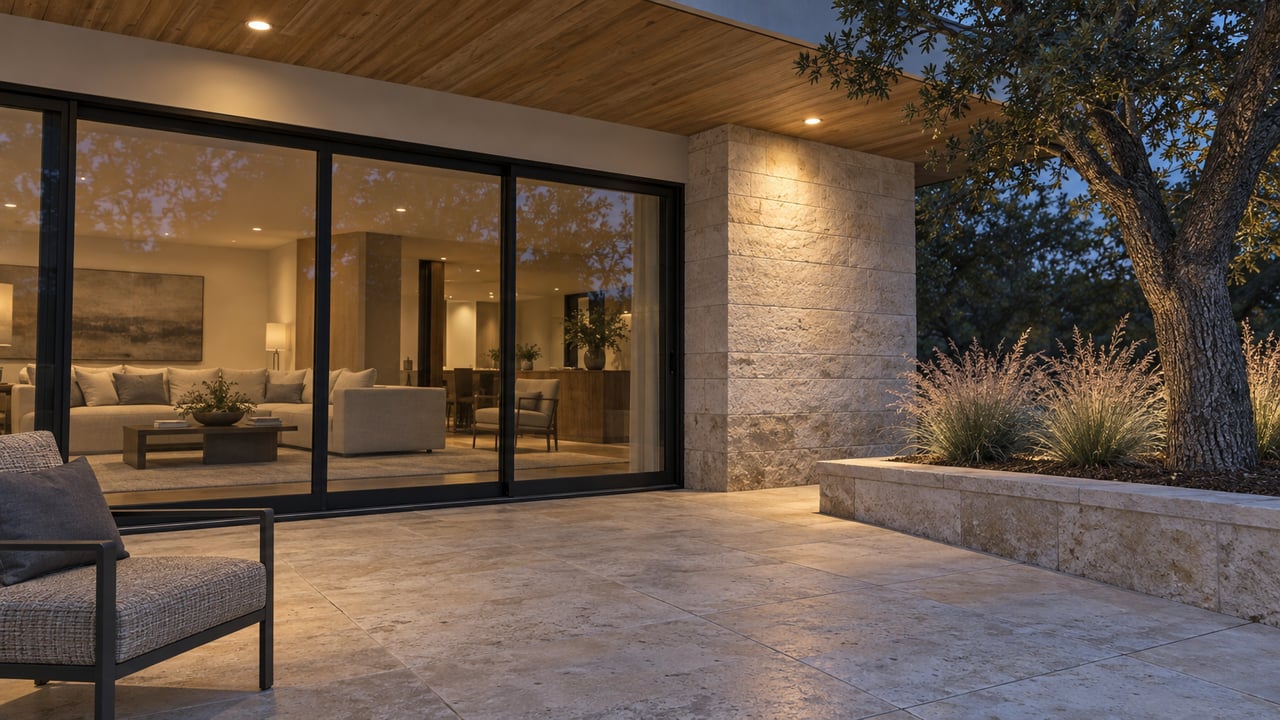
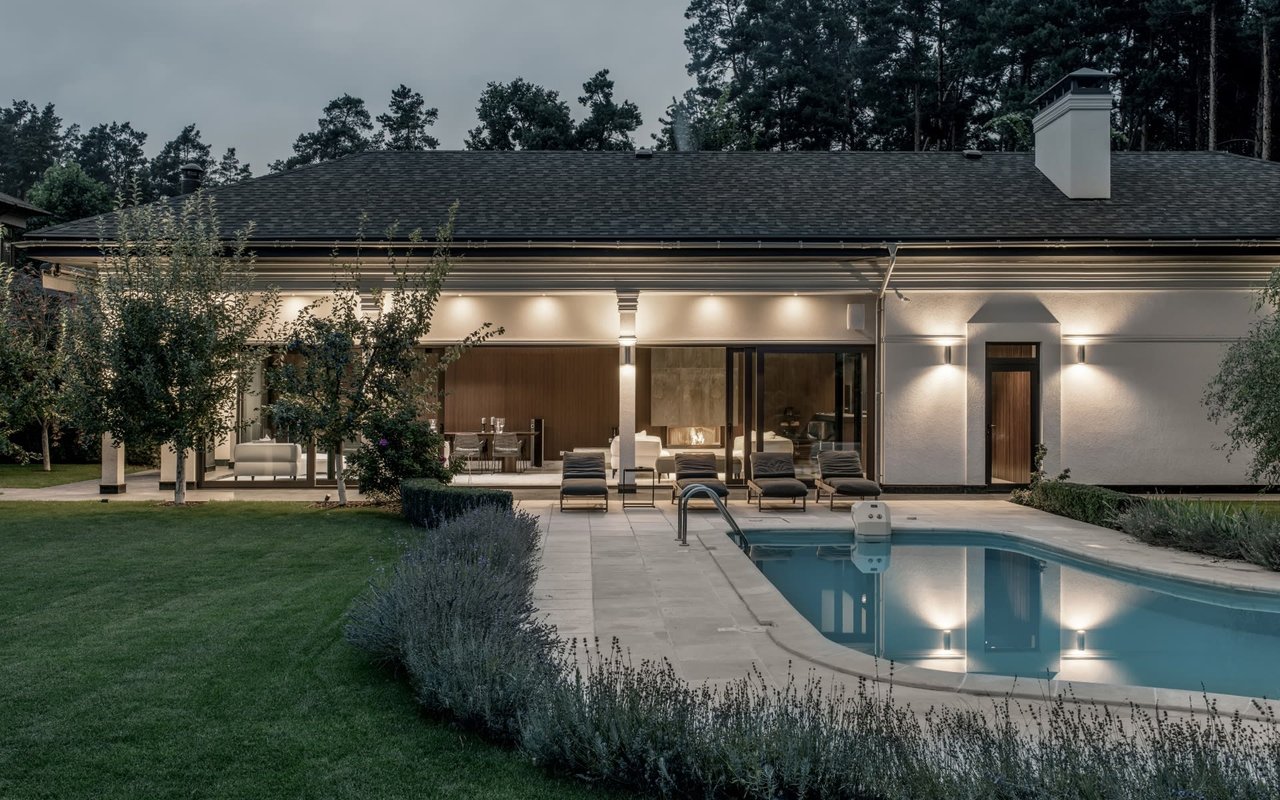
Austin's climate allows for year-round outdoor enjoyment, and buyers expect outdoor spaces that function as extensions of the home. Stage patios, decks, and balconies just as carefully as interior rooms. Add comfortable seating, maybe a small outdoor rug, and potted plants. If you have a pool, ensure it's sparkling clean and the surrounding area is inviting.
Highlight connections between indoor and outdoor spaces. Open doors to patios during showings. Position furniture to take advantage of outdoor views. Buyers want to imagine themselves enjoying Texas sunsets and weekend barbecues in these spaces.
Highlighting Local Style
Austin has a distinct aesthetic that blends modern design with rustic elements. Incorporate touches that feel authentically Austin without being kitschy. Think natural wood elements, leather accents, and contemporary art. Avoid going overboard with Texas stereotypes—no cowboy boot planters or cattle skull wall hangings unless your home truly has a ranch aesthetic.
The goal is sophisticated nods to local style that resonate with buyers moving to Austin for its unique character.
The Power of Professional Photography
Once your home is staged, professional photography is non-negotiable. Most buyers begin their search online, and your photos are your home's first impression. Professional photographers understand lighting, angles, and composition in ways that smartphone cameras can't replicate.
Quality photos showcase your staging efforts and make your listing stand out in crowded online markets. Consider investing in twilight photos, which add drama and sophistication. Drone photography can highlight property features and neighborhood context. These investments pay for themselves by attracting more qualified buyers and potentially higher offers.
Common Staging Mistakes to Avoid
Even with good intentions, sellers make staging mistakes that cost them. Don't over-personalize or over-decorate. Buyers need to envision their own lives, not admire your style choices. Avoid strong scents—what smells wonderful to you might trigger allergies or negative reactions in buyers.
Don't neglect any rooms. Every space matters, including basements, garages, and storage areas. Buyers will look everywhere, and unstaged or messy areas suggest a lack of overall care. Also, resist the urge to stage with oversized furniture that makes rooms feel cramped. Scale matters enormously.
Finally, don't skip maintenance issues. Staging can't hide broken fixtures, stained carpets, or obvious repair needs. Address these problems before staging begins.
Budget-Friendly Staging Tips
Professional staging can cost thousands, but you can achieve impressive results on a budget. Start with a deep clean—it's free and makes an enormous difference. Rearrange existing furniture to create better flow and conversation areas. Borrow items from friends or family to fill gaps.
Shop discount stores for affordable accessories like throw pillows, artwork, and decorative objects. Fresh flowers from the grocery store add life and color inexpensively. Paint is one of the best investments, transforming spaces dramatically for relatively little money.
Consider partial professional staging. Some stagers offer consultation services where they walk through your home and provide specific recommendations you can implement yourself. This gives you expert guidance at a fraction of full-service staging costs.
When to Hire a Professional Stager
If your budget allows, professional stagers bring expertise that's hard to replicate. They understand current design trends, have access to furniture and accessories, and can objectively assess your home's strengths and weaknesses.
Consider hiring a professional if your home is high-value, has been on the market without selling, or is vacant. Empty homes are notoriously difficult for buyers to evaluate. Professional staging helps them understand scale, flow, and possibilities.
Professional stagers also remove the emotional component. They'll make tough recommendations about furniture removal or repainting that friends and family might hesitate to suggest. Their outside perspective is invaluable.
Conclusion
Staging your Austin home isn't optional in today's competitive market—it's essential. By decluttering, maximizing light, using neutral palettes with strategic pops of color, and thoughtfully arranging furniture, you create spaces that help buyers fall in love instantly. Remember to highlight what makes Austin living special: indoor-outdoor connections, modern style with warm touches, and lifestyle possibilities.
Whether you tackle staging yourself or hire professionals, the investment pays dividends through faster sales and higher offers. Your home has incredible potential. With these Austin pro secrets, you'll showcase it in ways that make buyers stop scrolling, schedule showings, and imagine their future within your walls. That emotional connection is exactly what transforms interested browsers into committed buyers ready to make their best offer.
FAQs
1. How much does professional home staging cost in Austin?
Professional staging in Austin typically ranges from $2,000 to $5,000 for an initial consultation and three-month rental of furniture and accessories. Vacant homes cost more than occupied ones. However, staged homes often sell faster and for higher prices, offsetting these costs. Many stagers offer tiered services, so you can choose partial staging of key rooms if budget is a concern.
2. Should I stage my home if I'm selling in a seller's market?
Absolutely. Even in seller's markets, staged homes stand out and often receive multiple offers above asking price. Competition might be less fierce, but staging maximizes your selling price and minimizes days on market. Think of it as leaving money on the table if you skip staging, regardless of market conditions.
3. What's the most important room to stage?
The kitchen is consistently the most important room to buyers, followed closely by the primary bedroom and main living areas. If you're staging on a limited budget, focus your efforts on these spaces first. Buyers can overlook issues in secondary bedrooms or offices if the primary spaces are impressive.
4. How long should I expect staging to take?
For occupied homes, basic staging (decluttering, rearranging existing furniture, and adding accessories) can be completed in a weekend. Professional stagers typically need 1-3 days for furniture delivery and setup. Plan for staging to be complete before photography, which should happen before your listing goes live.
5. Can I live in my home while it's staged?
Yes, though it requires discipline. You'll need to maintain the staged appearance, which means minimal personal items, keeping everything clean and organized, and being prepared for showings with little notice. Many sellers find this challenging, especially with children or pets. Consider whether the inconvenience is manageable for your situation, or if moving before selling might reduce stress.