From California to Texas: What Out-of-State Luxury Buyers Should Know About Austin's Market
If you've been thinking about making the move from California to Texas, you're certainly not alone. Over the past several years, Austin has emerged as one of the most compelling luxury real estate destinations in the entire country, drawing high-net-worth buyers from San Francisco, Los Angeles, and San Diego who are tired of sky-high taxes, regulatory complexity, and a cost of living that seems to have no ceiling. Understanding Austin's market from an out-of-state perspective, however, takes more than a quick weekend visit and a Zillow scroll. There are nuances — financial, legal, cultural, and logistical — that every serious buyer should understand before signing anything.
This guide is designed specifically for out-of-state luxury buyers navigating one of the most dynamic real estate markets in the American Sun Belt. Whether you're relocating permanently, purchasing a second home, or investing in Austin luxury real estate as part of a broader wealth strategy, what follows will give you a clear, honest, and comprehensive picture of what to expect in 2026.
Why California Buyers Are Flocking to Austin in 2026
It's not hard to see why the California-to-Texas migration story has dominated real estate headlines for half a decade. The numbers tell a compelling story: according to U.S. Census data and migration tracking platforms like Redfin and U-Haul, Texas — and Austin specifically — continues to rank among the top destinations for California residents who are leaving. But what's driving luxury buyers in particular?
For high earners, the motivation isn't just about lower housing prices (though that's certainly part of it). It's about total cost of life. In California, a household earning $1 million per year faces a state income tax rate of 13.3% — the highest in the nation. In Texas, that number is zero. For a buyer who has just sold a $4 million home in Palo Alto or Pacific Palisades, the downstream financial implications of that single difference are enormous.
There's also a lifestyle shift happening. The pandemic fundamentally untethered many tech executives, entrepreneurs, and remote professionals from their physical offices. Once location became a choice rather than a constraint, many wealthy Californians began asking themselves a simple question: Why am I staying? Austin answered that question with a thriving tech ecosystem (Tesla, Apple, Oracle, and dozens of venture-backed startups all have major Austin footprints), a world-class food and music scene, abundant outdoor recreation, and an entrepreneurial culture that genuinely welcomes new arrivals.
The result? A new class of luxury buyer has emerged — one who is financially sophisticated, time-constrained, and buying at price points between $2 million and $10 million or more. These buyers don't just want a beautiful home; they want to make sure the move makes sense on every level. That requires a much deeper understanding of Austin's market than most online resources currently provide.
It's also worth noting that Austin's luxury segment has matured significantly. The wild bidding wars of 2021 and early 2022 — when out-of-state buyers were routinely waiving inspections and offering $500,000 over asking — have given way to a more balanced, buyer-friendly environment in 2026. That's great news for anyone arriving with serious capital and a deliberate mindset.
The Financial Case: Tax Savings That Change the Math
Before you even start touring homes, it's worth sitting down with a financial advisor and a Texas-based CPA to model out the real numbers. The financial case for buying luxury real estate in Austin from a California perspective is genuinely strong — but it's also more complicated than most people initially assume.
Breaking Down Texas Property Taxes vs. California
Here's where some California buyers get a surprise: Texas has no state income tax, but it does have relatively high property taxes. The effective property tax rate in Travis County (which covers most of Austin) typically runs between 1.7% and 2.2% of assessed value. In California, Proposition 13 caps property tax increases for existing homeowners at 2% per year, which means many long-term California homeowners are paying effective rates well below 1%.
What does that mean in practice? On a $3 million Austin home, you might pay anywhere from $51,000 to $66,000 per year in property taxes. That's a significant line item. However, for most buyers relocating from California with meaningful income, the elimination of state income tax more than compensates — often by a factor of three or four to one.
Here's a simplified comparison for a buyer earning $800,000 per year:
| Tax Category | California | Texas (Austin) |
|---|---|---|
| State Income Tax | ~$100,000+ | $0 |
| Property Tax (on $3M home) | ~$25,000–$35,000 | ~$55,000–$66,000 |
| Net Annual Difference | — | Savings of $60,000–$75,000+ |
These figures are illustrative, of course, and individual circumstances vary. But the directional math is clear: for most high earners, Texas wins decisively on total tax burden.
What Your California Budget Actually Buys in Austin
This is where the conversation gets genuinely exciting for most out-of-state luxury buyers. The purchasing power differential between major California metros and Austin remains substantial, even after Austin's significant price appreciation over the past several years.
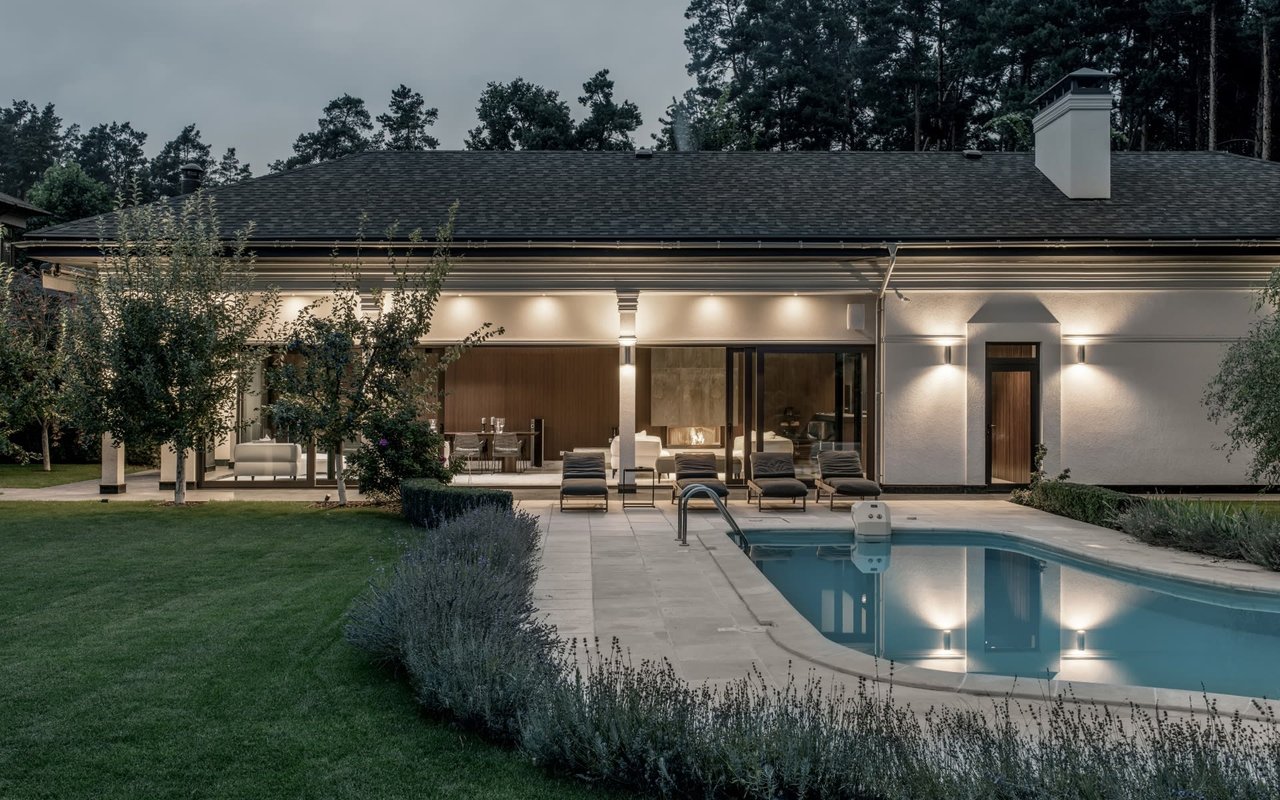
In San Francisco or Los Angeles, $3 million might buy you a well-appointed but modest single-family home in a desirable neighborhood — perhaps 2,500 to 3,500 square feet, minimal lot, and older construction. In Austin's luxury corridor, that same $3 million can get you a custom-built 5,000-square-foot home on a half-acre lot in Westlake Hills, complete with a pool, a chef's kitchen, a home office suite, and views of the Hill Country. The value proposition is difficult to overstate.
At the $5 million and above tier, Austin offers genuinely world-class estates — sprawling lakefront properties on Lake Travis, gated compounds in the Barton Creek corridor, and architecturally significant modern homes that would easily command $15 million or more in comparable California zip codes. Luxury buyers from California consistently report a sense of shock — in the best possible way — when they first tour homes at their price point in Austin.
Austin's Luxury Neighborhoods: A Guide for Out-of-State Buyers
One of the most common mistakes out-of-state buyers make is assuming that Austin's luxury market is geographically concentrated in one or two obvious areas. In reality, Austin's high-end residential landscape is diverse, spread across multiple distinct sub-markets, each with its own character, price dynamics, and lifestyle proposition.
Westlake Hills and Bee Cave: Where Privacy Meets Prestige
Westlake Hills is Austin's most prestigious luxury enclave, full stop. Technically its own incorporated city (not part of Austin proper), Westlake Hills sits just west of downtown and offers the combination of top-rated schools (Eanes Independent School District consistently ranks among the best in Texas), large wooded lots, and a sense of privacy that's increasingly rare in a growing metropolitan area.
Bee Cave, which sits further west along Highway 71, represents a slightly more accessible price point while still delivering the Hill Country aesthetic and access to top schools. The Hill Country Galleria provides high-end retail, and the area's proximity to Lake Travis makes it particularly attractive for buyers who want both luxury living and recreational access.
Tarrytown and Rollingwood: Old Money Charm Near Downtown
For buyers who want walkability, tree-lined streets, and proximity to downtown without sacrificing prestige, Tarrytown is Austin's answer. This Central Austin neighborhood has a mature, established feel — large lots, historic bungalows alongside newer custom builds, and a genuine sense of community. It's the kind of neighborhood where people stay for decades, which means inventory is limited and values are remarkably stable.
Rollingwood, tucked between Tarrytown and Westlake, is a tiny incorporated city that's often overlooked by out-of-state buyers but beloved by those in the know. Its central location, excellent schools (served by Eanes ISD), and tight-knit community make it one of Austin's most coveted micro-markets.
Lake Travis and Lakeway: Waterfront Luxury Living
If water is a priority — and for many California buyers accustomed to coastal living, it is — then the Lake Travis corridor deserves serious attention. Communities like Lakeway, Rough Hollow, and Vineyard Bay offer resort-style living on one of the most beautiful lakes in Texas, complete with marina access, hill country views, and a laid-back luxury atmosphere that's quite distinct from the urban energy of central Austin.
Prices here range widely, from $1.5 million for a well-appointed lake-view home to $15 million or more for the most exclusive waterfront estates. It's worth noting that Lake Travis is about 25–35 minutes from downtown Austin, so buyers should factor commute time into their decision — particularly if they'll be attending in-person meetings regularly.
Understanding Austin's Real Estate Market Dynamics in 2026
How Austin's Market Has Corrected Since the 2022 Peak
Austin's real estate market experienced one of the most dramatic run-ups — and subsequent corrections — of any major U.S. metro in recent memory. From 2020 to early 2022, median home prices in Austin increased by more than 60%, fueled by out-of-state migration, remote work demand, and speculative buying. Then, as interest rates rose sharply through 2022 and 2023, Austin experienced a correction that was steeper than most other Sun Belt markets.
By 2024 and into 2025, the market found its footing. Luxury properties — particularly those above $2 million — have stabilized and in many sub-markets are seeing modest appreciation again. The days of reckless overbidding are largely gone, replaced by more rational negotiation dynamics. For well-capitalized out-of-state buyers, this represents an excellent entry point.
What Remote Workers and Tech Executives Need to Know
Austin's luxury market has a distinct tech-buyer profile that shapes how deals get done. Many sellers are themselves tech executives or entrepreneurs, which means they understand financial complexity, are often motivated by life events (liquidity events, relocations, or estate planning) rather than desperation, and can be discerning about who they're selling to. Buyers who come prepared — pre-approved or proof-of-funds in hand, represented by a credible local agent — are taken seriously. Those who don't do their homework get filtered out quickly.
The Legal and Logistical Side of Buying Across State Lines
Establishing Texas Domicile: Steps Every California Transplant Should Take
This is an area where many buyers underestimate the complexity. If you're relocating from California — not just buying a vacation home, but actually moving — you'll want to establish Texas domicile as cleanly and completely as possible. California's Franchise Tax Board is famously aggressive about pursuing former residents who it believes still have ties to the state. Simply buying a Texas home isn't enough.
To establish Texas domicile properly, you should: obtain a Texas driver's license, register your vehicles in Texas, update your voter registration, establish banking relationships in Texas, update your estate planning documents to reflect Texas law, and spend the majority of your calendar year in Texas. Working with an attorney who specializes in interstate domicile transitions is strongly recommended.
Working With the Right Austin Luxury Real Estate Agent
Not all real estate agents are created equal, and in Austin's luxury market, representation quality matters enormously. You want an agent who specializes specifically in the $2 million-and-above segment, has deep neighborhood-specific knowledge, and has experience working with out-of-state buyers who are navigating the process remotely. Check out Austin Luxury Real Estate Advisor, Meryl Hawk's, testimonials.
Lifestyle Considerations: Is Austin Really the Right Move?
Climate, Culture, and Community: Managing Expectations
Austin is a genuinely wonderful city, but it's not California, and pretending otherwise does buyers a disservice. The summers are brutal — temperatures regularly exceed 100°F for weeks at a time, and the 2021 winter storm Uri demonstrated that Texas infrastructure can be vulnerable to extreme cold events as well. Luxury homes in Austin increasingly come equipped with whole-home generators and advanced HVAC systems, and buyers should factor infrastructure resilience into their evaluation criteria.
Culturally, Austin is more politically diverse than the California coastal metros most transplants are coming from, which some buyers find refreshing and others find disorienting. The "Keep Austin Weird" ethos is real — this is a city that embraces creativity, entrepreneurship, and individualism — but it's also a rapidly growing metro of over 2 million people that is grappling with infrastructure, traffic, and affordability challenges in its own right.
The community of California transplants in Austin is, at this point, enormous. There are informal networks, neighborhood Facebook groups, and even professional organizations specifically oriented toward helping new arrivals connect. Most buyers report that the social transition is easier than they expected, particularly in the luxury neighborhoods where transplant density is high.
Frequently Asked Questions
1. Is Austin's luxury real estate market still a good investment in 2026? Yes, with appropriate expectations. Austin's luxury market has corrected from its 2022 peaks and is now in a more stable, buyer-friendly phase. Long-term fundamentals — population growth, corporate relocation, and infrastructure investment — remain strong. Buyers entering at 2026 price points are generally well-positioned for long-term appreciation, though short-term gains should not be assumed.
2. How do I buy a home in Austin while still living in California? Many luxury transactions in Austin are conducted largely remotely. Virtual tours, remote notarization, and digital closing platforms make the logistics manageable. However, most buyers who are serious about the $2 million-plus segment do make at least one or two in-person visits before committing. A strong local buyer's agent is essential for navigating the process from a distance.
3. Are there HOAs in Austin's luxury neighborhoods? It varies significantly by neighborhood. Some communities — particularly newer master-planned developments like Rough Hollow on Lake Travis — have active HOAs with meaningful dues and restrictions. Older established neighborhoods like Tarrytown and Westlake Hills have far fewer HOA-governed properties. Be sure to clarify HOA status early in your search.
4. What's the best time of year to buy luxury real estate in Austin? Historically, the late fall and winter months (October through February) represent the best buyer's market conditions. Inventory tends to be lower, but competition is also reduced, and sellers who are listing during the off-season are often more motivated. Spring remains the most active season, with more options but more competition.
5. Can I rent out my Austin luxury home when I'm not using it? Short-term rental regulations in Austin have tightened significantly in recent years. Many luxury neighborhoods have HOA restrictions or city ordinances that limit or prohibit short-term rentals. If rental income is part of your financial model, verify the regulatory environment for your specific property before purchasing.
6. How does Texas property tax work for new buyers? In Texas, property is assessed annually by the county appraisal district, and your tax bill is based on that assessed value multiplied by the applicable tax rates from various taxing entities (county, city, school district, etc.). New buyers should anticipate that assessed values often reset closer to market value upon sale, which can result in a property tax bill significantly higher than what the previous owner was paying. Budget accordingly.
Conclusion
Making the move from California to Texas — and buying luxury real estate in Austin — is one of the most financially and personally significant decisions a high-net-worth buyer can make. Done right, it's a move that can dramatically improve your quality of life, reduce your tax burden, and position you well in one of America's most dynamic real estate markets. Done without proper preparation, it can lead to costly surprises and mismatched expectations.
The good news is that Austin's market in 2026 is genuinely buyer-friendly in a way it hasn't been for several years. Prices have rationalized, inventory has improved, and the frenzied competition of the pandemic era has given way to a more deliberate, professional transaction environment. For out-of-state luxury buyers who take the time to understand the market — its neighborhoods, its tax dynamics, its legal nuances, and its cultural personality — Austin represents a compelling opportunity that's well worth serious consideration.