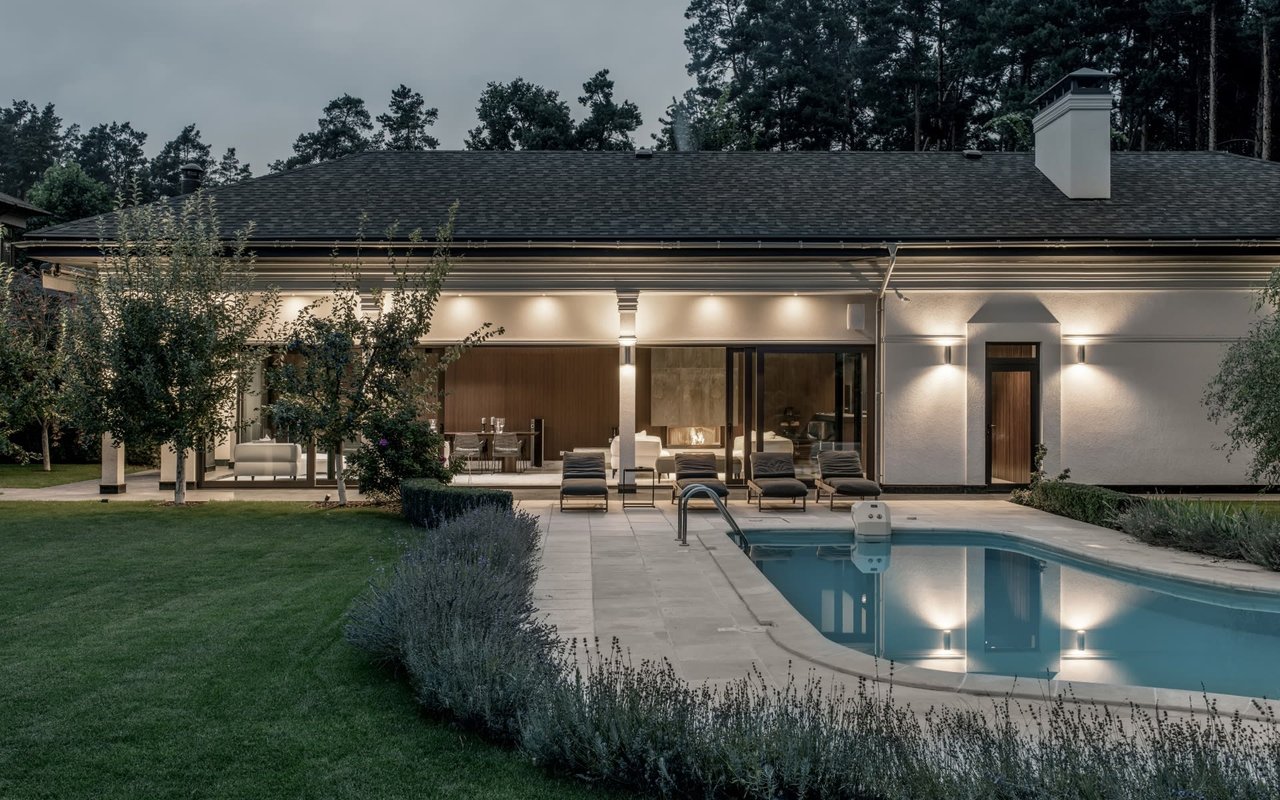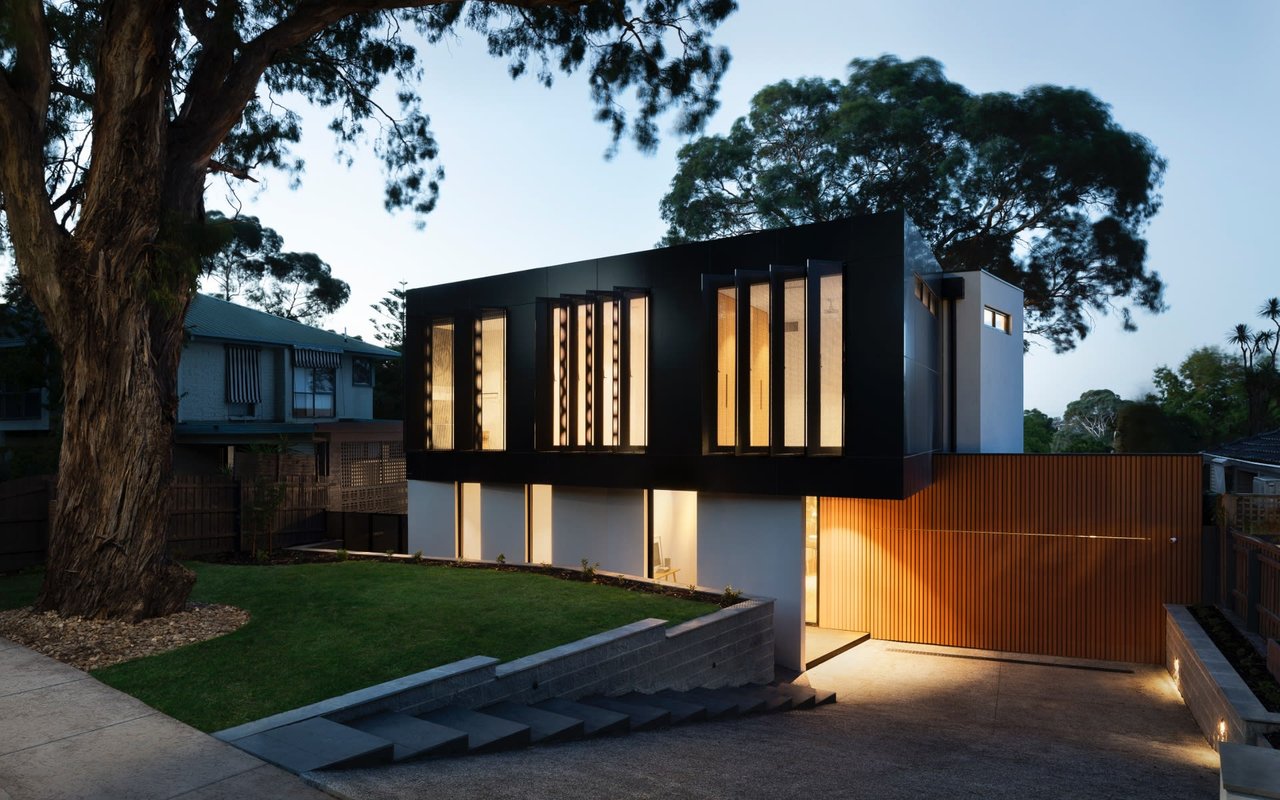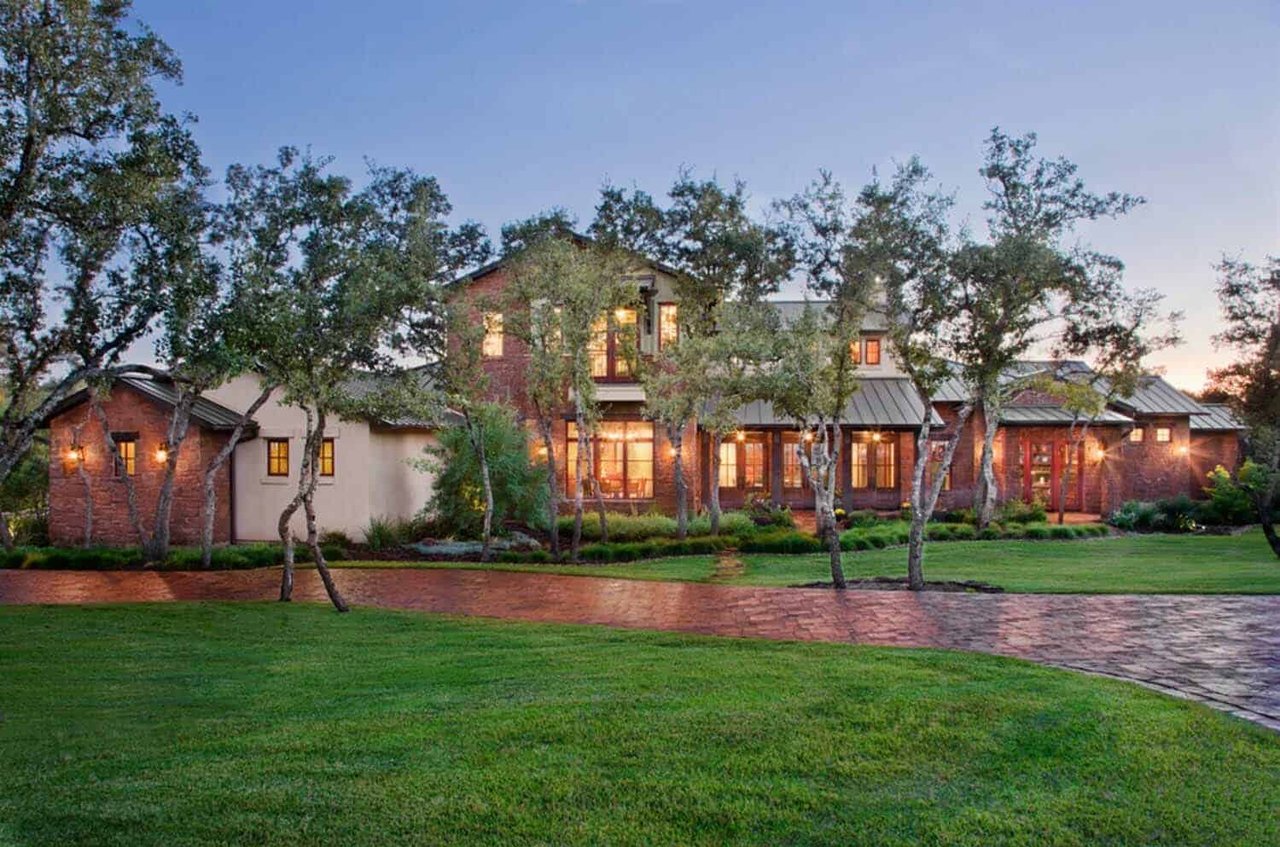
There's something magical happening in the rolling hills west of Austin. Where once stood simple ranch homes and wide-open spaces, a new generation of architectural marvels is taking root. These aren't your grandfather's Hill Country estates. They're bold, sustainable, and unapologetically modern, yet they honor the rugged beauty that makes this corner of Texas so captivating.
In 2026, Austin's luxury new construction is writing a fresh chapter in Texas living. These modern Hill Country estates represent more than just places to live—they're statements about what's possible when cutting-edge design meets the timeless appeal of the Texas landscape. Let's explore how this transformation is reshaping one of America's most desirable places to call home.
The Evolution of Austin's Hill Country Architecture
From Ranch Houses to Modern Masterpieces
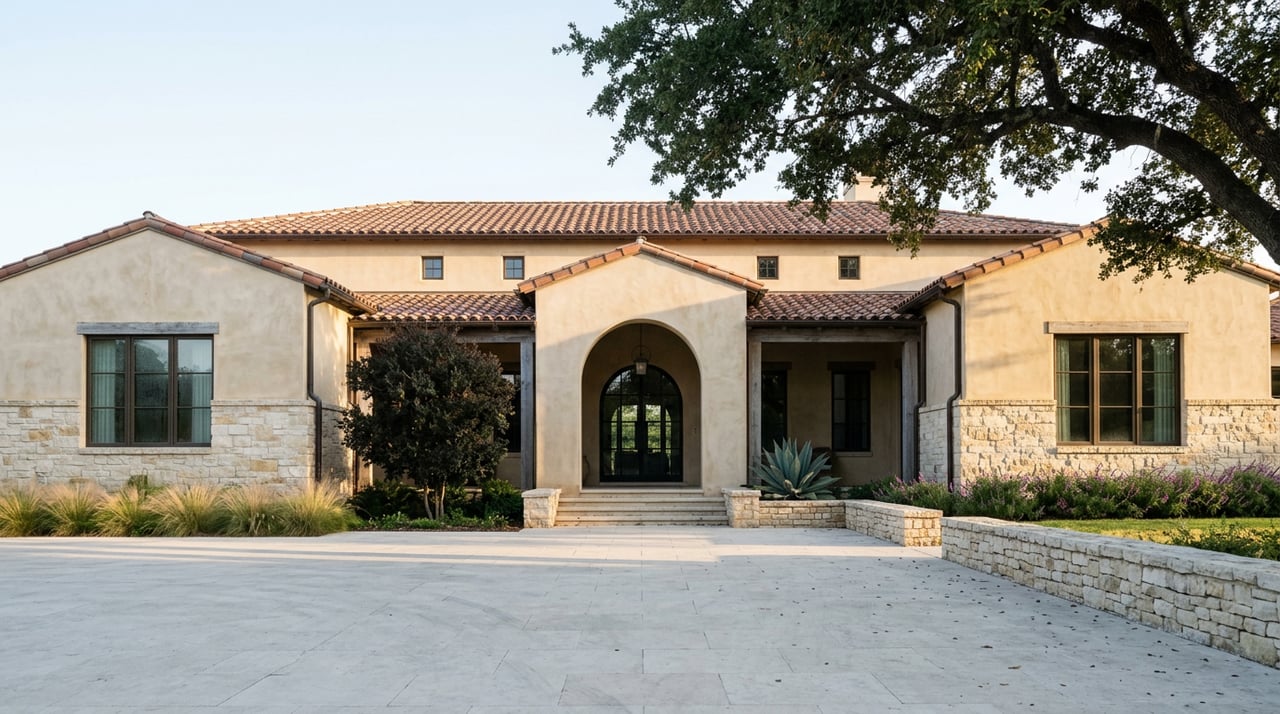
The Hill Country has always been synonymous with a certain kind of Texas charm. Think limestone facades, metal roofs, and sprawling porches where you could watch the sunset with a cold drink in hand. These traditional ranch-style homes told a story of rugged individualism and connection to the land.
But times change, and so does taste. Today's luxury buyers want something different. They're looking for homes that blend the best of Hill Country tradition with contemporary sophistication. The result? Architectural designs that would look equally at home in Architectural Digest and still feel authentic to their Texas roots.
This evolution didn't happen overnight. It's been a gradual shift over the past decade, accelerating dramatically in the last few years. Architects and developers recognized that wealthy transplants and Austin natives alike wanted homes that reflected their modern lifestyles while celebrating the natural environment that drew them here in the first place.
What Makes Hill Country Design Unique
Hill Country architecture has always had a distinct personality. It's never been about showing off—it's about belonging. The traditional approach used local materials like limestone and cedar, colors that echoed the landscape, and designs that worked with (not against) the challenging terrain.
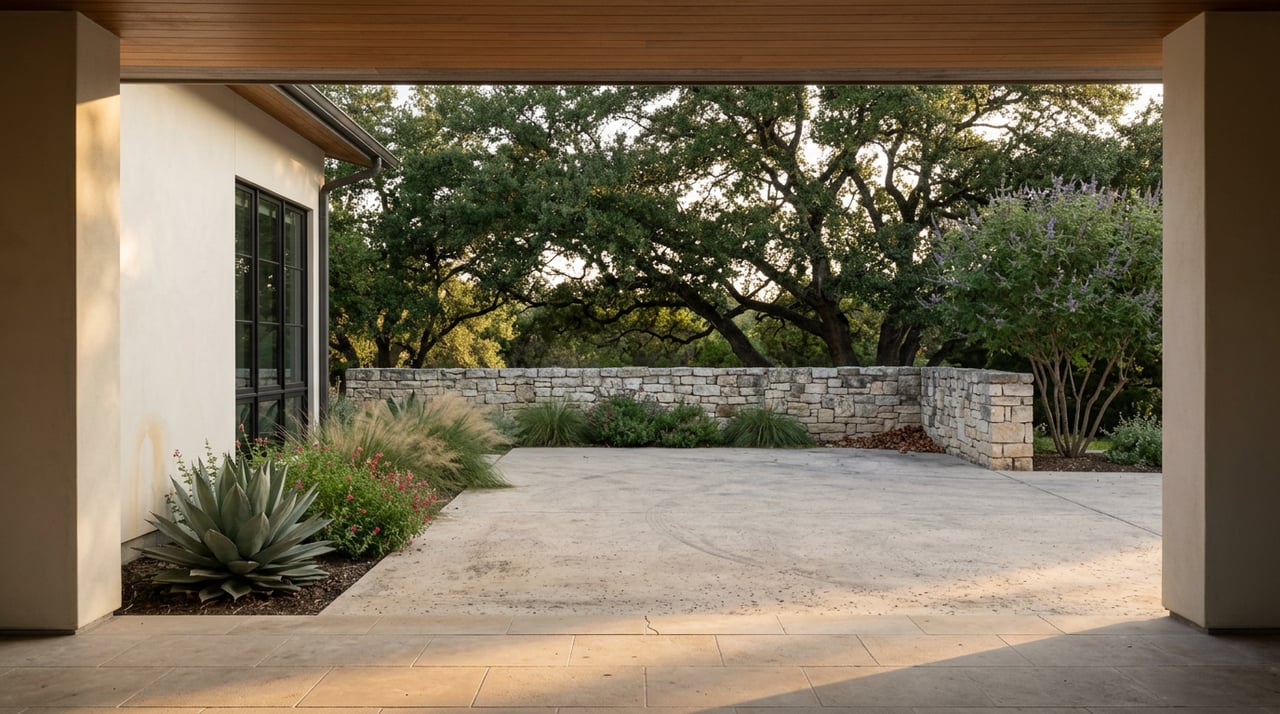
Modern Hill Country estates honor these principles while pushing boundaries. You'll still see limestone, but now it's paired with floor-to-ceiling glass. Cedar remains popular, but it's incorporated into sleek, minimalist designs. The color palette still draws from nature—warm neutrals, sage greens, and sunset oranges—but the execution is decidedly contemporary.
What truly sets these estates apart is their relationship with the land. Unlike urban luxury homes that dominate their lots, Hill Country estates nestle into the landscape. They follow the contours of hillsides, frame views of valleys and creeks, and create multiple vantage points to appreciate the natural beauty surrounding them.
The 2026 Luxury Real Estate Landscape in Austin
Market Trends Driving New Construction
Austin's real estate market in 2026 is unlike anything we've seen before. The pandemic-era migration brought an influx of remote workers and entrepreneurs, but what we're seeing now is different. These buyers aren't just looking for more space—they're seeking a complete lifestyle transformation.
The demand for luxury new construction in the Hill Country has created a building boom that's focused on quality over quantity. Developers are taking their time, crafting homes that will stand the test of time both aesthetically and structurally. Custom builders are booked years in advance, and spec homes in prime locations sell before they're even listed.
What's driving this? Several factors converge. Austin's tech economy continues to thrive, creating wealth that demands high-end housing options. The city's cultural appeal—from world-class dining to live music—makes it attractive to luxury buyers who want both sophistication and authenticity. And the Hill Country itself offers something increasingly rare: space, privacy, and natural beauty within reach of urban amenities.
Price Points and Investment Opportunities
Let's talk numbers. Modern Hill Country estates in 2026 typically start around $2 million for properties on the eastern edge of the Hill Country corridor. Move further west into prime locations like West Lake Hills or Barton Creek, and you're looking at $3 million to $8 million for exceptional properties. The ultra-luxury segment—estates on significant acreage with custom architecture and resort-level amenities—can easily exceed $10 million.
Are these investments sound? History suggests yes. Austin's luxury real estate has consistently appreciated, even during broader market corrections. The combination of limited land availability, strict development regulations, and ongoing demand creates favorable conditions for value retention and growth.
For buyers, the sweet spot often lies in new construction properties in emerging Hill Country areas. Places like Dripping Springs are seeing significant development, offering newer homes at slightly lower price points than established communities while still providing that coveted Hill Country lifestyle.
Architectural Features Defining Modern Hill Country Estates
Indoor-Outdoor Living Integration
If there's one defining characteristic of modern Hill Country estates, it's the complete dissolution of barriers between inside and outside. These homes don't just have patios—they have seamlessly integrated living spaces that flow from interior rooms to exterior terraces without visual or functional interruption.
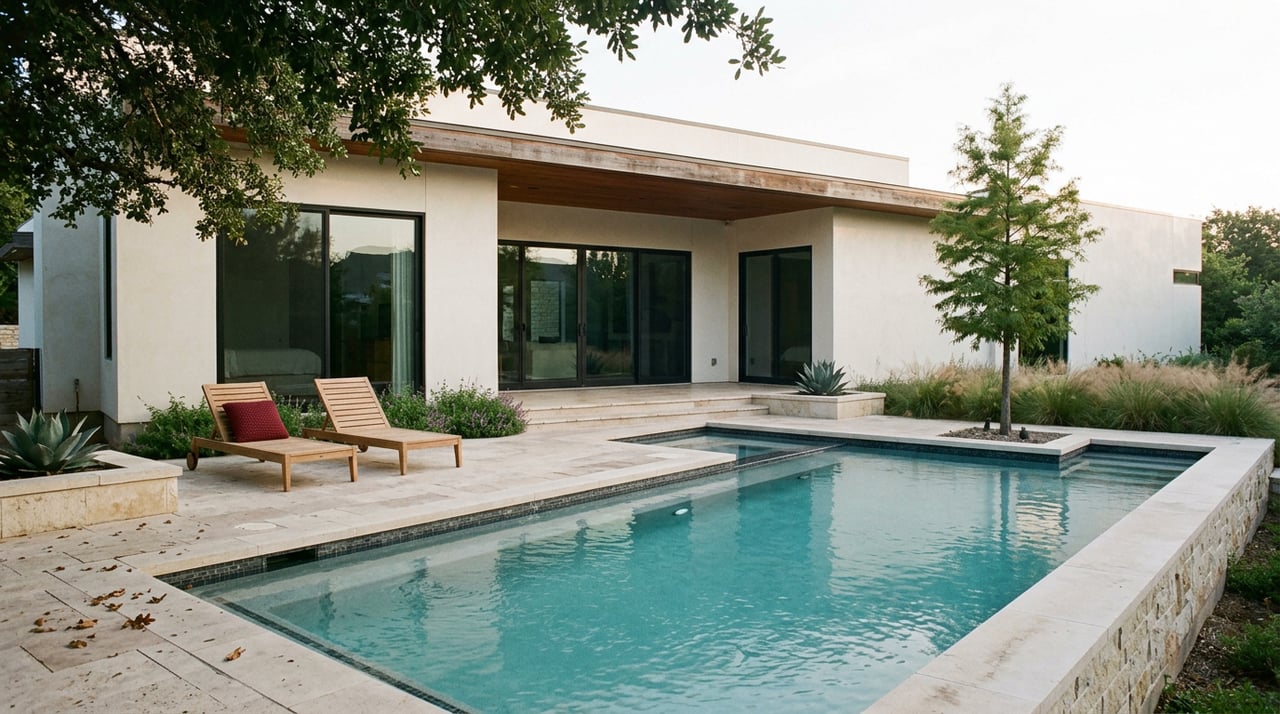
Picture this: your living room opens via retractable glass walls to a covered outdoor space with the same flooring material, creating one continuous area. The outdoor kitchen isn't an afterthought—it's a full culinary center with professional appliances, often more impressive than what's inside. Pools aren't just rectangular boxes—they're infinity-edge designs that visually connect with the distant hills.
This integration serves a practical purpose in the Hill Country climate. For much of the year, the weather is absolutely perfect for outdoor living. By creating spaces that work equally well with walls open or closed, these estates maximize the usable square footage and create that coveted indoor-outdoor lifestyle.
Sustainable Materials and Native Landscapes
Sustainability isn't just a buzzword in 2026 Hill Country construction—it's an expectation. Luxury buyers are increasingly environmentally conscious, and they want homes that reflect those values without compromising on aesthetics or comfort.
Modern estates extensively use locally sourced materials. That limestone you see? Likely quarried within 50 miles. The timber? Texas cedar and oak. These choices reduce environmental impact while ensuring the home feels connected to its surroundings.
Native landscaping has become the gold standard. Gone are the days of trying to maintain Kentucky bluegrass in the Texas heat. Today's estates feature xeriscaping with native plants like Texas sage, mountain laurel, and native grasses. These landscapes require minimal water, no pesticides, and provide habitat for local wildlife while looking absolutely stunning.
Glass Walls and Natural Light Optimization
Walk into a modern Hill Country estate, and you'll immediately notice the abundance of natural light. These homes are designed around capturing and celebrating sunlight while managing the Texas heat.
Floor-to-ceiling glass is everywhere, but it's not just about views. Strategic placement ensures morning light in bedrooms, afternoon shade in living areas, and sunset views from primary entertaining spaces. High-performance glass technology keeps heat out while letting light in, making these expansive windows practical, not just beautiful.
Clerestory windows, skylights, and light wells bring illumination deep into floor plans. The effect is homes that feel open and connected to nature even in interior spaces. You're never far from a view of the sky or a glimpse of the landscape beyond.
The Role of Technology in Design
Technology enables many of these architectural achievements. Smart glass can tint automatically based on sun exposure. Automated window treatments adjust throughout the day to optimize light and temperature. Climate control systems zone differently for indoor and outdoor spaces that share the same design footprint.
Building information modeling allows architects to design homes that maximize natural light while minimizing heat gain. Energy modeling ensures these glass-heavy designs remain efficient. The technology is invisible to residents but essential to making these modern estates both beautiful and livable.
Location Spotlight: Where These Estates Are Rising
West Lake Hills and the Barton Creek Corridor
West Lake Hills remains the crown jewel of Austin luxury real estate. Just minutes from downtown, this area offers dramatic hillside lots with panoramic views of the city skyline and Hill Country. The Barton Creek area, encompassing several exclusive communities, provides similar proximity with even more seclusion.
These established areas command premium prices for good reason. The combination of location, schools, and established luxury home inventory makes them perennially desirable. New construction here tends toward custom estates on rare available lots, often replacing older homes with modern masterpieces.
The architectural character in these areas has evolved significantly. While you'll still find traditional Hill Country designs, the trend is decidedly modern. Clean lines, dramatic cantilevers, and extensive glass are becoming the norm rather than the exception.
Dripping Springs and the Expanding Hill Country
Head 30 minutes west of Austin, and you'll find Dripping Springs, a community experiencing explosive growth in luxury development. Once a sleepy Hill Country town, it's now home to some of the most impressive modern estates being built in the region.
What makes Dripping Springs attractive? Larger lots at lower price points, less restrictive building regulations, and a small-town atmosphere that still offers proximity to Austin. Many properties here sit on 5, 10, or even 20+ acres, providing privacy that's increasingly rare closer to the city.
The architecture here tends toward bolder expressions of modern design. With more space to work with and fewer neighborhood restrictions, architects are creating homes that make strong architectural statements. Think dramatic rooflines, sculptural forms, and designs that seem to emerge organically from the landscape.
Lakeway and Lake Travis Communities
The Lake Travis area offers a different Hill Country experience—one centered around water. Lakeway and surrounding communities combine Hill Country aesthetics with waterfront living, creating a unique luxury niche.
Modern estates here often feature boat docks, waterside infinity pools, and designs that maximize lake views. The architecture tends to be slightly more resort-like, reflecting the recreational lifestyle these properties offer. You'll see more outdoor entertainment spaces, guest houses, and amenities designed for hosting.
The market here appeals to buyers who want both Hill Country and lake living. Properties with water frontage command significant premiums, while homes with lake views but no direct access offer a more accessible entry point to this lifestyle.
The Modern Amenities Buyers Expect
Smart Home Technology and Automation
In 2026, luxury isn't just about square footage and finishes—it's about intelligence. Modern Hill Country estates come equipped with comprehensive smart home systems that control everything from climate to security to entertainment.
These aren't afterthought installations. The technology is integrated during construction, with infrastructure planned from the beginning. Lighting systems that adjust throughout the day, security cameras with facial recognition, automated window treatments, and voice-controlled everything are standard expectations.
The best systems are intuitive and invisible. Residents shouldn't need a computer science degree to control their home. The goal is enhancing lifestyle without adding complexity—technology that anticipates needs and fades into the background.
Resort-Style Outdoor Spaces
The outdoor amenities in modern Hill Country estates rival luxury resorts. We're talking infinity-edge pools with beach entries, full outdoor kitchens with pizza ovens and smokers, cabanas with climate control, and fire features that create ambiance.
But it goes beyond individual elements. These spaces are designed as complete outdoor rooms. You might have a covered living area with a fireplace, an outdoor dining space for 12, a poolside lounge area, and a meditation garden with water features—all flowing together as a cohesive outdoor estate.
The landscaping around these amenities is equally impressive. Sophisticated lighting creates nighttime magic. Automated irrigation keeps everything lush with minimal water. Native plantings provide privacy while attracting butterflies and birds.
Home Offices and Multi-Functional Spaces
The remote work revolution permanently changed luxury home design. Modern estates now include dedicated office space—not a bedroom with a desk, but proper offices with custom built-ins, excellent natural light, and separation from living areas.
But flexibility is key. The best designs create multi-functional spaces that adapt to changing needs. A home gym that converts to a meditation studio. A guest suite that functions as a home office. A media room that doubles as a homework space.
Wine cellars, art galleries, music rooms, craft studios—these specialized spaces reflect the diverse interests of luxury buyers. Modern Hill Country estates accommodate passions and hobbies in ways that traditional homes simply couldn't.
Sustainability Meets Luxury
Energy-Efficient Construction Methods
Luxury and sustainability aren't mutually exclusive—in fact, they're increasingly intertwined. Modern Hill Country estates incorporate energy-efficient construction methods that reduce environmental impact while lowering operating costs.
High-performance insulation, advanced framing techniques, and superior air sealing create thermal envelopes that minimize heating and cooling loads. Many homes incorporate passive solar design principles, orienting the home and placing windows to maximize winter sun and minimize summer heat.
Solar panels are increasingly common, often integrated into roof designs so seamlessly you barely notice them. Battery storage systems provide backup power and optimize energy use. The result? Estates that might net-zero energy consumption despite their size.
Water Conservation in Hill Country Estates
Water scarcity is a real concern in the Hill Country, and luxury homeowners are responding. Modern estates incorporate sophisticated rainwater collection systems, often with cisterns that hold thousands of gallons for landscape irrigation.
Greywater systems recycle water from showers and sinks for landscape use. Efficient fixtures throughout the home reduce consumption without sacrificing performance. And as mentioned earlier, native landscaping dramatically reduces irrigation needs.
These aren't just feel-good measures—they're practical responses to Hill Country reality. Water conservation helps preserve the natural environment that makes this area special while reducing long-term operating costs.
The Lifestyle These Estates Offer
Privacy Without Isolation
One of the most appealing aspects of Hill Country living is privacy. These estates offer refuge from the hustle of city life, space to breathe, and freedom from closely packed neighbors. Yet they're not isolated—Austin's urban core remains accessible, usually within 20-40 minutes.
This balance defines the Hill Country lifestyle. You can enjoy solitude on your private estate, watching deer graze at sunset, then drive into Austin for dinner at a world-class restaurant. You have space for friends and family to visit, with guest houses and outdoor entertaining areas, but you're not obligated to constant social interaction.
For many buyers, this represents the ideal work-life balance. Work from home in complete tranquility, then engage with culture and community on your own terms.
Access to Austin's Cultural Scene
Austin's cultural richness remains a major draw. The city's food scene rivals any in America. Live music happens seven nights a week across dozens of venues. Art galleries, theaters, and museums provide intellectual stimulation. And the outdoor recreation—hiking, biking, paddleboarding—is world-class.
Hill Country residents enjoy all of this while maintaining distance from urban congestion. They can attend a concert at the Moody Theater or dine at a Michelin-starred restaurant, then retreat to their Hill Country sanctuary.
This connectivity is crucial. Luxury buyers in 2026 want both space and access. They're not looking to isolate themselves—they want the best of both worlds, and Hill Country estates deliver exactly that.
Who's Buying These Modern Hill Country Estates?
The buyer profile for these properties is more diverse than you might expect. Yes, tech entrepreneurs and executives make up a significant portion—Austin's thriving tech scene creates substantial wealth seeking impressive housing.
But you'll also find entertainment industry professionals who've discovered Austin's creative community. Medical specialists and business owners who've sold successful companies. Remote executives for major corporations who can now live anywhere but choose Austin for its lifestyle and no state income tax.
Many buyers are relocating from California, New York, and other high-tax states. They're often 40-60 years old, established in their careers, and looking for a place to put down roots while their children are still at home. Others are empty nesters seeking a lifestyle upgrade and a home that will accommodate visiting children and grandchildren.
What they share is an appreciation for quality, design, and the unique lifestyle the Hill Country offers. They're willing to invest in homes that reflect their values and provide the specific amenities they desire.
The Future of Luxury Living in Austin's Hill Country
Where does all this go from here? The trajectory suggests continued growth and evolution in Hill Country luxury development. As Austin's population grows and the city expands westward, the Hill Country becomes even more valuable as one of the last bastions of space and natural beauty near the urban core.
Architecturally, we'll likely see even more innovation. Sustainable building methods will advance, making net-zero estates the norm rather than the exception. Smart home technology will become more sophisticated and seamlessly integrated. Designs will continue pushing boundaries while respecting Hill Country character.
The challenge will be balancing development with preservation. The Hill Country's appeal lies in its natural beauty and open spaces. Thoughtful, low-density development that respects the landscape will be crucial to maintaining what makes this area special.
For buyers considering these estates, the future looks bright. Limited land, growing demand, and Austin's continued economic strength suggest these properties will remain highly desirable for decades to come.
Conclusion
Modern Hill Country estates represent a remarkable convergence of factors. They honor Texas traditions while embracing contemporary design. They provide luxury and comfort while prioritizing sustainability. They offer privacy and space while maintaining connection to Austin's vibrant urban culture.
In 2026, these homes are redefining what Texas living can be. They prove that you don't have to choose between modern sophistication and natural beauty, between cutting-edge amenities and environmental responsibility, between privacy and community.
For those fortunate enough to call these estates home, life is something special. Wake up to Hill Country sunrises, work in inspiring spaces, entertain in resort-worthy outdoor areas, and retreat to bedrooms that feel like luxury hotel suites. It's a lifestyle that's quintessentially Texan yet thoroughly modern, rooted in place yet forward-looking.
The Hill Country has always captured imaginations with its rugged beauty and sense of possibility. These modern estates honor that legacy while writing the next chapter—one of architectural innovation, sustainable luxury, and redefined Texas living that's attracting people from around the world to this remarkable corner of the Lone Star State.
FAQs
1. What is the average price range for a modern Hill Country estate in 2026?
Modern Hill Country estates typically range from $2 million to $10 million+, depending on location, size, and amenities. Properties in established areas like West Lake Hills and Barton Creek command premium prices ($3-8 million), while emerging areas like Dripping Springs offer larger lots at slightly lower entry points. Ultra-luxury custom estates on significant acreage can exceed $10-15 million.
2. How far are Hill Country estates from downtown Austin?
Distance varies by specific location. West Lake Hills and Barton Creek areas are 15-25 minutes from downtown Austin. Lakeway sits about 25-35 minutes away, while Dripping Springs is typically 30-40 minutes from the city center. Most buyers find the commute reasonable given the lifestyle benefits and property values these areas offer.
3. Are modern Hill Country estates energy-efficient despite their size?
Yes, modern construction methods prioritize energy efficiency. These estates typically feature high-performance insulation, advanced HVAC systems, solar panels, and passive solar design principles. Many achieve net-zero energy consumption despite their size. Smart home systems optimize energy use, and sustainable materials reduce environmental impact while maintaining luxury standards.
4. What makes modern Hill Country architecture different from traditional ranch-style homes?
Modern Hill Country estates blend contemporary design elements—clean lines, extensive glass, and open floor plans—with traditional materials like limestone and cedar. The key difference is the emphasis on indoor-outdoor integration, minimalist aesthetics, and technology integration. While traditional ranch homes were horizontal and rustic, modern estates are architectural statements that work with the landscape in more sophisticated ways.
5. Can I build a custom modern estate in the Hill Country, or must I buy existing properties?
Custom construction is very common in the Hill Country. Many buyers purchase land and work with architects and builders to create their dream homes. The process typically takes 18-24 months from design to completion. Alternatively, you can purchase spec homes or existing modern estates. Custom building allows complete personalization but requires significant time investment and involvement in the process.