Selling a Clarksville original is not like selling a typical house. You are the steward of a story that began long before you and will continue long after. If you want strong offers without sacrificing character, you need a plan that protects both value and history. This guide shows you how to prepare, price, and market your home so the next owner loves it as much as you do. Let’s dive in.
Why Clarksville history sells
Clarksville is one of Austin’s oldest freedmen communities and has been recognized on the National Register of Historic Places since 1976. That status signals cultural significance and gives buyers confidence that they are purchasing a special place. The neighborhood’s porch culture, walkability, and authentic bungalows create emotional pull that helps listings stand out near downtown.
When you honor that identity in your prep and marketing, you attract buyers who value authenticity. Those buyers often pay more for proven history, original details, and thoughtful stewardship.
Know your designation
Start by confirming what protections apply to your property. The Clarksville Historic District is listed on the National Register, which is an honorary federal listing. As the National Park Service explains, National Register status alone does not prevent a private owner from changing or even demolishing a property unless federal funding or permits are involved.
Local rules are different. The City of Austin’s Historic Preservation Office uses design standards to review work in designated areas, and exterior changes that are visible from the street often require a historic review or a Certificate of Appropriateness. Use the City’s resources to verify your parcel’s status and review process, and factor timelines into your plan. Start at the Historic Preservation resources page.
Approvals and incentives 101
If you plan visible exterior repairs, additions, or material changes before listing, confirm whether City review is needed before you hire a contractor. This simple step can save you time, money, and stress during escrow.
You may also have access to programs that reward preservation. Austin’s Heritage Preservation Grant can support qualifying projects, and the federal government offers rehabilitation tax credits for income-producing historic properties. Rules and eligibility vary, so start the conversation early with the City and, if needed, a tax-credit specialist.
Price and position your home
Comps in Clarksville can be limited and imperfect, especially for one-of-a-kind homes. Use a positioning strategy that fits your timeline and the home’s condition:
- Move-in-ready historic. Address critical systems first, then stage to spotlight character. This reaches the widest buyer pool and often secures the highest price.
- Conservation-minded fixer. Sell to buyers seeking a restoration. Expect a smaller pool and pricing that reflects rehab scope and financing limits.
- Builder or investor path. Sometimes viable, but it may face neighborhood scrutiny. If you choose this route, disclose clearly and plan for permit questions.
Whatever your path, present the home’s documented history and original features with care. Buyers pay for confidence and story.
Pre-list inspection priorities
Older Clarksville bungalows blend original materials with aging systems. Focus on items that can derail financing or insurance.
Foundations and structure
Many homes sit on pier-and-beam or stone foundations with lime mortar. Deterioration can appear as sagging floors or crumbling mortar. Contractors note rising demand and higher costs for historic restoration in Austin. Review foundation risks and consider an engineer’s report, using practical guidance from local restoration specialists like Hyde Park Foundation Repair.
Electrical systems
Knob-and-tube or cloth-insulated wiring and undersized panels are red flags for lenders and insurers. Whole-house rewires can be significant, but targeted upgrades improve safety and insurability. Learn why legacy wiring is risky from AFW Electric’s overview.
Plumbing and water
Galvanized piping and older water heaters are common. After recent statewide freeze events, many buyers ask about burst prevention, leaks, and water pressure. Visible remediation or a clear plan builds trust.
Lead paint and asbestos
If your home was built before 1978, federal law requires disclosure of known lead-based paint hazards and delivery of the EPA/HUD pamphlet. Review seller obligations via NAR’s lead disclosure summary. Buyers are entitled to a testing period, so plan timelines accordingly.
Termites and moisture
Termite inspections are routine in Texas, and lenders often require a WDI report. Active infestations must be treated and documented. See seasonal and treatment basics from the Texas Pest Control Association.
Roof, drainage, and trees
Mature oaks frame Clarksville streets, but roots and canopies can influence drainage and foundations. Clean gutters, clear downspouts, and evidence of proper grading reduce buyer concerns. Document roof age and any recent work.
Preserve character, market smart
Your goal is to spotlight history while removing buyer friction.
- Tell the story. Craft a one-page timeline of the home’s origin, notable owners, and any preservation work. Use verified sources like the National Register nomination where available.
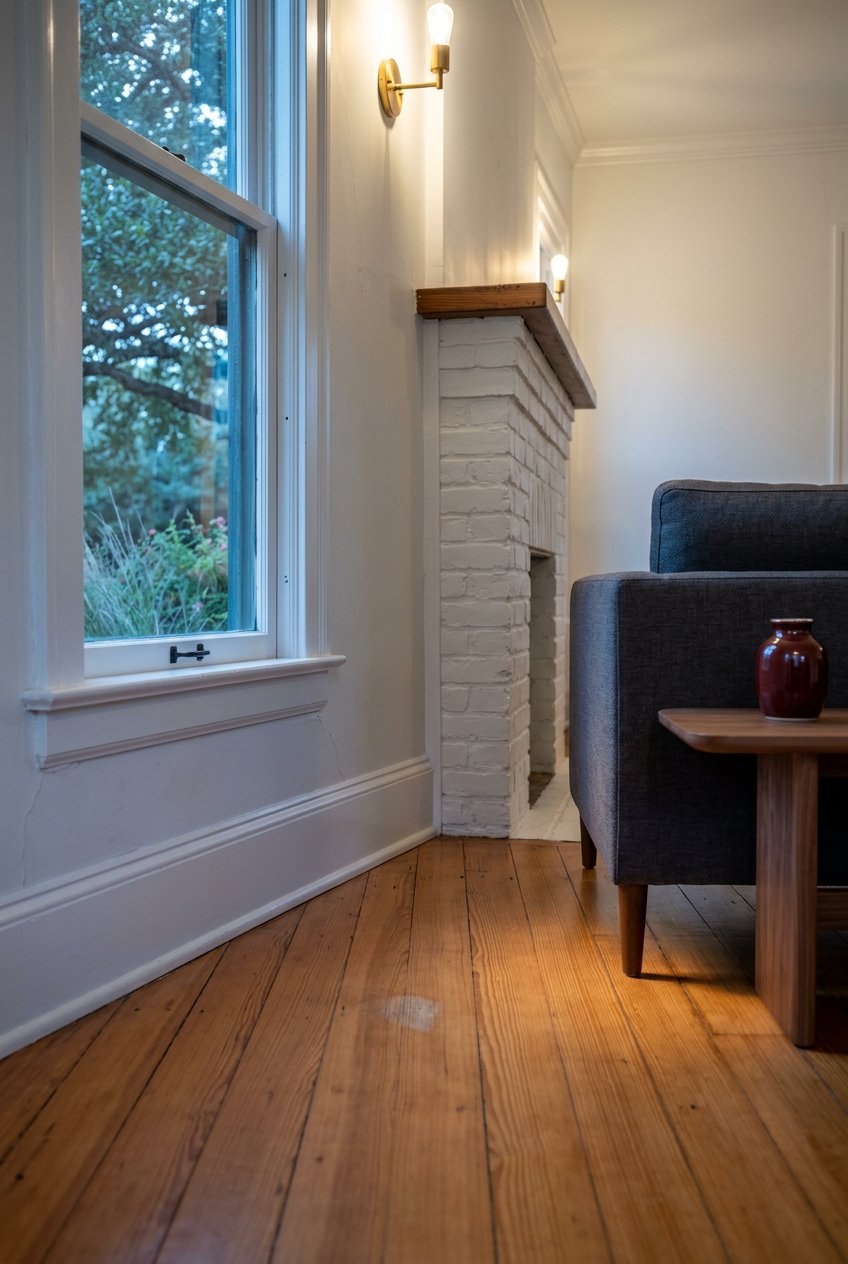
- Photograph like an architect. Hire a pro who captures both lifestyle and detail. Include close-ups of original windows, millwork, and porch elements.
- Lead with systems. Create a simple ledger of recent upgrades with invoices and permits. Buyers love character, but they pay a premium when systems are solid.
- Conserve with intent. Retain character-defining elements and, when replacement is necessary, choose like-for-like materials or reversible solutions. For compatibility, consult the City’s Historic Preservation resources before visible work.
- Leverage specialty audiences. In addition to MLS, use targeted historic-property channels and preservation communities to reach buyers who value authenticity.
Eight-week prep timeline
Use this as a starting framework, then tailor to your home.
- Weeks 8 to 6: Confirm your property’s designation and any local review requirements. Touch base with neighborhood stewards such as the Clarksville Community Development Corporation for context and potential referrals.
- Weeks 8 to 4: Order a general home inspection and termite report. If you see sagging floors, panel issues, or moisture staining, add an electrician and structural engineer. Collect written bids for any recommended repairs.
- Weeks 6 to 2: Complete high-impact, finance-blocking repairs. Prioritize electrical safety, active leaks, termite treatment, and urgent drainage or roof items. If foundation work is needed, obtain an engineer’s report and a clear scope with estimates.
- Weeks 4 to 0: Assemble your documentation package. Include the history summary, permits, warranties, contractor contacts, and required disclosures. Then book an architectural photographer and list with a historic-home savvy agent.
Negotiation without losing the soul
Use your inspections and contractor bids to structure options that protect value and character. You can:
- Complete select repairs before closing to keep financing smooth.
- Offer a credit tied to a defined scope with qualified contractors.
- Consider an as-is sale to a buyer with the right qualifications when speed matters.
Clarity wins. When buyers see a clear path to closing and a thoughtful preservation approach, they are more likely to stretch.
The right partner matters
Selling a historic Clarksville home calls for precision, storytelling, and white-glove coordination. You need an advisor who understands Austin’s review process, knows which repairs move the needle, and can market character with cinematic polish. If you are ready to build a plan that honors your home and maximizes results, meet with Meryl Hawk.
FAQs
What does National Register listing mean for my Clarksville sale?
- It recognizes historic significance and can open doors to certain programs, but as the National Park Service notes, it does not by itself restrict a private owner unless federal funds or permits are involved.
Do I need City approval before exterior work on my historic home?
- Often yes for visible changes. The City uses design standards and may require historic review or a Certificate of Appropriateness. Start with the Historic Preservation resources page.
Which pre-list repairs matter most for older Austin bungalows?
- Focus on safety and insurability first: foundation stability, electrical upgrades, active plumbing leaks, termite treatment, and roof or drainage issues.
Can I use grants or tax credits before selling a Clarksville property?
- Possibly. Austin’s Heritage Preservation Grant supports eligible projects, and federal tax credits apply to income-producing properties. Confirm eligibility early.
How do I handle lead-based paint when selling a pre-1978 home?
- You must disclose known hazards and provide the EPA/HUD pamphlet. Buyers get a testing period. Review obligations via NAR’s guidance.
What if my foundation shows movement or mortar issues?
- Get a structural engineer’s report and at least one bid for stabilization. Share them with buyers to support pricing and provide a path to financing, using insights from Hyde Park Foundation Repair.