Introduction to Austin's Luxury Real Estate Market
Austin's luxury real estate market has transformed dramatically over the past decade. What was once a quirky college town known for live music and barbecue has evolved into one of America's most desirable destinations for high-net-worth individuals. But here's the thing: while stunning Hill Country views and architectural beauty certainly catch the eye, they're just the beginning of what makes an Austin luxury property truly valuable.
When you're investing seven figures or more in a home, you need to look deeper than the Instagram-worthy features. Real value lies in the details that enhance your daily life, protect your investment, and stand the test of time. Let's explore what truly matters when you're considering Austin's luxury market.
The Allure of Austin: Why Luxury Buyers Are Flocking Here
Tech Boom and Economic Growth
Austin has earned its reputation as "Silicon Hills" for good reason. Major tech companies like Tesla, Oracle, and Apple have established significant operations here, bringing high-paying jobs and ambitious professionals. This isn't just creating demand—it's elevating the entire standard of what luxury means in this market.
The economic foundation matters because it supports property values long-term. You're not just buying into a trend; you're investing in a city with sustainable growth drivers that attract the kind of neighbors who appreciate and maintain premium properties.
Cultural Vibrancy and Quality of Life
What makes Austin special isn't just the money flowing in—it's the lifestyle. Where else can you attend world-class performances at the Long Center, kayak on Lady Bird Lake, and grab tacos from a food truck, all in the same afternoon? This cultural richness adds intangible value that purely financial metrics can't capture.
For luxury homebuyers, this means your property isn't just a house; it's a gateway to an enviable lifestyle that visitors from coastal cities increasingly covet.
Understanding True Value Beyond Aesthetics
What Makes a Luxury Home Truly Valuable?
Let's get real for a moment. A gorgeous chandelier and marble countertops are lovely, but they won't keep you cool during Austin's scorching summers or protect your home's value when the market shifts. True value comes from the intersection of beauty, functionality, and lasting quality.
Think of it this way: a luxury home is like a fine watch. The case might be beautiful, but it's the precision movement inside that determines its real worth. In Austin's luxury market, you need both.
Location Intelligence: More Than Just a Good Address
Proximity to Austin's Growing Business Districts
Sure, a Westlake address sounds prestigious, but does it make sense for your lifestyle? If you're working at the Domain or downtown, your commute quality dramatically affects your daily happiness. Austin's traffic has become notoriously challenging, making location strategy more critical than ever.
Properties in Tarrytown, Rollingwood, or parts of West Austin offer that sweet spot—prestigious addresses with reasonable access to major employment centers. That convenience translates directly into quality of life and, ultimately, property value.
Access to Top-Rated Schools and Universities
Even if you don't have school-age children right now, school district boundaries profoundly impact property values. Homes zoned to Eanes ISD or top Austin ISD schools command premiums for a reason—they appeal to a broader buyer pool when you eventually sell.
The proximity to the University of Texas also creates unique opportunities. Some luxury buyers appreciate being near world-class cultural and athletic events, while others prioritize being further from student neighborhoods.
Walkability and Lifestyle Amenities
Can you walk to a quality coffee shop, restaurant, or park? In Texas cities historically built around cars, walkability has become a luxury feature in itself. Neighborhoods like Tarrytown, Clarksville, and parts of downtown offer this pedestrian-friendly lifestyle that younger luxury buyers increasingly demand.
This isn't just about convenience—it's about community connection and lifestyle richness that isolated estates can't provide.
Architectural Excellence and Design Innovation
Sustainable and Smart Home Technologies
Austin's progressive culture embraces sustainability, and luxury buyers here expect homes that reflect environmental responsibility. We're talking about more than just recycling bins—think geothermal heating and cooling, rainwater collection systems, and solar panel integration that actually makes sense economically.
Smart home systems have moved from novelty to necessity. But the key is implementation quality. A thoughtfully integrated system that controls climate, security, lighting, and entertainment seamlessly adds genuine value. A hodgepodge of incompatible devices creates headaches.
Timeless Design vs. Trendy Features
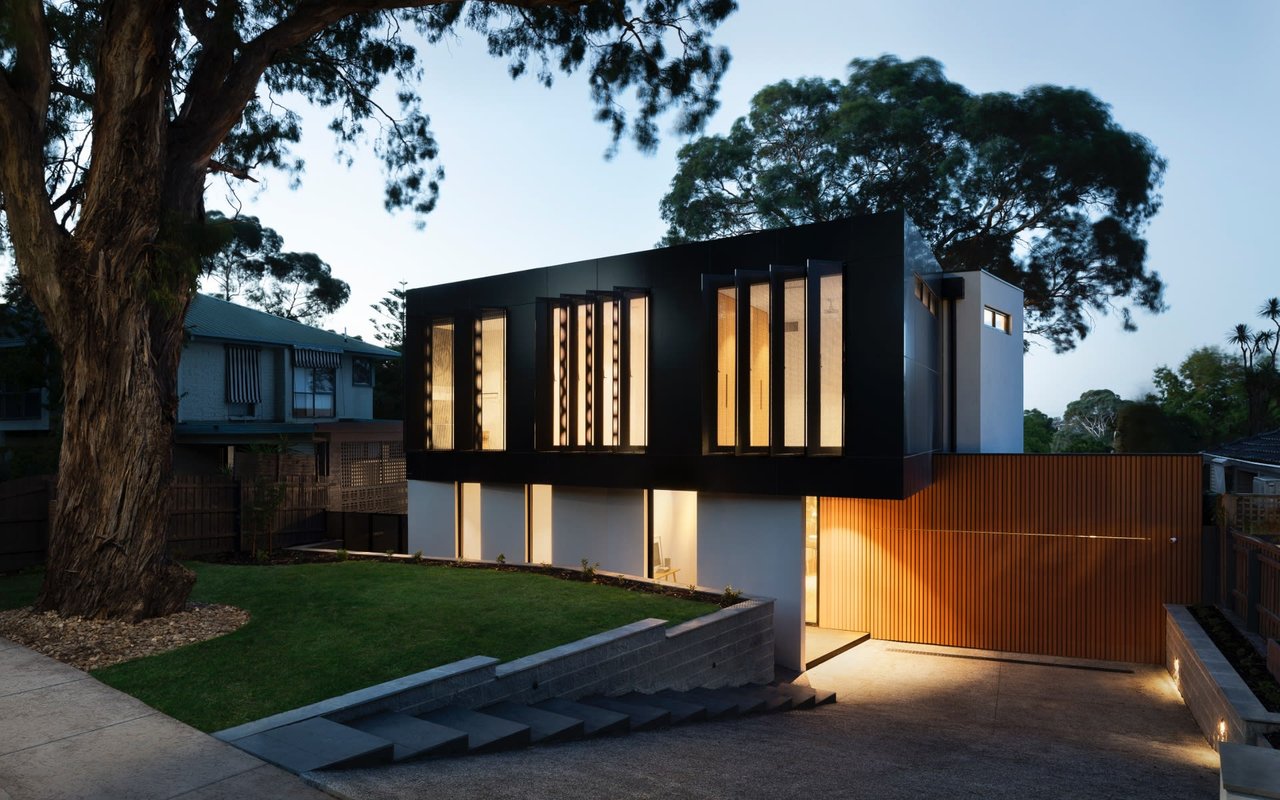
Here's where many luxury home sellers stumble. That ultra-modern design might photograph beautifully today, but will it feel dated in five years? Austin's most valuable luxury homes balance contemporary sensibilities with timeless elements that age gracefully.
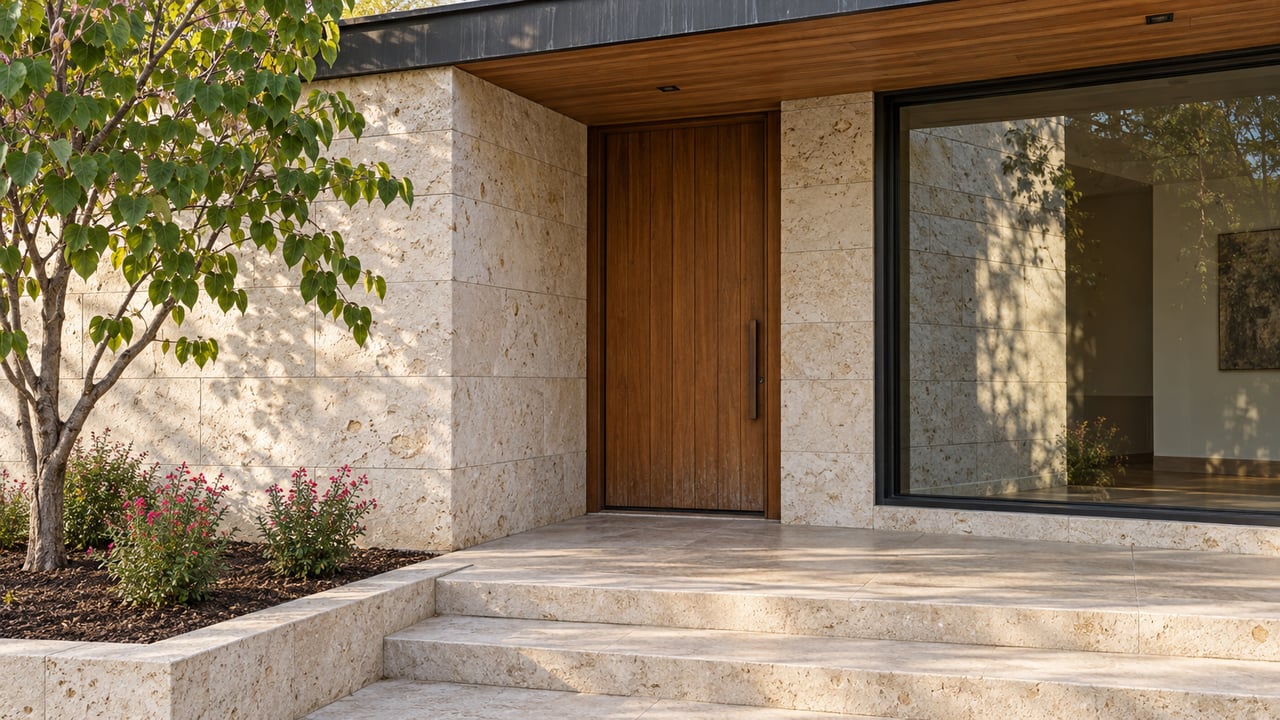
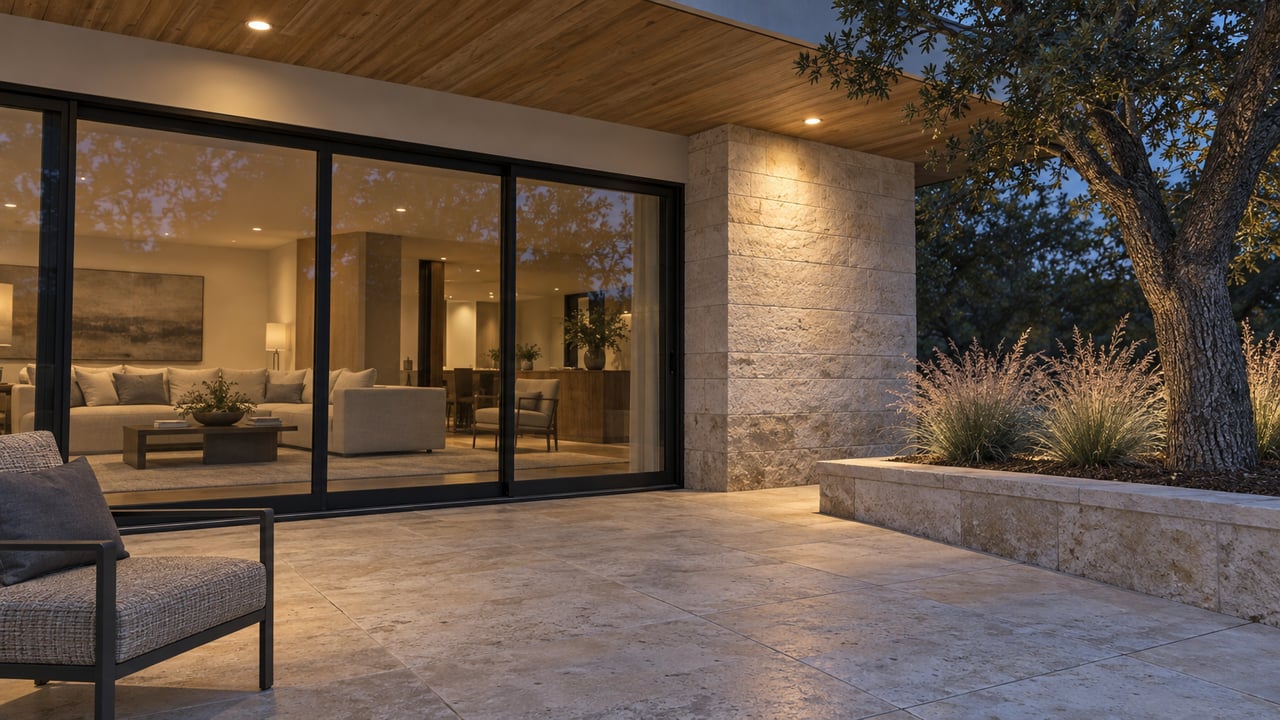
Natural materials like limestone and wood, generous proportions, and classic spatial relationships tend to maintain appeal across design cycles. Save the bold trendy statements for easily changeable elements like furniture and fixtures.
Quality of Construction and Materials
Why Premium Materials Matter in the Long Run
Let's talk about something that doesn't show up in listing photos but dramatically affects your ownership experience: build quality. Austin's climate puts serious demands on buildings—intense heat, occasional freezes, heavy rains, and expansive clay soils all take their toll.
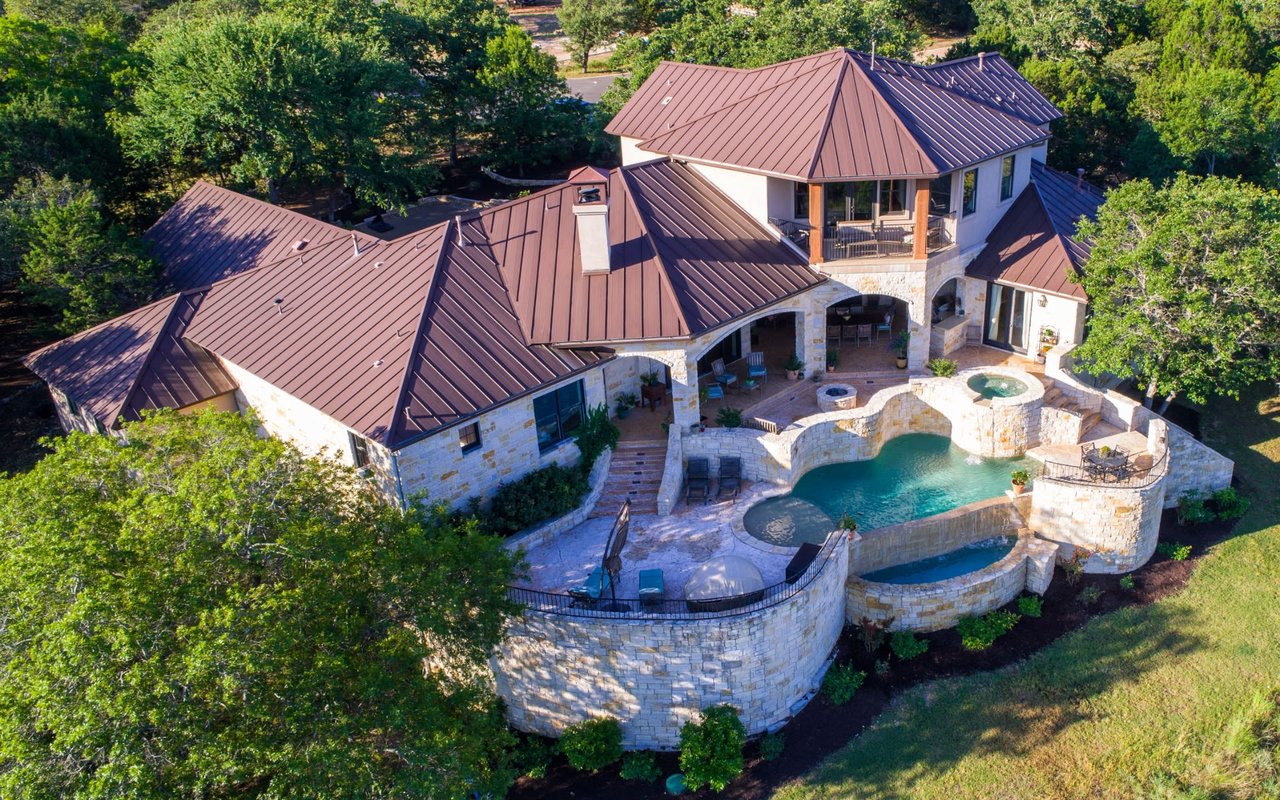
Premium materials aren't about showing off; they're about longevity and lower maintenance costs. Quality roofing systems, properly installed stone veneer, and commercial-grade windows and doors might cost more upfront, but they protect your investment for decades.
Builder Reputation and Craftsmanship
In Austin's luxury market, certain builder names carry weight—and for good reason. Established luxury builders like Cornerstone, Risinger Homes, and Matt Sitra have reputations they've earned through consistent quality and standing behind their work.
When evaluating a custom home, research the builder's track record. Talk to previous clients if possible. The difference between excellent and mediocre craftsmanship might not be visible during a showing, but it becomes apparent over years of ownership.
Outdoor Living Spaces: Austin's Climate Advantage
Resort-Style Pools and Entertainment Areas
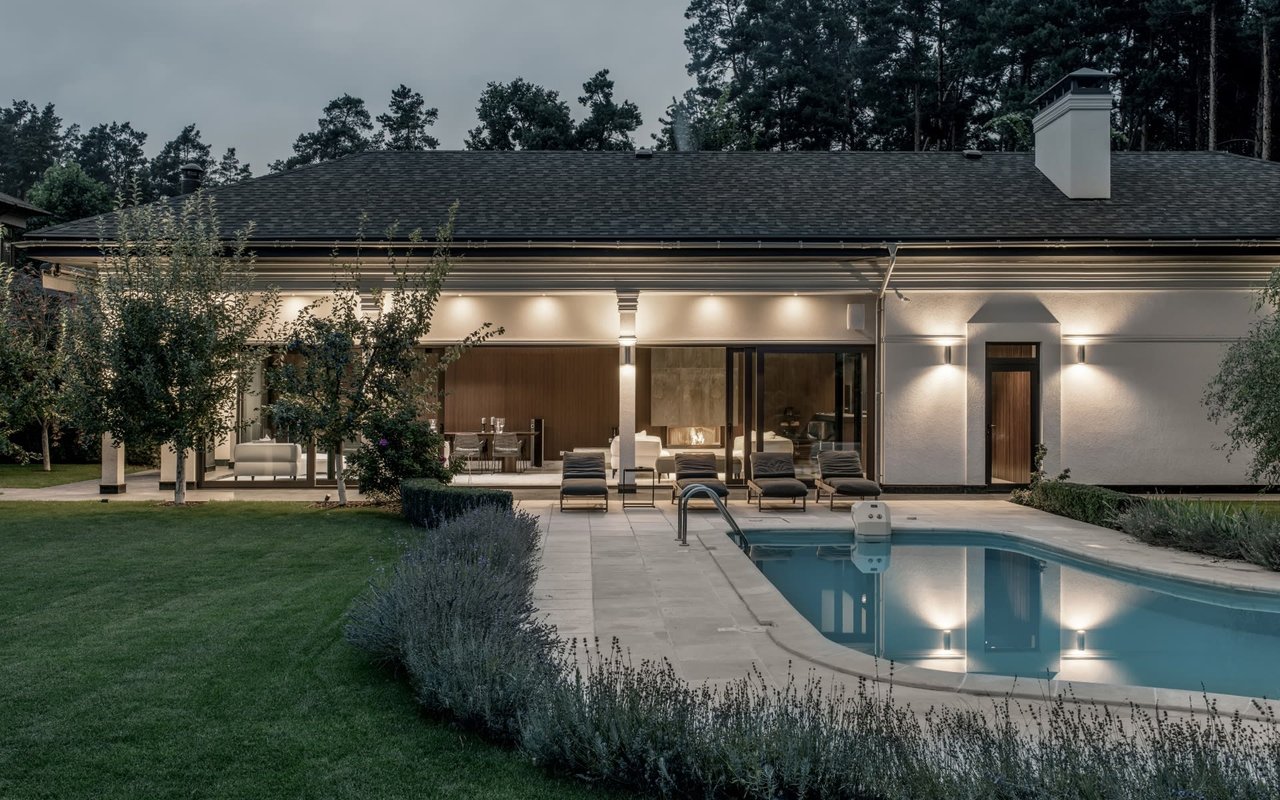
Austin's climate allows for nearly year-round outdoor living, making exterior spaces particularly valuable. But not all pools and patios are created equal. A truly valuable outdoor space considers sun exposure, privacy, wind patterns, and integration with the home's interior spaces.
The best designs create multiple outdoor "rooms"—covered areas for summer shade, open spaces for winter sun, intimate seating areas, and larger entertainment zones. It's about versatility and usability, not just square footage.
Native Landscaping and Water Conservation
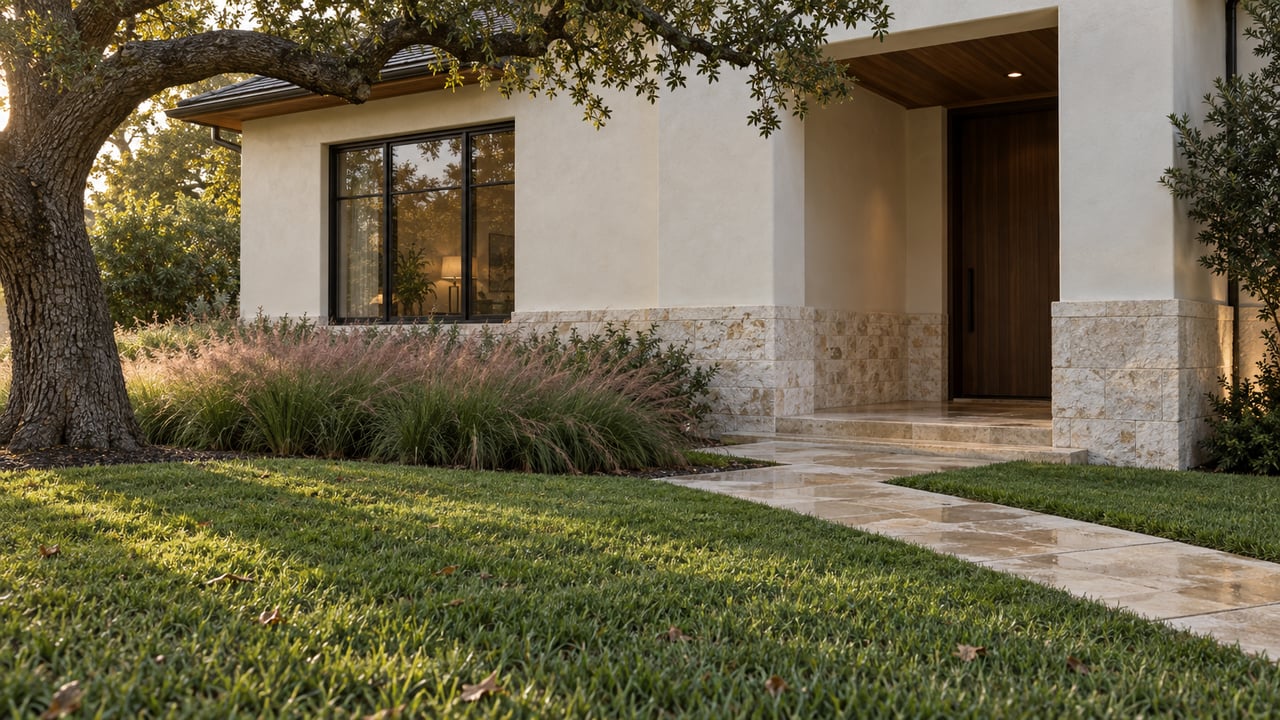
Here's something many newcomers miss: maintaining lush, green lawns in Austin is expensive and environmentally questionable. Properties with thoughtful native landscaping and xeriscaping not only look beautiful but also reduce water bills and maintenance demands.
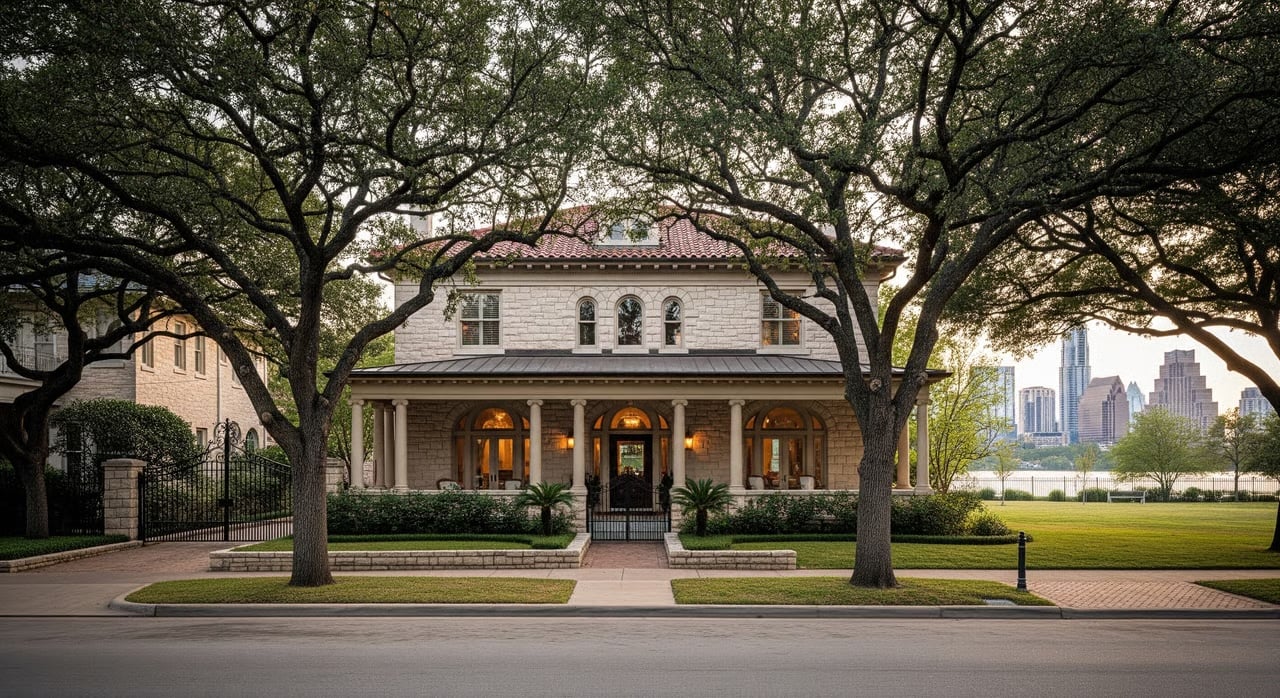
Mature trees, particularly heritage oaks, add tremendous value. Properties with established tree canopy offer natural cooling, privacy, and a sense of permanence that new construction simply can't replicate for decades.
Privacy and Land: The Ultimate Luxury
Acreage in Austin's Hill Country
As Austin grows denser, space becomes increasingly precious. Properties with significant acreage in desirable locations like West Lake Hills, Rob Roy, or the Barton Creek area represent a diminishing resource. You literally can't make more land in these established, restricted areas.
But raw acreage alone isn't enough—it's about usable land with development potential, views, privacy, and natural features. A steeply sloped lot might offer amazing views but limited functional space.
Gated Communities vs. Private Estates
Both approaches offer privacy, but they appeal to different buyers. Gated communities like Spanish Oaks or Barton Creek provide security, amenities, and a sense of community. Private estates offer ultimate seclusion but require more personal management.
The key consideration is maintenance and governance. HOAs in luxury communities can be restrictive but also protect your investment by maintaining standards. Private estates give you freedom but place all responsibility on you.
Technology Integration and Future-Proofing
Home Automation Systems
The smart home market has matured considerably. Today's valuable systems integrate seamlessly and prioritize user experience over gadget complexity. Control4, Crestron, and Savant represent professional-grade systems that add genuine convenience without becoming obsolete quickly.
But here's the critical part: the infrastructure matters more than the specific technology. Homes wired with robust networking, multiple zones for climate control, and commercial-grade components can adapt as technology evolves.
Energy Efficiency and Solar Capabilities
With Austin's electricity costs and summer heat, energy efficiency directly impacts your bottom line. High-performance HVAC systems, proper insulation, and quality windows can save thousands annually in a large luxury home.
Solar installations have become increasingly sophisticated and economically viable. Properties with solar capability (proper roof orientation, structural support, and electrical infrastructure) offer flexibility for future owners, even if you don't install panels immediately.
Wellness and Recreation Amenities
Home Gyms, Spas, and Meditation Spaces
The pandemic permanently shifted how we think about home wellness amenities. Dedicated fitness spaces with proper flooring, ventilation, and equipment aren't just nice-to-haves anymore—they're expected in luxury properties.
Similarly, spa-like primary bathrooms with steam showers, soaking tubs, and quality finishes have moved from luxury to necessity. These spaces need to feel like retreats, not just functional rooms.
Wine Cellars and Entertainment Rooms
Austin's food and wine culture continues to mature, making proper wine storage increasingly valuable. A climate-controlled wine room or cellar adds tangible value for the right buyer, particularly if properly designed with adequate cooling and humidity control.
Entertainment spaces—whether media rooms, game rooms, or dedicated bars—add value when they're thoughtfully integrated into the home's flow rather than feeling like afterthoughts.
The Investment Perspective
Resale Value Considerations
Even if you plan to stay forever, you should consider resale potential. Overly personalized homes or those with unusual layouts can limit your buyer pool. The most valuable luxury homes appeal to sophisticated tastes while remaining accessible to a reasonable number of potential buyers.
Features that consistently add resale value include: main-floor primary suites, home offices, multiple garage bays, quality outdoor living spaces, and proximity to amenities. Overly specific features—like themed rooms or unusual color schemes—can actually detract from value.
Austin's Market Trajectory and Growth Projections
Austin's luxury market has experienced remarkable appreciation, but smart buyers look at fundamentals rather than just past performance. The continued arrival of major employers, population growth, and limited luxury inventory in prime locations suggest continued strength, though perhaps at a more moderate pace than the explosive growth of recent years.
Infrastructure improvements, particularly the expansion of highways and the potential for expanded rail transit, will influence which areas see the strongest appreciation. Staying informed about these developments helps you make strategic location choices.
Conclusion
Austin's luxury real estate market offers incredible opportunities, but navigating it successfully requires looking beyond surface-level attractions. The most valuable homes combine prestigious locations with thoughtful design, quality construction, and features that enhance daily life while protecting long-term investment value.
Whether you're drawn to the Hill Country views, the vibrant cultural scene, or the economic opportunities, remember that true luxury lies in the details that continue delivering value year after year. The best Austin luxury homes aren't just beautiful—they're smart investments that elevate your lifestyle while standing the test of time.
The views might catch your eye initially, but it's everything else that determines whether a property truly deserves its luxury designation. In Austin's competitive market, educated buyers who understand these nuances will find properties that deliver genuine, lasting value.
FAQs
Q1: What is the average price range for luxury homes in Austin? Luxury homes in Austin typically start around $2 million, with properties in prime locations like Barton Creek, Westlake, Tarrytown, and West Austin often exceeding $5-10 million. The highest-end estates in areas like Westlake Hills and Barton Creek or with significant Hill Country acreage can reach $10 million or more. Pricing varies significantly based on location, size, finishes, and unique features.
Q2: Are luxury homes in Austin a good investment compared to other Texas cities? Austin's luxury market has historically outperformed other Texas cities due to stronger job growth, limited luxury inventory in prime areas, and increasing demand from high-income transplants. However, recent rapid appreciation means returns may moderate. Dallas and Houston offer more inventory and potentially better cash flow for investment properties, but Austin typically shows stronger long-term appreciation in established luxury neighborhoods.
Q3: How important is proximity to downtown Austin for luxury home values? Proximity to downtown matters, but it's not the only factor. Properties within 5-10 miles of downtown in established neighborhoods like Tarrytown, Rollingwood, and West Austin command premium prices. However, Hill Country properties with acreage and views can be equally or more valuable despite being further out. The key is balancing accessibility with the specific lifestyle amenities that matter to your target buyer demographic.
Q4: What are the most sought-after neighborhoods for luxury buyers in Austin? The most prestigious luxury neighborhoods include Westlake Hills, Tarrytown, Rollingwood, Barton Creek, Rob Roy, and parts of downtown including the Nokonah and other luxury high-rises. West Lake Hills and Spanish Oaks offer Hill Country settings with proximity to amenities. Each neighborhood offers different advantages—from walkability and convenience to privacy and acreage.
Q5: Should I prioritize a newly built luxury home or an established property in Austin? Both have advantages. New construction offers modern amenities, energy efficiency, warranties, and customization opportunities, but you'll pay a premium and lack mature landscaping. Established luxury properties in prime locations offer heritage trees, proven neighborhood stability, and sometimes better per-square-foot pricing, but may require updates. Consider your priorities: if location and land matter most, established properties often win; if you want cutting-edge features and zero maintenance concerns, new construction makes sense.