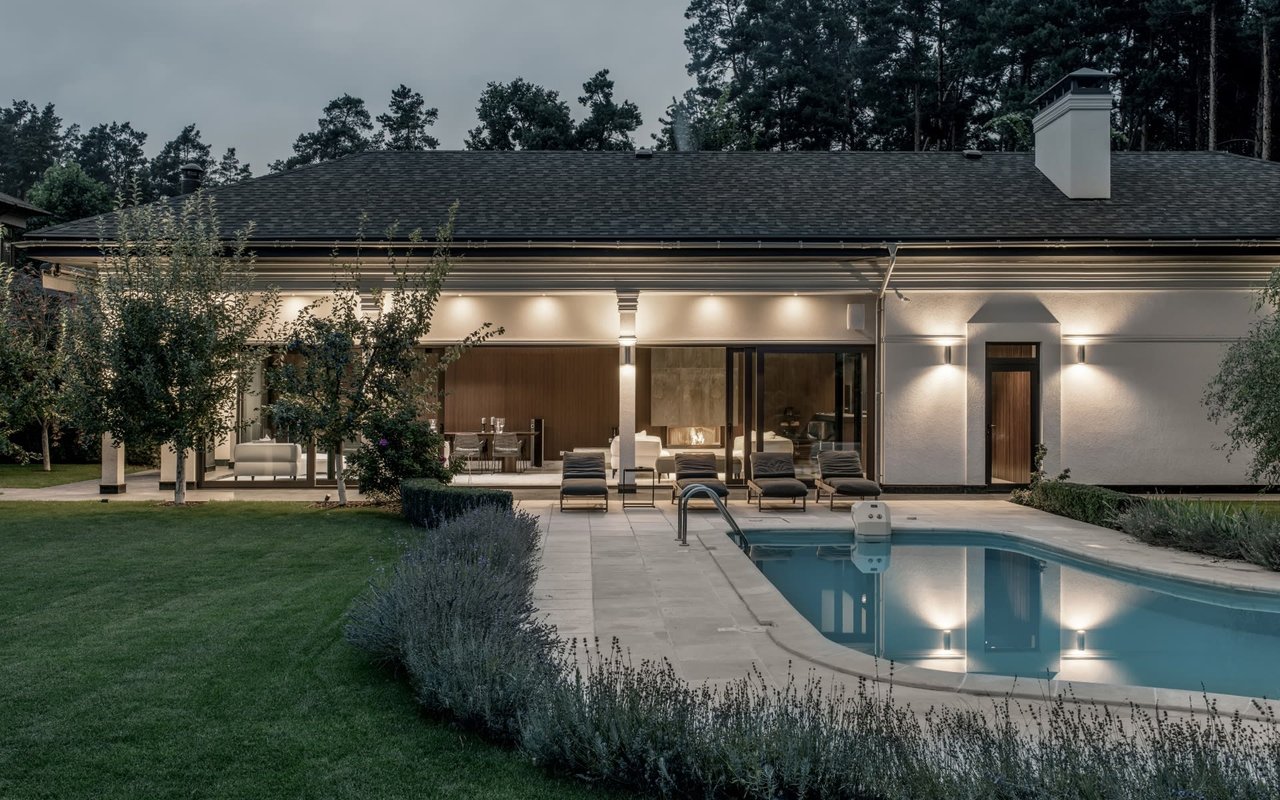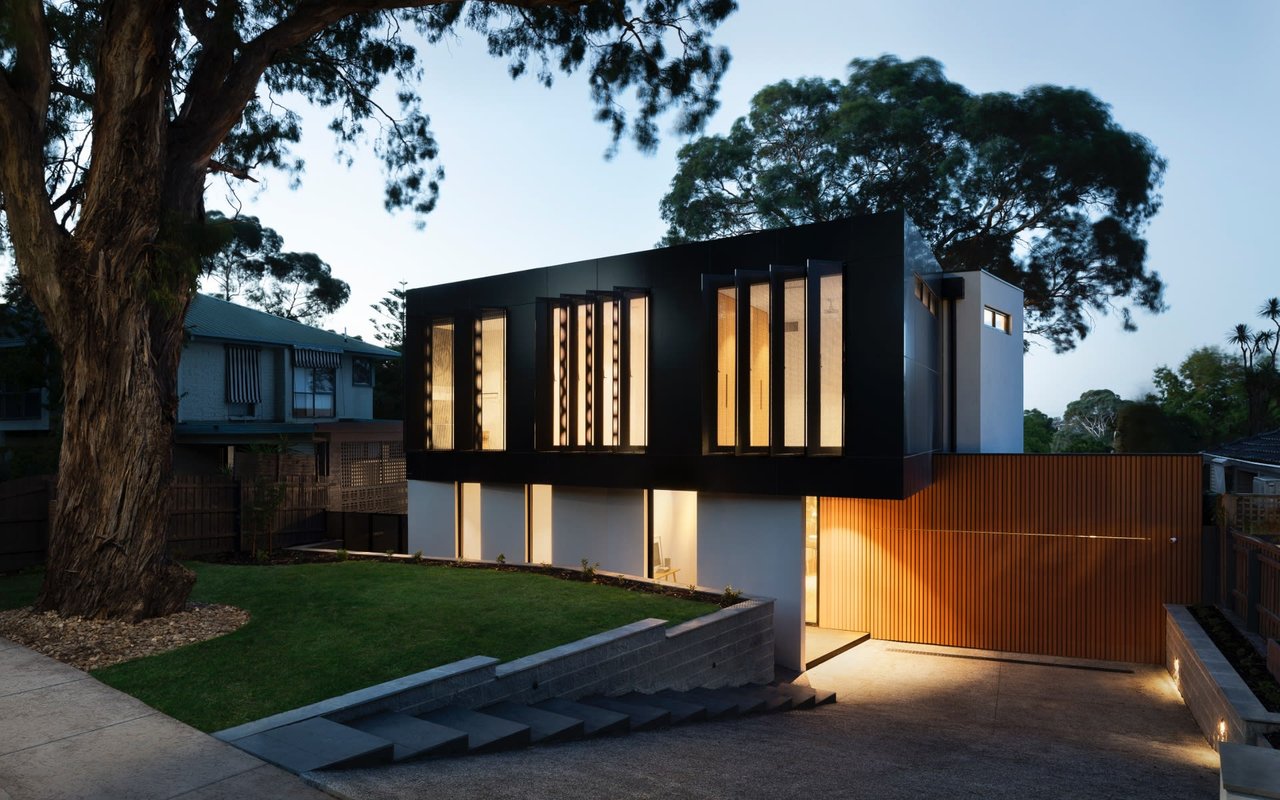
Austin's growth story isn't just happening downtown—it's exploding across the western and southwestern corridors. While everyone's fixated on properties in Tarrytown and West Lake Hills, a quieter revolution is unfolding in neighborhoods that most luxury buyers have barely noticed. These areas offer something increasingly rare: proximity to Hill Country beauty, access to top-tier employment centers, and price points that won't require selling a kidney.
Why should this matter to you? Because right now, there's a unique window of opportunity. The western and southwestern neighborhoods we're about to explore are experiencing the early stages of transformation—that magical period before Architectural Digest features them and prices double overnight. If you've ever regretted not buying in Westlake when it was still affordable, consider this your redemption arc.
We're not talking about risky speculation in the middle of nowhere. These are established communities with genuine character, solid infrastructure, and concrete development plans pointing toward significant appreciation. The tech companies know it, the developers know it, and smart investors are already quietly positioning themselves. Let's explore five neighborhoods where luxury is about to bloom, and where your investment today could become tomorrow's crowning achievement.
What Makes a Neighborhood a "Hidden Gem"?
Undiscovered Potential
A hidden gem isn't just affordable real estate with a decent view. It's a neighborhood possessing fundamental qualities that create value but hasn't yet captured mainstream buyer attention. Think of it like discovering a fantastic restaurant before the food critics arrive—the quality was always there, but you got to enjoy it without the crowds and inflated prices.
These neighborhoods typically have strong fundamentals: quality housing stock, low crime rates, and proximity to natural amenities. What they lack is the hype machine and the flood of luxury developers. That's actually their greatest asset. You're investing before the Instagram influencers discover the local brewery and property values launch into orbit.
Rising Property Values
Numbers tell stories, and hidden gems show consistent, healthy appreciation—typically 6-10% annually—with occasional spikes when major developments are announced. This steady climb is actually preferable to explosive growth because it indicates sustainable demand rather than speculative bubble territory.
Savvy investors watch for that inflection point where appreciation begins accelerating but hasn't yet reached frenzied levels. That's the zone where you maximize returns while minimizing downside risk.
Authentic Local Character
Here's something that separates pretenders from contenders: the best luxury markets aren't manufactured—they evolve from authentic community DNA. Hidden gems have local institutions, engaged residents, and distinct identities. They're not generic subdivisions stamped onto cleared land by corporate developers.
This authenticity is precisely what attracts the next wave of affluent buyers who've grown tired of cookie-cutter luxury suburbs. They want character, walkability to local spots, and a genuine sense of place. When you invest in a neighborhood with these qualities, you're backing something that can't be easily replicated two exits down the highway.
Why Austin's West and Southwest Markets are Thriving
Tech Campus Proximity
Let's address the obvious driver—the massive tech presence transforming Austin's western corridor. Apple's $1 billion campus in northwest Austin, along with existing facilities from companies like AMD, National Instruments, and Dell, has created an employment epicenter that pulls thousands of highly compensated professionals daily.
These aren't entry-level workers commuting from wherever rent is cheapest. We're talking about senior engineers, executives, and specialists earning substantial incomes who want to minimize commute times while maximizing quality of life. Western and southwestern neighborhoods offer exactly that combination.
Hill Country Access
Austin's western and southwestern neighborhoods offer something no other part of the metro can match: immediate access to Texas Hill Country. We're talking about limestone cliffs, spring-fed creeks, hiking trails, and those iconic sunset views that make people fall in love with Texas.
This isn't just aesthetic appeal—it's a lifestyle amenity that commands serious premiums. Buyers relocating from California or the Northeast consistently cite Hill Country access as a major factor in their location decisions. When you can finish work and be on a hiking trail or at a winery in fifteen minutes, that's worth paying for.
Quality School Districts
Western and southwestern Austin benefit from some of the region's strongest school districts. Eanes ISD, Austin ISD's western schools, and Dripping Springs ISD consistently rank among Texas's top-performing districts. For families, school quality often trumps every other consideration.
Good schools create sustained demand and insulate property values during economic downturns. Families stay longer, invest more in their properties, and create stable communities. That stability is valuable whether you're buying a primary residence or an investment property.
Neighborhood #1: Circle C Ranch
Location and Accessibility
Circle C Ranch sits in southwest Austin, strategically positioned between Slaughter Lane and William Cannon Drive. The neighborhood offers quick access to MoPac Expressway and Loop 1, putting downtown Austin within 20-25 minutes during reasonable traffic conditions.
What really sets Circle C apart is its proximity to major employment centers. You're looking at a 15-minute commute to the Southwest Parkway office corridor and reasonable access to the Apple campus and other northwest Austin tech facilities. Location like this doesn't stay undervalued forever.
Current Market Trends
Here's where things get interesting. Median home prices in Circle C currently hover around $575,000—noticeably below the western Austin average of $725,000. But that gap is shrinking fast. Over the past three years, property values here have appreciated roughly 38%, significantly outpacing many established neighborhoods.
Inventory remains tight, with average days on market sitting at just 18 days. When properties do list, they're frequently receiving multiple offers, with final sale prices averaging 2-4% above asking. These are textbook indicators of a market transitioning from overlooked to highly desired.
Future Development Plans
The Circle C area is seeing substantial investment in both commercial and residential development. New retail centers, restaurants, and service businesses are opening regularly, creating the walkable, amenity-rich environment that modern buyers demand.
Additionally, several luxury builders are launching new construction projects in and around Circle C, bringing contemporary design and high-end finishes to the area. When quality builders commit capital to a neighborhood, they're signaling confidence in long-term appreciation.
Why Invest Now?
Because you're still early enough to capture meaningful upside. Once the major commercial projects complete and lifestyle publications start featuring Circle C's Hill Country views and amenity-rich lifestyle, prices will jump substantially. Right now, you can still find properties with genuine appreciation potential at prices that make financial sense.
The risk profile is favorable. You're buying in an established master-planned community with proven demand, solid schools, and clear development momentum—not gambling on an unproven concept.
Neighborhood #2: Westgate
The Urban Village Transformation
Westgate is experiencing one of southwest Austin's most compelling transformations. What was once a quiet, somewhat overlooked neighborhood is rapidly evolving into a vibrant urban village that blends residential charm with commercial vitality.
The neighborhood's central feature is the Westgate Entertainment District, which is undergoing massive redevelopment. New restaurants, entertainment venues, and mixed-use projects are transforming this area into a legitimate destination rather than just a place people drive through.
Property Value Trajectory
Current median prices in Westgate sit around $485,000, offering a notably lower entry point than nearby neighborhoods. But the trajectory is steep and consistent. Year-over-year appreciation hit 22% in 2024, and early 2026 data suggests that momentum isn't slowing.
What makes Westgate particularly intriguing is the diversity of housing stock. You'll find charming ranch homes from the 1960s and 70s alongside newly built modern construction, creating price points that attract various buyer segments while maintaining neighborhood character.
Local Amenities and Culture
Westgate is developing the kind of local business ecosystem that creates sustained value. Independent coffee shops, breweries, and restaurants are opening alongside established neighborhood favorites. The Broken Spoke, Austin's legendary honky-tonk, anchors the area's authentic Austin credibility.
Proximity to Zilker Park, Lady Bird Lake, and the hike-and-bike trail means residents have immediate access to Austin's premier outdoor amenities. You're looking at a 5-minute drive to Barton Springs Pool—that kind of access commands serious premiums.
Investment Opportunities
The sweet spot right now is purchasing older homes with renovation potential or securing new construction before prices fully reflect the neighborhood's transformation. Developers are actively betting on Westgate, and their capital commitments suggest they see substantial upside ahead.
For investors willing to hold 3-5 years, the returns could be exceptional. As central Austin becomes increasingly unaffordable and southwestern development continues, Westgate is positioned to capture overflow demand at increasingly premium prices.
Neighborhood #3: Barton Hills
Nature Meets Luxury Living
Barton Hills offers something increasingly rare in Austin: established luxury character that's somehow still flying slightly under the radar. Nestled into the hillside between downtown and Zilker Park, this neighborhood combines stunning Hill Country topography with unbeatable proximity to urban amenities.
The neighborhood's winding streets, mature trees, and dramatic elevation changes create a sense of privacy and exclusivity that newer planned communities simply cannot replicate. It feels like a Hill Country retreat that happens to be minutes from downtown.
Zilker Park Proximity
Here's the killer advantage: Barton Hills borders Zilker Park, Austin's crown jewel of public space. Residents have immediate access to Barton Springs Pool, the hike-and-bike trail, and 350 acres of parkland. This proximity is irreplaceable—you cannot build more land next to Zilker Park.
During Austin City Limits Music Festival and other major events, Barton Hills residents can walk to what others spend hours in traffic trying to reach. That convenience and lifestyle access is worth substantial premiums and only becomes more valuable as Austin grows.
Market Indicators
Median prices in Barton Hills currently sit around $1,150,000, which might seem steep compared to other neighborhoods on this list. But here's the context: comparable neighborhoods with similar amenities and location advantages command $1,500,000 to $2,000,000 medians.
Barton Hills represents a relative value play within the luxury segment. Properties here are appreciating 12-15% annually, and inventory is extraordinarily tight. When homes list, they typically receive multiple offers and sell quickly, often above asking.
The Sweet Spot for Entry
Barton Hills isn't for every budget, but for buyers seeking established luxury with appreciation potential, it's compelling. You're not speculating on whether the neighborhood will succeed—it's already successful. You're buying into a proven luxury market before it fully catches up to comparable neighborhoods.
The entry point is higher, but so is the floor. You're unlikely to see dramatic short-term spikes, but you're also protected from significant downside risk by the neighborhood's established desirability and irreplaceable location advantages.
Neighborhood #4: Sunset Valley
Small Town Charm, Big City Access
Sunset Valley is technically its own incorporated city within the Austin metro area, which gives it a unique character and practical advantages. This small enclave in southwest Austin offers suburban tranquility with urban convenience—a combination that's increasingly difficult to find.
The neighborhood maintains a distinct small-town feel with its own city government, police force, and community events, while offering immediate access to Austin's major corridors and employment centers. It's like having a private club membership in the middle of a bustling city.
Commercial Development Boom
Sunset Valley is experiencing an explosion of commercial development that's transforming its economic profile and residential appeal. The Brodie Lane corridor, in particular, is seeing massive investment in retail, dining, and entertainment venues.
Major national retailers are opening locations in Sunset Valley, bringing jobs, tax revenue, and the kind of commercial amenities that make neighborhoods more desirable for residents. When Target, Whole Foods, and similar anchors commit to a location, residential demand typically follows.
New Residential Projects
Several developers are launching upscale residential projects in and around Sunset Valley, bringing modern luxury housing to an area that's historically been more middle-market. These projects are attracting buyers who want newer construction with high-end finishes but don't want to pay Westlake prices.
The mix of established neighborhoods and new development creates opportunities at various price points, from updated existing homes in the $600,000 range to brand-new luxury construction approaching $900,000.
Price Projections
Current median prices around $625,000 offer reasonable entry relative to appreciation potential. If Sunset Valley captures even a portion of the demand overflow from pricier western neighborhoods, properties here could appreciate 40-60% over the next 5-7 years.
The commercial development anchors this projection. Neighborhoods with strong retail and dining amenities consistently command premiums over those without. As Sunset Valley's commercial district matures, residential values should rise proportionally.
Neighborhood #5: Oak Hill
The Southwest Gateway
Oak Hill functions as Austin's southwestern gateway, positioned where US 290 meets the Y at Oak Hill—one of the region's most critical transportation intersections. For years, this strategic location was hampered by legendary traffic congestion, which suppressed property values relative to the neighborhood's other attributes.
That's changing. The massive Y at Oak Hill infrastructure project, now underway, will fundamentally transform traffic flow and accessibility. When completed, Oak Hill will offer dramatically improved access to downtown, the Hill Country, and major employment centers.
Y Infrastructure Transformation
Let's talk about the elephant in the room—or rather, the massive construction project reshaping Oak Hill's future. The Texas Department of Transportation is investing hundreds of millions in rebuilding the Y at Oak Hill interchange, adding lanes, improving ramps, and modernizing the entire corridor.
This isn't minor tinkering; it's a complete reimagining of the area's transportation infrastructure. When completed (projected for 2027), commute times will drop substantially, making Oak Hill far more attractive to downtown workers and tech employees.
Community Character
Oak Hill maintains an authentic, unpretentious character that resonates with buyers seeking genuine community rather than manufactured lifestyle branding. The neighborhood features a mix of housing styles, longtime residents, and local businesses that have served the community for decades.
This authenticity, combined with immediate Hill Country access, creates appeal for buyers who want natural beauty and outdoor recreation without the stuffiness of some established luxury neighborhoods. Oak Hill offers Hill Country living without the pretense.
Long-Term Growth Potential
Here's the honest assessment: Oak Hill is the longest timeline play on this list. You're not looking at explosive 18-month appreciation. But for investors with a 7-10 year horizon and conviction about Austin's continued southwestern expansion, the potential is substantial.
Current median prices around $550,000 offer the most accessible entry point among western and southwestern neighborhoods with strong fundamentals. For buyers priced out of Westlake or Barton Hills, Oak Hill represents an opportunity to invest in Austin's western corridor at reasonable valuations while betting on infrastructure-driven appreciation.
Key Factors to Consider When Investing
Hill Country Views and Natural Amenities
In western and southwestern Austin, Hill Country access isn't just nice to have—it's a primary value driver. Properties with views, creek access, or mature trees on larger lots consistently command premiums over similar properties without these features.
When evaluating investments, consider topography and natural features. A home with dramatic views or water features will appreciate faster and hold value better than a similar property on flat land, all else being equal.
Transportation Corridors
Don't underestimate transportation infrastructure's impact on property values. The Y at Oak Hill project demonstrates how major improvements can transform neighborhood accessibility and desirability. Watch where TxDOT and the city are investing in road improvements and transit.
Proximity to major arteries like MoPac, Loop 1, and Bee Caves Road matters enormously for commute times and overall convenience. Properties with easy highway access without highway noise or views command the highest premiums.
School District Boundaries
School district boundaries can create dramatic value differences between adjacent properties. A home in Eanes ISD or a high-performing Austin ISD school zone will command substantially more than a similar property in a lower-rated district.
Verify exact school assignments before investing. District boundaries can be surprisingly complex, and being on the wrong side of a boundary line can cost tens of thousands in resale value.
How to Identify the Next Hot Neighborhood
Watch for Commercial Development
Commercial development is often the most reliable leading indicator for residential appreciation. When you see new office buildings, retail centers, or mixed-use projects breaking ground, residential demand typically follows within 18-24 months.
Don't just watch what's opening—monitor what's in the planning stages. Development applications filed with city planning departments are public information and can give you significant lead time on market changes.
Track Infrastructure Investments
Major infrastructure projects signal where government entities expect growth and where they're willing to invest taxpayer dollars to support it. The Y at Oak Hill project is a perfect example—this level of investment doesn't happen in areas government planners view as declining or stagnant.
Monitor TxDOT projects, city bond proposals, and utility infrastructure investments. These public investments attract private development, which drives residential demand.
Monitor Corporate Campus Expansions
In Austin, corporate location decisions drive residential markets with remarkable predictability. When major employers expand operations in a particular corridor, employee housing demand follows like clockwork.
Set up alerts for major tech companies and watch their real estate moves. Apple's northwest campus, for example, created predictable demand patterns in western neighborhoods. When you identify the next major campus development, you've identified the next appreciation hotspot.
Common Mistakes to Avoid
Underestimating Commute Times
Austin traffic is legendarily bad and getting worse. A neighborhood that looks "close" on a map might involve a brutal 45-minute commute during rush hour. Always test drive commutes at typical times before investing.
Remember that traffic patterns can change dramatically as the city grows. A reasonable commute today might become unbearable in five years if growth patterns shift. Consider multiple route options and traffic trend data.
Ignoring Flood Zone Designations
Western and southwestern Austin feature beautiful creeks and drainage areas that make flooding a real concern. Properties in flood zones face higher insurance costs, more difficult financing, and potential damage risks.
Always check FEMA flood maps before investing. A property might look perfect until you discover it's in a flood zone and your insurance costs double. This isn't just about risk—it affects resale value and buyer pool.
Overlooking HOA Restrictions
Many western and southwestern neighborhoods feature homeowners associations with varying degrees of restriction. Some HOAs are minimal; others regulate everything from paint colors to landscaping choices.
Read HOA documents carefully before investing. Restrictive HOAs can limit renovation options and create unexpected costs. They can also protect property values by maintaining community standards. Understand what you're buying into.
The Future of Austin's Western Corridor
Sustainable Hill Country Development
Austin's development community is increasingly embracing sustainable practices that preserve Hill Country character while accommodating growth. Expect to see more developments that work with topography rather than bulldozing it flat.
This trend toward thoughtful development protects the natural amenities that make western neighborhoods desirable. Buyers will increasingly pay premiums for properties in developments that preserve trees, creeks, and natural features.
Mixed-Use Community Trends
The future of luxury neighborhoods isn't exclusively residential—it's integrated mixed-use communities where people can live, work, and play within walkable distances. Circle C Ranch and Sunset Valley are already moving in this direction.
Watch for developments that blend residential, retail, office, and recreational uses. These create the vibrant, sustainable communities that modern luxury buyers increasingly demand. They also tend to appreciate faster than single-use subdivisions.
Tech Corridor Expansion
The tech presence in western Austin will only grow. As companies continue relocating to Texas and expanding operations, they'll need space. The western corridor offers land availability and quality of life that downtown cannot match.
This tech expansion will drive continued residential demand, infrastructure investment, and commercial development. Neighborhoods positioned along this growth corridor are likely to outperform the broader market for years to come.
Conclusion
Austin's hidden gem neighborhoods in the western and southwestern corridors represent more than simple investment opportunities—they're your chance to participate in the next chapter of Austin's remarkable growth story. While established luxury markets will always command premium prices, the neighborhoods we've explored offer something potentially more valuable: the opportunity to invest early in authentic, evolving communities with clear appreciation catalysts.
Circle C Ranch, Westgate, Barton Hills, Sunset Valley, and Oak Hill each offer distinct advantages, different risk profiles, and varying timelines for returns. What unites them is solid fundamentals, proximity to Hill Country beauty, and price points that haven't yet fully reflected their potential.
The window won't stay open forever. Real estate opportunity doesn't announce itself with billboards and press releases—it reveals itself through careful observation, research, and the willingness to see potential where others see only the present. If you've been waiting for your chance to invest in Austin's luxury market, these five neighborhoods might just be your golden opportunity.
FAQs
1. Why should I invest in these neighborhoods instead of established areas like Westlake?
The primary advantage is appreciation potential and entry price. Westlake has already experienced decades of substantial appreciation, meaning future growth will be more modest—typically 5-8% annually. Hidden gem neighborhoods are earlier in their appreciation cycles, offering potential for more significant returns—often 12-20% annually during transformation periods. Additionally, entry prices in neighborhoods like Westgate or Circle C are 40-60% lower than Westlake, allowing you to acquire more property or diversify across multiple investments with the same capital.
2. How do I know these neighborhoods won't decline instead of appreciate?
While no investment is guaranteed, these neighborhoods show multiple positive indicators that suggest declining values are unlikely: infrastructure investment from public entities, commercial development from experienced private developers, consistent historical appreciation trends, proximity to major employment centers, and strong school districts. The combination of these factors creates substantial downside protection. Even if appreciation is slower than projected, the fundamental value drivers support at least maintaining current values.
3. What about the traffic situation in Oak Hill—won't that limit appreciation?
Actually, the Y at Oak Hill infrastructure project is precisely why Oak Hill represents opportunity. The current traffic challenges have suppressed property values relative to the neighborhood's other positive attributes. As the infrastructure project completes (projected 2027), accessibility will improve dramatically, likely triggering significant appreciation as the primary negative factor is eliminated. This is a classic "buy the problem, sell the solution" investment strategy.
4. Are these neighborhoods appropriate for families with school-age children?
Absolutely. Circle C Ranch, Barton Hills, and Sunset Valley all feature excellent school options and family-friendly amenities. Circle C offers multiple parks, pools, and recreational facilities within a master-planned community. Barton Hills feeds into some of Austin ISD's top-rated schools and borders Zilker Park. Sunset Valley provides small-town community feel with strong schools. Each neighborhood offers different advantages for families, but all support family living well.
5. Should I wait for prices to drop before investing?
Waiting for price drops in appreciating neighborhoods is like waiting for a sale on a house that's gaining value daily—you're more likely to pay more later than save money waiting. Austin's western corridor benefits from constrained supply (Hill Country topography limits developable land), strong employment growth, and sustained population influx. These fundamentals suggest prices will continue rising. The best time to invest is when you identify strong fundamentals before they're fully reflected in prices—which is now for these neighborhoods. Waiting for drops that may never come means missing the appreciation already happening.