The Austin Real Estate Puzzle
You've done everything right, or so you thought. You listed your home in Austin, one of the hottest real estate markets in the country, and expected offers to roll in within days. But here you are, weeks or even months later, watching other homes in your neighborhood sell while yours sits stagnant. What gives?
As a local listing agent who's helped hundreds of Austin homeowners navigate these exact waters, I can tell you that selling a home in our unique market isn't just about slapping a "For Sale" sign in the yard and hoping for the best. Austin's real estate landscape has its own personality, influenced by tech industry growth, neighborhood culture, and buyer expectations that differ significantly from other cities.
Let me walk you through the ten most common reasons your home isn't selling and, more importantly, what you can do about it.
Reason 1 - Your Home's Listing Description Is Boring and Generic
Why Cookie-Cutter Descriptions Don't Capture Austin's Unique Character
Here's something most sellers don't realize: buyers are scrolling through dozens, sometimes hundreds of listings. Your description needs to stop them in their tracks. Yet I constantly see listing descriptions that read like they were generated by a robot: "Beautiful 3-bedroom, 2-bath home with granite countertops and stainless steel appliances. Nice backyard. Great location."
Yawn.
Austin buyers aren't just looking for a house—they're buying into a lifestyle. They want to know if they can walk to their favorite taco spot on South Lamar. They care about whether your backyard is perfect for hosting weekend barbecues while live music drifts over from a nearby venue. They want to feel the vibe of the neighborhood, not just count the bedrooms.
When your listing description sounds exactly like every other property on the market, you've already lost the battle for attention. Think about it: if someone is relocating from California or New York, they're trying to figure out what makes Austin special and which neighborhood fits their personality. A generic description does absolutely nothing to help them envision their life in your home.
Crafting Compelling Copy That Sells Lifestyle, Not Just Square Footage
The best listing descriptions tell a story. They paint a picture of what it's like to actually live in the home. Instead of just saying "updated kitchen," describe the Sunday morning ritual of making coffee while sunlight streams through the west-facing windows, or how the open layout is perfect for entertaining friends during the Formula 1 weekend.
Austin has such a rich tapestry of neighborhood characteristics. Are you near the hike-and-bike trail? Minutes from Domain shopping? In the heart of East Austin's thriving arts scene? Walking distance to award-winning BBQ? These details matter enormously to buyers who are trying to choose not just a house, but a lifestyle.
I always encourage my clients to think about what they'll miss most about their home and neighborhood. That emotional connection—the Saturday morning farmers market routine, the neighbors who became friends, the secret spot to watch the sunset—that's what resonates with buyers. Features tell, but stories sell.
Your description should also speak directly to your target buyer. If you're in a family-friendly neighborhood with great schools, talk about the kids playing street hockey at dusk. If you're in a hip urban area popular with young professionals, mention the coffee shop where you can walk to work on your laptop. Make it real, make it specific, make it Austin.
Reason 2 - Your Home's Curb Appeal Needs Serious Help
First Impressions Matter in the Texas Heat
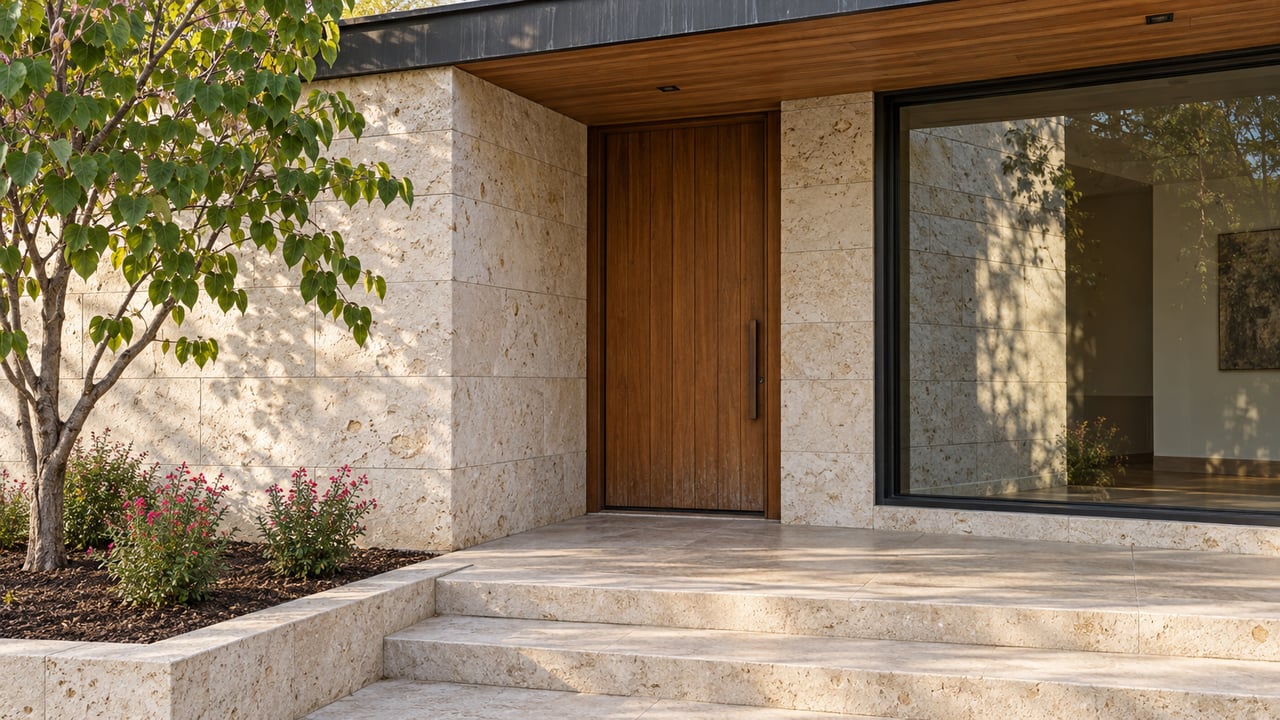
Let's talk about what buyers see when they pull up to your property. In Austin's climate, maintaining attractive curb appeal requires constant attention. Brown grass, overgrown landscaping, faded paint, or a front door that looks like it hasn't been updated since the '90s all send immediate signals that your home hasn't been well maintained.
Think about it from a buyer's perspective. They've probably scheduled showings for five or six homes in one afternoon. They're making snap judgments. If your exterior doesn't invite them in, they're already mentally checking out before they even turn the key in the lockbox.
Simple Fixes That Make a Big Difference
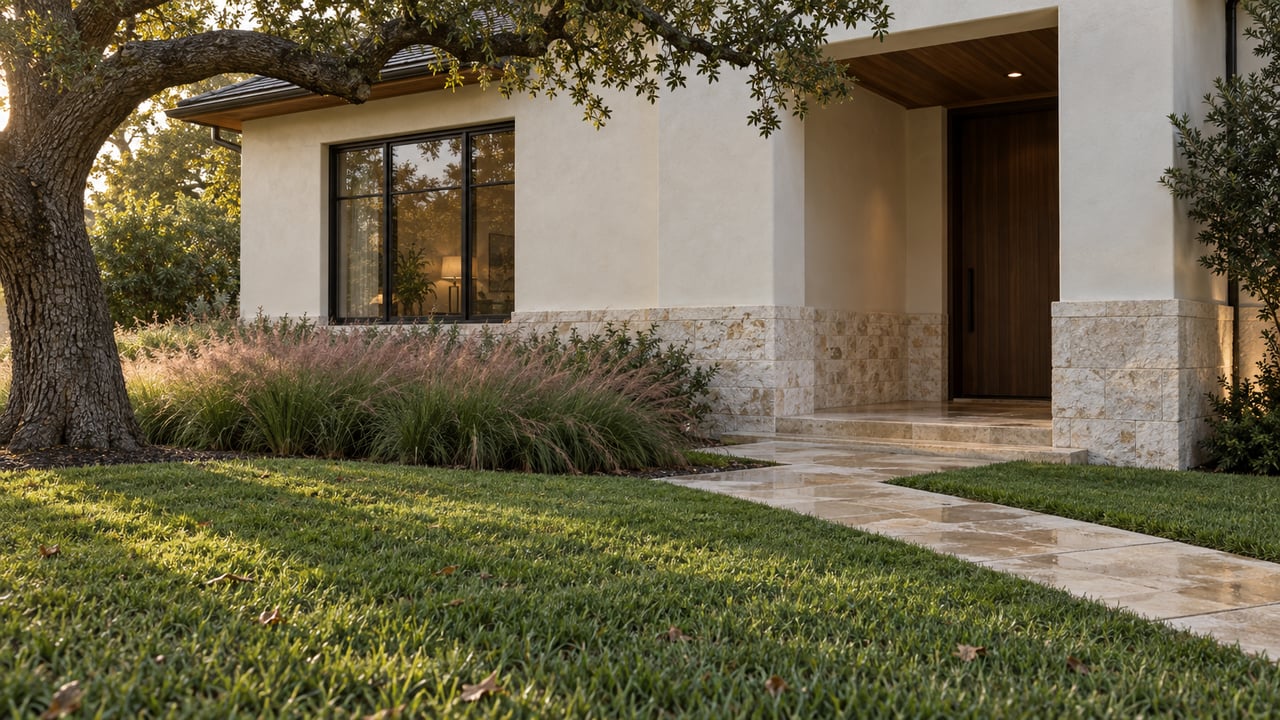
The good news? Improving curb appeal doesn't require a massive investment. Fresh mulch in the beds, a couple of potted plants flanking the entrance, power washing the driveway and walkways, and maybe a new mailbox can transform your home's first impression. I always tell my clients: invest $500-1,000 in curb appeal improvements, and you'll likely see a return of $5,000-10,000 or more in your final sale price.
Don't forget about lighting either. Those old brass fixtures? They're dating your home. Modern, updated outdoor lighting is an inexpensive upgrade that makes your home look current and well-cared-for.
Reason 3 - Your Photos Look Like They Were Taken in 2005
Why Professional Photography Is Non-Negotiable
In today's market, over 90% of buyers start their home search online. Your listing photos aren't just important—they're everything. Yet I still see listings with dark, blurry photos taken on someone's phone, with weird angles that make rooms look like funhouses, or shots that prominently feature family photos and personal clutter.
Professional real estate photography is one of the highest-ROI investments you can make when selling your home. We're talking about the difference between getting three showings in the first week versus thirty. Buyers scroll through dozens of listings, and your photos have about two seconds to grab their attention before they swipe to the next property.
The Power of Virtual Staging and Drone Shots
Here in Austin, where we have such beautiful scenery and unique architecture, drone photography can showcase your property's setting in ways that ground-level photos simply cannot. Got a view of the Hill Country? A spacious backyard that backs to greenbelt? These features deserve aerial shots that capture their full scope.
Virtual staging has also become a game-changer, especially for vacant homes. Empty rooms photograph poorly and make it difficult for buyers to envision the space's potential. Virtual staging provides that context for a fraction of the cost of physical staging, helping buyers imagine their furniture and lifestyle in your home.
Reason 4 - You're Not Marketing Where Austin Buyers Are Looking
Beyond the MLS: Social Media and Digital Strategies
Listing your home on the MLS is just the starting point, not the finish line. Austin buyers, particularly those relocating here for tech jobs or lifestyle reasons, are spending their time on Instagram, Facebook, and various online forums researching neighborhoods before they even contact an agent.
Your listing should have a comprehensive digital marketing strategy that includes targeted social media advertising, presence on all major real estate platforms, email marketing to agent networks, and even content that highlights what makes your specific Austin neighborhood special. Are you near popular restaurants on South Congress? Walking distance to Zilker Park? These lifestyle selling points need to be front and center in your marketing.
Targeting Relocating Tech Workers and Families
Austin's buyer pool is unique. We have an influx of professionals relocating from California, New York, and other high-cost areas who are looking for specific lifestyle amenities. Your marketing should speak directly to these buyers, highlighting aspects like proximity to major employers, quality of local schools, neighborhood culture, and outdoor recreation opportunities.
I've found that creating neighborhood-specific content—blog posts, videos, or social media content that showcases what it's actually like to live in your area—can attract buyers who are trying to decide which Austin neighborhood is right for them.
Reason 5 - Your Home Shows Like a Storage Unit
Decluttering vs. Depersonalizing: Know the Difference
I get it. You live in your home, and it's filled with your stuff, your memories, your life. But when you're selling, your home needs to transition from "your space" to "a product" that buyers can imagine as their own. There's a delicate balance between making your home feel lived-in and welcoming versus overwhelming buyers with your personal belongings.
Decluttering means removing excess items—the stacks of mail on the counter, the collection of knickknacks on every surface, the overflowing closets that suggest your home doesn't have enough storage. Buyers need to see space, not stuff. They're trying to mentally move their belongings into your home, and that's impossible if every inch is already occupied.
Creating Space That Buyers Can Envision as Their Own
Depersonalizing takes it a step further. Family photos, kids' artwork on the fridge, your collection of Star Wars memorabilia—these things make it hard for buyers to see past you living there. You want to create a neutral canvas that appeals to the broadest possible audience.
I usually recommend that sellers pack up about 30-40% of their belongings before listing. Yes, it's an inconvenience. But homes that show well with clear countertops, organized closets, and minimal personal items consistently sell faster and for more money than cluttered competitors.
Reason 6 - You're Being Too Restrictive With Showings
Flexibility Wins in a Competitive Market
Nothing kills a sale faster than a seller who makes it difficult for buyers to see their home. I've watched great properties sit on the market because sellers would only allow showings between 2-4 PM on weekdays, or required 48 hours notice, or refused to do evening or weekend showings.
Here's the reality: buyers are looking at multiple homes, often in a compressed timeframe. If your home isn't available when they're scheduling their showing tour, they'll simply move on to other options. And here's the kicker—they probably won't circle back. There are too many other homes competing for their attention.
Virtual Tours and Open Houses: Making Access Easy
In addition to being flexible with private showings, you should embrace every technology and strategy that makes it easier for buyers to experience your home. High-quality virtual tours allow out-of-state buyers to narrow down their choices before making an expensive trip to Austin. Well-promoted open houses create urgency and allow multiple buyers to see your home at once, which can spark competitive interest.
I always tell sellers: every barrier you put between buyers and your home is potentially costing you money. Make it as easy as possible for people to fall in love with your property.
Reason 7 - Your Home Needs Updates That Match Austin Buyer Expectations
What Austin Buyers Want in 2025
Austin buyers have specific expectations that reflect our market's demographics and lifestyle. They want open floor plans for entertaining, updated kitchens with modern appliances, energy-efficient features (crucial in our climate), outdoor living spaces, and home office setups (thanks to remote work trends).
If your home is still rocking builder-grade oak cabinets from 1995, popcorn ceilings, and carpet in the bathrooms, you're going to struggle. Buyers can see past cosmetic issues, but only to a point. When they're comparing your dated home to a similarly priced updated one down the street, you're going to lose every time.
Strategic Updates vs. Full Renovations
The key is making strategic updates that give you the best return on investment. You don't need to do a complete gut renovation, but you should address the most glaring dated features. Fresh paint in neutral colors, updated light fixtures, new hardware on cabinets, and modern faucets can make a dramatic difference for relatively little money.
For kitchens and bathrooms—the rooms that sell homes—consider whether a minor refresh (new countertops, updated backsplash, new sink and faucet) could be enough, rather than a full remodel. Sometimes a $5,000 update can have nearly the same impact on buyers as a $30,000 renovation.
Reason 8 - You Hired the Wrong Agent (Or No Agent at All)
Why Local Expertise Matters in Austin Neighborhoods
I hate to break it to you, but not all real estate agents are created equal. Austin is a city of distinct neighborhoods, each with its own character, buyer pool, and pricing dynamics. An agent who primarily works in Pflugerville might not have the expertise or connections to effectively market a home in Tarrytown. Someone who focuses on new construction in Cedar Park might not understand the nuances of selling a historic bungalow in Hyde Park.
You need an agent who knows your specific market inside and out, who has established relationships with other agents who represent buyers in your area, and who has a proven track record of selling homes like yours.
Red Flags Your Agent Isn't Doing Their Job
How do you know if your agent is the problem? Here are some warning signs: They haven't communicated with you regularly about showing feedback, they haven't suggested any strategic changes after weeks on the market, their marketing consists of just listing on MLS with mediocre photos, they're unavailable or difficult to reach, or they agreed to list at whatever price you wanted without presenting market data.
A good agent will be honest with you, even when it's uncomfortable. They'll tell you if your price is too high, if your home needs work, or if your showing restrictions are hurting your chances. If your agent is just agreeing with everything you say to keep you happy, that's a red flag.
Reason 9 - Your Home's Location Has Hidden Challenges
Traffic, Schools, and Neighborhood Perception
Sometimes the issue isn't your home itself but its location. Maybe you're on a busy street with constant traffic noise. Perhaps you're in a school district that buyers perceive as less desirable. Your neighborhood might be going through a transition period, or there might be commercial development nearby that's turning buyers off.
These are challenging issues because you can't change your location. However, you can adjust your pricing to reflect these realities and target your marketing to buyers who are specifically looking in your area or who might not be as sensitive to these particular concerns.
How to Position Location Disadvantages as Advantages
Sometimes what seems like a disadvantage to one buyer is an advantage to another. That busy street? It means quick access to major thoroughfares and shorter commutes. The transitioning neighborhood? It represents value and investment opportunity. Not in the most sought-after school district? Market to families with private school preferences or empty nesters for whom schools aren't a factor.
The key is being strategic about how you position your home and making sure your price reflects the market reality for your specific location.
Reason 10 - Timing and Market Conditions Are Working Against You
Seasonal Trends in the Austin Market
Real estate markets have rhythms and seasons. In Austin, spring is typically our busiest selling season, when families want to move before the school year ends and when buyers are most motivated. Summer can be challenging because of the oppressive heat and because many potential buyers are on vacation. Fall sees another uptick in activity before things slow down around the holidays.
If you listed your home in late November, you're facing natural seasonal headwinds. If you listed in July, buyers might be scarce simply because of timing rather than anything wrong with your property.
When to Hold vs. When to Adjust Strategy
Understanding market timing helps you make strategic decisions. Sometimes the best move is to take your home off the market temporarily and relist when conditions are more favorable. Other times, you need to adjust your strategy—whether that means a price reduction, enhanced marketing, or staging improvements—to overcome timing challenges.
Market conditions also include broader economic factors like interest rates, local employment trends, and overall consumer confidence. Your agent should be helping you understand how these macro factors are affecting your specific sale and what adjustments might be necessary.
Conclusion: Taking Action to Sell Your Austin Home
Selling your home in Austin doesn't have to be a frustrating experience. Most of the time, when a home isn't selling, it's not because there's something fundamentally wrong with the property—it's because one or more of these fixable issues is creating obstacles between your home and the right buyer.
The good news? Every single one of these problems has a solution. Boring listing description? Rewrite it with compelling, neighborhood-specific details. Poor photos? Hire a professional photographer. Limited showings? Get more flexible. Dated interiors? Make strategic updates or adjust the price accordingly.
The key is being honest with yourself about which of these issues might be affecting your sale, then taking decisive action to address them. The Austin market is still strong, with plenty of qualified buyers looking for homes. Your job is to make sure your home is positioned to appeal to those buyers when they're making their decisions.
Don't let pride, emotion, or wishful thinking keep you from making the changes necessary to get your home sold. Work with a knowledgeable local agent who will give you straight talk and solid strategy. Be willing to adapt your approach based on market feedback. And remember: the goal isn't to prove you were right about your home's value—the goal is to get it sold for the best possible price in a reasonable timeframe.
The Austin real estate market rewards sellers who are realistic, flexible, and strategic. Be that seller, and you'll be signing closing papers before you know it.
FAQs
1. How can I make my listing description stand out in the Austin market?
Focus on storytelling and neighborhood-specific details rather than generic features. Highlight what makes your location unique—proximity to popular spots, neighborhood culture, lifestyle amenities. Use descriptive language that helps buyers envision their life in your home, not just a list of specifications.
2. Is it worth staging my home if I'm still living in it?
Absolutely. Even occupied homes benefit from professional staging consultation. A stager can work with your existing furniture, rearrange spaces to maximize flow and appeal, and advise on what to remove or store. The cost is typically a few hundred dollars for a consultation and can result in a much faster sale and higher price.
3. Should I make major renovations before selling my Austin home?
It depends on your home's condition and price point. Major renovations rarely return 100% of their cost at sale. Focus on strategic updates that address obvious dated features or functional issues. Fresh paint, updated fixtures, and improved curb appeal usually offer the best return on investment.
4. How important are professional photos really?
They're critical. Professional real estate photography typically costs $200-500 and is one of the highest-ROI investments you can make. Homes with professional photos receive significantly more online views and showings than those with amateur photography, directly translating to faster sales and better prices.
5. What makes Austin's real estate market different from other cities?
Austin's market is heavily influenced by tech industry growth, relocation from high-cost coastal cities, unique neighborhood cultures, and specific lifestyle expectations. Buyers here often prioritize proximity to outdoor recreation, neighborhood character, and work-from-home functionality. Understanding these local preferences is crucial for effective pricing and marketing.