Buying an older home in Pemberton Heights can feel like stepping into a story you get to finish. You see character, mature trees, and central location—then weigh that charm against inspections, permits, and renovation timelines. You’re not alone in asking what’s realistic and what adds value. In this guide, you’ll learn how buying and renovating here actually works, from historic review to smart upgrade priorities and resale considerations. Let’s dive in.
Why Pemberton Heights stands out
Architecture and era
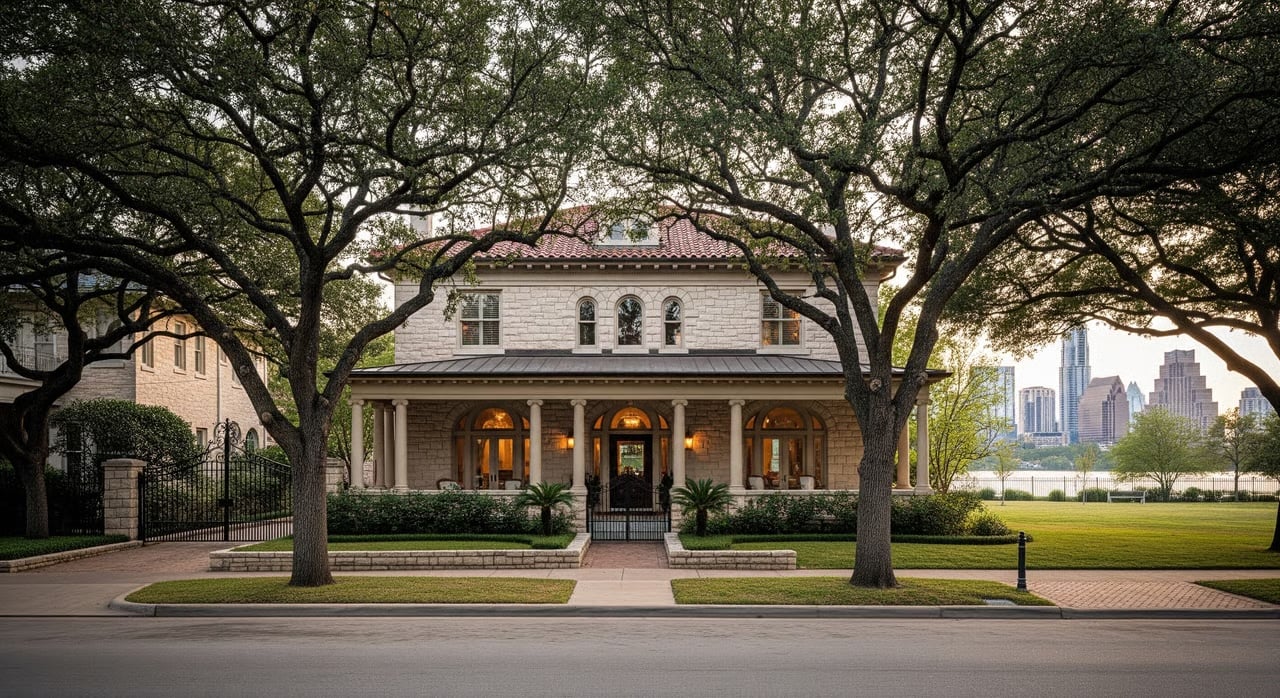
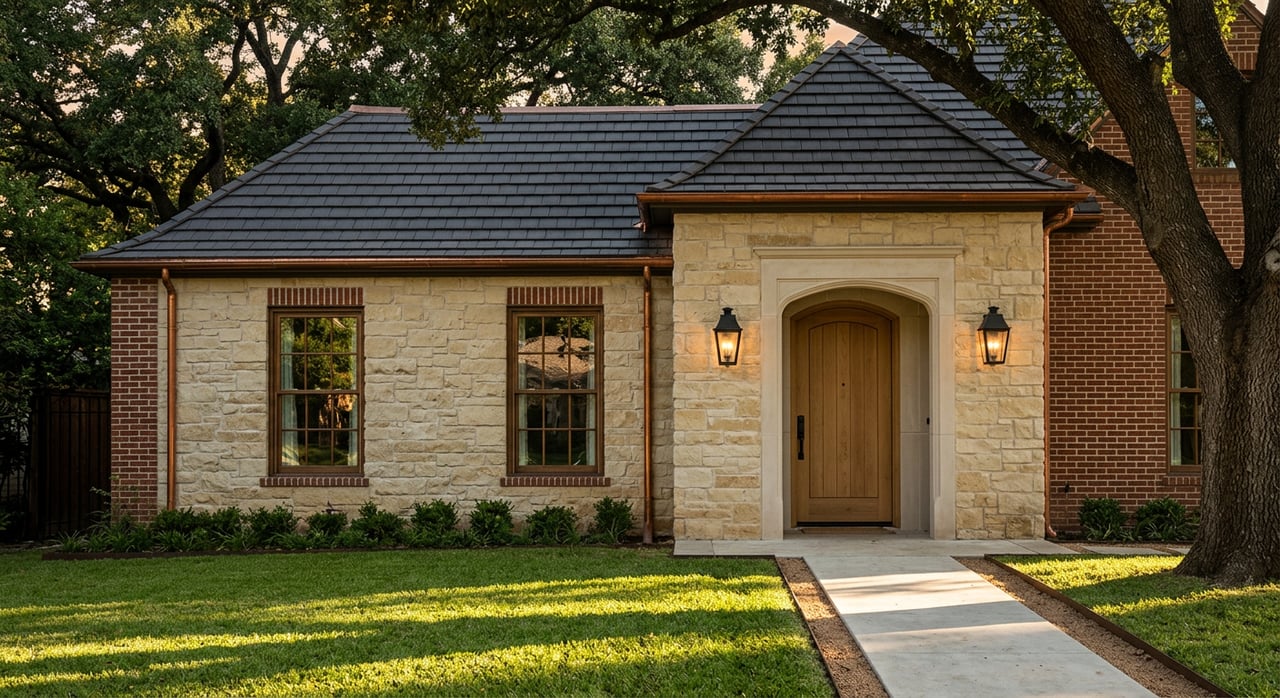
Pemberton Heights sits in central/West Austin within the Old West Austin National Register Historic District. The area showcases homes largely built from the 1920s through the 1950s, with styles ranging from Tudor and Colonial Revival to Craftsman, Mediterranean-influenced revivals, Prairie-influenced designs, and midcentury modern. You can confirm this variety in the City’s Old West Austin National Register Historic District nomination.
Lots, trees, and streetscape
You’ll also notice larger lots, stone curbing, park-like green triangles, and consistent setbacks. These planned streetscape elements help define the neighborhood’s feel. They also limit how and where you can place additions or detached structures, so design needs to be thoughtful from the start.
What National Register status means
Being listed on the National Register recognizes the area’s historic significance. By itself, it does not create federal restrictions on what a private owner can do, unless federal funds or permits are involved. For a plain-language overview, see the National Park Service’s National Register FAQ.
Local review you should plan for
In Austin, many projects affecting contributing properties in National Register districts go through the Historic Preservation Office and may be reviewed by the Historic Landmark Commission. City staff apply local Historic Design Standards when evaluating exterior work, demolitions, and new construction. That’s the practical reality in Pemberton Heights: expect additional review steps, and in some cases, public hearings. You can get a feel for the Historic Landmark Commission review process.
Key takeaway: Plan extra time for visible exterior changes. Some proposals get staff-level approval; others require calendar scheduling and conditions.
How to check your home’s status
Before you write an offer, verify whether the property is listed as a “contributing” resource in the Old West Austin nomination. Contributing status often increases the chance of preservation review for exterior changes. Ask the seller for past permits or approvals, and review any prior Commission staff recommendations as helpful precedent.
Common renovation needs in older Pemberton Heights homes
Structure and site
Austin’s geology shifts from rocky to clay-rich soils in places, and shrink–swell conditions can affect foundations over time. That’s why a qualified structural inspection is routine here. For context on the region’s soils, read about Austin’s mixed soils and shrink-swell behavior. Many earlier homes are pier-and-beam, so crawl-space moisture, deteriorated piers, or deferred under-house maintenance can surface. Termites are a perennial Texas risk; a wood-destroying insect (WDI) inspection is wise.
Systems: electrical, plumbing, HVAC
Houses from the 1920s–1950s may still have outdated wiring or undersized panels, so an electrical safety inspection is important. Old cast-iron sewer laterals and galvanized water lines are common failure points; a sewer-camera inspection is a smart add-on. HVAC can be near end-of-life, and original insulation may be minimal. Plan for modernization to meet today’s comfort and efficiency expectations.
Lead and asbestos safety
Homes built before 1978 may include lead-based paint, and many pre-1980 materials can contain asbestos. Follow the EPA’s guidance on lead-safe renovation and plan for certified testing and abatement where needed. It adds time and cost but protects health and helps keep your project compliant.
Permits, approvals, and timelines in Austin
When you need a permit
In Austin, most structural, electrical, plumbing, mechanical, and many exterior scope items require permits. The City’s Do I Need a Permit? tool helps you confirm whether your project needs review. A good rule of thumb: if work goes beyond purely cosmetic updates, assume you’ll need a permit.
How HPO/HLC review affects timing
Because Pemberton Heights sits inside a National Register district, projects that change the street-facing appearance, relocate garages, or propose large additions often involve the Historic Preservation Office. Some applications get released administratively; others go to the Historic Landmark Commission with public notice and a hearing. Build this into your scheduling so design refinements and approvals do not slow construction.
Value, resale, and smart upgrades
What studies say about value
Academic research often finds a price premium or stronger long-term appreciation in historic districts, though results can vary with local rules and property types. If you plan wisely, preservation can support long-term value. A helpful overview is this literature on studies of historic designation and property values.
Tax incentives: what applies and what does not
National Register listing can open doors to federal or state incentives, but the well-known federal rehabilitation credit generally applies to income-producing properties. Owner-occupied residences rarely qualify. Review the National Park Service’s summary of what the National Register is, and confirm any local incentives early in your planning.
High-ROI priorities in historic homes
- Low-to-medium cost refreshes that show well: targeted kitchen updates, bathroom cosmetic improvements, exterior paint, and curb appeal.
- Medium-to-high cost but often necessary: electrical service upgrades, HVAC replacement, full plumbing lateral replacement, roof replacement, and foundation remediation where needed.
- Higher-cost, specialized items: custom window repair/replication, match-milled trim, lime-based masonry work, and certified lead/asbestos abatement. These can be important for approval and long-term durability.
Buyer due diligence checklist
- Confirm whether the house is a contributing resource in the Old West Austin nomination.
- Request prior permits, staff recommendations, and any Certificates of Appropriateness from the seller.
- Order inspections: general home, structural review if concerns, WDI (termite), sewer-camera, and an electrical safety inspection.
- Test suspect materials for lead and asbestos; get written bids for certified remediation if positive.
- If planning street-visible exterior changes, consult the City’s Historic Preservation Office early; consider architects who have experience with Commission review.
- Build a 10–20 percent contingency for hidden conditions and potential design adjustments during approvals.
Renovation strategy that works here
- Prioritize fundamentals first: foundation, roof, drainage, electrical, plumbing, HVAC, and insulation. These items reduce risk and support financing and insurance.
- Engage design help early for additions or major exterior changes. Experience with Austin’s preservation standards helps avoid costly redesigns.
- Where feasible, repair original windows, doors, and porches instead of replacing. Retaining historic fabric often satisfies review standards and preserves character.
- Budget for specialist trades and historic-grade finishes when they are the right fit for your house and scope.
When Pemberton Heights beats new construction
If you value central location, mature trees, larger lots, and architectural variety, Pemberton Heights often wins on quality of place. You trade some regulatory steps for long-term character and strong neighborhood identity. Many buyers see the review process as a path to thoughtful design, not a barrier. With the right plan, you can balance old-Austin charm with modern performance.
Ready to explore options, weigh timelines, and map a renovation-friendly offer strategy tailored to your goals? Let’s connect. Meet with Meryl Hawk to plan your next move in Pemberton Heights.
FAQs
What makes Pemberton Heights homes unique compared to newer areas?
- A high concentration of 1920s–1950s architecture, larger lots, mature trees, and planned streetscapes that create a cohesive, character-rich environment.
Does National Register status restrict what I can do to my Pemberton Heights home?
- Listing itself does not impose federal restrictions on private owners, but in Austin many exterior changes to contributing properties are reviewed by the Historic Preservation Office and Commission.
Which inspections should I order for an older Austin home in Pemberton Heights?
- General home inspection, structural review if needed, WDI (termite), sewer-camera, and an electrical safety inspection, plus testing for lead and asbestos when work will disturb old materials.
How does Austin’s Historic Landmark Commission affect renovation timelines?
- Some projects get staff approval, while others require public notice and a hearing; plan additional time for visible exterior changes and potential design conditions.
Are there tax credits for renovating a Pemberton Heights house I live in?
- Federal rehabilitation credits usually apply to income-producing properties, not owner-occupied homes; confirm any local incentives during early planning.
Do renovations in historic Austin neighborhoods help resale value?
- Research often shows a price premium or stronger appreciation in historic districts, but results vary; high-quality, context-sensitive work tends to support long-term value.