Introduction: Why Selling Your Austin Home Requires a Strategic Approach
Selling your home in Austin isn't just about putting up a "For Sale" sign and waiting for offers to roll in. The Austin real estate market is vibrant, competitive, and constantly evolving. Whether you're relocating for work, upgrading to a larger space, or downsizing after the kids have flown the nest, you need a solid game plan to maximize your profit and minimize stress.
Think of selling your home like preparing for a marathon—you wouldn't show up on race day without training, right? The same principle applies here. From the moment you decide to sell until you hand over the keys on closing day, every step matters. This comprehensive guide will walk you through the entire process, ensuring you're equipped with the knowledge and strategies to sell your Austin home successfully.
Understanding the Austin Real Estate Market
Current Market Trends in Austin
Austin's real estate market has been on a roller coaster ride over the past few years. The city has experienced significant growth, attracting tech companies, remote workers, and families seeking a better quality of life. As of late 2025 and heading into 2026, the market is showing interesting dynamics with inventory levels fluctuating and buyer demand remaining relatively strong in desirable neighborhoods.
Interest rates, local employment trends, and seasonal factors all play into how quickly homes sell and at what price. Understanding these trends gives you leverage when timing your sale and setting expectations.
What Makes Austin Unique for Sellers
Austin isn't your typical real estate market. The city's personality—quirky, creative, and outdoor-oriented—influences what buyers are looking for. Proximity to live music venues, tech hubs, quality school districts, and outdoor recreation areas like the Greenbelt or Lady Bird Lake can significantly impact your home's appeal.
Additionally, Texas has no state income tax, which attracts buyers from high-tax states. This demographic shift means you might be selling to someone who's never experienced Austin's unique charm, making it essential to highlight what makes your property and neighborhood special.
Preparing Your Home for Sale: The Decluttering Phase
Why Decluttering Matters
Imagine walking into a home where every surface is covered with personal items, closets are bursting at the seams, and the garage looks like a storage unit explosion. Not exactly inspiring, is it? Decluttering serves multiple purposes: it makes your home look larger, allows buyers to envision themselves living there, and signals that the property has been well-maintained.
Clutter creates visual noise that distracts from your home's best features. When buyers can't see the beautiful hardwood floors because they're covered in boxes, or can't appreciate the spacious closets because they're overflowing, you're losing selling power.
Room-by-Room Decluttering Strategy
Living Spaces and Bedrooms
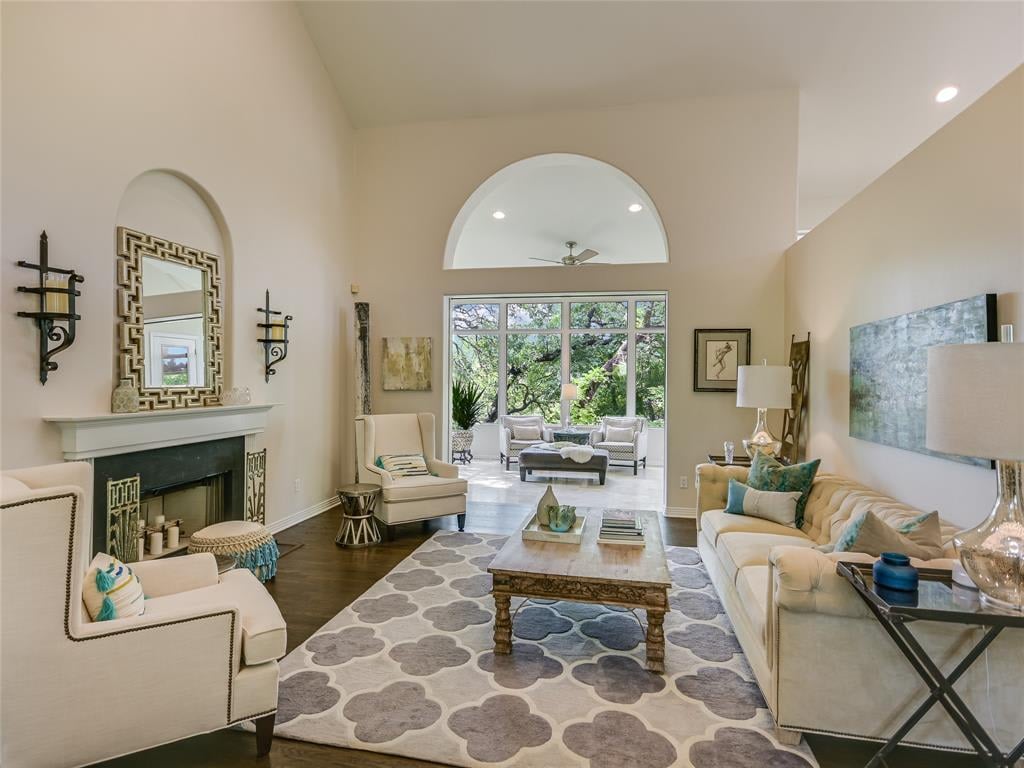
Start with the rooms buyers spend the most time evaluating. Remove personal photographs, excessive furniture, and anything that makes the space feel cramped. Create breathing room—buyers should be able to move freely and imagine their own furniture in the space.
In bedrooms, clear off nightstands except for a lamp and perhaps one decorative item. Minimize closet contents to about 50% capacity. Yes, this means boxing up off-season clothes and storing them elsewhere, but it's worth it when buyers open that closet and see organized, spacious storage.
Kitchen and Bathrooms
The kitchen is often called the heart of the home, and buyers scrutinize it intensely. Clear countertops of small appliances, leaving only perhaps a coffee maker or a decorative bowl. Remove magnets and papers from the refrigerator. Organize pantries and cabinets because savvy buyers will open them.
Bathrooms should feel like a spa, not a pharmacy. Store away daily toiletries, leaving only a few decorative items. Replace worn towels with fresh, neutral-colored ones. A clean, uncluttered bathroom suggests good maintenance throughout the home.
Outdoor Areas and Curb Appeal
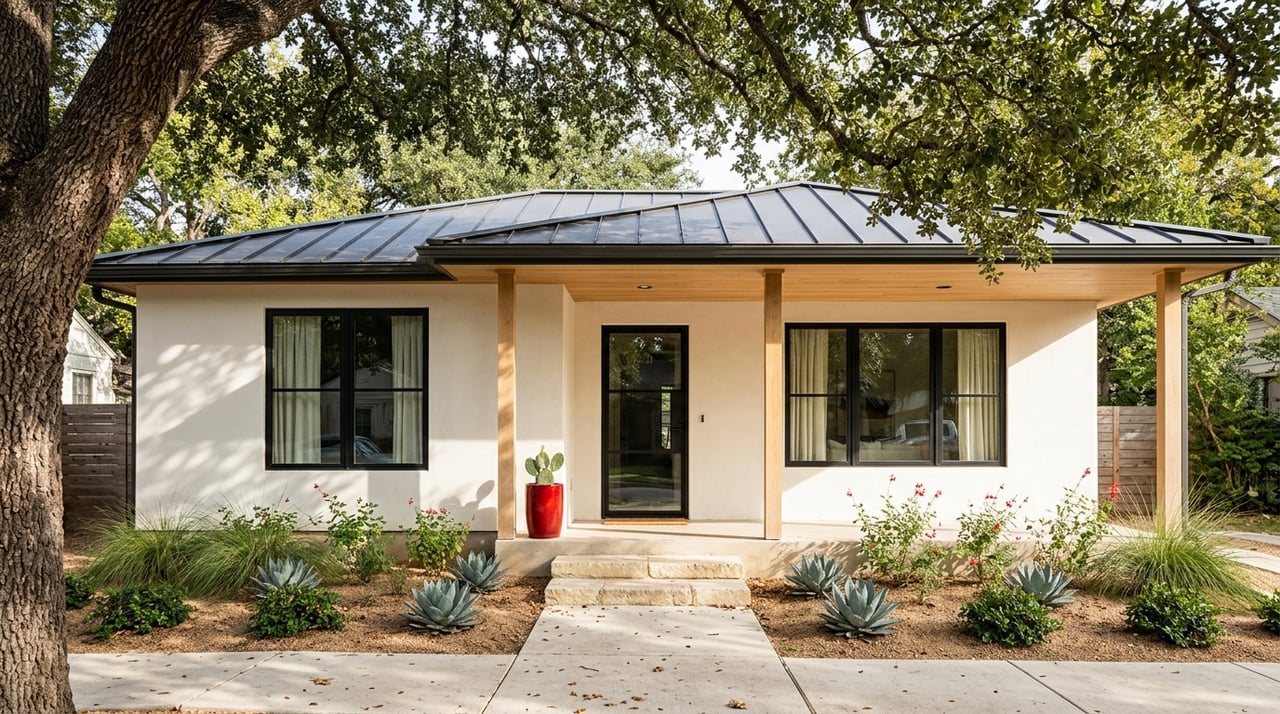
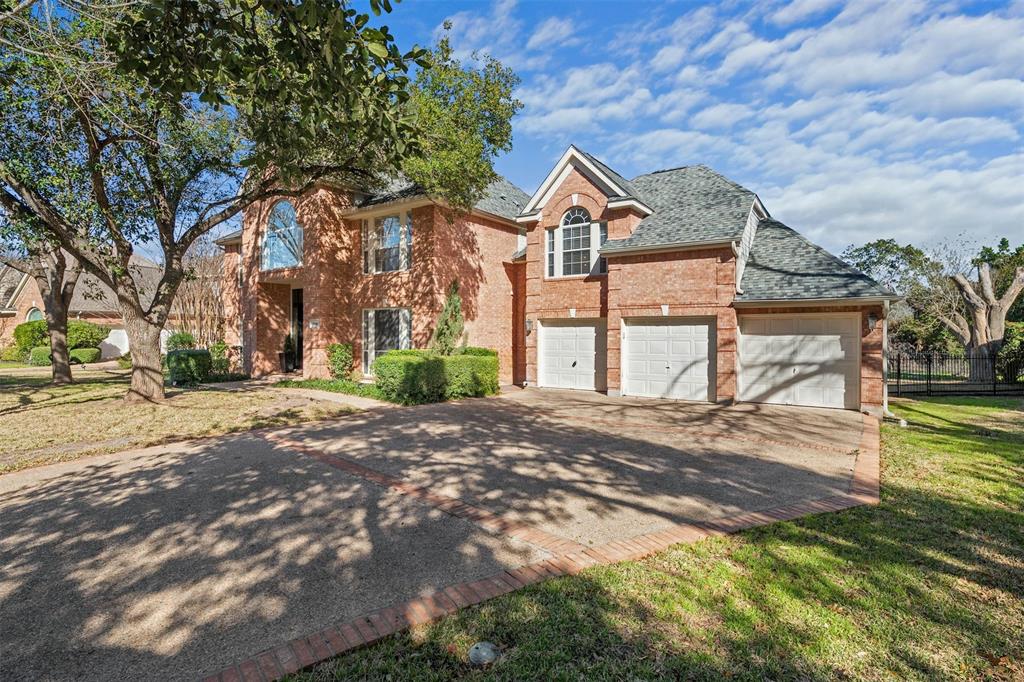
Your home's exterior creates the critical first impression. Trim overgrown bushes, mow the lawn, and add fresh mulch to flower beds. Remove kids' toys, yard tools, and anything that makes the space look cluttered. If you have a patio or deck, stage it with clean outdoor furniture to showcase outdoor living potential—a huge selling point in Austin's pleasant climate.
Home Staging: Making Your Property Irresistible
The Psychology Behind Staging
Staging isn't about decorating your home to your taste—it's about creating a neutral, aspirational environment that appeals to the broadest range of buyers. Staged homes sell faster and often for more money because they help buyers emotionally connect with the property.
Think of staging as creating a story. Each room should have a clear purpose and flow. That odd alcove becomes a cozy reading nook. The bare patio transforms into an outdoor entertaining space. You're not just selling square footage; you're selling a lifestyle.
DIY Staging vs. Professional Staging
If you have an eye for design and the time to invest, DIY staging can save money. Focus on neutral paint colors, strategic furniture placement, and adding touches like fresh flowers or plants. Remove dated décor and personal items that might turn off potential buyers.
However, professional stagers bring expertise that's hard to replicate. They understand current design trends, have access to furniture and accessories, and know how to highlight your home's strengths while downplaying weaknesses. In Austin's competitive market, professional staging can be the difference between an offer at asking price and one that exceeds it.
Pricing Your Austin Home Right
Conducting a Comparative Market Analysis
Pricing is both art and science. Too high, and your home sits on the market, eventually requiring price reductions that signal desperation. Too low, and you leave money on the table. A comparative market analysis (CMA) examines recently sold homes similar to yours in location, size, condition, and features.
Your real estate agent should provide a detailed CMA, but you can also research on platforms like Zillow, Redfin, or the Austin Board of Realtors MLS. Pay attention to homes that sold quickly—these are your best comparables. Consider factors like school districts, recent renovations, and neighborhood amenities.
Avoiding Common Pricing Mistakes
One of the biggest mistakes sellers make is overpricing based on emotional attachment or what they need to make from the sale. The market doesn't care what you paid or what you've invested in improvements—it only cares about current market value.
Another mistake is ignoring market conditions. In a seller's market with low inventory, you might price slightly higher. In a balanced or buyer's market, competitive pricing is essential. Be willing to adjust your strategy based on feedback and showing activity within the first two weeks.
Choosing the Right Real Estate Agent
What to Look for in an Austin Realtor
Not all real estate agents are created equal. You want someone who knows the Austin market intimately, has a proven track record of selling homes in your neighborhood, and communicates effectively. Look for agents who invest in professional marketing, including photography, videography, and online presence.
Interview at least two agents before making your decision. Check online reviews. An agent who sold homes successfully in Mueller might not have the same expertise in Tarrytown or Circle C—local knowledge matters.
Questions to Ask Before Hiring
Don't be shy about asking tough questions. How many homes have you sold in my neighborhood in the past year? What's your average list-to-sale price ratio? How will you market my property? What's your communication style and availability? How do you handle multiple offers or difficult negotiations?
The right agent should provide clear answers, demonstrate market knowledge, and make you feel confident in their abilities. Remember, you're entering a business relationship that could involve hundreds of thousands of dollars—choose wisely.
Marketing Your Home Effectively
Professional Photography and Virtual Tours
In today's digital age, most buyers start their home search online. If your listing photos are dim, poorly composed, or taken with a smartphone, you're already at a disadvantage. Professional real estate photography is non-negotiable.
Consider going beyond standard photos with drone footage showing the property and neighborhood, 3D virtual tours allowing buyers to walk through remotely, and video tours that tell your home's story. These investments pay dividends by attracting more serious buyers and generating more showings.
Leveraging Social Media and Online Platforms
Your agent should be marketing your property across multiple channels—MLS listings, real estate websites like Zillow and Realtor.com, social media platforms, and email campaigns to their network. In Austin's tech-savvy market, digital marketing expertise is crucial.
Don't underestimate the power of a compelling listing description. Instead of generic statements like "great location," be specific: "steps from the Greenbelt with walking trails," or "award-winning Eanes ISD schools." Paint a picture that helps buyers imagine their life in your home.
Navigating Showings and Open Houses
Preparing for Potential Buyers
When showing time arrives, your home should be immaculate. That means daily maintenance—dishes done, beds made, bathrooms spotless, and floors vacuumed or mopped. Open curtains to let in natural light, and consider playing soft background music and having fresh flowers on the kitchen counter.
Temperature matters too. Keep your home at a comfortable 74-76 degrees. If you have pets, arrange to take them with you during showings. Not everyone loves animals, and pet odors can be a deal-breaker for some buyers.
Safety and Security During Showings
While most buyers and agents are trustworthy, it's wise to take precautions. Secure or remove valuable items, prescription medications, and personal documents. Consider installing a lockbox rather than giving out spare keys. Your agent should accompany showings when possible, and you should receive feedback about who viewed your property.
Reviewing and Negotiating Offers
Understanding Offer Components
An offer isn't just about price—it includes contingencies, closing timeline, earnest money deposit, and whether the buyer is pre-approved for financing. A higher-priced offer with multiple contingencies and a long closing period might be less attractive than a slightly lower offer from a cash buyer with quick closing.
Review each offer carefully with your agent. Consider the buyer's financial qualification, flexibility on terms, and any special requests like asking you to leave appliances or requesting a home warranty.
Negotiation Strategies That Work
Negotiation is a dance, not a battle. Approach it professionally and strategically. If you receive multiple offers, you might leverage them for better terms. If you receive one solid offer, respond reasonably—countering too aggressively could lose the deal.
Be prepared to negotiate on price, closing costs, repairs, and timeline. Know your bottom line before entering negotiations, but also know where you have flexibility. Sometimes accepting a slightly lower price with fewer contingencies and a faster closing is the smarter move.
The Inspection and Appraisal Process
What to Expect During Home Inspections
Once you're under contract, the buyer will typically order a home inspection. An inspector will examine your property's structure, systems, and components, looking for defects or safety issues. This can feel invasive, but it's standard practice.
Expect the inspector to check the roof, foundation, HVAC systems, plumbing, electrical, windows, doors, and more. They'll document everything in a detailed report that the buyer will use to potentially request repairs or credits.
Handling Repair Requests
Few homes pass inspection without some findings. The key is responding reasonably to legitimate concerns while standing firm on nitpicky items. Major issues like a failing HVAC system or roof damage typically require attention. Minor cosmetic items or maintenance issues that were visible during showings are more negotiable.
Work with your agent to craft a response that keeps the deal moving forward. Sometimes offering a credit rather than making repairs yourself is the easiest solution, letting the buyer handle fixes after closing.
Closing Preparations: The Final Steps
Understanding Closing Costs
Sellers in Texas typically pay certain closing costs, including the title policy, real estate commissions (usually 5-6% of sale price), and potentially some prorated property taxes. Understanding these costs upfront prevents surprises and helps you calculate your net proceeds.
Your agent and title company should provide a detailed estimate of your closing costs early in the process. Review this carefully and ask questions about anything unclear.
Final Walkthrough and Documentation
Before closing, the buyer will conduct a final walkthrough to ensure the property's condition matches the contract and that any agreed-upon repairs were completed. Make sure your home is clean, empty, and in the condition promised.
At closing, you'll sign various documents transferring ownership. Bring valid photo identification and review all documents carefully. Your agent and the title company will guide you through the process, which typically takes about an hour.
Moving Out: Transition Planning
Don't wait until the last minute to plan your move. Start packing non-essential items during the selling process. Research moving companies well in advance—Austin's growth means movers book up quickly, especially during peak summer months.
Forward your mail, transfer utilities, and update your address with banks, credit cards, and other important institutions. Leave the property clean and remove all personal belongings unless you've specifically agreed to leave certain items.
Common Mistakes Austin Sellers Make
Let's talk about what not to do. Overpricing is the number one mistake, followed closely by neglecting repairs and staging. Some sellers refuse to leave during showings, making buyers uncomfortable. Others get emotionally attached to furniture negotiation or take inspection findings personally.
Another common error is inadequate preparation. Listing your home before it's ready—with clutter, needed repairs, or poor presentation—costs you money through lower offers or extended market time. Take the time to do it right from the start.
Conclusion: Your Path to a Successful Home Sale
Selling your Austin home successfully requires planning, preparation, and persistence. From decluttering and staging to pricing strategically and negotiating effectively, each step builds toward your ultimate goal: a smooth transaction at the best possible price.
Remember, you're not just selling a house—you're selling a lifestyle, a neighborhood, and a piece of Austin's unique character. By following this guide and working with experienced professionals, you'll navigate the journey from decluttering to closing day with confidence.
The Austin market rewards sellers who invest time and effort into presenting their homes properly. Stay flexible, remain patient, and trust the process. Before you know it, you'll be handing over the keys and celebrating a successful sale.
FAQs
1. How long does it typically take to sell a home in Austin?
The timeline varies based on market conditions, pricing, and your home's condition and location. In a balanced market, expect 30-90 days from listing to closing. Well-priced, properly staged homes in desirable neighborhoods often sell faster, sometimes within days of listing. However, overpriced homes, homes in poor condition or homes with the wrong representation can sit for months.
2. Should I make major renovations before selling my Austin home?
Major renovations rarely provide full return on investment when selling. Focus instead on strategic updates like fresh paint, updated fixtures, landscaping improvements, and necessary repairs. Kitchen and bathroom updates can be worthwhile if they're severely outdated, but consult with your agent first to understand what buyers in your specific neighborhood expect.
3. What's the best time of year to sell a home in Austin?
Spring through Fall (March through November) typically sees the most buyer activity in Austin, as families want to move before the school year starts. However, serious buyers shop year-round. If your home has features that shine in other seasons—like a pool for summer or a cozy fireplace for winter—timing might be less critical. Market conditions and your personal situation should drive your decision more than seasonality.
4. How much will I actually net from my home sale after all expenses?
Expect to pay 6% in real estate commissions split between the listing agent and buyer's agent, 1-2% in other closing costs, and potentially some costs for repairs or concessions.
5. Do I need to disclose problems with my home to potential buyers?
Texas law requires sellers to complete a Seller's Disclosure Notice detailing known issues with the property. Being honest and thorough protects you legally and builds trust with buyers. Attempting to hide known defects can lead to legal problems after closing. When in doubt, disclose—it's better to address issues upfront than face litigation later.