Wondering whether a second home on Lake Travis is a smart lifestyle upgrade or an expensive headache? You are not alone. Many buyers are drawn to the lake for weekend escapes, boating access, and long-term enjoyment, but the numbers and rules matter just as much as the view. If you are thinking about buying in the Lake Travis area, this guide will help you weigh the real costs, rental potential, and decision points so you can move forward with clarity. Let’s dive in.
Why Lake Travis Appeals to Second-Home Buyers
Lake Travis offers something many buyers want more of: space to unwind, access to outdoor recreation, and a resort-style feel within the greater Austin market. For some buyers, that means a lock-and-leave retreat. For others, it means a future retirement home, a gathering place, or a part-time residence with occasional rental use.
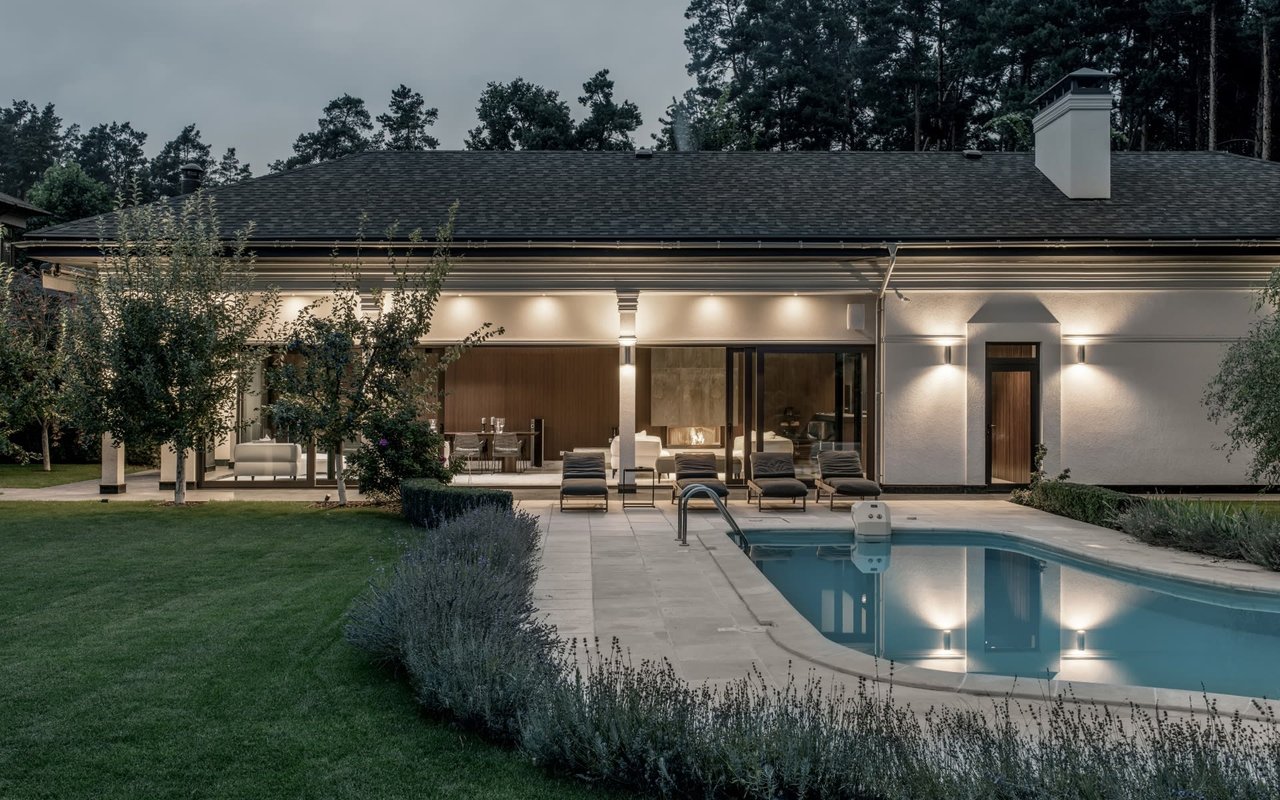
The key is knowing that “Lake Travis” is not one single price point or property type. A second home here could be an inland property in the high six figures, a lake-access home around the low seven figures, or a luxury waterfront property well above that range. Your exact location, water proximity, and jurisdiction will shape both your experience and your costs.
Lake Travis Prices Vary More Than You Think
If you are browsing second homes around the lake, it helps to start with realistic pricing. Current Realtor.com data shows median listing prices of about $850,000 in Lakeway and $892,500 in Bee Caves. In nearby ZIP codes, medians range from roughly $752,500 in 78734 to about $2.5745 million in 78746.
Even within Lakeway, price differences are substantial. Representative neighborhood medians range from $479,000 in The Vineyards to $2,032,500 in Round Mountain. Lakeway Country Club is around $699,950, while Flintrock at Hurst Creek is about $1,270,000.
That spread matters because a smart purchase for you depends on your goals. If you want occasional use and lower carrying costs, an inland property may be the better fit. If your priority is premium views, direct access, or a legacy-style purchase, your budget may need to stretch significantly.
Today’s Market Favors Careful Buyers
The Lake Travis corridor is no longer behaving like a fast-rising pandemic market. Lakeway’s three-year median sale-price change is down 25.53%, while Bee Caves is down 11.15%. Lake Travis-Westlake inventory reached 6.8 months in April 2025, and the six-ZIP coverage area saw the median sales price fall from $928,000 in 2024 to $825,000 in 2025.
At the same time, sales activity is still happening. Sales rose 22.9% in December, which suggests a market that is normalizing rather than stalling. Median days on market are also meaningful, at 47 days in Lakeway and 46 days in Bee Caves.
For you, this means a second home purchase should be approached as a long-term decision, not a quick flip. You may have more room to negotiate and more time to evaluate options, but future appreciation should not be your only reason to buy.
Lifestyle Value Should Come First
For most buyers, a Lake Travis second home works best when it makes sense as a lifestyle asset first. That is because current rent levels are modest compared with purchase prices. In both Lakeway and Bee Caves, median asking rent is about $3,000 per month.
When you compare those rent levels with current median listing prices, the implied gross rent-to-price ratio is only about 4% before property taxes, insurance, vacancy, maintenance, and any management costs. In practical terms, that usually means the home needs to stand on its own as a place you truly want to use and enjoy.
If your plan depends on strong rental income to offset most of the ownership cost, this market may feel tighter than expected. If you value weekends on the water, long holds, and personal use, the numbers may make more sense.
Short-Term Rental Rules Can Change the Math
A second home near Lake Travis may have rental potential, but the rules depend heavily on where the property is located. This is one of the most important details to confirm before you buy. A lake-area address does not automatically mean the same short-term rental rules apply from one property to the next.
In Texas, the state hotel occupancy tax is 6% for short-term rentals of 29 days or less. Local hotel taxes may apply too. Lakeway says it collects a 7% local hotel occupancy tax from short-term rental properties, while Austin says its local hotel tax is 11% and that short-term rentals in the city are regulated and licensed.
Austin also states that full-purpose and limited-purpose properties require an operating license, while ETJ properties do not need a license or local hotel occupancy tax. That kind of jurisdiction-specific difference can materially affect your rental plan.
Lakeway adds its own practical limits. Its current short-term rental ordinance says rentals must be at least two consecutive nights, occupancy is limited to two adults per bedroom, parking must stay on-site or in the right-of-way bordering the property, and permit holders must keep logs and file state hotel tax reports.
Those rules do not make rentals impossible. They do mean you should avoid making assumptions based on best-case nightly booking scenarios.
Taxes and Carrying Costs Need a Hard Look
Many buyers focus on the purchase price and underestimate the ongoing cost of a second home. In Travis County, property tax bills can include several taxing entities, not just the county itself. According to TCAD, a tax bill may involve the county, city, school district, hospital district, junior college, MUDs, road districts, and water control districts.
For a second home, the biggest tax issue is often what you do not get. The general residence homestead exemption applies to an owner-occupied primary residence, and the Texas Comptroller says you cannot claim a residence homestead exemption on another property. TCAD reported that in 2025 the average Travis County homestead saved $3,663 on property taxes.
In other words, a second home generally does not receive that tax break. That can noticeably change your annual carrying cost.
Flood Insurance Matters Near the Lake
Insurance is another area where early due diligence pays off. The Texas Department of Insurance says homeowners policies do not cover flood damage, and a lender requires flood insurance if the home is in a designated flood zone. FEMA also says flood insurance is required for most loans in Special Flood Hazard Areas.
Even if a property is outside one of those areas, flood insurance may still be worth considering. For a lake property, it is wise to confirm the FEMA flood-zone designation and get an insurance quote early in the process. Waiting until the final stretch of a transaction can lead to budget surprises.
Lake Levels Affect Real-World Usability
Lake Travis is not a constant-level lake. LCRA says the lake is full at 681 feet above mean sea level and is designed to fluctuate as water is stored and released. It also posts public ramp information and notes that some ramps may be closed due to low water levels.
That matters more than many buyers realize. If boating, dock access, or shoreline enjoyment are central to your decision, you should verify those details for the exact parcel. A community name alone does not tell you whether your preferred lake lifestyle will function the way you expect.
Financing May Be Stricter Than Expected
Financing for a second home can look different from financing for a primary residence. Fannie Mae says second-home properties must not be rental properties or timeshares, and additional reserves are required when a borrower has multiple financed properties secured by a second home or investment property. Freddie Mac publishes a 90% loan-to-value benchmark for certain second-home loans.
The practical takeaway is simple: ask your lender to classify the property before you build your plan around a low down payment or future rental income. If the property is treated as an investment property instead of a second home, your costs and qualification terms may change.
How to Decide if It Is a Smart Move
A Lake Travis second home is often a smart move when you want personal enjoyment first, can comfortably carry the home without depending on short-term rental income, and plan to hold through slower resale periods. In the current market, those buyers are usually in the strongest position.
It may be a weaker fit if you need one-night stays to drive income, expect the property to cover itself immediately, or do not have room in your budget for taxes, insurance, reserves, and maintenance. The lake can be an exceptional lifestyle purchase, but only when the numbers match the reality.
Here are a few smart questions to ask before moving forward:
Questions for your lender
- Will this property be classified as a second home or an investment property?
- What down payment and reserve requirements apply?
- Can any rental income be used for qualification, and under what assumptions?
- Will flood insurance, HOA dues, or similar recurring costs count in my debt-to-income ratio?
Questions for your tax professional
- Will this property be treated as a pure second home, a mixed-use vacation home, or a rental?
- How do personal-use days affect tax treatment?
- Who is responsible for state and local hotel occupancy tax filing in this jurisdiction?
- What changes if I later convert the property to a full-time rental or sell it?
Questions for your agent
- Which jurisdiction is the parcel in: Lakeway, Austin, unincorporated Travis County, or another city?
- Is short-term rental use allowed, licensed, capped, or subject to a waiting list?
- Does the property have deeded lake access, a permitted dock, HOA or POA rules, or floodplain concerns?
- How have comparable homes in this exact price band performed on days on market and resale?
The Bottom Line on Lake Travis
Buying a second home on Lake Travis can absolutely be a smart move, but usually for buyers who are clear-eyed about what they are purchasing. This is typically not a pure cash-flow play. It is more often a premium lifestyle purchase with some possible rental upside, depending on the property and jurisdiction.
If you approach the decision with careful underwriting, realistic expectations, and strong local guidance, you can buy with far more confidence. And when the home fits both your lifestyle and your financial comfort zone, it can be a very rewarding long-term addition to your life.
If you want help evaluating neighborhoods, price bands, lake access, and property-specific details in the Lake Travis corridor, Meryl Hawk can help you build a smart, tailored plan.
FAQs
Is a Lake Travis second home a good investment property?
- It can offer some rental potential, but current rent levels compared with purchase prices suggest many second homes work better as lifestyle purchases first rather than pure income properties.
What should I know about Lake Travis short-term rental rules?
- Rules vary by jurisdiction, and details like hotel occupancy taxes, licensing, minimum stays, occupancy limits, and permit requirements can materially affect feasibility.
How much does a second home around Lake Travis cost?
- Current median listing prices are about $850,000 in Lakeway and $892,500 in Bee Caves, with nearby ZIP codes and neighborhoods ranging from the high six figures to well over $2 million.
Do second homes in Travis County get a homestead exemption?
- Generally no, because the residence homestead exemption applies to an owner-occupied primary residence, not a second home.
Does flood insurance matter for a Lake Travis second home?
- Yes. Homeowners insurance does not cover flood damage, and flood insurance may be required by a lender if the property is in a designated flood zone.
Why do lake levels matter when buying near Lake Travis?
- Lake Travis is designed to fluctuate, so dock access, shoreline conditions, and boat usability should be verified for the specific property rather than assumed from the area name alone.