Why First Impressions Matter
Selling a home isn’t just about listing it online and waiting for offers. Buyers make snap judgments—sometimes within seconds—about whether a property feels “right.” That’s where professional staging comes in. Think of it as giving your home a personality that resonates with buyers while highlighting its strengths. From listing to sold, staging can transform your home’s perception and, ultimately, its value.
What is Professional Home Staging?
Professional home staging is the art of preparing a home for sale. Unlike simple cleaning or decorating, staging strategically arranges furniture, decor, and lighting to showcase the property’s potential. A staged home allows buyers to envision themselves living there, rather than just seeing an empty or cluttered space.
The Psychology Behind Staging
Humans are visual creatures. Buyers aren’t just looking at square footage—they’re imagining lifestyles. A staged living room communicates comfort and space. A bright, airy kitchen signals potential for family meals and gatherings. Every detail, from color palettes to furniture placement, is designed to appeal to emotions, not just logic.
How Staging Impacts Buyer Perception
Staging helps buyers see the home’s potential rather than its flaws. It draws attention to focal points, highlights the flow between rooms, and makes spaces look larger and more inviting. Studies show staged homes sell faster and for more money than unstaged properties, because buyers perceive them as move-in ready.
Cost vs. Return: Is Staging Worth It?
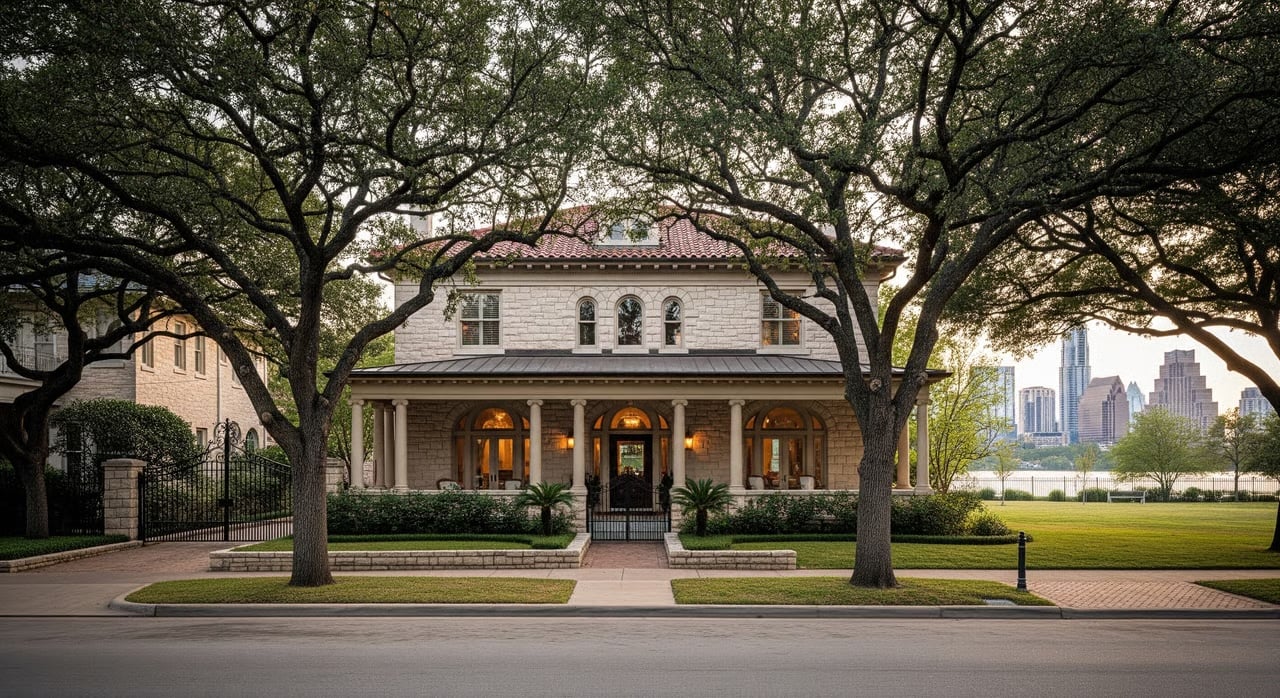
Many sellers hesitate because of the cost, but professional staging often pays for itself. On average, staged homes can sell for 5–15% more than unstaged ones. Considering that even a small increase in sale price can outweigh staging costs, it’s a strategic investment—especially in competitive markets like Austin.
Key Areas to Stage for Maximum Impact
Living Room
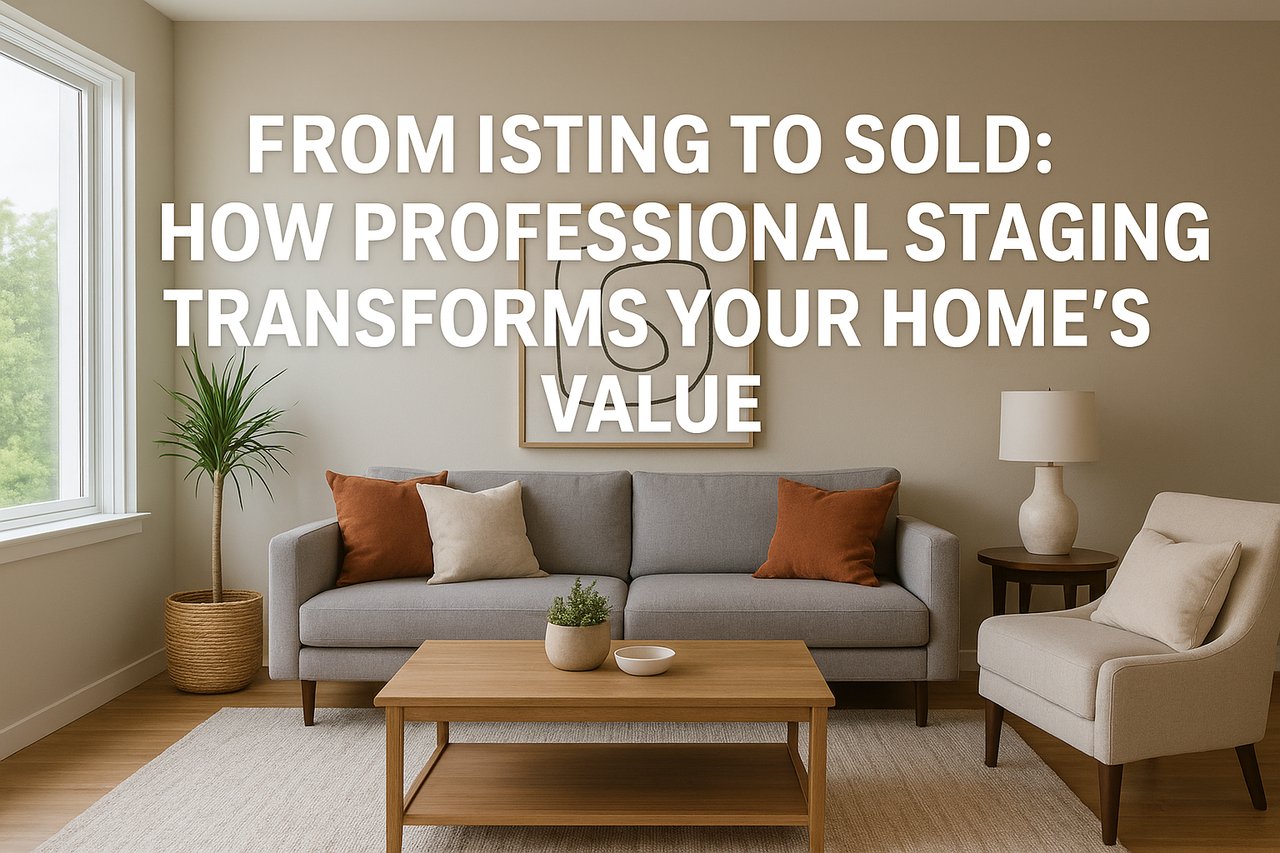
The living room is the heart of the home. Staging emphasizes flow, seating arrangements, and focal points like fireplaces or large windows. Cozy yet spacious setups invite buyers to imagine relaxing there.
Kitchen and Dining
Kitchens sell homes. Remove clutter, highlight countertops, and set a dining table to create an inviting scene. A staged kitchen suggests functionality and lifestyle, which buyers crave.
Master Bedroom
Make the master suite a retreat. Neutral bedding, good lighting, and minimal personal items help buyers envision themselves unwinding there.
Bathrooms
Bathrooms should feel spa-like. Fresh towels, clean surfaces, and subtle decorative touches can make a significant impact.
Outdoor Spaces
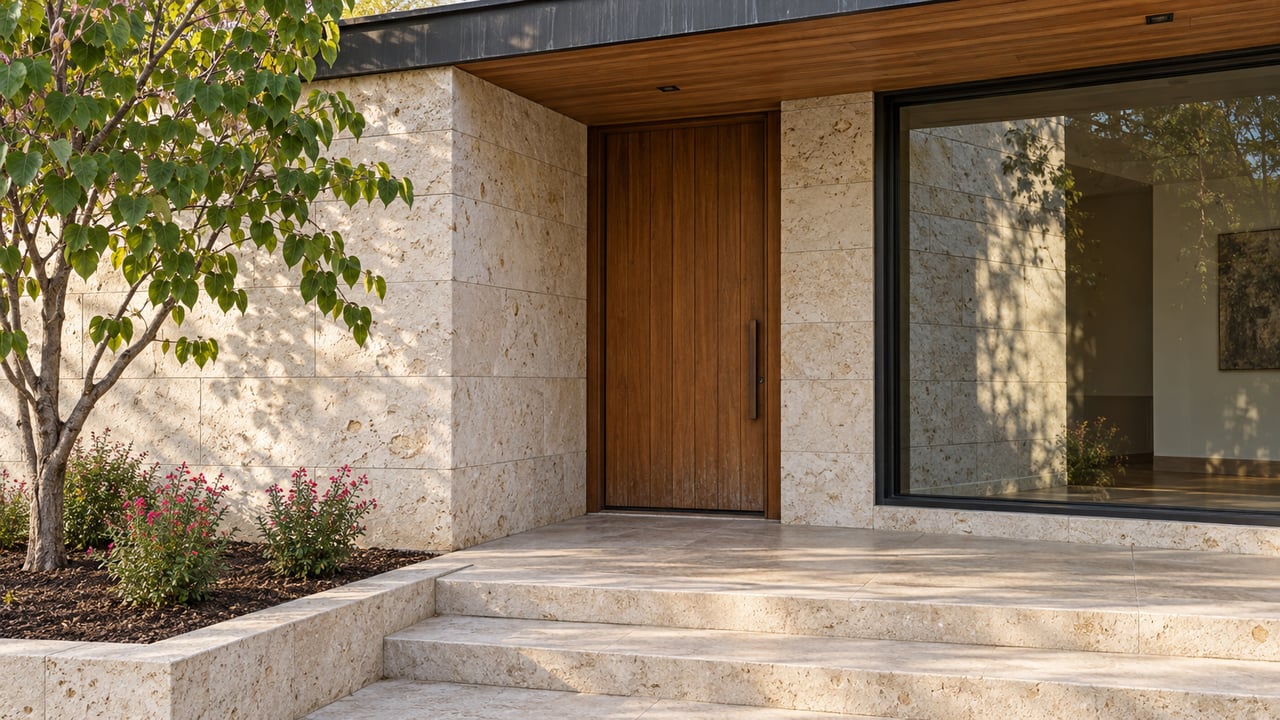
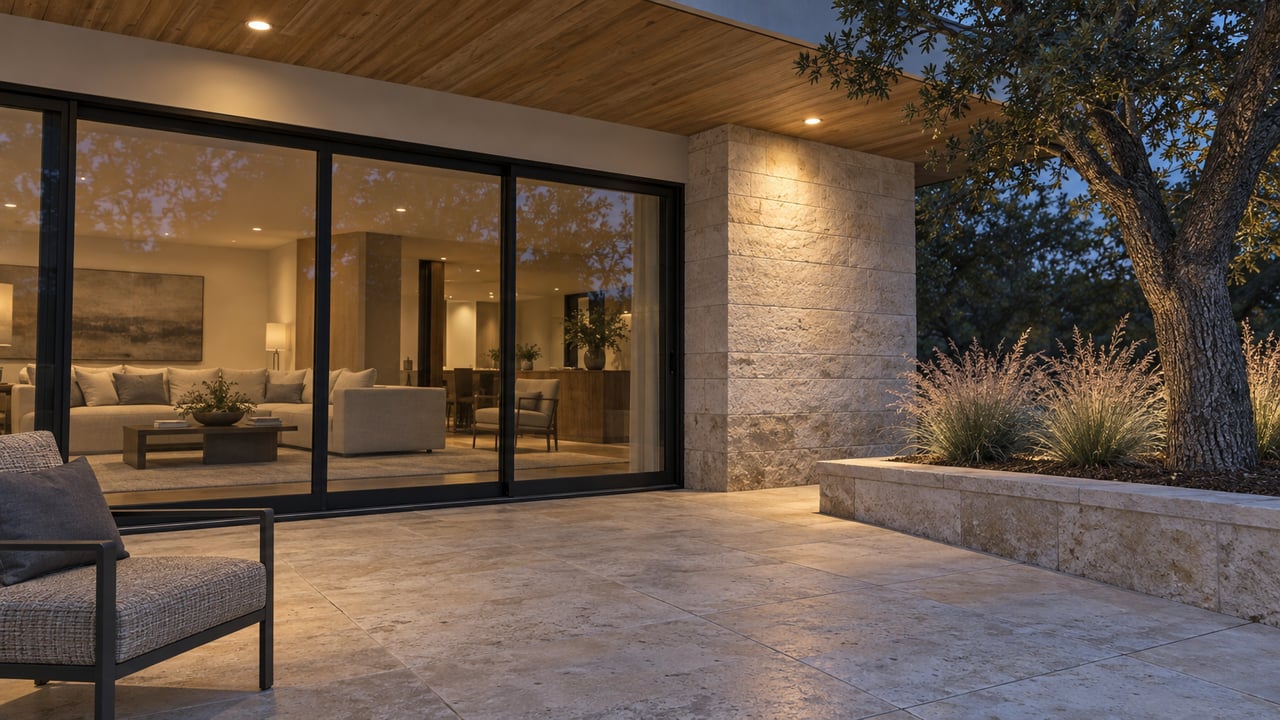
Porches, patios, and backyards expand the perceived living space. Staged outdoor areas can make buyers imagine entertaining or relaxing outside.
Before-and-After Examples of Successful Staging
Nothing sells the idea of staging like a visual comparison. Photos showing a cluttered, outdated room transformed into a bright, inviting space highlight the tangible benefits. These examples can make buyers and sellers alike understand why staging matters.
Tips for Choosing the Right Home Stager
Credentials and Experience
Look for certified stagers with a strong track record. Credentials like ASP (Accredited Staging Professional) or IAHSP indicate professionalism.
Portfolio Review
Ask to see before-and-after photos from past projects. This demonstrates style, skill, and effectiveness.
Budget Considerations
Discuss costs upfront. Many stagers offer packages tailored to your home size, type, and target market.
DIY Staging: When It Works and When It Doesn’t
DIY staging can work for smaller homes or tight budgets, but professionals know how to emphasize space and appeal. A DIY attempt might miss subtle tricks that enhance buyer perception, so weigh your time and skills against potential ROI.
Staging for Different Buyer Types
First-Time Home Buyers
Simple, uncluttered setups with practical touches appeal to first-time buyers who prioritize affordability and functionality.
Luxury Buyers
Luxury buyers seek elegance, space, and high-end finishes. Staging should highlight quality, lifestyle, and sophistication.
Investors
Investors often look for ROI. Clean, neutral, and minimal staging can make properties more versatile and attractive for rental or resale.
The Role of Photography and Virtual Tours
Staging isn’t just for open houses. Professional photos and virtual tours of staged homes create strong first impressions online. Buyers browsing listings are more likely to schedule viewings for homes that look move-in ready.
Staging and Time on Market: How It Accelerates Sales
Homes that are staged typically spend fewer days on the market. A well-presented home reduces buyer hesitation, attracts multiple offers, and can lead to quicker closings.
Common Mistakes to Avoid in Home Staging
-
Overpersonalizing spaces with family photos
-
Cluttering rooms with too much furniture
-
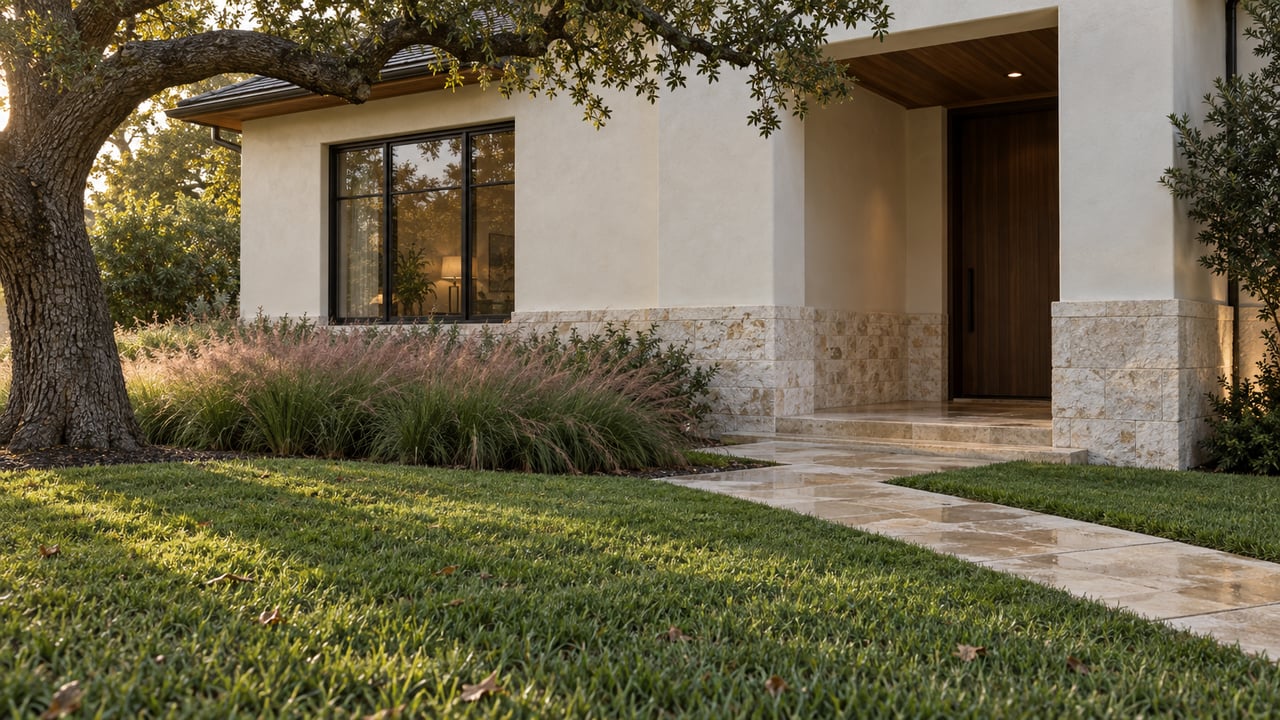
Ignoring curb appeal
-
Using outdated or unattractive decor
-
Neglecting proper lighting
Avoiding these mistakes ensures staging achieves its full potential.
Future Trends in Home Staging
-
Eco-friendly and sustainable decor
-
Smart home integration
-
Minimalist and multi-functional furniture
-
Virtual staging for online listings
These trends are shaping how buyers perceive homes and will continue to influence sales strategies.
Conclusion: Maximizing Value Through Staging
Professional home staging transforms a property from a house into a dream home in the eyes of buyers. By emphasizing lifestyle, space, and functionality, staging accelerates sales and increases offers. Whether you invest in a professional stager or take a DIY approach strategically, the impact on perception—and ultimately your sale price—is undeniable.
FAQs
1. What is home staging and why is it important?
Home staging prepares a property to appeal to buyers visually and emotionally, helping it sell faster and for a higher price.
2. How much does professional staging cost?
Costs vary depending on home size and services, but many stagers offer packages ranging from $500 to $5,000.
3. Can I stage my home myself?
Yes, DIY staging works for smaller or budget-conscious homes, but professionals often achieve better results and ROI.
4. Does staging really increase the sale price?
Studies indicate staged homes can sell for 5–15% more than unstaged ones, making it a worthwhile investment.
5. How long does staged property usually stay on the market?
Staged homes typically spend fewer days on the market, attracting buyers faster and sometimes receiving multiple offers.