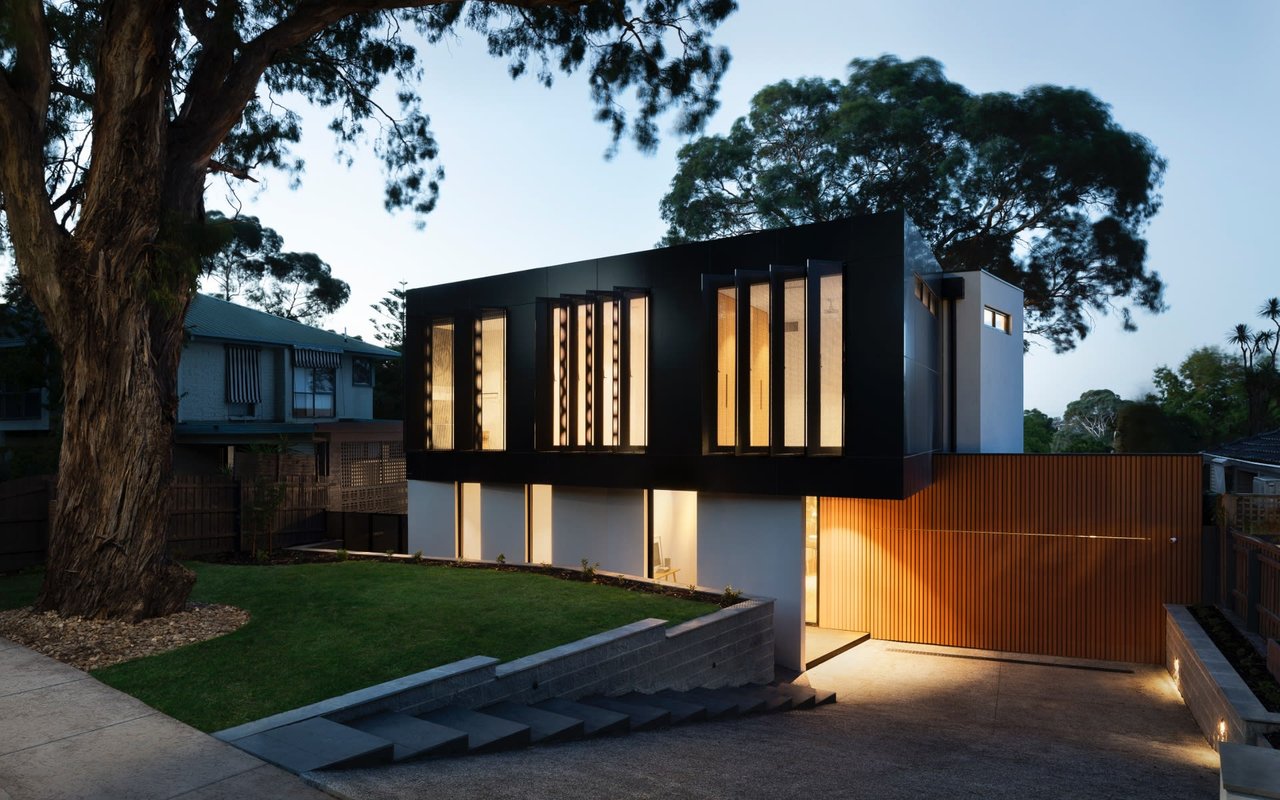
Thinking about selling your Austin home? You're probably wondering when to put that "For Sale" sign in your yard. Should you wait until spring when everyone says the market heats up? Or is there a secret window that savvy sellers know about? Let me share what I've learned from years of navigating Austin's dynamic real estate landscape.
Understanding Austin's Unique Real Estate Market
Why Austin Isn't Like Other Markets
Austin isn't your typical real estate market, and that's putting it mildly. While other cities follow predictable patterns, Austin dances to its own beat. We've got a perfect storm of factors that make timing your sale both exciting and complex. The city's explosive growth, coupled with limited housing inventory, creates opportunities that you won't find in slower markets.
What makes Austin special? For starters, we're dealing with a constant influx of new residents. People are moving here from California, New York, and everywhere in between. They're drawn by our thriving job market, no state income tax, and that indefinable Austin charm. This steady stream of buyers means that even in traditionally "slow" months, you might find eager purchasers ready to make offers.
The Tech Boom's Impact on Housing
Let's talk about the elephant in the room—tech companies. When Tesla, Oracle, and countless startups set up shop here, they didn't just bring jobs; they transformed our housing market. These companies attract high-earning professionals who need places to live, and they need them quickly. This creates a unique urgency in our market that defies traditional seasonal patterns.
The tech influence means that corporate relocation cycles matter just as much as weather patterns. When a major company announces a hiring wave, you can bet the housing market responds. Understanding these cycles gives you an edge that sellers in other markets simply don't have.
Seasonal Trends in Austin Real Estate
Spring: The Traditional Peak Season
Spring remains the golden season for home sales in Austin, and there's solid reasoning behind this tradition. As the bluebonnets bloom and temperatures become perfect, buyers emerge with renewed energy. Families want to settle before the school year ends, and homes simply show better when your yard is green and your garden is flourishing.
March through May typically sees the highest number of buyers actively searching. Competition among buyers peaks during these months, which often translates to multiple offers and higher sale prices. If you're looking to maximize your profit and don't mind dealing with more competition from other sellers, spring is your sweet spot.
But here's the catch—you're not the only seller who knows this. The market becomes crowded with listings, which means your home needs to truly shine to stand out. You'll need impeccable staging, professional photography, and a competitive price to capture attention in this busy season.
Summer: Hot Weather, Hot Market
Don't let anyone tell you the market cools down when temperatures soar. Austin summers are brutal, yes, but the real estate market stays surprisingly active. Why? Because life doesn't pause for heat. Corporate relocations continue, out-of-state buyers visit during vacation time, and serious purchasers aren't deterred by a little (okay, a lot of) sweat.
Summer actually offers some strategic advantages. Buyers looking in July and August tend to be more motivated—they need to find something, and they need it now. This urgency can work in your favor during negotiations. Plus, with some families already committed to staying put until after summer break, you face slightly less competition from other listings than you did in spring.
The key is making your home an oasis from the heat. Highlight your air conditioning, showcase any outdoor shade structures, and emphasize that sparkling pool if you have one. Austin buyers know how to appreciate a home that handles our climate gracefully.
Fall: A Strategic Window of Opportunity
Here's where it gets interesting. Fall—particularly September and October—represents one of the most underappreciated selling windows in Austin. The weather becomes gorgeous again, football season brings energy to the city, and you're competing with fewer listings than during spring and summer.
Buyers in fall are often serious. They've been looking through spring and summer, they know what they want, and they're ready to commit. These aren't casual browsers; they're motivated purchasers who understand the market. This means cleaner negotiations and potentially faster closings.
Additionally, the start of the school year settles families into routines, and those who need to relocate are actively planning their next moves. Corporate hiring cycles often bring new waves of employees who need housing before the holidays. Don't underestimate autumn's potential.
Winter: The Underrated Selling Season
Most sellers avoid listing in winter, assuming no one wants to house hunt during the holidays. That's exactly why winter can be brilliant for the right property. With minimal competition, your listing stands out dramatically. Every buyer searching in December or January is doing so for a compelling reason—they're not casual lookers.
Winter buyers are often highly motivated. Maybe they're relocating for a job that starts in January. Perhaps they're facing an expiring lease. Or they might be investors looking to close deals before year-end for tax purposes. Whatever their motivation, they're serious, and serious buyers make offers.
The key is understanding that winter success depends heavily on your property type and location. Homes near downtown, investment properties, and houses that appeal to relocating professionals tend to perform better during these months. If your home fits these criteria, don't automatically wait for spring.
Market Indicators That Signal the Right Time
Inventory Levels and Competition
Forget the calendar for a moment and look at what's actually happening in your neighborhood. How many homes are currently for sale within a mile of yours? What's the average days on market? These hyperlocal indicators matter more than any generalized seasonal advice.
Low inventory creates seller's markets where you hold negotiating power. If there are only three comparable homes for sale in your area, that's a golden opportunity regardless of the month. Conversely, if fifteen similar properties just hit the market, you might want to wait or price aggressively to stand out.
Check the Austin Board of Realtors' monthly statistics, but more importantly, drive around your neighborhood. Notice how long those "For Sale" signs stay up. Talk to your realtor about absorption rates—how quickly homes are selling in your specific area. This ground-level intelligence beats general market predictions every time.
Interest Rates and Buyer Demand
Interest rates wield enormous influence over buyer activity. When rates drop, buyers flood the market, eager to lock in favorable financing. When rates climb, some buyers hesitate or reduce their budgets. Understanding this dynamic helps you anticipate demand shifts.
Here's the nuance though—rate changes affect different buyer segments differently. First-time buyers are extremely rate-sensitive because they're stretching to afford homes. Move-up buyers and cash purchasers care less about rate fluctuations. Consider who typically buys homes like yours when evaluating whether current rates create opportunity or challenge.
How Fed Decisions Affect Your Timeline
The Federal Reserve's decisions ripple through Austin's housing market within weeks. When they signal rate cuts, buyer activity often surges in anticipation. When they raise rates, you might see temporary slowdowns as buyers adjust to new financial realities.
Stay informed about Fed meetings and announcements if you're trying to optimize timing. Your realtor should be monitoring these indicators and advising you on whether to list now or wait for more favorable conditions. Sometimes the best move is listing before an expected rate change impacts buyer behavior.
Month-by-Month Breakdown for Austin Sellers
January Through March: Gearing Up
The year starts slowly but builds momentum. January sees motivated buyers who are serious about finding homes, though overall volume is lower. Use this time for preparation if you're planning a spring listing. However, if your home appeals to investors or relocating professionals, January can be surprisingly productive.
February bridges the gap between winter quiet and spring frenzy. Listings start increasing, and buyers begin actively searching before competition peaks. This can be a sweet spot—you catch early birds before the market floods with inventory.
March marks the official start of peak season. The number of showings increases dramatically, and well-prepared homes receive quick attention. If you're ready to list, early March positions you ahead of the crowd while capturing surging buyer interest.
April Through June: Peak Performance
These three months represent maximum market activity. Expect high showing volumes, competitive offers, and quick sales for well-priced properties. The energy is palpable—open houses attract crowds, and bidding wars happen frequently for desirable homes.
April particularly shines because families are finalizing moves before school ends. May maintains strong momentum, though you're now competing with peak inventory levels. June starts the summer transition—families committed to moving have made decisions, but relocating professionals and investors remain active.
Price your home correctly during these months because buyers have options. A home that's overpriced in May will sit while comparable properties sell around it. The market is hot, but it's not irrational—value still matters.
July Through September: Sustained Activity
Summer maintains solid activity despite common misconceptions. July and August see motivated buyers—often relocating for work—who need to find homes regardless of the weather. Your marketing needs to emphasize comfort features: energy efficiency, cooling systems, and outdoor entertainment spaces designed for Texas heat.
September brings a resurgence as temperatures moderate and school routines are established. Buyers who paused during peak summer heat reengage. You face less competition than in spring while still capturing substantial buyer interest. This balance often creates ideal selling conditions.
List in early September to catch buyers before they commit to staying put through the holidays. By late September, serious buyers are racing to close before year-end, creating urgency that benefits sellers.
October Through December: Strategic Positioning
October is underrated. Weather is perfect, football season energizes the city, and inventory levels drop while serious buyers remain active. If you missed the spring market, October offers a legitimate second chance with less competition.
November slows as holidays approach, but don't dismiss it entirely. Buyers searching during Thanksgiving week are highly motivated. They're not browsing—they're buying. Low inventory means your home stands out dramatically.
December is quieter still, but the right buyers are looking. Think relocating executives, investors seeking year-end transactions, or buyers who've been searching all year and need to find something. These buyers make decisions quickly because they have clear motivations and timelines.
Local Factors That Influence Timing
Austin ISD Calendar and Family Buyers
If your home appeals to families—good schools, multiple bedrooms, family-friendly neighborhood—the Austin ISD calendar matters enormously. Families strongly prefer moving during summer break to avoid disrupting their children's school year. This means they're actively searching in spring to close by June or July.
The school calendar creates predictable waves of family buyer activity. February through May sees families intensively searching. June through August is moving time. September brings a brief window of families who didn't find something earlier. Then activity from family buyers largely pauses until after the holidays.
Understand your buyer profile. If families are your primary market, align your listing timing with their schedule. If your home appeals more to young professionals or empty nesters, you have more flexibility because these buyers aren't constrained by school calendars.
SXSW and Major Events
Austin's event calendar creates unique market dynamics. South by Southwest in March brings thousands of visitors who fall in love with the city. Some decide to relocate, initiating home searches. The festival also temporarily reduces available showing times as traffic and crowds make property visits challenging.
Austin City Limits, Formula 1 racing, and other major events similarly impact market timing. These events showcase Austin's culture and economy, potentially inspiring relocation decisions. However, they also create logistical challenges for showings and open houses during event weekends.
Strategic realtors work around major events rather than fighting them. List before SXSW to catch early spring momentum without festival complications. Use quiet periods between big events for concentrated marketing pushes when you have buyers' full attention.
Corporate Relocations and Job Market Shifts
Pay attention to corporate announcements. When major employers announce expansions or new facilities, relocation waves follow within months. Tesla's Gigafactory, Oracle's headquarters, Apple's campus—each brought surges of buyer activity to specific Austin areas.
Similarly, tech company hiring freezes or layoffs can temporarily cool market segments. Stay informed about major employer news through local business journals and realtor intelligence. These factors often matter more than seasonal patterns for timing your sale optimally.
Corporate relocation cycles don't follow neat seasonal patterns. Companies move employees year-round based on business needs. This creates opportunities during "off-season" months when corporate relocators represent a higher percentage of active buyers.
Personal Circumstances vs. Market Timing
When Life Dictates Your Timeline
Here's some real talk: sometimes you can't wait for the "perfect" market moment. Job transfers happen. Divorces occur. Family situations change. Health issues arise. When life demands you sell, you sell.
The good news? Austin's market is strong enough that you can sell successfully in any season if you approach it strategically. Work with an experienced realtor who knows how to position your home effectively regardless of timing. Price competitively, market aggressively, and you'll find buyers even during slower periods.
Don't beat yourself up if circumstances force a December listing when everyone says spring is better. Focus on what you can control—presentation, pricing, and marketing—rather than worrying about factors beyond your control. Plenty of homes sell successfully during "suboptimal" months.
Financial Readiness Considerations
Beyond market timing, consider your financial readiness. Do you have equity built up? Can you afford to carry two mortgages if your home doesn't sell before you need to move? Have you consulted with a tax professional about capital gains implications?
Sometimes waiting a few extra months to cross a tax threshold or build additional equity makes financial sense even if market conditions are currently favorable. Other times, selling quickly—even at a slightly lower price—makes sense to avoid carrying costs or capitalize on a limited-time opportunity.
Calculate your break-even point. How much do you need to net from the sale to achieve your goals? Work backward from that number to determine your minimum acceptable price, then evaluate whether current market conditions make that achievable. If not, consider whether waiting improves your position or simply delays the inevitable.
Preparing Your Home for Maximum Impact
The 90-Day Preparation Window
Regardless of when you plan to list, start preparing at least three months ahead. This gives you time to make impactful improvements without rushing or overspending. Walk through your home with a critical eye—better yet, hire a professional home stager to identify issues you've stopped noticing.
Focus on high-impact improvements: fresh paint, updated fixtures, landscaping, deep cleaning. These investments return multiples of their cost in higher sale prices and faster sales. Address obvious maintenance issues—leaky faucets, cracked tiles, damaged screens—that signal neglect to buyers.
Declutter ruthlessly. Austin buyers want to envision their life in your space, which is impossible when your personal belongings dominate every room. Rent a storage unit if necessary. Remove two-thirds of your decorative items. Clear kitchen counters completely. Create the spacious, move-in-ready environment that photographs beautifully and shows even better.
Staging Secrets Austin Buyers Love
Austin buyers have specific preferences shaped by our culture and climate. They want indoor-outdoor flow, so showcase any patio, deck, or yard spaces. They value energy efficiency because our utility bills run high—emphasize new windows, insulation upgrades, or solar panels if you have them.
Highlight storage solutions because space is premium in Austin's housing market. Organized closets, garage systems, and built-in shelving signal a well-maintained home. Show off any home office spaces since remote work remains prevalent in our tech-heavy economy.
Create lifestyle appeal. Stage outdoor areas with comfortable seating that suggests relaxed evenings and weekend gatherings. In the kitchen, show the coffee bar setup or wine storage that speaks to Austin's food and beverage culture. These touches help buyers emotionally connect with your property beyond just seeing empty rooms.
Pricing Strategies for Different Seasons
Aggressive vs. Conservative Pricing
Your pricing strategy should flex with market conditions and timing. During peak spring months with high buyer traffic, you can price at the top of the comparable range and potentially receive multiple offers that push the final price even higher. Competition among buyers gives you negotiating power.
During slower periods, conservative pricing becomes more important. You need to capture the attention of the limited buyers who are actively looking. Price slightly below comparable properties to generate immediate interest and potentially spark a bidding situation even with fewer active buyers.
Consider your motivation level too. If you must sell quickly regardless of season, aggressive pricing attracts attention and expedites offers. If you can wait for the right buyer, you might price higher and hold firm, especially if your home has unique features that justify premium positioning.
How Time of Year Affects Your Strategy
Spring listings can often successfully price 5-10% above comparable sales from the previous months because buyer competition drives up values. Summer pricing should reflect current comparable sales—don't overprice assuming spring's momentum continues indefinitely.
Fall offers interesting opportunities for strategic pricing. With less competition from other listings, you can sometimes achieve spring-like prices despite lower overall market activity. Position your home as the best available option rather than competing on price alone.
Winter requires the most careful pricing analysis. You need to attract the limited buyers actively looking, which means pricing must be compelling. However, motivated winter buyers often pay fairly for the right property—they're not looking for bargains, just value. Find that sweet spot where your price reflects value without leaving money on the table.
Common Mistakes Austin Sellers Make
Waiting for the "Perfect" Market
The biggest mistake I see is sellers perpetually waiting for better conditions. They'll skip spring thinking summer will be better, then skip summer expecting a fall surge, then decide to wait until next spring. Meanwhile, carrying costs accumulate and life remains on hold.
Markets fluctuate, but Austin's long-term trajectory remains strong. The difference between listing in a "great" versus "good" month often amounts to a few percentage points in sale price. That difference rarely justifies months of additional mortgage payments, maintenance costs, and the stress of prolonged uncertainty.
Sometimes good enough is perfect. If current conditions meet your needs—you can achieve your financial goals and move on with your life—take action. Don't sacrifice the present chasing an uncertain future perfect moment that may never materialize.
Ignoring Hyperlocal Trends
Another critical error is following citywide statistics while ignoring your specific neighborhood's reality. Austin's real estate market isn't monolithic—downtown condos, East Austin bungalows, and Westlake estates operate under completely different dynamics.
Your home's micromarket might be hot when the overall city is cooling, or vice versa. Maybe a new development just broke ground nearby, temporarily flooding your area with inventory. Perhaps a major employer opened a facility that makes your neighborhood newly desirable.
Work with a realtor who knows your specific area intimately. They should provide comparable sales from your immediate neighborhood, not just citywide statistics. They should know which direction the market is moving in your area based on recent activity. This hyperlocal intelligence drives successful timing decisions far more than broad market generalities.
Conclusion
So when's the best time to sell your Austin home? The honest answer is: it depends on your unique situation, property, and goals. Spring offers maximum buyer traffic but maximum competition. Summer maintains solid activity with slightly less listing pressure. Fall provides an underrated window of serious buyers and beautiful weather. Even winter works for the right properties and motivated sellers.
Rather than obsessing over finding the mythical "perfect" month, focus on what you can control. Prepare your home meticulously. Price it strategically based on current comparable sales. Market it professionally with outstanding photography and staging. Partner with a knowledgeable realtor who understands Austin's unique dynamics.
Austin's market remains fundamentally strong—people continue moving here, jobs continue growing, and housing demand continues exceeding supply. This means you can sell successfully in any season if you approach it strategically. Trust the process, trust your realtor, and trust that when you've done the preparation work, the right buyer will emerge regardless of what month appears on the calendar.
Remember, the best time to sell is when you're ready—financially, emotionally, and practically. Everything else is just optimization around the edges.
FAQs
1. Is it really worth waiting until spring to sell, or should I list now?
Spring offers more buyers but also more competition from other sellers. If your home is properly prepared and priced, you can sell successfully in any season. Consider your personal timeline, carrying costs, and local market conditions rather than blindly following seasonal conventional wisdom. Sometimes listing in a "slower" month with less competition actually produces better results than fighting for attention during peak season.
2. How do Austin's corporate relocations affect the best selling time?
Corporate relocations create year-round buyer activity that doesn't follow traditional seasonal patterns. When major employers like Tesla, Apple, or Oracle move employees here, those buyers need homes immediately regardless of season. Stay informed about major hiring announcements in Austin—they often matter more than weather patterns for timing your sale, especially if your home appeals to professionals relocating for work.
3. Should I price my home differently depending on what month I list?
Absolutely. Peak season allows slightly higher pricing because buyer competition drives up values. During slower months, you need competitive pricing to capture limited buyer attention. However, don't confuse competitive pricing with underpricing—motivated off-season buyers still pay fair market value. Work with your realtor to analyze recent comparable sales and adjust your strategy based on current inventory levels and buyer activity in your specific area.
4. How much preparation time do I really need before listing?
Plan for at least 90 days of preparation regardless of your target listing date. This allows time for repairs, improvements, deep cleaning, decluttering, and professional staging without rushing. Homes that show beautifully sell faster and for more money in any season. If circumstances force a faster timeline, focus on high-impact improvements—paint, landscaping, decluttering—that deliver maximum return on minimal investment.
5. What if I need to sell during the "worst" time of year?
There's no truly "worst" time in Austin's market if you approach the sale strategically. Every month has active buyers—they just have different motivations. Winter buyers are typically highly motivated by job transfers, expiring leases, or investment opportunities. Price competitively, market aggressively, and highlight features that appeal to your likely buyer profile. Many sellers are pleasantly surprised by off-season success when they partner with experienced realtors who know how to position properties effectively year-round.
Ready to attract qualified and motivated buyers? Connect with Austin, TX Real Estate Agent and Expert, Meryl Hawk, who will expertly guide you through the process of selling your home.