Selling your Austin home should be exciting, not a financial disaster waiting to happen. Yet every year, thousands of sellers leave money on the table—sometimes tens of thousands of dollars—because they make preventable mistakes. I've watched it happen over and over again, and honestly, it breaks my heart because most of these errors are completely avoidable.
Here's the thing: Austin's real estate market is unique. What works in Dallas or Houston won't necessarily work here. Our tech-driven economy, explosive growth, and distinctive culture create specific challenges and opportunities that you need to understand. Let me walk you through the seven costliest mistakes I see Austin sellers make, and more importantly, show you how to avoid them.
Why Austin Sellers Need a Different Playbook
The High-Stakes Reality of Austin's Market
Austin isn't just any real estate market—it's a high-velocity, high-stakes environment where mistakes get amplified. With median home prices hovering in the $500,000+ range, even a small percentage error translates to serious money. A 5% pricing mistake on a $600,000 home means $30,000 left on the table or months of carrying costs while your overpriced property sits.
The market moves fast here. Buyers are sophisticated, often relocating from expensive coastal markets with high expectations. They spot problems quickly and move on to the next property without hesitation. You get one chance to make an impression, and if you blow it, recovery is difficult and expensive.
What Makes Austin Unique for Home Sellers
Austin attracts a specific buyer demographic that shapes what works in our market. We're talking about tech professionals, remote workers, entrepreneurs, and creatives who value different things than traditional suburban buyers. They want modern finishes, smart home features, outdoor entertainment spaces, and energy efficiency. They're less forgiving of dated interiors or poor presentation.
Additionally, Austin's rapid growth means inventory levels fluctuate dramatically. Last year's seller's market can become this year's balanced market seemingly overnight. Strategies that worked six months ago might fail today. You need real-time intelligence and adaptability, not generic advice from national real estate blogs.
Mistake #1 - Overpricing Your Home in a Changing Market
The Psychology Behind Overpricing
Let's talk about the most expensive mistake Austin sellers make: overpricing. I get it—you've invested in your home, you've loved your home, and you've watched your neighbor's house sell for what seemed like an astronomical price last year. It's tempting to think, "Well, mine's even better, so I should price it higher."
This emotional attachment clouds judgment. You remember what you paid for that kitchen remodel or those custom built-ins, and you want to recoup every dollar. But here's the brutal truth: the market doesn't care what you spent. It only cares about current comparable sales and what buyers are willing to pay today.
The psychology of overpricing often stems from fear too. Sellers worry that if they price competitively, they're "leaving money on the table." So they price high, thinking they can always come down. This strategy backfires spectacularly in Austin's fast-moving market.
How Overpricing Costs You More Than You Think
When you overprice, you miss the crucial first two weeks of maximum buyer attention. Austin buyers and their agents monitor new listings constantly. An overpriced home gets flagged immediately and ignored. Those motivated buyers who would have made strong offers on a correctly priced property? They've moved on to other homes.
After sitting for 30, 60, or 90 days, your home becomes "stale" in the market. Buyers wonder what's wrong with it. When you finally reduce the price to where it should have been initially, you've lost momentum and negotiating power. Buyers smell desperation and make lowball offers knowing you're stuck.
Meanwhile, you're hemorrhaging money. Mortgage payments, property taxes, insurance, utilities, and maintenance costs continue mounting. If you've already moved to a new home, you're potentially carrying two mortgages. A property that sits overpriced for three months while you pay $4,000 monthly in carrying costs has effectively cost you $12,000 before you even consider the lower final sale price.
Real Numbers: What Overpricing Actually Costs Austin Sellers
Let me give you a concrete example from an Austin seller I consulted with recently. They insisted on pricing their East Austin home at $750,000 when comparables suggested $695,000. After 87 days with minimal showings and no offers, they dropped to $699,000. It finally sold for $680,000 after another 31 days.
The math is devastating: They paid approximately $5,000 in carrying costs during those 118 days. They accepted $15,000 less than the original suggested price. And they lost the opportunity to compete in the spring market when their home would have generated multiple offers. Total cost of overpricing: roughly $20,000 plus stress, inconvenience, and delays in their life plans.
Mistake #2 - Skipping Pre-Sale Home Improvements
The False Economy of "Selling As-Is"
Many Austin sellers convince themselves that skipping improvements and selling "as-is" makes financial sense. They reason that putting money into a home they're leaving is wasteful. This thinking costs them significantly more than the improvements would have cost.
Austin's market is competitive, and buyers have options. When they walk into a home with worn carpets, outdated fixtures, and peeling paint while the house next door shows beautifully, guess which one gets the offer? Your "as-is" strategy means accepting a lower price and possibly selling to an investor rather than an owner-occupant who would pay retail.
The discount buyers expect for homes needing work always exceeds the actual cost of improvements. You might save $5,000 by not painting, but lose $15,000 on the sale price. That's not smart economics—that's leaving money for someone else to pick up.
High-ROI Improvements Austin Buyers Expect
Not all improvements are created equal. Focus on high-impact, high-return updates that Austin buyers specifically value. Fresh paint throughout—neutral, modern colors—typically returns 100-200% of the investment. It makes every room look clean, cared for, and move-in ready.
Kitchen and bathroom updates deliver strong returns, but you don't need full renovations. Updated cabinet hardware, new faucets, modern lighting fixtures, and fresh caulking and grout make dramatic differences for minimal investment. Replace dated countertops if they're seriously worn, but granite or quartz in neutral colors works fine—you're not redesigning for your taste, you're removing objections from buyers' minds.
Austin-specific improvements that pay off include energy-efficient windows and insulation upgrades (buyers care about those brutal summer electric bills), outdoor living space improvements, and smart home features. Even adding a Nest thermostat and Ring doorbell signals that your home is modern and well-maintained.
Where to Invest Your Improvement Budget
If you have limited funds, prioritize like this: First, fix anything broken or obviously worn. Second, deep clean everything including carpets, windows, and often-neglected areas like baseboards and light fixtures. Third, paint interior walls in modern neutrals. Fourth, enhance curb appeal with landscaping, fresh mulch, and exterior touch-ups. Fifth, update the most dated fixtures in kitchens and bathrooms.
Skip over-personalizations or niche improvements. Don't add that pool if you don't have one—you won't recoup the cost. Don't do extensive landscaping beyond basic curb appeal. Don't renovate in your personal style with bold colors or unusual choices. Keep everything broadly appealing and fresh.
Mistake #3 - Poor or Inadequate Marketing
Why Professional Photography Isn't Optional
Here's where sellers really shoot themselves in the foot: skimping on marketing. In 2025, over 95% of buyers start their home search online. Your listing photos are literally the first and most important impression you make. Yet I still see sellers—or worse, their agents—using smartphone photos that make beautiful homes look like crime scenes.
Professional real estate photography costs $300-$800 depending on your home's size and whether you include drone shots and twilight photos. That investment can increase your sale price by thousands or tens of thousands by attracting more buyers and creating a premium presentation. Homes with professional photos sell faster and for more money—this isn't opinion, it's documented fact in study after study.
In Austin's competitive market, you're not just competing against other homes—you're competing for attention spans. Buyers scroll through dozens of listings. Mediocre photos get skipped. Professional photos with proper lighting, staging, and angles make buyers stop scrolling and click "Schedule Showing."
The Digital Marketing Gap Most Sellers Miss
Beyond photos, comprehensive digital marketing separates successful sales from struggling listings. Your home should appear on every major real estate platform, obviously, but also on social media with targeted advertising. Facebook and Instagram ads can target specific demographics—say, tech professionals relocating from California—with precision.
Video tours and 3D virtual tours have become expected, not optional. Buyers, especially those relocating to Austin from out of state, want to explore homes virtually before committing to in-person showings. A Matterport 3D tour or professional video walkthrough lets them experience the flow and feel of your home remotely.
Email marketing to agent networks matters too. A good realtor sends "Coming Soon" and "Just Listed" emails to their network of buyer's agents, creating buzz before your home even hits the MLS. They follow up, they ask for feedback, they stay top-of-mind. Bad agents list your home and hope buyers find it—that's not marketing, that's negligence.
Mistake #4 - Choosing the Wrong Real Estate Agent
Not All Austin Realtors Are Created Equal
This might be the most consequential decision you make in the entire selling process. The wrong agent can cost you tens of thousands of dollars through poor pricing advice, inadequate marketing, weak negotiating, or simple incompetence. Yet many sellers choose agents based on personal relationships rather than professional competence.
Your college roommate who just got their license? Your neighbor who's a part-time agent? These aren't necessarily bad people, but they're probably not the right professionals for what might be your largest financial transaction. You need someone who lives and breathes Austin real estate, understands current market dynamics, and has a proven track record of successful sales.
Experience matters enormously. An agent who's closed 100+ transactions knows how to handle inspection negotiations, appraisal issues, title problems, and buyer cold feet. They've seen it all and can navigate obstacles smoothly. A new or part-time agent is learning on your dime, and their inexperience costs you money and increases your stress.
Red Flags When Interviewing Agents
Watch for these warning signs when interviewing potential agents: They suggest an unrealistically high listing price to win your business (this is called "buying the listing"). They can't provide specific comparable sales that support their pricing recommendation. They don't have a comprehensive marketing plan—or worse, their plan is just "put it on MLS and wait."
Other red flags: They're not familiar with your specific neighborhood. They can't explain their commission or are evasive about what services you're getting for that commission. They seem too busy to give your sale proper attention. They don't communicate clearly or responsively during the interview process—this won't improve after you sign.
Trust your gut. If an agent makes you uncomfortable or seems dismissive of your concerns during the interview, imagine working with them through stressful negotiations. Choose someone you can communicate with openly who demonstrates both expertise and professionalism.
Questions You Must Ask Before Signing
Ask these specific questions: How many homes have you sold in my neighborhood in the last 12 months? What's your average list-to-sale price ratio? What's your average days on market compared to the area average? Can you provide references from recent sellers? What's your specific marketing plan for my home?
Also ask: How will you communicate with me and how often? Will you personally handle my sale or pass it to a team member? How do you handle multiple offers? What's your strategy if we don't get offers immediately? How do you determine pricing, and can you show me the comparables you're using?
Their answers reveal their experience, professionalism, and whether they're the right fit. A good agent welcomes these questions and provides detailed, confident answers. A poor agent gets defensive or provides vague responses.
Mistake #5 - Ignoring Curb Appeal and Staging
First Impressions in the Austin Market
You never get a second chance at a first impression, and in real estate, first impressions happen at the curb. Buyers make subconscious judgments within seconds of arrival. If your front yard is neglected, your paint is peeling, and your entryway looks uninviting, buyers mentally devalue your home before they even step inside.
Austin buyers are particularly attuned to outdoor spaces because our climate allows year-round enjoyment. A neglected yard signals that the home might have other maintenance issues. Conversely, a well-maintained exterior with thoughtful landscaping suggests pride of ownership and proper home care.
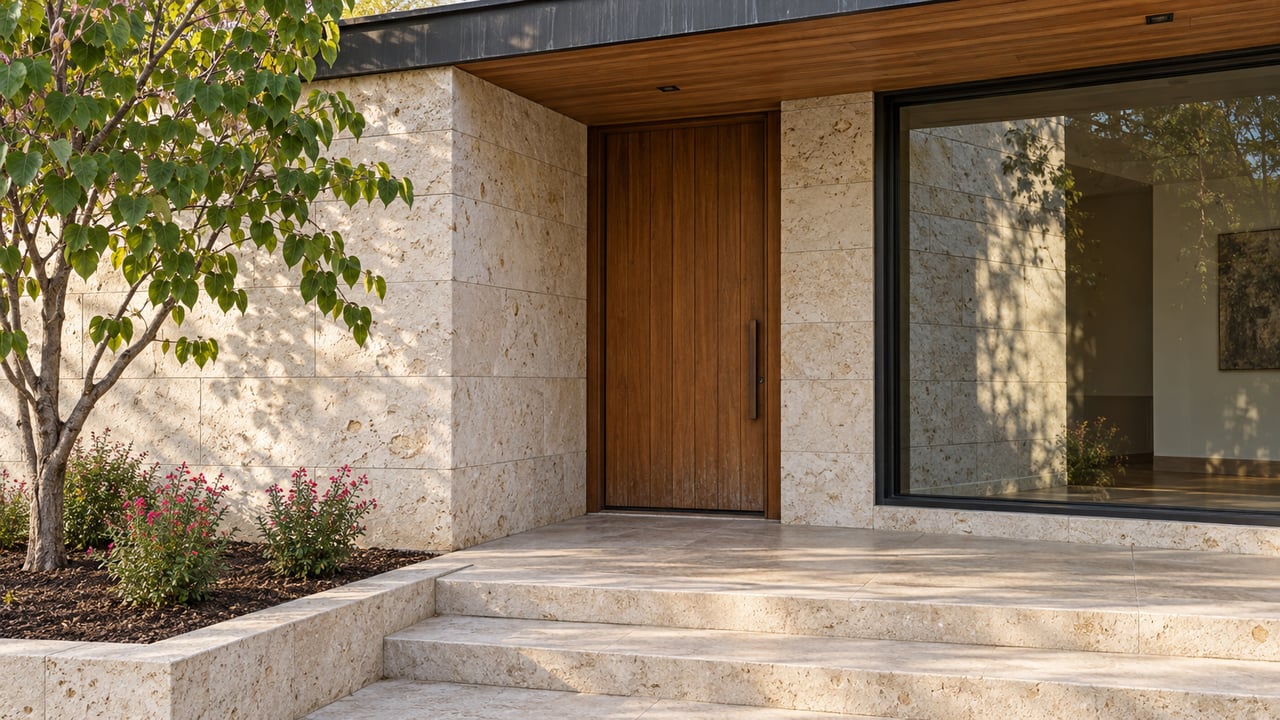
The investment in curb appeal is modest compared to the return. Fresh mulch, trimmed shrubs, a few colorful plants, pressure-washed siding and walkways, and a cleaned or replaced front door make dramatic differences. These improvements cost hundreds, not thousands, yet can influence sale price by thousands or tens of thousands.
The Staging Mistake That Kills Sales
Inside, inadequate staging—or worse, no staging—costs you buyers. I've seen beautiful homes show terribly because they're cluttered with personal belongings, packed with oversized furniture, or left completely empty and cavernous. Buyers can't visualize themselves in spaces that are either overwhelming with someone else's life or completely devoid of context.
Professional staging works. Studies consistently show staged homes sell faster and for higher prices than unstaged homes. Staging creates emotional connections by showing how spaces can be used and making rooms feel larger and more inviting. It photographs beautifully, which attracts more online viewers who become in-person showings.
If full professional staging exceeds your budget, at minimum do consultation staging where a professional advises you on furniture arrangement, decluttering, and simple updates you can do yourself. Even partial staging of key rooms—living room, primary bedroom, kitchen—makes significant impact.
Austin-Specific Curb Appeal Considerations
In Austin, certain outdoor features particularly influence buyers. A covered patio or deck signals outdoor entertaining space, which Austin's culture highly values. Mature trees provide shade and character—highlight them. Native, drought-resistant landscaping appeals to environmentally conscious Austin buyers and signals low maintenance.
Address Austin-specific concerns too. If you have foundation issues common in our expansive clay soils, address them or have documentation ready explaining monitoring and stability. If your yard slopes or has drainage concerns, show how you've managed them. Austin buyers know about these regional issues—transparency and solutions sell, denial and avoidance don't.
Mistake #6 - Being Inflexible with Showings
How Limited Availability Costs You Buyers
Here's a mistake that seems small but has huge consequences: restricting showing availability. Sellers who require 24-hour notice, won't allow evening or weekend showings, or have frequent "black-out" periods dramatically reduce their buyer pool.
Think about it from a buyer's perspective. They're working full-time, probably touring multiple homes, and trying to see properties when convenient for their schedule. If your home requires jumping through hoops while three others are easily accessible, which do you think they'll prioritize?
I've seen sellers lose perfect buyers because the buyer couldn't schedule a convenient showing and moved on to other properties. By the time the seller realized their mistake and became more flexible, that buyer had gone under contract elsewhere. In Austin's fast market, delays of even days can mean losing the right buyer.
The Competitive Showing Advantage
Make your home the easiest one to see. Allow showings with minimal notice—ideally same-day or even lockbox access. Be flexible about evenings and weekends when most buyers tour homes. Consider temporarily relocating to stay with friends or family during peak showing periods so you're not constantly disrupted but your home remains accessible.
Yes, showings are inconvenient. Yes, keeping your home perpetually show-ready is exhausting. But you know what's more exhausting? Months of showings because limited availability prevented the right buyer from seeing your home when they were actively searching. Get through the short-term inconvenience to achieve the goal: selling your home quickly for top dollar.
If you have legitimate privacy or security concerns, work with your agent on solutions. Maybe you require your agent to accompany all showings. Maybe you install temporary cameras. But don't let these concerns create barriers that cost you buyers.
Mistake #7 - Emotional Decision Making
When Attachment Sabotages Your Sale
The most insidious mistakes are emotional ones. You raised your kids in this house. You renovated the kitchen exactly to your taste. You planted those roses. These emotional connections are beautiful—they're also completely irrelevant to buyers and can sabotage your sale if they cloud your judgment.
I've watched sellers reject fair offers because they felt insulted that anyone would offer less than asking price. I've seen sellers refuse to make reasonable repairs because "there's nothing wrong with the house"—ignoring that buyer perception matters more than seller opinion. I've witnessed sellers price based on what they "need" to get rather than what the market will bear.
Your home is your treasure, but to buyers, it's a commodity they're evaluating against other commodities. They don't care that your daughter took her first steps in the living room. They care whether the living room meets their needs and whether the price reflects current market value.
Negotiation Mistakes Driven by Emotion
Emotional sellers make poor negotiators. They take reasonable requests personally. They interpret inspection items as personal attacks rather than standard negotiation tactics. They dig in stubbornly over small amounts because they feel disrespected, ultimately costing themselves deals over issues worth hundreds when tens of thousands are at stake.
A buyer offering $10,000 below your asking price isn't insulting you—they're negotiating. A buyer requesting repairs after inspection isn't calling you a bad homeowner—they're protecting their investment. These are normal, expected parts of real estate transactions. Emotional reactions turn standard negotiations into contentious standoffs where both sides lose.
This is where a good agent provides invaluable perspective. They've seen hundreds of transactions and can advise whether a request is reasonable, whether an offer is worth countering, and when to walk away versus when to compromise. Listen to their professional advice rather than your emotional reactions.
How to Stay Objective Throughout the Process
Create emotional distance by treating your home sale as a business transaction. You're selling an asset. Focus on your goals—selling for maximum value in minimum time—and evaluate every decision through that lens. Will refusing this repair request help you achieve your goals, or will it cost you this buyer and force you to start over?
Have someone you trust—your agent, your spouse, a financially savvy friend—serve as your voice of reason. When emotions rise, consult them before responding. Take 24 hours to consider offers and requests rather than reacting immediately. This cooling-off period prevents emotional decisions you'll regret.
Remember that the buyer isn't your adversary—they're someone who wants to give you money for your house. That's a good thing! Successful negotiations create wins for both sides. Stay focused on reaching that successful conclusion rather than "winning" individual battles.
The Cost of These Mistakes in Real Dollars
Case Studies from Austin's Market
Let me share what these mistakes cost in real situations I've witnessed. Case one: Seller overpriced by $50,000, refused staging, limited showing hours. Result: 127 days on market, three price reductions, final sale $73,000 below original asking price, approximately $15,000 in carrying costs. Total cost of mistakes: roughly $88,000 compared to pricing correctly with proper preparation initially.
Case two: Seller chose a friend who's a part-time agent, skipped professional photography, refused to make requested repairs after inspection. Result: Two failed contracts, 164 days on market, final sale with investor at $42,000 below market value. Cost of choosing the wrong agent and being inflexible: approximately $42,000.
Case three: Seller priced correctly, hired experienced agent, invested $8,000 in staging and improvements. Result: Multiple offers within 9 days, sale $17,000 above asking price, smooth closing. Return on investment: $9,000 net gain plus saved carrying costs and stress.
These aren't extreme examples—they represent typical outcomes of common mistakes versus strategic selling. The difference between costly errors and smart strategy often exceeds $50,000 on Austin's median-priced homes.
How to Avoid These Pitfalls
Your Action Plan for a Successful Sale
Here's your roadmap to avoiding these costly mistakes: First, interview at least three experienced Austin realtors before choosing one. Ask the questions I outlined earlier and check their track record. Second, listen to your chosen agent's pricing advice. If multiple experienced agents suggest similar prices, believe them over your hopeful instincts.
Third, invest in proper preparation. Budget for professional photography, staging consultation at minimum, and necessary improvements. These investments return multiples of their costs. Fourth, make your home as accessible as possible for showings—inconvenience yourself for a few weeks to sell faster and for more money.
Fifth, depersonalize your space completely. Remove family photos, personal collections, and distinctive decor. Buyers need to envision their life in the space, not observe yours. Sixth, stay flexible and objective throughout the process. Separate your emotional attachment from the business transaction.
Finally, trust the process and trust your professional advisors. Real estate sales involve complexity, stress, and uncertainty. Experienced professionals have guided hundreds of sellers through successfully. Let them do their jobs while you focus on your next chapter.
Conclusion
Selling your Austin home successfully requires avoiding these seven costly mistakes: overpricing in a changing market, skipping pre-sale improvements, inadequate marketing, choosing the wrong agent, ignoring curb appeal and staging, being inflexible with showings, and making emotional decisions. Each mistake alone can cost you thousands of dollars and months of time. Combined, they can turn what should be a profitable sale into a financial disappointment.
The good news? Every single one of these mistakes is completely avoidable with proper planning, professional guidance, and disciplined execution. You don't need luck to sell successfully—you need strategy, preparation, and the wisdom to learn from others' mistakes rather than making them yourself.
Austin's market offers tremendous opportunities for sellers who approach the process strategically. Home values have appreciated significantly, buyer demand remains strong despite market fluctuations, and quality properties still command premium prices. Don't squander these advantages through preventable errors.
Choose your agent wisely, price correctly, prepare thoroughly, market aggressively, stay flexible, and keep emotions in check. Follow this approach, and you'll position yourself for a successful sale that maximizes your profit while minimizing your stress. Your Austin home deserves a successful sale—make sure you give it that opportunity by avoiding these costly mistakes.
FAQs
1. How much should I really invest in home improvements before selling?
Focus on high-ROI improvements that address obvious issues and broad appeal rather than spending lavishly on renovations you won't enjoy. A good rule of thumb is investing 1-3% of your home's value in strategic updates like painting, minor fixture upgrades, deep cleaning, and curb appeal. Consult with your realtor about which specific improvements will deliver the best returns for your property and price point. Spend $5,000 wisely and you might add $15,000 to your sale price, but spend $30,000 on major renovations and you might only recoup $20,000.
2. What if multiple experienced agents give me different pricing advice?
Look at the range they're suggesting and understand their reasoning. If three agents suggest $575,000, $595,000, and $615,000, the truth probably lies in the middle. Ask each agent to explain the comparable sales supporting their recommendation. Be wary of outliers—an agent suggesting significantly higher than others is probably buying your listing with unrealistic expectations. Also consider each agent's average list-to-sale ratio. An agent whose listings typically sell for 98% of asking has credibility; one whose listings average 92% may chronically overprice.
3. Is it ever worth selling "as-is" without making improvements?
Selling as-is makes sense in limited circumstances: if you're facing genuine financial hardship preventing investment, if your timeline is extremely urgent, or if your property needs such extensive work that piecemeal improvements won't matter. However, understand that as-is sales typically mean accepting investor pricing (20-30% below retail) rather than getting retail value from owner-occupants. Even modest improvements often pay for themselves multiple times over through higher sale prices and faster sales to retail buyers rather than investors.
4. How do I know if my agent is actually marketing my home effectively?
Ask for weekly marketing reports showing: online listing views and clicks, social media ad impressions and engagement, number of showings and showing feedback, and outreach to buyer's agents. Your agent should be able to demonstrate active marketing efforts beyond just putting your home on MLS. If showings are low, a good agent adjusts strategy—improves photos, modifies pricing, increases advertising. If your agent has no answers or keeps saying "just be patient," you have a marketing problem.
5. What should I do if my home isn't selling after following all this advice?
First, honestly evaluate whether you've actually implemented everything strategically. Are your photos truly professional quality? Is your price in line with recent comparable sales, not 30-day-old data? Have you been flexible about showings? If you've genuinely done everything right, it's time for your agent to provide honest feedback. Maybe market conditions have shifted and a price adjustment is necessary. Maybe staging needs refreshing. Maybe your home's specific features require targeting different buyer segments. Don't just wait and hope—actively problem-solve with your agent to identify and address whatever's preventing your success.